• Home
  • Free Funding Guide
  • What We Offer
    • Products
    • Services
    • Free Guide
  • About Us
  • Contact
  • Sign Up

  • Ask Joe Any Question!
  • Business Credit Cards
  • Business Line of Credit
  • Topics

Business Credit Repair: How to Get Your Business Credit Back on Track 

August 29, 2022 By Joe

business credit repair

Since you’re interested in repairing your business credit, I’ll assume that you had a good credit score at one point. Now, for one reason or another, it has taken a hit (If that’s not the case, and you haven’t established credit yet, you might want to start here). 

First of all, if your business credit is not so great, don’t beat yourself up — it happens more than you would think. 

Don’t believe me? According to US Courts, in 2021, a total of 14,347 businesses filed bankruptcy in 2021. If you think this might have been a COVID-related spike, think again — the same source cites 23,157 business bankruptcy filings in 2017, a couple of years before the pandemic began. 

But, I don’t want you to focus too long on anything negative. Instead, let’s be solution-oriented and explore how business credit repair works. 

Bear in mind that business credit is not the same as personal credit and some of the laws protecting consumers don’t apply, which isn’t necessarily a bad thing. In fact, business credit is much easier and faster to restore than personal credit. 

This is what’s in store: 

  • What is Business Credit Repair?
    • The Golden Rule of Good Credit
  • 8 Steps to Repair Your Business Credit
    • 1. Review Your Business Credit Reports
    • 2. Note Every Item You Want Removed From Each Report
    • 3. Dispute Entries in Your Dun & Bradstreet Report
    • 4. Dispute Entries in Your Experian Business Report
    • 5. Dispute Entries in Your Equifax Business Report
    • 6. Reach Out Directly to Creditors
    • 7. Establish New, Healthy Accounts
    • 8. Continue to Monitor Your Business Credit
  • Final Thoughts

Now, here’s everything you need to know to restore your business credit. 

What is Business Credit Repair? 

Business credit repair or restoration typically refers to a third-party service that attempts to get negative information, like missed or late payments and defaulted accounts, removed from business credit reports in exchange for a payment. 
How do I repair my business credit?

A business might have a net 30 account on their report that shows as a late or slow pay that they want to clear up. Or, maybe they need to remove an old address from the credit bureau’s record. Business credit repair organizations might offer a service to help for a monthly or one-time fee in addition to any settlement offers they submit to creditors. 

Luckily, in most cases, these services are not needed. You can easily restore business credit on your own, which is the primary focus of this guide. 

The Golden Rule of Good Credit 

Whether you’re talking about business or personal finance, here’s the golden rule of good credit: Make your payments to lenders on-time, as agreed. 

While this may seem too obvious, it’s crucial. If you make your payments to lenders as agreed, you are very likely to maintain a high credit score. 

So, when life gets in the way, and you can’t make business loan and credit card payments like you expected, stay in communication with your lenders. As soon as you think you might miss a payment, pick up the phone and reach out to ask about your options. 

If you’re reading this early, at the first sign that your credit is about to slip — you never know — the above advice might be enough to keep you afloat while you figure out your finances. 

If you’re already sitting on a low business credit score, it’s time to take action.  

8 Steps to Repair Your Business Credit

Here’s the process, step-by-step, to restore your business credit. 

1. Review Your Business Credit Reports

The first thing you need to do when restoring your business credit is get an up-to-date copy of each of your credit reports from the business credit bureaus. 

There are three main business credit bureaus that most lenders will use to determine whether or not your company is worthy of financing. 

Get a copy of your report from each bureau: 

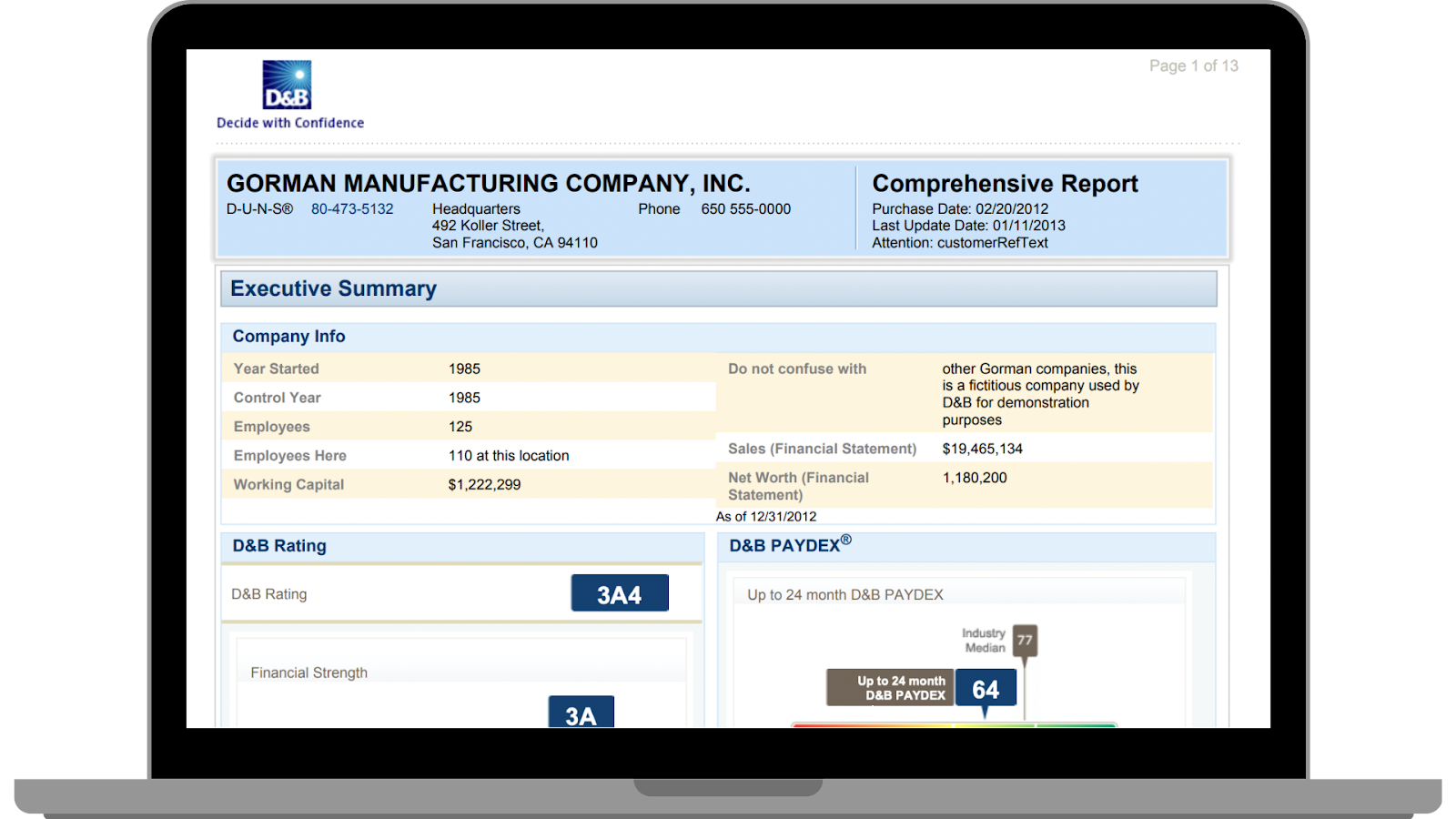
  1. Dun & Bradstreet: Access your PAYDEX report 
  2. Experian Business: Get your Experian business credit report 
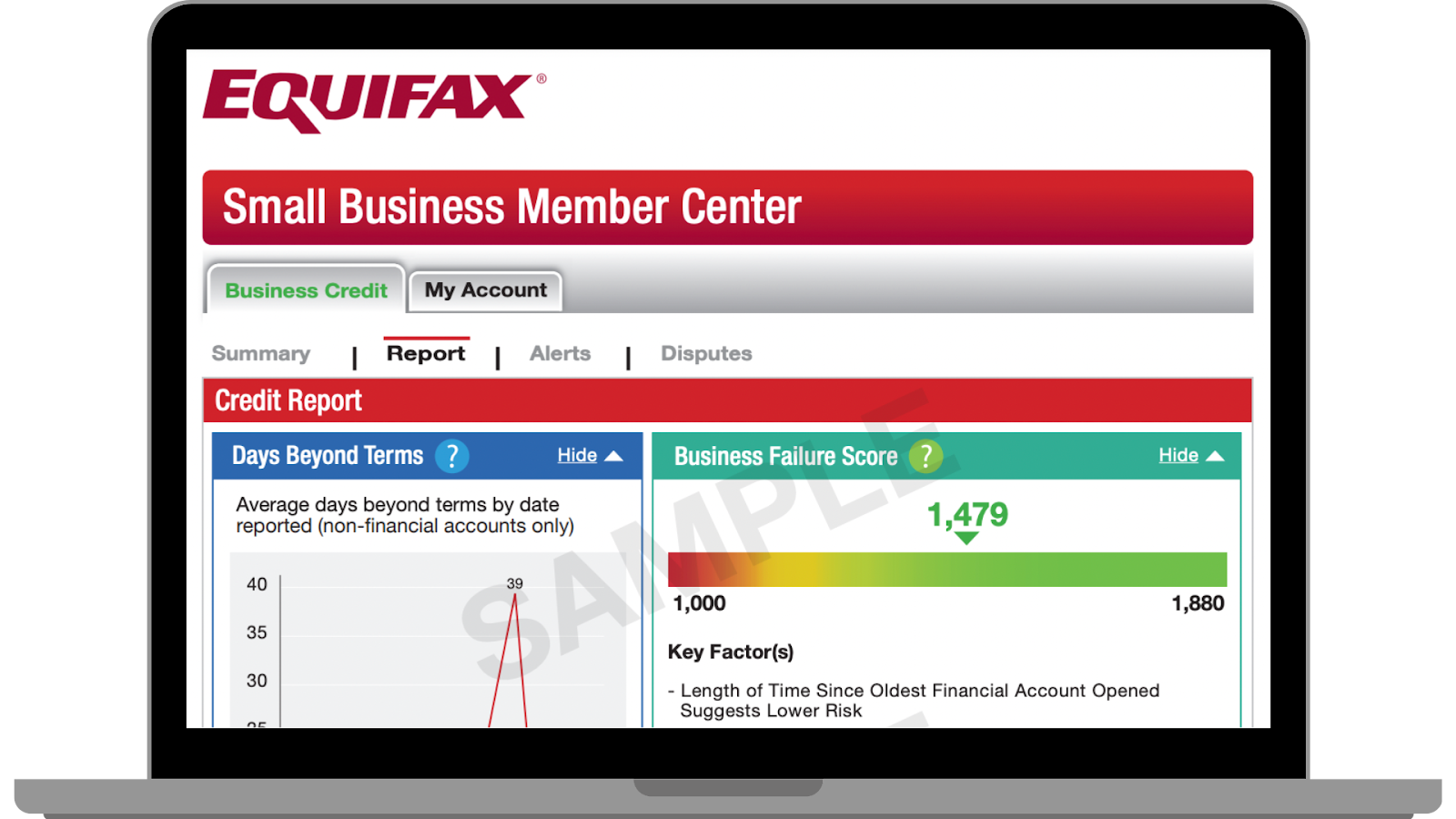
  3. Equifax Business: Obtain your Equifax business credit report

Download or print copies of each report so you can thoroughly review for accuracy. 
Fast credit repair

You may be able to obtain copies of your business credit report at no cost if you have recently been denied financing. Within 90 days of your denial, mail a request to the creditor and ask that they send a copy of your business credit report to you. 

Set up a free account with Nav to access and monitor your Experian and Dun & Bradstreet business credit summaries. 

Note: In addition to these three bureaus, I have heard of a couple of outliers here and there. But, I don’t recommend you pay them any attention (unless you are getting denials after cleaning up the main 3). Every business credit lender I’ve ever worked with has used one of the above to determine a company’s creditworthiness. 

Recommended: How to Check Your Business Credit Score

2. Note Every Item You Want Removed From Each Report

The more organized you are at this stage, the better. Examine every potentially negative item on your report and read through your company details for inaccuracies. 

Incorrect and negative information on your business credit report not only decreases your chances of obtaining financing, but adds additional hurdles. For example, you might pay higher insurance premiums, be charged higher interest rates on the funds you do receive, and find it difficult to rent equipment or office/retail space because of a mistake on one of your reports. 
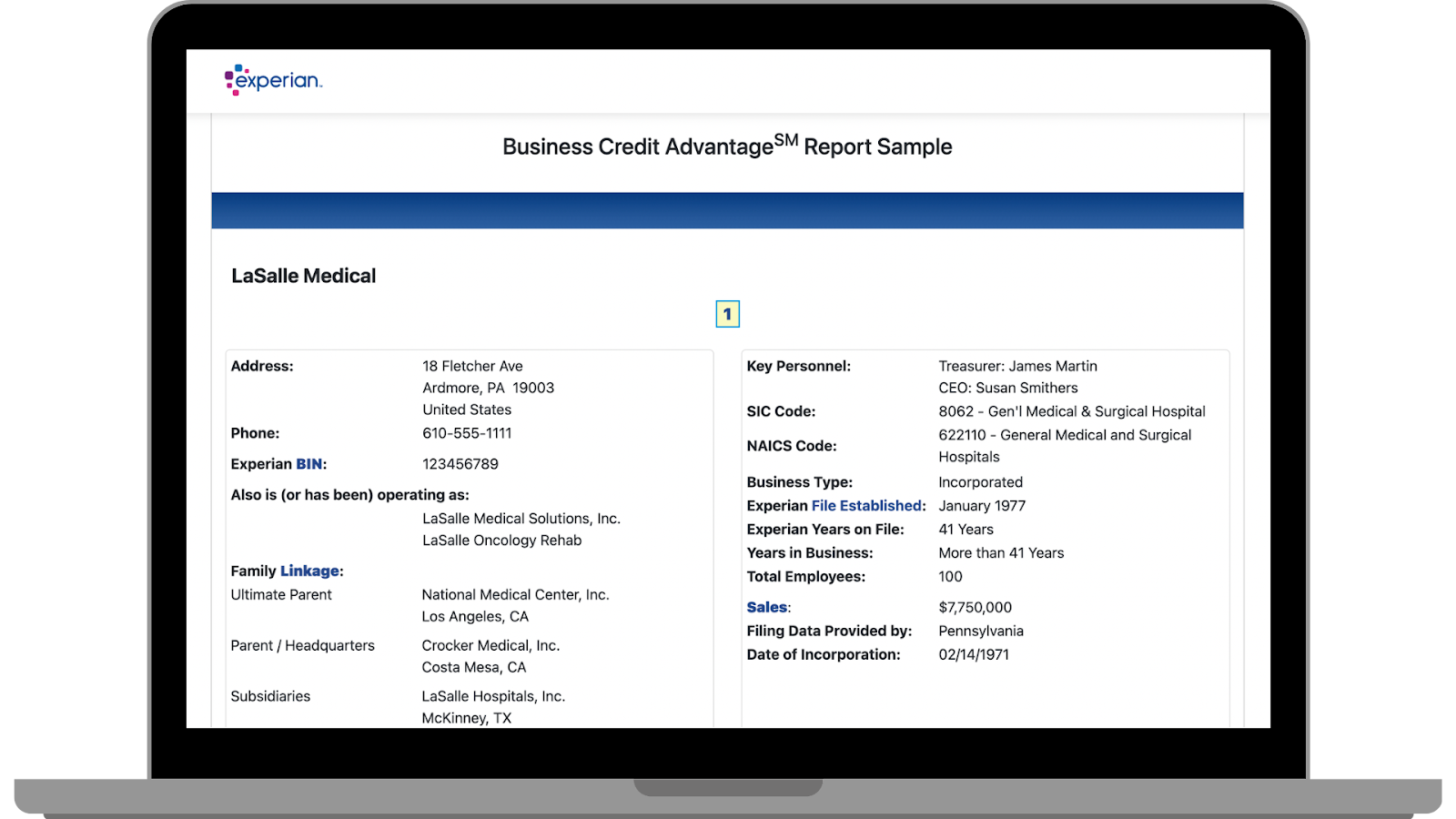
Experian credit repair

Look for any slow or late payments on your accounts that might affect your score. In addition, look for old business addresses or outdated contact information that you would like removed. 

For each report, list each item that you would like reviewed for removal. Include the following: 

  • The account number
  • The date of the disputed information
  • Explanation of the inaccuracy
  • Company that provided the disputed information
  • Type of disputed information (contact, missed/late payment, etc.)

Once you have completed your list, you’re ready to move forward. 

3. Dispute Entries in Your Dun & Bradstreet Report

For Dun & Bradstreet, the simplest option is to dispute incorrect items online via your account dashboard. You can pay for an upgraded account, but all you need is the free version (there aren’t many scenarios where I recommend paying for a premium account). 

Simply login to your account > navigate to D-U-N-S Manager > scroll down to Trade Payments in the left sidebar.

Your trade accounts will appear in the dashboard with an option to select from the dropdown under Initiate Investigation. 
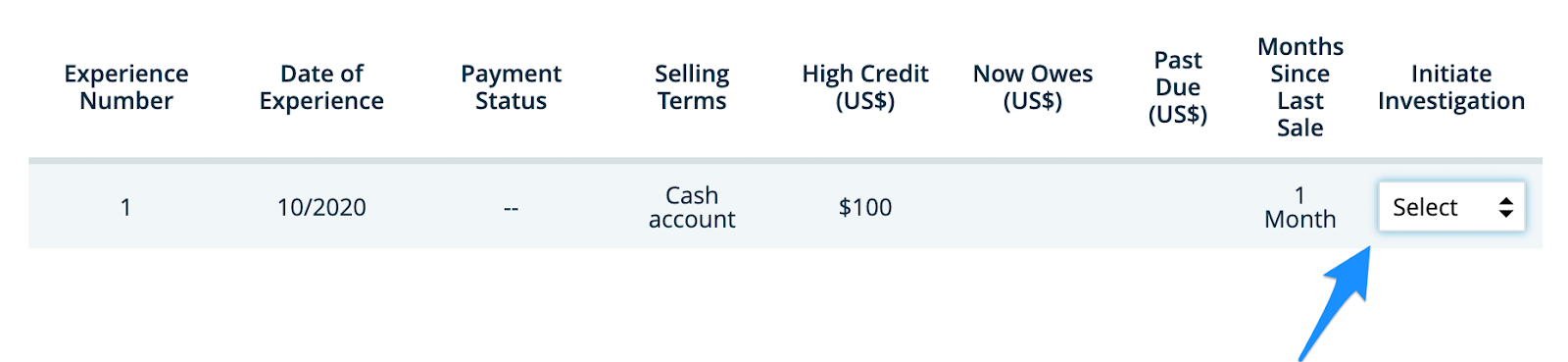
How long does it take to fix business credit?

Follow the prompts to continue at the bottom right of the screen until you come to the summary page. 
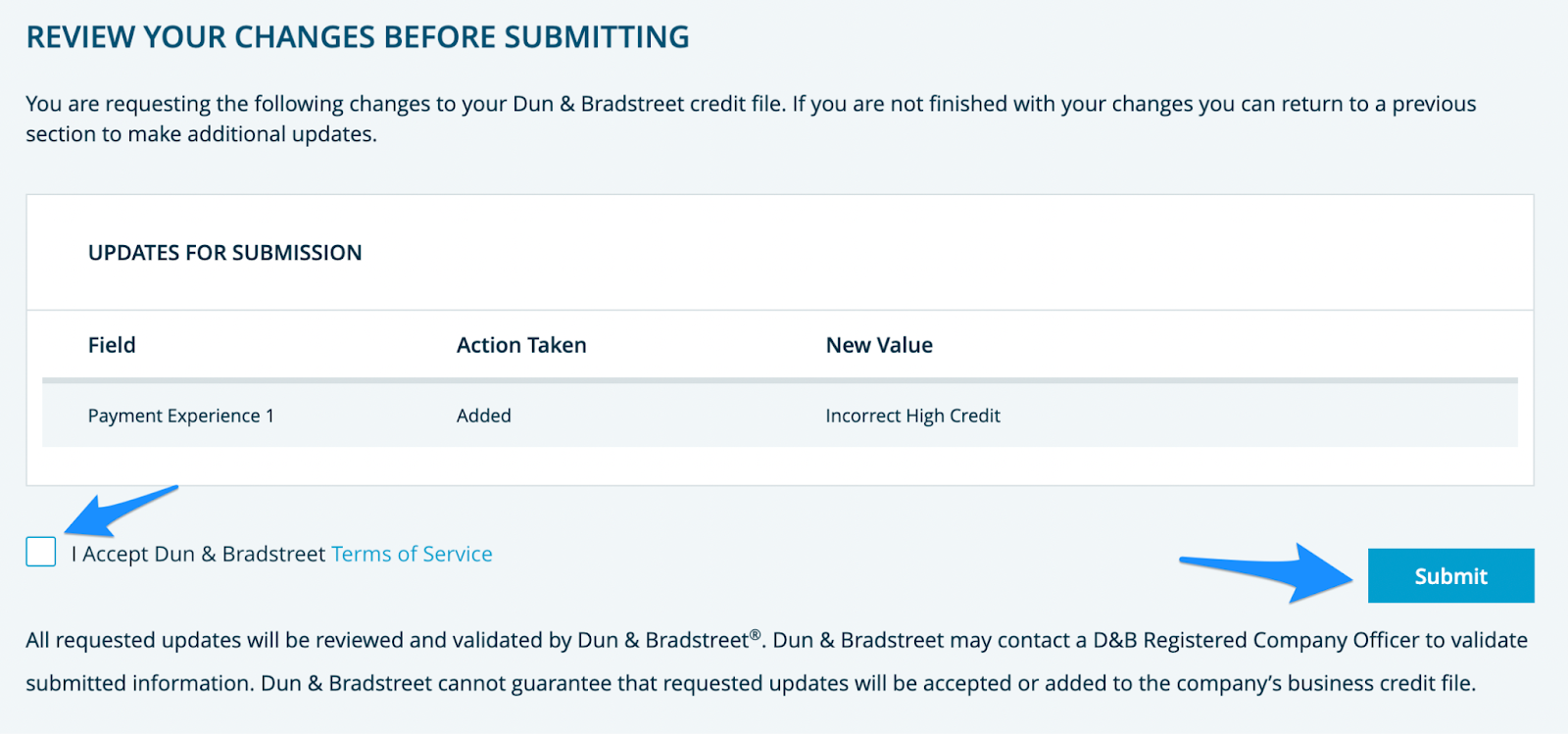
Does an LLC have a credit score?

Accept the terms of service, then click Submit. 

You will receive a reply relatively quickly, letting you know whether the investigation has resulted in a removal of the items you requested or not. 

4. Dispute Entries in Your Experian Business Report

The best way to execute Experian business disputes is to print your full, updated report, circle the incorrect information, and write-in the reason you are disputing each item. 

Scan and email the edited report to businessdisputes@experian.com, along with any additional documentation you have to support your request for information removal. 

Alternatively, you can open an account with Experian business, then call in to initiate a dispute: (888) 397-3742. When you place the call, have your list handy so that you can accurately indicate which items you want the bureau to investigate. 

5. Dispute Entries in Your Equifax Business Report 

Equifax disputes can be handled online or via mail, email, or phone. Recently, I’ve seen email disputes resolved within about one week. 

Equifax Inc. 

P.O. Box 740249

Atlanta, GA 30374-0249

commercialdisclosures@equifax.com 

(800) 727-8495
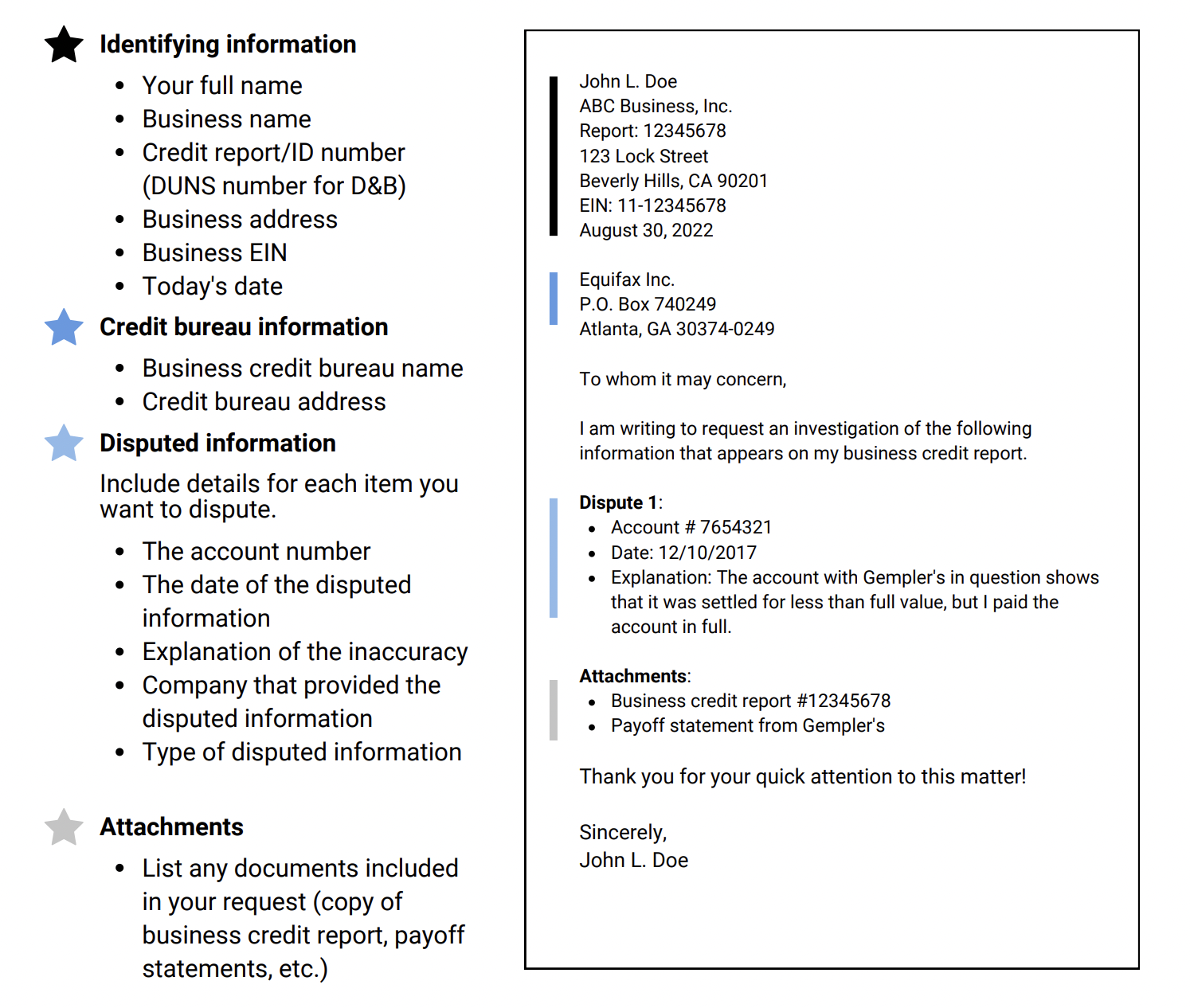
Business credit dispute template

Download business credit dispute template PDF

6. Reach Out Directly to Creditors 

After you’ve waited about a month after initiating your dispute(s), or you’ve heard back from the bureaus, are there any red flags still on your reports? If so, it might be worth reaching out to the creditor directly. 

In some cases, you may be able to negotiate a deal to get negative information removed from your account. For example, if an account shows unpaid, you might be able to get the creditor to report the account paid in full with a lump sum payment. 

If you do negotiate a deal like this, be sure that you get the agreement in writing, including the date by which the creditor will report to the credit bureaus. 

7. Establish New, Healthy Accounts

A crucial ingredient for a strong business credit score is to have healthy accounts. If your credit profile is sparse, it might be a good idea to add a few accounts that report on-time payments to the business credit bureaus. 

After your reports have been cleaned up, you might benefit from opening new accounts — depending on how established your business credit profile is. 

To get started, see our list of 41+ Companies That Help Build Business Credit. 

Be sure to keep any revolving accounts below 30% utilization for an optimal impact to your credit score. For example, if you have a revolving business credit card with a $30K limit, never use more than $10K at a time. Better yet, pay the card off in full each month. 

Ask for credit limit increases on revolving accounts. From time to time, some creditors will automatically increase your spending limit. Other creditors require that you make the requests for increases yourself. If you can request an increase from your account dashboard, go ahead — if not, pick up the phone and call customer service and ask if you qualify for a higher spending limit.

8. Continue to Monitor Your Business Credit

Like personal credit, it’s important to monitor your business credit and keep an eye out for inaccuracies. If you haven’t already, sign up for a Nav account. 

Nav can help you monitor your business credit… and more. 

  • Get actionable insights into credit and cash flow 
  • See relevant financing recommendations
  • Research customer and partner credit profiles
  • Boost your chances of obtaining business credit

It doesn’t hurt to maintain accounts with all three bureaus, but you can accomplish most of what you need from a single dashboard with Nav alone. 

Final Thoughts

Credit repair is important when you want to increase your business financing limits. Start by reviewing your reports from the three major business credit bureaus. Then, dispute any inaccuracies you find on your reports. If you need to, reach out to creditors directly to clean up any accounts in poor standing. After that, maintain healthy accounts, and monitor your business credit to watch for new inaccuracies or mistakes. 

To learn how to obtain $100K in business credit in 30 days, join Business Credit Workshop today.

14 Best Credit Monitoring Services for Scores, Reports, & ID Theft Protection

August 22, 2022 By Joe

best credit monitoring service

Credit monitoring is a crucial part of building and maintaining your credit. Through monitoring, you can view your credit score, watch for signs of fraud, and receive suggestions on how to increase your odds of getting financing with higher limits at lower rates. 

In a study conducted by Consumer Reports, 10.31% of those surveyed said that they found it “difficult” or “very difficult” to access their credit reports. If you’re one of these people, this list might have the solution you’re after. 

Gone are the days that consumers need to request their reports directly from credit bureaus. Fortunately, monitoring can now be done through a plethora of third-party services that provide daily alerts, funding opportunities, tips for boosting credit scores, and more. 

Today, we’ll explore the costs, features, and highlights of the best credit monitoring services of 2022. Here’s everything that’s covered: 

  • What to Look for in a Credit Monitoring Service
    • Online Credit Monitoring Service Features
  • What are the Best Credit Monitoring Services?
    • 1. ExtraCredit
    • 2. Credit Karma
    • 3. Identity IQ
    • 4. MyFico
    • 5. LifeLock
    • 6. CreditWise
    • 7. Experian
    • 8. IdentityForce
    • 9. Identity Guard
    • 10. Credit Squad
    • 11. PrivacyGuard
    • 12. Credit Sesame
    • 13. Complete ID
    • 14. ID Watchdog
  • Conclusion

Now, let’s get to it! 

This is What to Look for in a Credit Monitoring Service 

What you should look for in a credit monitoring service, at its core, depends on your personal needs and wants. 

First, why are you interested in credit monitoring? Are you trying to maintain or boost your credit score so that you can apply for a loan? Do you want to make sure someone isn’t using your identity or inaccuracies haven’t been reported by your trade line issuers? Or, do you want recommendations for lenders that are likely to finance you? 

Next, what’s your budget? There are several monitoring services that you can access for free. Keep in mind that the providers have to make money somehow and will likely try to sell you something. In most cases, that “something” is a push to apply for a loan or line of credit that you may not necessarily need. Some of the best credit monitoring services, on the other hand, are a bit spendy. 

Online Credit Monitoring Service Features

You can expect some or all of the following features from a credit monitoring service: 

  • Free credit score (VantageScore or FICO Score)
  • Transunion credit report 
  • Equifax credit report
  • Experian credit report
  • Identity theft monitoring
  • Recommended financing offers

So, what is the best credit monitoring service? The answer, frankly, depends on what you need and how much it’s worth to you. Here, read a breakdown of the top credit monitoring services with costs and features. 

What are the Best Credit Monitoring Services?

If you’re ready to find out what to expect with credit monitoring and decide which service is best for you, take a look. The table below shows the highlights from the best credit monitoring services. Below, you’ll find a complete, truthfully unbiased summary of each offer.

best credit monitoring service 2022

1. ExtraCredit

ExtraCredit

Credit.com offers a full-featured credit monitoring service, ExtraCredit. Build, guard, track, and restore (available in select locations) your credit, plus uncover your chances to earn up to $2.5K in rewards.  

ExtraCredit has a few standout features. First, you can access 28 different FICO scores — home lenders may not see the same score as credit card lenders. But, with this service, you’ll know what each type of lender will see. 

Next, you can use this service to legitimately build credit with the bills you’re already paying every month. Get credit for paying your for your monthly phone, gas, and water bills, and even your rent on-time. 

Cost: $24.99 per month

2. Credit Karma

Credit Karma

Certainly the most popular consumer credit monitoring service is Credit Karma. The platform is absolutely free and user-friendly. But, is Credit Karma worth using? 

With Credit Karma, you can access daily, real-time information from your TransUnion and Equifax credit reports as well as estimates of your two credit scores. For free?… sure! You will be prompted to apply for quite a lot of credit cards and loans from their partners. So, proceed with caution, and don’t apply for every offer. 

Note: Your Experian score isn’t accessible through Credit Karma, which is why some people use Experian’s free monitoring and Credit Karma to see the whole picture. 

In addition to credit monitoring and financing recommendations, Credit Karma offers financial tools. For example, a user favorite is the Credit Score Simulator, which shows what might happen to your credit score should you take certain actions like get a new loan or increase the limit on an existing credit line. 

Cost: Free

3. Identity IQ

Identity IQ

Another widely-accepted choice for consumer credit monitoring is Identity IQ. This service costs from $9.99 to $29.99 per month, depending on the subscription level. You can use Identity IQ’s services to access up to 12 credit reports per year from all three credit bureaus (Transunion, Equifax, and Experian) with select plans.  

According to Identity IQ’s terms & conditions, VantageScore or FICO may be delivered, based on the proprietary model used by the third-party data provider. 

With this service, you can obtain identity theft insurance, dark web monitoring, family protection, real-time monitoring for suspicious activity, and identity restoration in the case of fraud or inaccurate reporting. As part of an Identity IQ plan, you can also access Bitdefender VPN for secure browsing on multiple devices. 

Cost: $9.99 to $23.99 per month

4. MyFico

MyFico

MyFICO provides another trusted credit monitoring service that you might want to leverage. Here, you have a couple of options. 

First, MyFICO Free Score Estimator allows you to answer questions about your circumstances to make an educated guess as to what your FICO score is likely to be. 

Next, MyFICO subscription plans range from $19.95 to $39.95 per month. Here’s where you can access helpful features like three-bureau monitoring that updates monthly or quarterly, FICO scores, and identity monitoring and restoration. You can also access one-time reports for $19.95 (one-bureau) to $59.95 (three-bureau). 

Note: If you’re simply interested in a single credit report from each bureau for the year, I recommend you grab it for free from annualcreditreport.com.

Finally, anyone interested in learning how to obtain new financing and leverage their existing lines of credit to improve their credit, MyFICO Forums can be invaluable. Members frequently ask and answer questions and share credit building anecdotes to help one another. 

Cost: $19.95 to $39.95 per month 

5. LifeLock

LifeLock

Officially, LifeLock is an identity theft protection service. You can leverage the platform to easily lock your credit file, safeguard your home title, and “take back your online privacy.” Yet, for $9.99 to $23.99 per month, you can also access one-bureau or three-bureau credit monitoring. 

One-bureau credit monitoring features in LifeLock plans are isolated to Equifax monitoring. And, you will need to successfully identify yourself through the bureau using your social security number to access credit features. 

Cost: $9.99 to $23.99 per month

6. CreditWise 

CreditWise

CreditWise is a credit monitoring service from Capital One, though you don’t have to have a credit line open with the bank to access it — it’s free to everyone. Get instant access to your Transunion credit report and score when you sign up and verify your identity. 

Use CreditWise’s Score Simulator to make informed choices and boost your credit score, see historical score changes, and receive alerts to monitor your credit. As time goes on, CreditWise will also send you personalized product suggestions (credit cards, loans, etc.) and insights with topics that focus on your credit journey.  

Cost: Free

7. Experian

Experian credit monitoring

You can access one of the most popular free credit monitoring services directly through Experian (one of the top three consumer credit bureaus).

IdentityWorks is a paid identity theft protection program from Experian. You can try it free for one month, then pay monthly thereafter. Essentially, it is an ID theft insurance offer for $500K to $1M that costs $9.99 per month and $19.99 per month respectively. It also offers features like dark web monitoring, lost wallet assistance, and access to a US-based fraud resolution specialist.  

Experian Boost is a popular promotional offer, which claims to increase users’ credit scores immediately upon joining. Note that this only applies to the Experian FICO Score, and does not affect Transunion or Equifax credit scores. 

For a one-time payment of $39.99, Experian can provide you with a 3-bureau credit report with FICO scores. 

Cost: Free to $19.99 per month

8. IdentityForce

IdentityForce

Branded as an identity theft protection service, IdentityForce is a pretty powerful credit monitoring service for individuals and businesses. For personal credit monitoring, sign up for the UltraSecure+Credit Monitoring plan. 

In addition to the base UltraSecure identity theft features, you will get three-bureau credit monitoring, reports, scores, and access to the score tracker and simulator. The credit score tracker is a month-to-month graph that shows visual changes to your credit scores. And, the simulator can help you explore how various financial decisions can impact your score, hypothetically. 

Cost: $23.99 per month 

9. Identity Guard

Identity Guard

Another identity theft protection service, Identity Guard also offers credit monitoring and bank account protection with insurance up to $1M. This offer also includes a family plan for a few extra bucks per month. 

While the service monitors your reports from all three bureaus, they provide your VantageScore from just one bureau, Transunion. 

Identity Guard has an excellent TrustPilot rating. The most common complaint is that users are sometimes charged when they thought they had cancelled their subscription. So be sure to read the fine print and cancel immediately if you don’t want to continue with your plan.  

Cost: $8.99 to $29.99 per month

10. Credit Squad

CreditSquad

Credit Squad offers yet another credit monitoring service with ID theft protection for individuals and families. The competitive edge that they tout is that they compile a seven-year history on users for a bigger picture view of credit — this is why they made the list. 

While the price is comparable to other similar offers, I have to caution against this service… for now. The thing is, I couldn’t find any glaring negative reviews or anything to send up a major red flag. Still, the company is not as transparent as they could be. 

Nothing on Credit Squad’s website states which score (FICO or VantageScore) is reported to users. And, when you call the phone number listed on the website, you’re taken to a recording that quickly spouts a customer service email address. 

I reached out and did not find the answers to my questions.  

Cost: $14.99 to $29.99 per month

11. PrivacyGuard

PrivacyGuard

With Privacy Guard, you have three fundamental options: 

  1. Identity theft monitoring
  2. Credit monitoring
  3. Identity theft and credit monitoring (Total protection)

This service continually monitors your credit with all three bureaus and keeps track of your scores. With ID theft monitoring, like most services, they also monitor the dark web and provide you with updates about breaches. 

You’ll get email and text alerts, access to your own, dedicated fraud prevention specialist, and a suite of financial calculators to help you keep your score on-track. 

Cost: $19.99 to $24.99 per month

12. Credit Sesame

Credit Sesame

Similar to Credit Karma, Credit Sesame is a free monitoring service, designed to help users take control over their finances while offering financial service recommendations from their partners. 

You can see your credit score in real-time (refreshed daily). They offer a “credit report card,” which is essentially a credit report summary, and help you find more offers in alignment with your credit history. 

The standout feature is their suite of financial tools. My Debt and My Assets help you take control over debt repayment and asset monitoring to give you a bird’s-eye view of your finances.   

Cost: Free

13. Complete ID

Complete ID

Complete ID is an exclusive credit monitoring service available to select Costco members. Executive members can sign up for $8.99 and up, while Business & Gold Star members can join for $13.99 per month. Additional family members and entire families can be added to a Complete ID account for a few extra bucks per month (see pricing). 

Complete ID also comes with $1M in identity theft insurance. The platform is powered by Experian.

While most of the features are standard with this type of service, the stand-out offer is the savings, which is in alignment with most other Costco member benefits. So, if you’re already a Costco member or you want to become one, this is definitely a good option. 

Cost: $8.99 to $13.99 per month

14. ID Watchdog

ID Watchdog

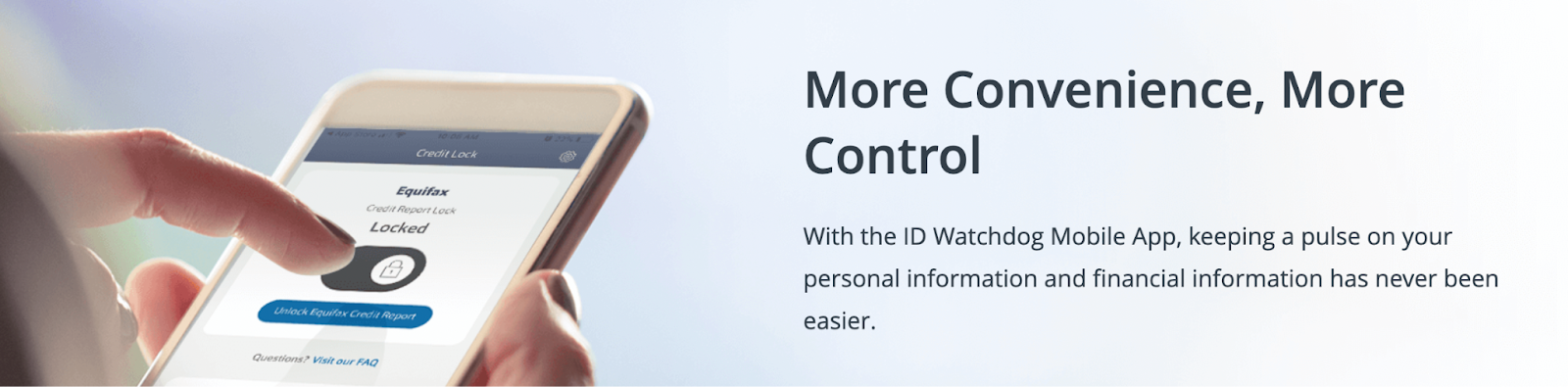
Our final contender here is ID Watchdog, an ID theft and credit monitoring service from Equifax. This service is commonly offered as an employee perk. So, check with your employer before you sign up, because they may already have this covered for you. 

There are two tiers: Select and Premium. The Select plan offers one-bureau (Equifax) monitoring and a monthly score update. And, the Premium plan offers daily score updates (Equifax-only) with three-bureau monitoring. 

Both offers can be upgraded to include families and come with $1M identity theft insurance. The Premium offer includes an additional $1M 401K and stolen funds reimbursement. 

Cost: $14.95 to $21.95 per month 

Bottom Line

Anyone interested in accessing loans or lines of credit — for any purpose — will benefit from keeping an eye on their credit. You can do this the old fashioned way by requesting an annual report from each bureau, or you can sign up for monitoring through one of the services above. 

Now, we don’t think you should stop there. In fact, we teach how you can transform your life with business credit (for real). 

Are you ready to learn how to obtain $100K in business credit in 30 days? We break it down for our members in a way that’s super easy to understand — join Business Credit Workshop today to learn a simple, 7-step process. 

Lending Club Business Loans: Everything You Need to Know  

November 3, 2021 By Joe

Lending Club Business Loans

Key Takeaways

  • Lending Club offers personal and business loans for various needs.
  • The company was the first fintech to acquire a U.S. bank in 2020.
  • They have an A+ BBB rating and a 4.6 TrustScore™ on Trustpilot.
  • Their high-yield savings accounts provide up to 5.15% APY; business accounts earn 1.5% APY with 1% cash back.
  • Lending Clubs business loans are offered in partnership with Accion Opportunity Fund. 
  • The business loan application process is fast, with easy approval and direct deposits.

Since 2007, Lending Club has offered fair credit, unsecured, personal peer-to-peer (p2p) loans for debt consolidation and other major purchases. And they were the first fintech company to acquire a US regulated bank in 2020.  Recently, they acquired a credit card debt payoff app, which aligns with the mission they’re on to become a financial health company, not just a lender. 

Today, Lending Club offers personal and business borrowing, banking, investing, and financial resources. They’ve proven their ability to roll with the punches and their powerful offer is worth exploring. So, for every business owner wondering if you should work with the likes of Lending Club, here’s my honest opinion and complete overview. 

This is what’s in store: 

  • What is Lending Club?
    • What Bank Does Lending Club Use?
    • Company Overview
  • Lending Club Business Loans
    • 1. Loan Amounts from $5K to $250K
    • 2. Competitive Business Loan Rates
    • 3. Fixed Monthly Payments & No Prepayment Penalties
    • 4. Flexible Terms, Easy Application, & Quick Funding
  • How to Get a Small Business Loan with Lending Club
  • Frequently Asked Questions
  • Conclusion: Can Lending Club be Trusted?

Now, let’s go!

What is Lending Club? 

lending club business loans reviews

LendingClub is a digital bank that offers a mix of personal and business loans, auto refinancing, and banking products. Known as a “marketplace bank,” it connects borrowers with investors to provide lending services while keeping costs low by operating fully online. LendingClub has issued more than $90 billion in loans to over 4.8 million members since it started in 2007.

LendingClub’s loan products include:

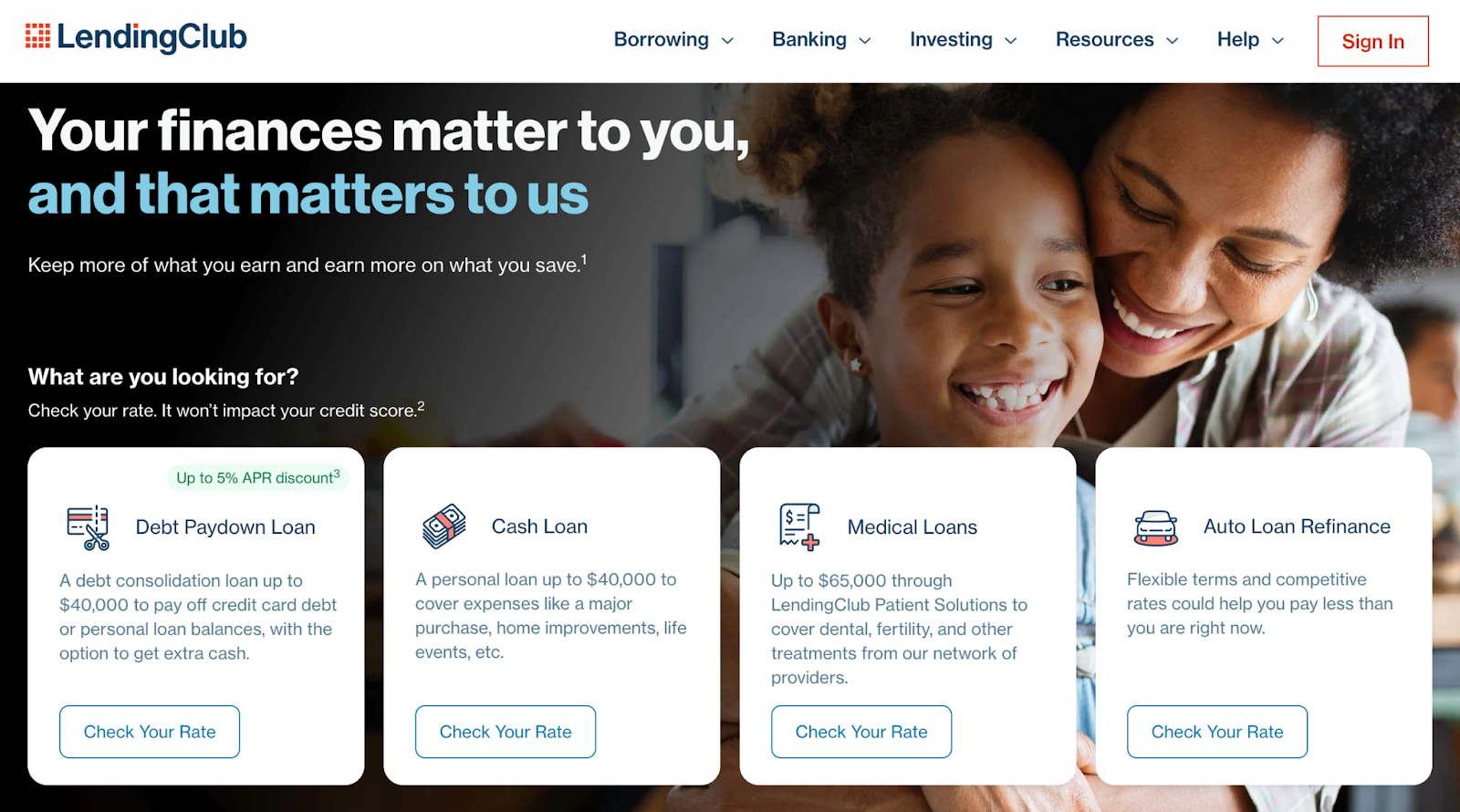
  • Loans up to $40K to consolidate credit card debt or pay off personal loan balances.
  • Personal loans of up to $40K for major purchases, home improvements, or life events.
  • Loans up to $65K through the LendingClub Patient Solutions program for treatments like dental or fertility care.
  • Options to refinance car loans with flexible terms and competitive rates.
  • Small business loans up to $250K.

On top of loans, LendingClub offers banking products like Rewards Checking and High-Yield Savings Accounts with competitive interest rates and benefits like cash-back rewards. LendingClub’s high-yield CDs provide another savings option if you want to grow your savings steadily.

And, LendingClub positions itself as a bank that “only wins when customers succeed.”

You might also like: 11 Alternate Ways for Entrepreneurs to Raise Capital

What Bank Does Lending Club Use? 

In February 2020, the LendingClub Inc. acquired and merged with Radius Bank, then re-launched under a self-branded title. This merger cut out the middle man, which was meant to lead to lower rates promised to bring high yields on new savings accounts. 

At the time, I had doubts about how much difference this would actually make, since Radius Bank and Lending Club’s previous banking servicer (Webank) offered similar savings account yields at 0.25% APY. Happily, I was proven wrong. 

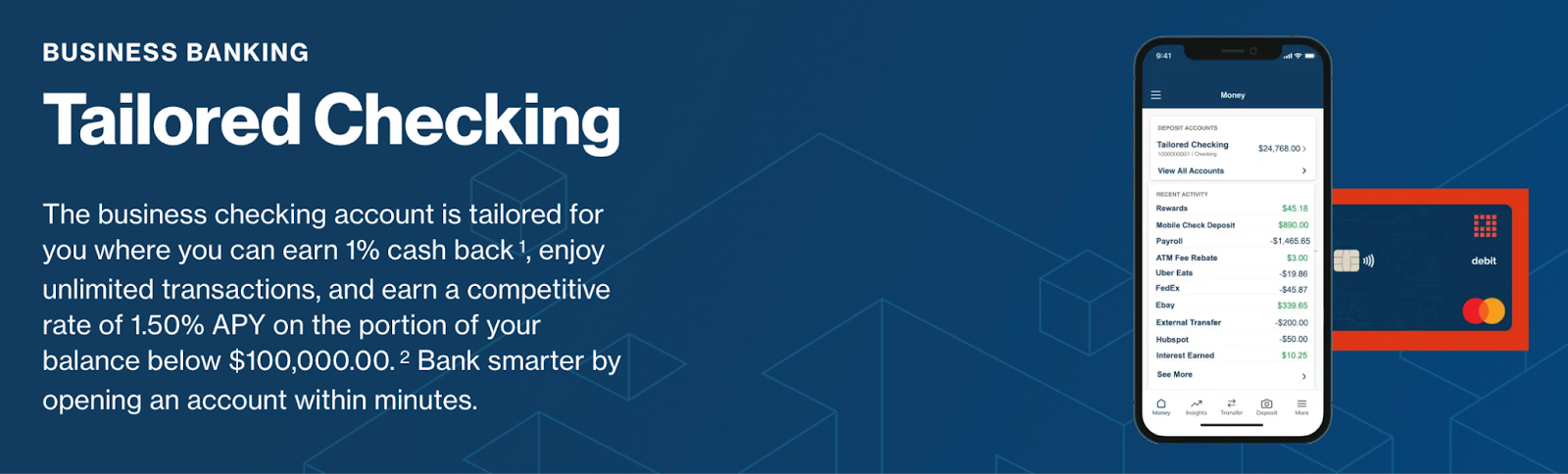
Lending Club now offers 4.8% APY to 5.15% APY on the full balance of LevelUp (personal) savings accounts. And, their Tailored Checking (business) accounts yield 1.5% APY up to $100K. 

lending club business loans review

Moreover, spending on Rewards Checking (personal) and Tailored Checking (business) accounts earn 1% unlimited cash back on spending. 

Recommended: 3 Best Credit Unions for Small Business Banking

Company Overview

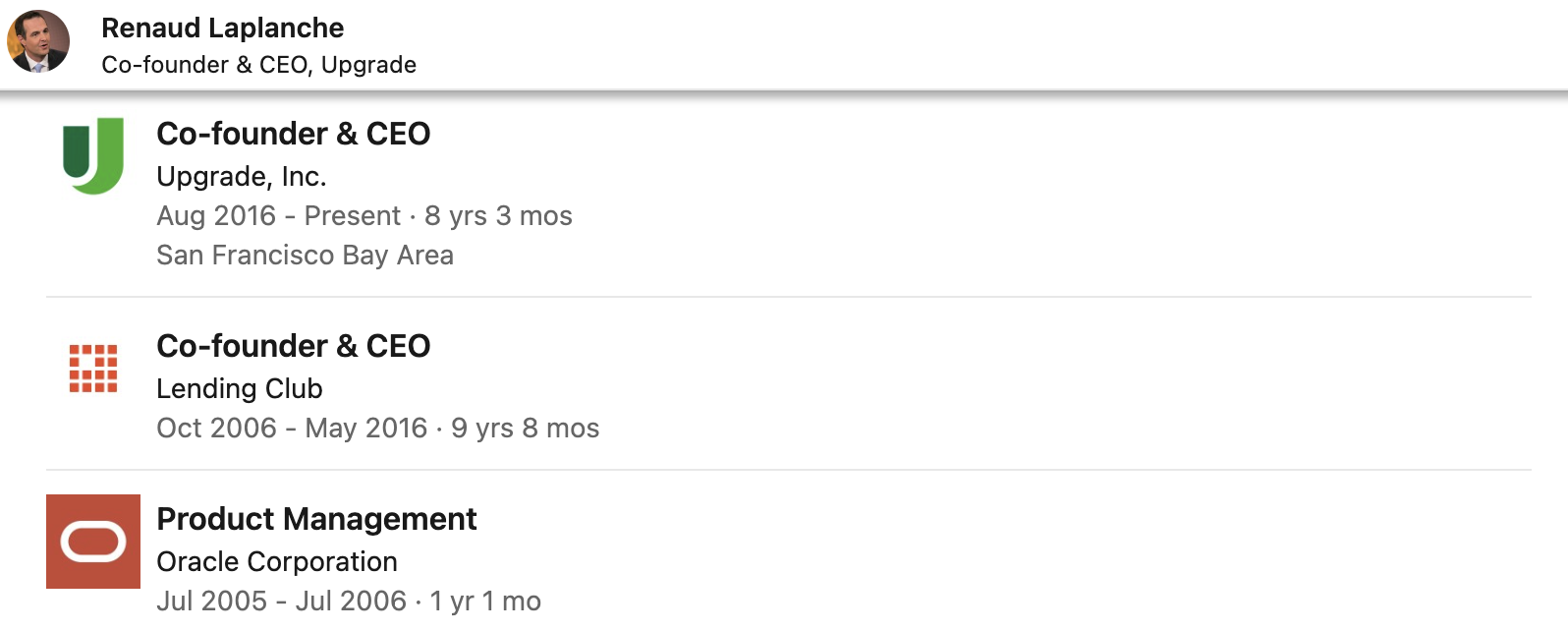
Lending Club, aka Lending Club Corporation, is a San Francisco-based company that was founded in 2007 by Renaud Laplanch, who is also the CEO & founder of Upgrade. Prior to launching two successful financial corporations ten years apart, he was a product manager at Oracle. 

lending club scam

Oracle actually acquired one of Laplanche’s earlier products, MatchPoint, in 2005. So, he likely temporarily took over product management of that segment of Oracle’s business after the acquisition and merger. 

Before his entrepreneurial ventures, Laplanche served as an associate at New York’s Cleary Gottlieb, a leading international law firm.

In May 2016, Laplanche resigned following what was labeled “improper decision-making.” LendingClub’s board stated that the resignation took place after Laplanche went against investors’ wishes in a multi-million dollar deal—This was commonly referred to as “the Lending Club scandal,” and made it sound like some sort of pyramid scheme gone wrong, which wasn’t the case. 

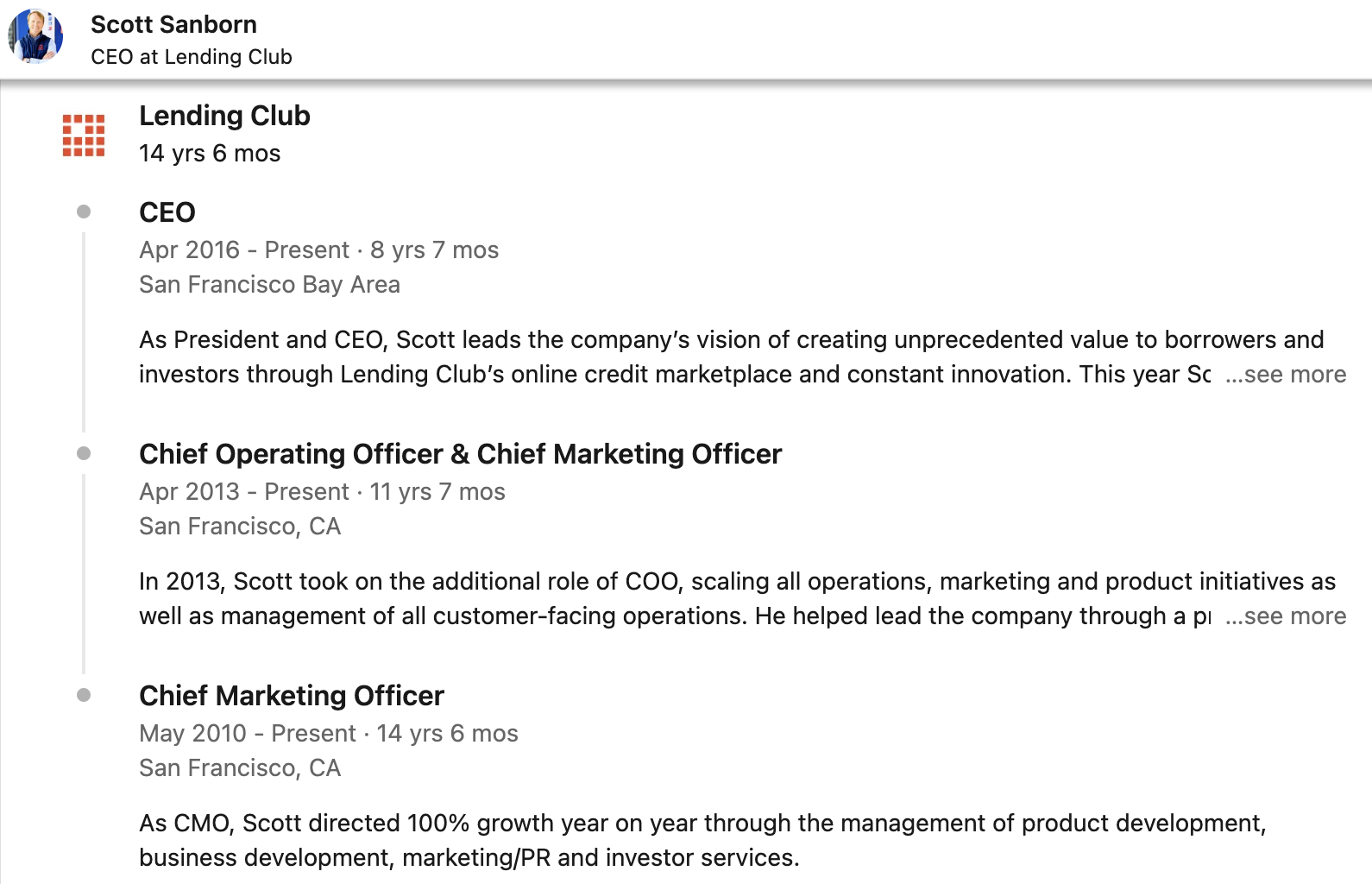
At that time, the COO/CMO, Scott Sanborn, took over as Lending Club’s CEO. 

lending club business loans review

Sanborn has a strong business and marketing background, having held high-level executive roles at Home Shopping Network (HSN), RedEnvelope, and eHealthInsurance prior to 2010.

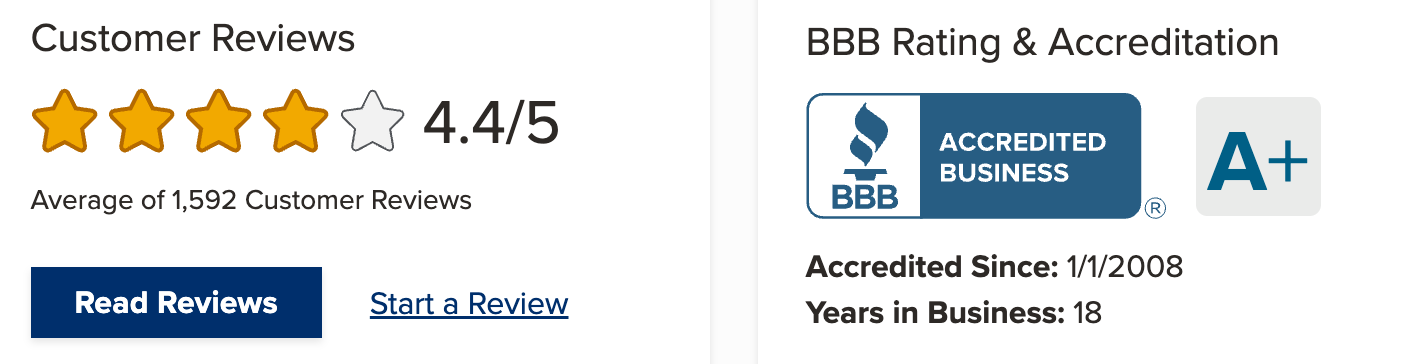
Today, Lending Club has an A+ Better Business Bureau (BBB) rating with 4.4 out of 5 average stars given and accreditation dating back to 2008. All of their 1,199 complaints in the last three years have been closed successfully. 

lending club small business loans reviews

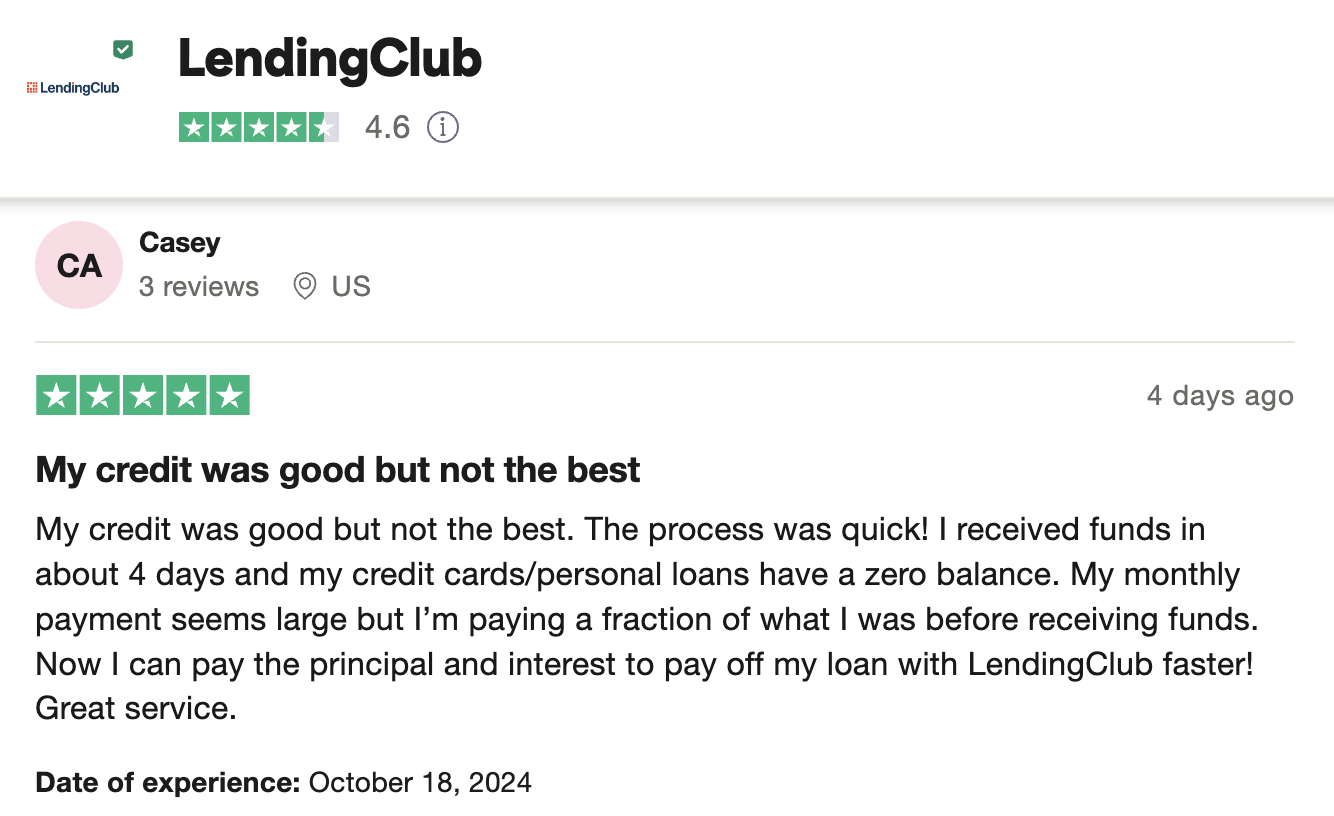
On Trustpilot, Lending Club’s TrustScore™ is 4.6 out of 5 (which is great for a financial offer). Customers praise its fast, easy loan process and “lower” interest rates. Positive reviews highlight efficient service and helpful customer support. Still, a small percentage report issues, mainly related to communication for investors and loan policies during the pandemic. 

lending club reviews

Overall, LendingClub is highly rated for quick funding and debt relief, though some users had isolated concerns.

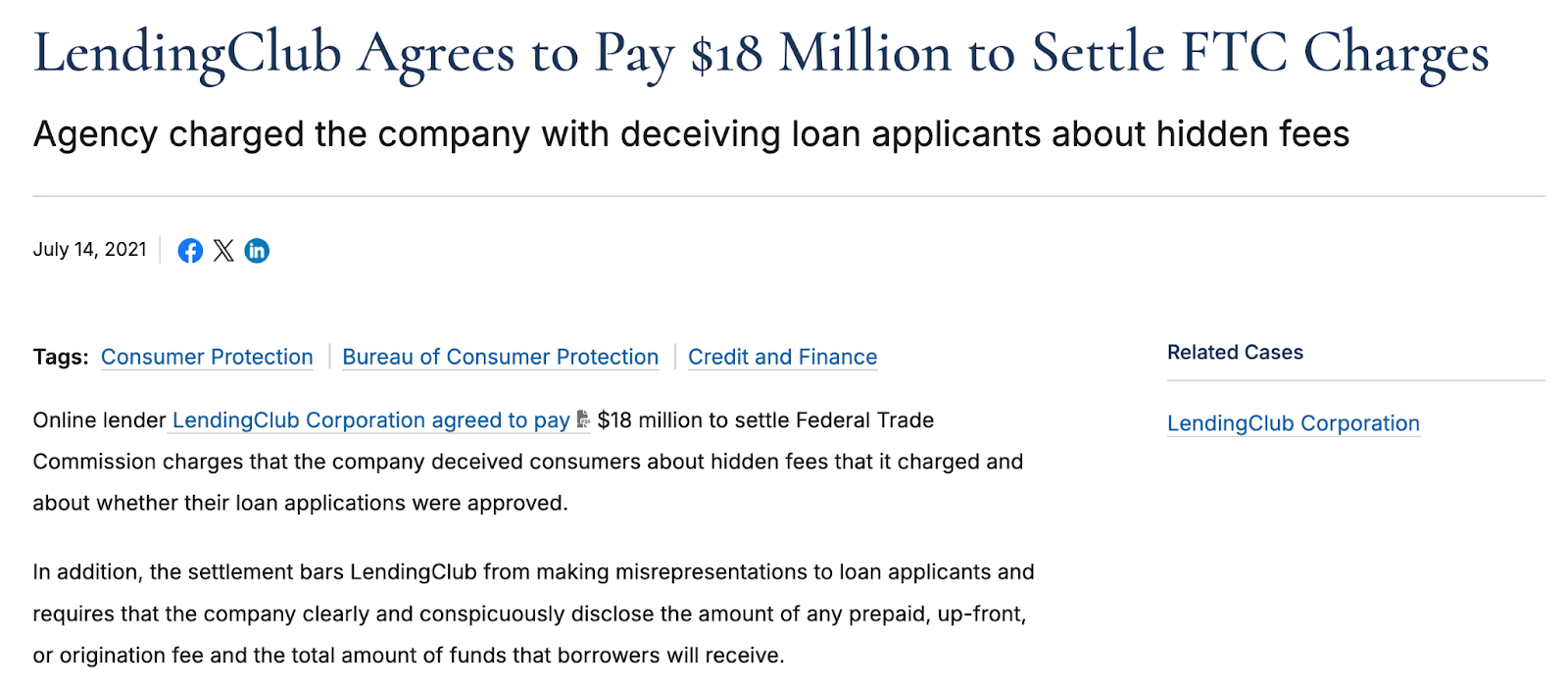
However, in 2018, Lending Club paid $18 million to settle FTC charges that alleged that the company included hidden fees in their loan processes. 

lending club scams

After this, Lending Club agreed to “clearly and conspicuously disclose the amount of any prepaid, up-front, or origination fee and the total amount of funds that borrowers will receive.” 

Since this incident, a lot of people still ask, ‘why is Lending Club shutting down?’ The answer is, it’s not. That was a rumor from the beginning.  

In all, it’s probably fair to say LendingClub has a generally positive standing but has faced serious issues with transparency in the past. But, they seem to have been addressed. 

You might also like: Is United Capital Source Legit? A Complete, Uncut Breakdown 

Lending Club Business Loans

does lending club offer small business loans

Lending Club small business loans and lending club SBA loans cater specifically to businesses. Their business financing offers higher amounts to qualified business owners than to consumers. So, let’s find out what you can expect and what you might qualify for. 

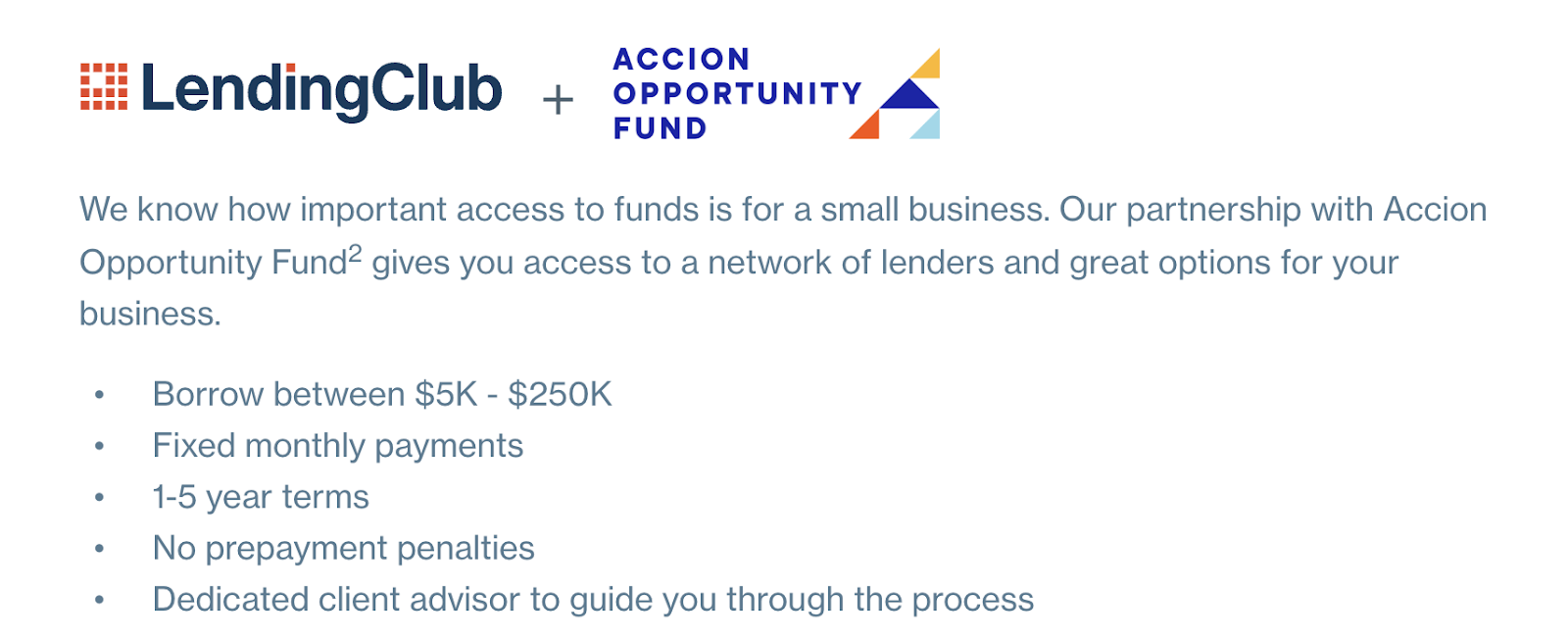
Note: Lending Club’s business loans are offered in partnership with Accion Opportunity Fund (a non-profit lender, that is also a driving force behind Skip’s small business grant offer). 

1. Loan Amounts from $5K to $250K

the lending club business loans

With Lending Club, your business can borrow between $5K and $250K, which can give you the flexibility to secure the right amount based on your business needs. This range covers a variety of financial goals, whether you’re expanding, covering expenses, or consolidating debt.

You might also like: Ramp Card Review: Is This the Corporate Card for You? 

2. Competitive Business Loan Rates

lending club business loans rates

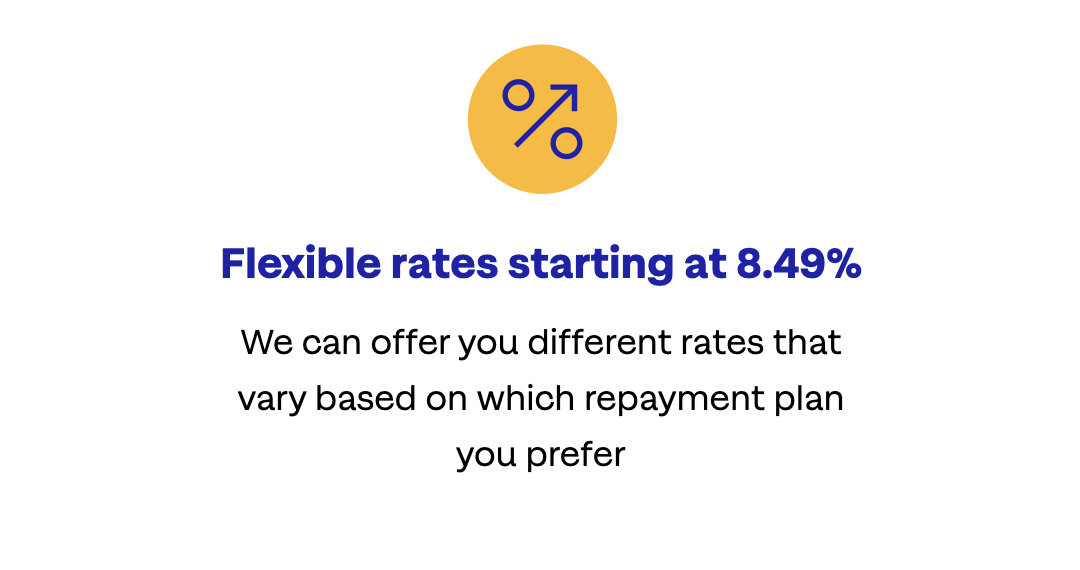
Lending Club’s business loan rates, through Accion Opportunity fund, actually start on, at 8.49%. According to the most recent data from the Federal Reserve as of November 2024, the typical interest rate for small-business bank loans ranged between 6.42% and 12.41%.

Note: Lending Club’s SBA loan rates (not what we’re talking about here) are based on the current prime rate. 

You might also like: No-Doc Business Loans: Get Funds Without Proof of Income 

3. Fixed Monthly Payments & No Prepayment Penalties

small business loans lending club

Fixed monthly payments provide stability and make it easier to budget for loan repayments. This predictability can help keep your business cash flow on track without unexpected changes to payment amounts.

If you’re able to pay off your loan early, there are no penalties—This allows you to save on interest costs if your business finances improve sooner than expected, giving you more control over total loan expenses.

4. Flexible Terms, Easy Application, & Quick Funding

how long does lending club take to approve

With term options ranging from 1 to 5 years, you can choose the repayment period that best suits your business’s financial strategy. Shorter terms mean less interest overall, while longer terms can make monthly payments more manageable.

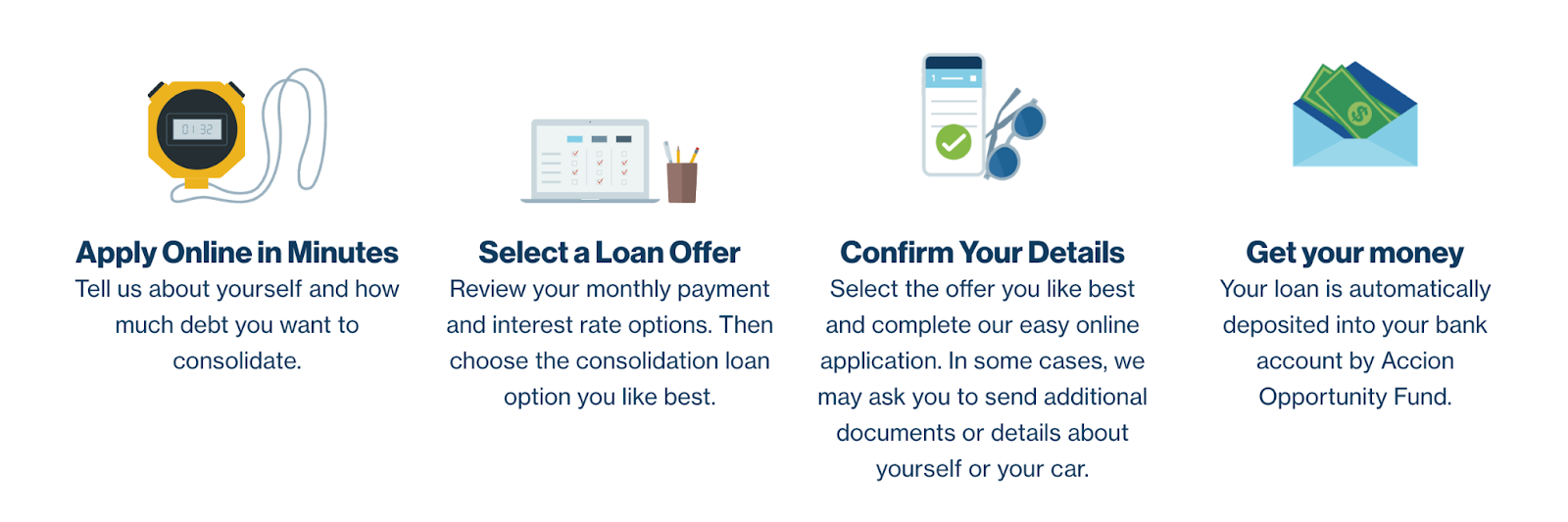
You can apply online in minutes, making the process quick and convenient. Once approved, Accion Opportunity Fund deposits the funds directly into your bank account, allowing you to access financing without delay.

How to Get a Small Business Loan with Lending Club

lending club business loans requirements

If you’re wondering how to get a business loan with Lending Club, the answer is uncomplicated.  

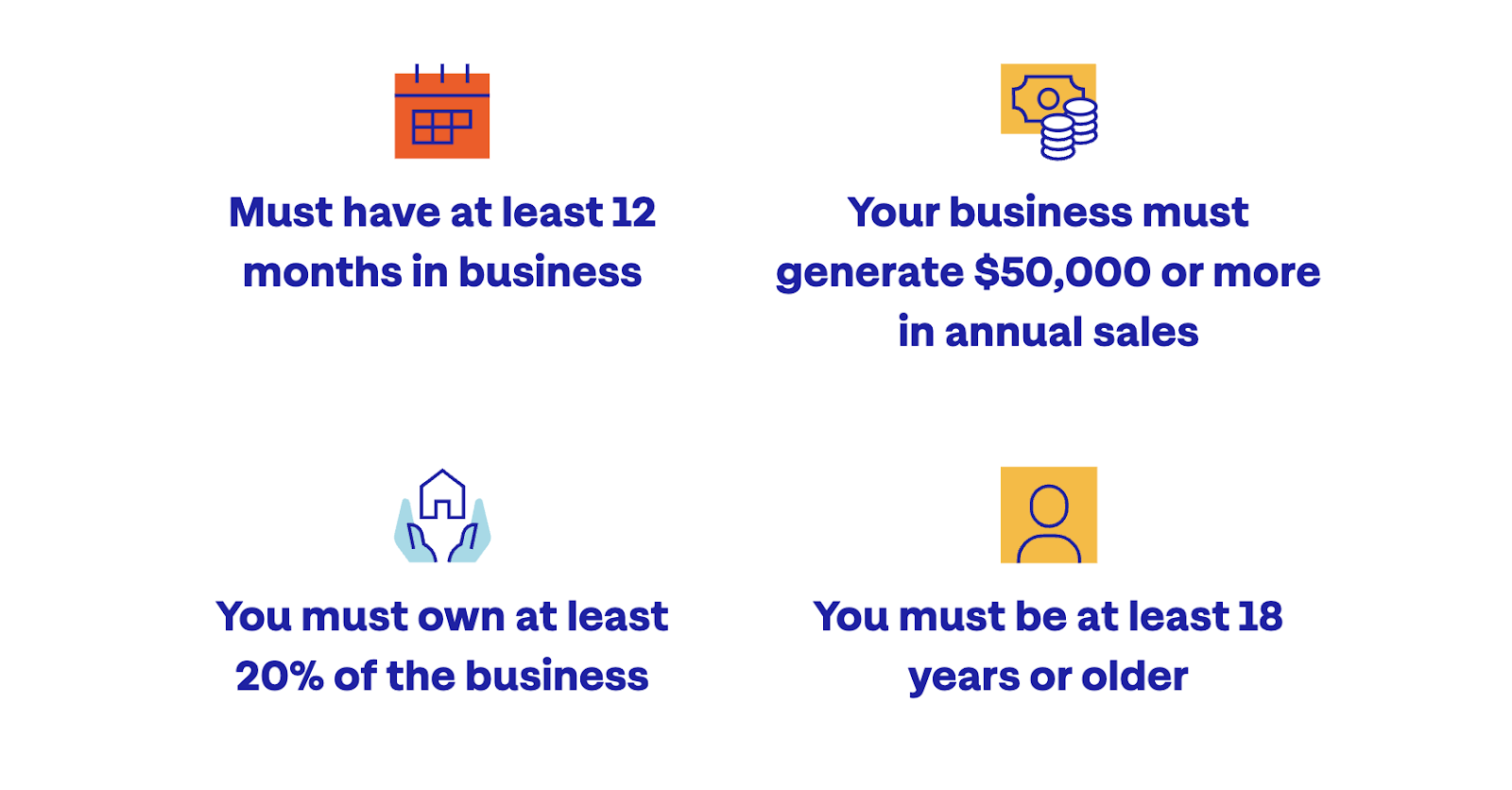
To qualify, your business needs to meet basic eligibility criteria:

  • 12+ months in business 
  • $50K+ in annual sales 
  • US-based company 
  • 20% or more ownership 
  • Consumer credit score of 600+

A lot of business loans that we review require at least 50% ownership for an owner-applicant to qualify. So, Lending Club stands out in this area. 

What credit score is needed for LendingClub?

While these loans appear to be issued based on the owner-applicant’s credit score, Accion Opportunity Fund is known to report business payment activity to Experian, Equifax, and Dun & Bradstreet—These are the leading business credit bureaus, so on-time payments can help you build your business credit score.  

You might also like: This is How to Leverage Business Credit to Transform Your Life 

Frequently Asked Questions

 Is it hard to get a loan through LendingClub?

LendingClub has flexible lending criteria, but you’ll generally need a good credit score, steady income, and a manageable debt-to-income ratio to qualify. Their process is straightforward, though approval requirements may vary.

Is LendingClub an actual loan company?

Yes, LendingClub is a legitimate online lending company that connects borrowers with investors for personal, business, and medical loans. They’ve been in operation since 2007.

Is LendingClub bank in trouble?

No, LendingClub is not currently facing any known legal or financial issues. The company has faced some challenges in the past, but it maintains high ratings on platforms like BBB and Trustpilot today.

Is LendingClub a safe place to put money?

Yes, LendingClub is generally considered safe for both borrowers and investors, with strong security protocols. However, as with any investment, there are risks, especially in loan investing.

Conclusion: Can Lending Club be Trusted?

As a borrower, LendingClub’s offer is legit, yes. The company is established and has grown to become a trustworthy funding source for personal loans, business loans, auto refinancing, and patient solutions. 

Through their partnership with Accion Opportunity Fund, you could qualify to get up to $250K in business credit if you and your business meet the qualifications. If you apply and don’t qualify for a business loan, Accion Opportunity will attempt to refer you to one of their partners to provide other resources. 

Are you ready to learn how to get up to $100K in business credit? Join Business Credit Workshop today! 

Read This Before You Hire a Business Credit Coach [Quick Guide]

September 16, 2021 By Joe

Business Credit Coach

You’ve probably landed here because you’re thinking about hiring a business credit coach. In most small business owner/startup scenarios, we recommend you do because business credit can help you obtain the working capital you need to improve, grow, and scale your operations. But, before you take the leap, you need to know a few things including alternative options and what to expect. 

Here, you’ll learn everything you need to consider before you hire a business credit coach. This is what’s covered: 

  • What is Business Credit?
  • What are Your Alternatives for Business Capital?
  • What is a Business Credit Coach and How Can They Help?
  • Frequently Asked Questions
  • Are You Ready to Pull the Trigger?

What is Business Credit? 

Business credit refers to a company’s ability to access credit cards, lines of credit, and loans. It is based on the business’ creditworthiness, which is typically determined by a business credit score. Business credit bureaus and business divisions within consumer credit bureaus measure business credit separately from personal credit. 

Recommended: This is How to Build Business Credit Fast [Step-by-Step Guide]

What are Your Alternatives for Business Capital? 

Most small US businesses are launched and operated using personal capital, which includes personal cash, savings, and credit. Business credit frees up more opportunities for growth. But, it’s not your only option. You should know what alternatives are available before you invest in something you might not necessarily need.  

So, here’s a quick list of your options and summaries of what each entails. 

  • Personal debt financing – A high FICO score through consumer credit bureaus can give business owners access to personal loans, lines of credit, and credit cards that can be used to fund business ventures. Funding amounts are typically lower than with business credit. 
  • Working capital loans & merchant cash advances – Short-term loans can be accessed through certain lenders based on business income or accounts receivable for urgent funding needs. Interest rates and fees are usually especially high. 
  • Venture capital (VC) & angel investing – Funding can be obtained through private investors and VC firms. In most cases, these investors take partial ownership over the business, or at least a share of future profits, in exchange for funding.  

Business credit is the only funding option (aside from reinvesting profits) that helps owners maintain freedom and control over their business with reasonable costs and is not limited by personal credit. 

What is a Business Credit Coach and How Can They Help?

Now, what do credit coaches do? A business credit coach will learn about your current financial situation and hear your struggles. They will help you set business credit goals and lay out a plan for you to achieve them. A good coach will then help you take the steps needed to get to the end goal and help you overcome any obstacles that you might encounter along the way.  

From establishing your business properly to getting business credit-ready and obtaining large lines of credit, capable business credit coaches know the ins and outs of the business credit world. They can help you ensure that you file the right paperwork, stay in compliance with regulations, and tell you when and how you need to take action. 

Recommended: 41+ Companies That Help Build Business Credit 

Frequently Asked Questions

Before we wrap up, let’s take a look at brief answers to some of the most common questions that I hear from my business credit coaching clients. 

  • Can you repair business credit? 
    • Yes, as with consumer credit, business credit restoration can help you improve your credit score and increase your business’ creditworthiness. 
  • Can you get business credit with an LLC? 
    • Yes, you can get business credit with an LLC or any other corporation. In some cases, you can get business credit with Sole Proprietorships, but we always recommend that our clients establish their company as a corporation. 
  • Can I use my EIN to apply for credit? 
    • Yes, many business credit applications ask for an EIN. We also teach how to actually get business credit with just an EIN. 
  • Is business credit linked to personal credit?
    • Yes, most (not all) business credit lenders require a guarantor who will be responsible to repay the debt if a business fails to do so. The guarantor on a business line of credit, loan, or credit card is usually the owner… but not always. 

Are You Ready to Pull the Trigger? 

At Business Credit Workshop, we’re not like some of the other coaches. There are a few ways that we go above and beyond for our clients. For example, we have a large database of thousands of local community banks and credit unions that offer business credit. And, we have interviewed every one of them. 

Next, we have a support system made up of Business Credit Workshop students and clients. In our network, those seeking business credit help each other out. Here, you can learn from real people who are actually seeing success.

Finally, we use a trusted 7-step process to get clients $500K+ in business credit without ever having to walk into a bank. If you’ve made it this far and you’re 100% certain that you’re ready to pull the trigger, complete your business credit coaching application today.

41 Companies That Help Build Business Credit [Beyond Net 30 Vendors]

August 2, 2021 By Joe

companies that help build business credit

Countless SMB owners and startups are on the hunt for companies that help build business credit. With a quick Google search, it’s pretty easy to find lists of vendors that report on-time payments to business credit bureaus. But, once these vendors are discovered, there’s not a ton of information that explains precisely how to leverage these vendors to improve your business credit score and obtain large credit lines. 

Surely, that’s what you’re looking for. The process of building business credit isn’t difficult, but it is complex and requires guidance. So, are there companies that can actually help you build business credit? And, where can you find them? 

Yes, there are — And, you’ve found the [ultimate] list! Here, you’ll find net 30 vendors, business credit coaching & services, and business credit monitoring companies that can help you build business credit. The companies listed here are dedicated to helping you establish, build, and procure business credit; they can play a crucial role in your credit building journey, if that’s what you’re after. 

Here’s what’s in-store: 

  • First, Learn About Net 30 Vendors [+List of 31]
  • Next, Business Credit Monitoring Companies
    • 1. Dun & Bradstreet’s CreditSignal™
    • 2. Experian Business
    • 3. Equifax Business
    • 4. Nav
    • 5. Credit Suite
  • Finally, Business Credit Coaching & Service Companies
    • 1. Credit Suite
    • 2. Fund & Grow
    • 3. LenCred
    • 4. Business Credit Builders
    • 5. Midwest Corporate Credit
    • 6. Business Credit Workshop (Me)

Get ready to find out exactly where to turn when you want to establish, build, and obtain large lines of business credit. 

First, Learn About Net 30 Vendors [+List of 31]

tier-2 business credit vendor

If you’re not familiar with net 30 vendors, they are merchants that allow you to essentially buy products and services now and pay later via business tradelines — typically 30 days later. In the business credit building world, you’re looking for companies like this that also provide the opportunity to have on-time payments reported to business credit bureaus. 

Companies like Staples and HD Supply can actually report on-time, net 30 payments made on behalf of your business to business credit bureaus. We have a list of 31 (and growing) companies that you can order products and supplies from, and pay on time to boost your business credit. You can find it here: Using 30 Day Net Vendors to Build Your Business Credit Score

Next, Business Credit Monitoring Companies

business credit builder

When building your business credit score, you’ll need to see what’s happening with your business credit report. In order to do this, you need to know which companies can help you monitor business credit. There are more than a handful of reputable brands who do just that.  

First, which business credit bureaus are used by lenders? The three top credit bureaus for business loans and lines of credit are Dun & Bradstreet (D&B), Experian Business, and Equifax Business. A couple of the following companies monitor reports from all three bureaus while the rest monitor reports from just one or two. 

1. Dun & Bradstreet’s CreditSignal™ 

D&B is the top business credit bureau. Most reputable lenders will use your D&B report to determine your company’s creditworthiness. Naturally, you can monitor your D&B credit score through D&B. While you can not monitor Experian nor Equifax reports and scores with these tools, I always recommend that businesses create an account and claim their business (once a company is business credit-ready, of course). 

Recommended: Dun and Bradstreet: How to Get a DUNS Number

2. Experian Business

Experian is another credit bureau that is dedicated to personal and business credit. Businesses can monitor their reports using Experian’s online business tools. This is pretty cut and dry. 

3. Equifax Business

Like Experian, Equifax is a credit bureau that monitors both personal and business credit. And, you can claim your business listing online when you want to monitor your business credit report. 

(Note: Transunion does not currently offer business credit monitoring.)

4. Nav

Nav is the tool I recommend my clients use for business credit monitoring. With their free tools, you can monitor business credit from all three credit bureaus: D&B, Experian, and Equifax. The company has both paid and free plans for all business credit monitoring needs. 

Recommended: Nav Review: A Company That Helps Build Your Business Credit 

5. Credit Suite

While the platform is not as robust as Nav, Credit Suite has a credit monitoring plan that costs $24 per month and empowers companies to monitor reports from all three business credit bureaus. The monitoring software is also available as a white label product for resellers. 

Read more about Credit Suite’s full offer below. 

Finally, Business Credit Coaching & Service Companies

build business credit in 30 days

Now, you’re ready for the meat and potatoes. These companies actually work one-on-one with you to establish and build your business credit score so that you can obtain the large lines of credit that your business needs. 

By the end of the programs, they might teach you how to build credit so that you can use the right tools and tactics to successfully apply for large business lines of credit. Others will help you secure funding through their partners. 

→ Recommended: Read This Before You Hire a Business Credit Coach

1. Credit Suite 

Yes, Credit Suite was already mentioned above as a credit monitoring company. But, monitoring is not their core service. In fact, Credit suite is a “consultation service” and software system designed to help businesses build credit. The system is also offered as a white label option for software sellers. 

For more information about costs and to read a full overview, read: Expert Weighs in on Credit Suite Reviews: Is the Service Worthwhile?  

2. Fund & Grow 

Fund & Grow is a consulting program designed to help small business owners, startups, real estate agents, and self-employed individuals build credit. The program seems to be very well organized and claims to help businesses with every step of the process from boosting their credit score through applying for a loan. They do charge origination fees.  

Recommended: Fund & Grow Facts: An Honest Business Funding Services Review

3. LenCred

LenCred is more of a funding acquisition partner than a business credit builder, but they offer financial reviews, education, and access to startup loans and working capital. All of their advisors are “FICO-certified.”  

Recommended: This is the Truth About LenCred’s Small Business Financing

4. Business Credit Builders

The first offer from Business Credit Builders is a free business credit building audio, which they value at $97. Their program teaches companies to be credit ready, separate personal and business credit, and build business credit reports and scores. The goal is to help you get lines of credit and cash loans. 

5. Midwest Corporate Credit

Midwest Corporate Credit caters to new businesses, established companies, and real estate investors. Their program helps clients get the funding they need and teaches them how to best use the capital to their advantage. In all, they’ve helped businesses secure over $250M in small business loans and lines of credit. 

6. Business Credit Workshop (Me)

Business Credit Workshop started as an in-person workshop to teach business owners how to build business credit the right way. Materials cover a comprehensive, seven-step process for establishing your business, getting business credit-ready, net 30 vendors, how to set up banking accounts, and applying for credit. Learn how to build business credit the right way. 

In our content and via our workshop and coaching, we share the answers to the following questions and more: 

  • How can I improve my business credit score? 
  • What credit score do I need to get a business loan? 
  • What is a bad business credit score? 
  • Can I build business credit without a DUNS number? 
  • How much should it cost to run a D&B report? 

If you’re not sure, find out if you should hire a business credit consultant.

→ And, if you’re ready to learn precisely how to obtain $100K in business credit in 30 days with NO origination fees, join Business Credit Workshop.

A Complete Torpago Business Credit Card Review

July 12, 2021 By Joe

Torpago Business Credit Card

Torpago is a newer player in the corporate credit card game. And, they’re starting to pick up some traction in the business credit world. So, we’ve decided to examine their corporate credit card offer under a microscope and share our findings so that you can decide if this is the right option for you. 

Here’s what we’re going to cover: 

  • What is the Torpago Business Credit Card?
    • Who Owns Torpago?
    • Torpago Business Credit Card Benefits
    • Torpago Expense Management Features
    • Torpago Customer Service
    • How to Qualify for a Torpago Corporate Card
    • Does Torpago Report to Business Credit Bureaus?
  • Competitor Overview: Torpago vs Divvy
  • Final Thoughts

Now, let’s get to it! 

Torpago
Torpago

Torpago is gaining momentum as a new corporate credit card.

Apply Now
We may earn a commission if you make a purchase, at no additional cost to you.
Lasso Brag

What is the Torpago Business Credit Card?

For those who haven’t heard of it, the Torpago Business Credit Card is a corporate credit card and expense management platform. Corporate credit cards like this are designed for companies with multiple employees to enable staff to use a line of credit on authorized spending. 

Torpago LinkedIn

When I first landed on Torpago’s website, it put me in mind of Divvy — both have a corporate credit line, expense management, and virtual cards among other shared features. You’ll see a side-by-side comparison of the two offers before we wrap up. 

Who Owns Torpago? 

Torpago was founded by Brent Jackson in October 2018. Before launching this company, Jackson worked as the Operations Manager at Accrualify for a year and as a Senior Consultant at Deloitte for nearly half a decade. Jackson has a strong background in the business and finance industry. 

Torpago Business Credit Card Benefits

In addition to 1% cash back on all spending, Torpago partners with other brands to deliver savings to their cardholders. So, if you use Quickbooks, Carta, Plastiq, or Doordash, and pay for these services with a Torpago card, you can get added discounts from 2.25% up to 40%. 

The company will likely continue to partner with more brands, so users will be able to access more markdowns on other future services (though, we’re not certain what those will be).  

As mentioned above, Torpago gives cardholders both physical and virtual cards. Physical cards are Visa credit cards that can be assigned to multiple staff members for each corporate account. Virtual cards are digital credit cards that can be assigned instantly without the need to wait for a physical card to arrive in the mail. And, both physical and virtual cards can be assigned to an unlimited number of staff members (as long as the credit limit is not exceeded). 

Automated expense tracking is another highlight that should get account holders excited. Each time a Torpago card is ran, data is sorted, synced, and accounted for. So, ideally, manual expense reports are eliminated.

Since the company is new, you can probably expect to see more future benefits. 

Torpago Expense Management Features 

One of the highlights of Torpago’s expense management platform is that it integrates with four other financial management platforms. 

  • Quickbooks Online
  • Oracle Netsuite
  • Financial Force 
  • Acumatica

So far and to my knowledge, no other corporate credit line and expense management platform has this many integrations (aside from maybe Stripe). 

Torpago Customer Service 

I did call the Torpago customer service number to ask if they have plans to add Quickbooks desktop to their integrations list. On that note, the Torpago phone number was a bit tricky to track down. If you are looking for it, they can be reached at 1 (650) 623-5429. 

I was disconnected the first time I tried calling in, but only spent a few seconds on the phone. The second time I called, I was told that I was the next caller in line. There was an option to leave a voicemail, which I didn’t take advantage of. 

After about 12 minutes of holding, I opted to reach out via the instant messaging option on the Torpago website. The reply time was advertised to be “under 6 hours.” I left my email address in the chat box (1:21 pm) and went back to what I was doing. 

I only ended up waiting 20-30 minutes for the first reply, but I still had more questions — I should have asked everything in one swoop. The user answering my questions was named Brent (I assume it was the founder himself, which leads me to believe the company is still very small). 

By the next morning around 10:30 am, all of my questions had been answered.

How to Qualify for a Torpago Corporate Card

If you are ready to try to obtain a Torpago corporate credit account, first look over the qualification terms. First of all, only US registered companies (sole proprietors, LLPs. LLCs, S-Corps, or C-Corps) can apply. So, if your company isn’t organized, you won’t be able to get a credit line. 

Next, you need an EIN and business checking account. Your account will be linked to the Torpago platform to verify businesss income. At this point, Torpago wants to see your monthly business income, but they do not publicly state the amount needed to qualify. My assumption is the higher the better… I wouldn’t apply without at least $10K in documented monthly revenue. 

Finally, you must not participate in prohibited activities. 

  • Sale of Schedule-I or Schedule II-V controlled substances without a pharmaceutical license
  • Production, sale, or distribution of marijuana, guns, ammunition, or other weapons
  • Gambling, betting, lottery, sweepstakes, or games of chance
  • MLM, cryptocurrency, counterfeit products, escort services
  • Professional services including law and consulting

See the full explanation in the above link if you aren’t sure or your business tends to fall into a gray area. Torpago seems to be designed for tech startups, but many other businesses can still qualify for an account. 

Does Torpago Report to Business Credit Bureaus? 

Most of my students and clients want to know if Torpago reports to business credit bureaus like Dun & Bradstreet. The reason this is important is because when on-time payments are reported to credit bureaus, it has a positive effect on a company’s business credit score.  

According to Torpago, on-time payments are reported to business credit bureaus. This is good news for anyone looking to build their business credit score. 

Recommended: This is How to Build Business Credit Fast [Step-by-Step Guide]

Competitor Overview: Torpago vs Divvy

Both Torpago and Divvy are free corporate lines of credit that require no personal guarantee, a rare offer. And, while they share these commonalities, they aren’t one in the same. Below are the key differences between the two offers. 

Torpago vs Divvy

If you’re interested in one of these credit lines because of the automated expense management, you might look at available integrations. For now, Torpago is the clear winner on this front if you use either Financial Force or Acumatica. However, Divvy currently offers the best rewards by a long shot. 

Learn about corporate card offers from Ramp, Amazon, Brex, Stripe, and Divvy. 

Final Thoughts

While Divvy has a similar offer with higher rewards, a more established partner base, and a more robust customer service team, Torpago is still a new player and has plenty of time to catch up. While I might not recommend applying for this credit line above other contemporary corporate offers, I wouldn’t rule them out as a legit and convenient option for business cash flow management.

If you want to learn how to obtain $100K in business credit in 30 days, join the Business Credit Workshop today. 

Capital on Tap Review: Is This Business Credit Card Any Good? 

June 18, 2021 By Joe

Capital on Tap

Since March 2021, when the U.K.-based company launched their U.S. business credit card, Capital on Tap has been a hot topic for business owners looking to obtain funding. They’re offering business credit lines up to $50K with cashback on all purchases. Sounds enticing, right? But, should you hop on this train or explore other options? 

Business Credit Card - $100 sign up bonus

Apply now - takes 2 minutes and it will not impact your credit score. Your Capital on Tap business credit card will arrive within 4 days of approval!

Apply Now
Lasso Brag

We’ve done the research so that you don’t have to. 

Here’s what’s in store:

  • Company Overview
  • What is a Capital on Tap Credit Card?
    • Capital on Tap Requirements
    • Capital on Tap Credit Card Card Overview
    • Capital on Tap Complaints
  • Capital on Tap Competitor Overview
  • Frequently Asked Questions
  • Conclusion: Is Capital on Tap Legit?

Now, learn everything you need to decide if the offer is right for you. 

Company Overview

While the name sounds like an offer that could be akin to Capital One, the two companies are unrelated.

Capital on Tap is a subsidiary of New Wave Capital Limited, based in London (incorporated in Whales and the U.K.). The company was founded in 2012 by David Luck, George Karibian, and Jan Farrarons. Prior to starting Capital on Tap, Luck was part of the operations group at a venture capital company called KKR Capstone. 

Karibian and Farrarons also co-founded Dojo in 2009 and Judopay in 2012. Karibian is a serial entrepreneur who founded a couple of other companies prior to 2009. Both Dojo and Judopay are, to this day, successful payment processing companies. 

Who owns capital on tap?

Now, Capital on Tap credit cards for U.S. cardholders are issued by WebBank, headquartered in Salt Lake City, Utah. Originally founded in 1997, the company was acquired by Steel Partners Holding Corp. 

What is a Capital on Tap Credit Card? 

A Capital on Tap business credit card is a line of credit geared toward small businesses. In the US, They offer lines of credit up to $50K with 1.5% unlimited cashback on all spending. They boast that you can apply for a line of credit in as little as two minutes and get approved within 48 hours. 

Capital on Tap login

Despite some rumors, a Capital on Tap card does require a personal guarantee. So, if the business fails to pay the revolving debt as agreed, the individual/applicant will be responsible for the repayment. Business credit cards with no personal guarantee are actually very rare. 

Recommended: Here’s How to [Actually] Get Business Credit With Just an EIN +More Options 

Capital on Tap Requirements

If you’ve made it through the benefits overview, and this sounds like the card for you, let’s make sure you’re in a position to qualify for the offer.

Here’s what you need to have: 

  • Be the Director of or own at least 25% of your company
  • Business based in the U.S. 
  • Business annual revenue of at least $30K 
  • Good personal FICO credit score 

While Capital on Tap doesn’t broadcast its credit requirements, applicants with a score of 670 seem to be preferred. So, your odds of qualifying will increase with your FICO score.  And, these requirements are actually fairly lax. 

Capital on Tap Card Card Overview

Capital on Tap credit card

Before you think about applying, why would you want to? Capital on Tap has features and benefits that, when compared to other offers, will help you make a decision about whether or not this is the right card for you.

  • Unlimited Cashback – 1.5% cashback on all spending
  • Instant Rewards Redemption– Cashback redeemed instantly to help repay your card balance
  • Competitive Credit Limits – Credit lines as high as $50K
  • Fee-Free – No foreign transaction fees or ATM charges 
  • Free Employee Cards – Unlimited, free cards for employee spending
  • Spend Management – Budgeting tools to monitor employee spending 
  • No Annual Fee – Restrictions apply

While you can avoid interest “if you pay your balance in full each month,” actual interest for Capital on Tap cards ranges from 9.99% to 34.99% APR. 

Furthermore, while there is no initial fee for ATM use, your interest rate may increase when you pull cash from your balance at an ATM. 

Now, the Capital on Tap mobile app does have a 4.9-star rating in the iOS marketplace, which is impressive, as it outshines some of the biggest banks. 

Capital on Tap app

If you use the app, you’ll be able to make card payments, manage your cards and rewards, create virtual cards, and view transactions. 

Capital on Tap Complaints

All business funding options come with their fair share of complaints. So, what do the people say is wrong with Capital on Tap’s offer? Only a small percentage of Trustpilot reviewers have had a bad experience. Here’s a summary of what unsatisfied cardholders and others don’t like. 

  • High interest rates
  • Poor customer service 
  • Excessive junk mail
Capital on Tap reviews Reddit

Note that most complaints mention the company’s advertising in one way or another — most do not mention the actual product. Keep in mind that financial “pre-approvals” are rarely a guarantee that you will qualify for a funding offer. 

Capital on Tap Competitor Overview

Capital on tap is popularly compared to Amex and Capital One’s business credit card offers. So, let’s take a look at how they stack up side-by-side. For this case, we’ll compare the Capital on Tap Founder Rewards Card with Amex Blue Business Cash and Capital One Spark Business Cash specifically. 

CashbackAnnual FeeIntro OfferAPRFX Fees
1.5%$0$200 w/$15K Spend in 3 Mos9.99% to 34.99%0%
2% for 1 Year
1% Ongoing
$0$250 to $500 w/$5K to $10K Spend 3 Mos13.24% to 19.24%2.7%
2%
$95
$500 w/$4.5K Spend in 3 Mos

Deferred Annual Fee
20.99% Variable0%

All of the cards come with their own set of pros and cons. For example, a Capital on Tap card comes with the lowest possible interest rates (9.99%) on regular spending, but can also be the highest (up to 34.99%). Spark Business Cash and Amex Blue Business offer the best introductory offers (Up to $500 with qualified spending). And, neither the Founder Rewards card nor the Amex Blue Business card will charge an annual fee. 

You’ll need to decide which features are most important to you. 

Frequently Asked Questions

What credit score do you need for capital on tap?

Capital on Tap has no set credit score requirement, but applicants with a score of at least 670 have a higher chance of qualifying. 

Is capital on tap a soft pull?

Yes. While a Capital on Tap card does require a personal guarantee, the credit pull is soft, so it will not impact your personal FICO score to apply. 

Does capital on tap require a personal guarantee?

Yes. If your business fails to make payments to Capital on Tap, you will be personally liable for the debt. 

Is capital on tap a charge card?

No. Capital Tap is a credit card, with a revolving line of credit. 

Which credit bureaus does Capital on Tap report to?

Capital on Tap reports payment history to Experian business.

Business Credit Card - $100 sign up bonus

Apply now - takes 2 minutes and it will not impact your credit score. Your Capital on Tap business credit card will arrive within 4 days of approval!

Apply Now
Lasso Brag

Conclusion: Is Capital on Tap Legit? 

From what I can tell, the Capital on Tap offer stacks up well against the competition and offers some decent benefits for a business in the right position. As you know, it’s not your only option. While it’s not my absolute favorite business credit card, it’s definitely one that I refer a lot of my coaching clients to check out. 

If you want to learn how you obtain $100K in business credit in as few as 30 days, join Business Credit Workshop today.

Trade References: Learn Everything You Need to Know [+Templates]

June 17, 2021 By Joe

Trade References

If you apply for a line of credit for your business, there’s a chance that you’ll need to share a trade reference with the lender. Or, if you’re a vendor, you might be asked permission to be listed as a trade reference for one of your business customers. Even more, if you extend a line of credit to one of your business customers, you may want to ask them to provide you with a trade reference. So, what are trade references and what all do they entail? 

If you’re clueless on the subject or just need a bit more information, we’re here to help. Let’s explore the fundamentals of trade references so you can gain a clear picture. Here’s what we’ll cover.  

  • What are Trade References?
    • What is an Example of a Trade Reference?
    • How are Trade References Used?
      • How Can You Report Trade References to Dun and Bradstreet?
  • Trade Reference Templates
  • Final Thoughts

Now, let’s get to it!

What are Trade References? 

Trade references meaning

A trade reference or credit reference is a professional testimonial from a vendor or supplier on behalf of a business customer to vouch for that business’s reliability. In most cases, trade references are required or recommended on business financing applications as a form of documentation of the company’s ability to pay debts on-time, as agreed.  A positive trade reference can make all the difference in a successful financing application. 

And, a trade reference request is a solicitation for a trade reference from a vendor. For example, a supplier that has received on-time payments from a business customer each month might be asked by that customer to provide a trade reference that outlines the company’s payment history. The business customer could then use the reference on an application for a term loan, line of credit, or credit card. 

A trade reference is comprised of seven parts: 

  1. Business Contact Information – Legal business names, addresses, and phone numbers for the vendor and the client/customer involved. 
  2. Reporting date – AKA “as of date,” the reporting date is the date that the reference is collected.  
  3. Manner of payment – Details whether payment was made via cash, check, debit, or credit card. 
  4. Rolling, 12-month high credit – Indicates the highest amount of credit used in the past 12 months when applicable. 
  5. Current total amount owing – Denotes the amount owed to the vendor ass of the reporting date. 
  6. Current total past due – Identifies when an amount owed is unpaid past the agreed-upon date of payment. 
  7. Selling terms – Outlines the payment agreement including payment amount, due date, and net terms. 
  8. Date of last sale – Reveals the last time a service was rendered or order placed. 

Business credit bureaus want to see everything above 

What is an Example of a Trade Reference? 

You might think of companies that you pay monthly utilities to as decent references for your creditworthiness. However, when it comes to business financing, you’ll get more klout from vendors and creditors within your industry. For example, if there is a company that supplies your business with funding, operating materials, or services, they might make a good trade reference — even better if they allow you to “buy now and pay later.” 

You can get trade references from any company that allows your business to pay for supplies or services at some point after delivery. By doing busines with these vendors and paying as agreed, you can collect references that help you establish your credit. 

Some net 30 vendors, suppliers that offer 30-day net payment terms on business orders regularly report payments to business credit bureaus under certain conditions. We’ve reviewed some of them, including how to get the most out of their offers: Summa Office SuppliesCrown Office SuppliesHome Depot Business AccountAmazon Corporate Credit Line

How are Trade References Used? 

On a credit application, a trade reference can help showcase a borrower’s reliability when no business credit score has been established. In this case, a trade reference can be attached to the original application. 

Another way to use trade references is to manually request them from vendors and report to D&B and other business credit bureaus. This helps establish a high business credit score, accessible by any lender who looks at your profile. 

How Can You Report Trade References to Dun and Bradstreet? 

Dun and Bradstreet (D&B) is the leading business credit bureau. To build your business credit score, you will need to first request a DUNS number. After your business credit profile has been established (or claimed), you can work to build credit and increase your business credit score. 

One step you can take to improve your score is to manually submit trade reference letters from vendors that you do business with. There are some companies that you can not manually submit trade reference letters from: 

  • Companies that already report to D&B (most major lenders and some 30-day net vendors)
  • Companies without a D&B credit profile
  • Companies that have been prohibited by D&B for untrustworthy activity
  • Companies outside the US
  • Companies with legal ties to your business
  • Companies with internal rules against D&B reporting 

Before you manually submit a trade reference, you will need to send a trade reference request to your vendor. Include a trade reference template that asks for all of the required information for quicker reciept. 

After you have a reference to submit, you will need to upgrade your D&B account to a paid CreditBuilder™ account. With this account level access, you can submit trade reference letters online or through your account concierge. 

Note that a paid D&B account is NOT necessary to build business credit. There are many things you can do to build business credit fast, without paying for expensive subscriptions from credit bureaus or monitoring services. This is exacly what we teach in our Business Credit Workshop. 

Trade Reference Templates 

When you need to request a trade reference from a vendor, you’ll need a trade reference request letter and a trade reference template that the vendor can fill out. Feel free to alter these for your needs: 

  • Trade reference request letter.pdf
  • Trade reference template.pdf

Final Thoughts

A trade reference provides potential lenders and credit bureaus with more information than they are able to find via algorithms and search engines. These references can be invaluable for a business that is just starting its credit-building journey. If you want to learn how to get $100K in business credit in 30 days, join Business Credit Workshop today. 

A Deep-Dive National Funding Review: Should You Accept an Offer?

May 23, 2021 By Joe

National Funding Review

If you run a business and you’re in the market for outside capital, you may have received a National Funding offer in the mail (perhaps for “up to $300K” with a piece of cardboard that resembles a credit card) or seen an ad online. At first glance, it probably sounds enticing or at least mildly interesting. But, you need to know more before you take a leap and get your company or yourself into the wrong kind of debt. 

Here, we’re always on the lookout for small business funding opportunities and want to give you the most honest, unbiased information you can find about your options. While National Funding has been around since 1999, we haven’t done a deep dive analysis on their loans and financing offer… until now. Today, let’s explore everything you need to know about the lender so you can decide if they’re right for you! 

Is National Funding legit? Here’s what we’ll cover: 

  • What is National Funding?
    • Who Owns National Funding?
    • Does National Funding Report to Credit Bureaus?
    • How to Qualify for a National Funding Loan
  • Small Business Funding Offer Overview
    • 1. Small Business Loans
    • 2. Business Loans for Bad Credit
    • 3. Equipment Financing & Leasing
  • Conclusion

Now, let’s get to it!

What is National Funding? 

National Funding, Inc. is a privately-held small business debt-financing lender based in San Diego, California. They’ve been around since 1999 and you’ll find 72 National Funding reviews in a Google search, so they’re reputable. Business owners trust them for what they offer. But, not every lending offer is the right fit for every situation.  

At this institution, there are three core funding offers: 

  1. Small business loans
  2. Business loans for bad credit
  3. Equipment financing and leasing

When you see a company offering any type of financing for bad credit, it’s wise to be discerning. In fact, I always recommend business owners educate themselves on how to repair their credit before getting into “bad debt” since it’s not as difficult as most people assume.  

You might also like: Torro Business Funding Review: Is This “Zero Hassle” Offer Legit?

Who Owns National Funding? 

National Funding was founded by Dave Gilbert. Gilbert has been with the company for over 22 years and acts as the present-day CEO.  

national funding scheme reviews

According to LinkedIn, Gilbert launched the company just two years after graduating from USC Marshall School of Business where he received his BS in Entrepreneurship. He is a financial supporter of several sports-related charities, essentially sponsoring local teams. 

Does National Funding Report to Credit Bureaus? 

Other than on their blog, National Funding doesn’t mention any credit bureaus on their website. Nor could we find any lendees to tell us whether or not they report. So, as of today, no, National Funding does not report on-time payments (or poor payment history, for that matter) to credit bureaus. 

Low-interest, legitimate business credit is typically based on a credit score. Sometimes lenders use a founder’s FICO score while others use a business credit score from a reputable business credit bureau like D&B to determine a business’ creditworthiness. It doesn’t seem like that’s the case with National Funding’s business loans for bad credit. 

How to Qualify for a National Funding Loan

If National Fundings’ creditworthiness is not necessarily based on a credit score, it has to be based on something else. You can get business funding in as little as 24 hours after approval with full documentation of three-months’ business bank statements, which will determine your loan amount. 

When you apply on the website, you’ll be asked to provide some contact information as well as your annual gross income. If you received an offer in the mail, you’ll be asked to share your invitation number (probably to track marketing efforts). 

Apply for a national funding loan

Once you submit your info, you will be redirected to the application process where you will first be asked for your personal FICO score. 

If your income is above $12.5K per month, you can continue with the application process. 

And, if your income is less than required, but your FICO score is above 650, you will be redirected to “apply for a credit card” with Eve Financial. Eve Financial is a newer company that essentially processes your information and matches you with a lender. National Funding likely gets a commission from every loan approved through the platform. 

Now, back to the National Funding application process. If your income qualifies you, you’ll be asked to share more information. You’ll also be opted in to receive text messages if you don’t uncheck the box to revoke permission, so read carefully as you proceed. 

The National Funding website will generate some forms for you to sign electronically. This only takes a few moments before you will be asked to prove your business income by uploading electronic business bank statements. If you have enough revenue, you’ll qualify. 

Small Business Funding Offer Overview

If your business generates $12.5K or more per month and you’re still reading, it’s important to look at what kind of funding you might qualify for. Here’s a closer look at the three funding offers from National Funding. 

1. Small Business Loans

Essentially, a “small business loan” through National Funding is a working capital loan or cash advance, intended for short-term needs. Your debt will be repaid through a percentage of each ACH transaction through your credit card processor, which is how they can use business income alone as a qualifying factor. 

In the case of National Funding, you can expect a pretty hefty “flat fee,” also paid as a percentage of each transaction and in addition to any processing fees.

2. Business Loans for Bad Credit 

National Funding’s “business loans for bad credit” are essentially the same a the small business loans but with higher fees. Instead of looking at your credit, the company examines your income. Your fees will be higher than with more traditional business financing. 

National funding ignite reddit

If you feel like you won’t qualify for a more traditional funding option like a term loan, line of credit, or credit card, and you’re in a pinch, companies like National Funding do have money to offer. 

Recommended: Credit Secrets Book Review: Can You Erase Bad Credit History? 

3. Equipment Financing & Leasing

Finally, National Funding offers equipment leasing and financing. Essentially, if a piece of equipment breaks and you need it to operate, you can use a lender like this to help you replace it. In this case, funding could be necessary fast and it wouldn’t be a bad idea to pay a higher flat fee to keep your doors open. 

Disclosure: In addition to these three funding options, National Funding advertises “merchant cash advances,” “working capital loans,” “unsecured business loans.” They also target specific industries like construction, commercial trucking, agriculture, medical practice, landscaping, and senior care. Their offers are almost the same across the spectrum, unchanging by title.

Recommended: How a Trucking Company in Snellville, GA Got Over $200K in Businesss Credit

Conclusion

If you have poor credit, an immediate business need, and your revenue is at least $12.5K per month, National Funding might be right for you. The company has been in business long enough to prove that they’re legit. However, I almost never recommend a business owner apply for this type of funding. Instead, learn how to qualify for better funding options through business credit coaching. 

National Funding themselves talk about trade credit, business credit scores, and building your business credit score. I commend them for it, but recommend you steer clear unless you are facing an emergency. There’s a better way. If you want to learn how to qualify for $100K in business credit in 30 days, join Bussiness Credit Workshop today.

Ramp Credit Card Review: Is This the Corporate Card for Your Business?

April 28, 2021 By Joe

Ramp Card Review

If you’re on the hunt for the best funding and cash flow options for your business, traditional banks may not be your best bet right now. Lately, we’ve been writing about some of the most popular, alternative corporate card offers. When researching the top credit cards for startups, Ramp (a fairly new player in the game) ended up near the top of the list. While we weren’t surprised, that’s when we realized we should take a closer look and share our findings. 

This is what we’ll cover here: 

  • What is a Ramp Card?
  • How Can Ramp Help You Save?
    • Unlimited Staff Cards With Smart Spending Limits
    • Zero Fees & 1.5% Cash Back on Spending
    • $175K in Ramp Partner Rewards
  • Will You Qualify for a Ramp Corporate Credit Card?
  • How Does the Ramp Card Stack Up Next to Competitors?
  • Conclusion

Read on to learn more. 

What is a Ramp Card? 

A Ramp card is a corporate credit card designed to help businesses save money. By offering a free corporate card with rewards.

Ramp, aka Ramp Financials, aka Ramp Business Corporation, was co-founded in 2019 by Eric Glyman, Gene Lee, and Karim Atiyeh. All three co-founders main current C-level management positions at the company.  

Ramp credit card Crunchbase

While the company hasn’t been around as long as some of its competitors, the leadership team has notable experience in the financial industry. CEO, Eric Glyman, and CTO, Karim Atiyeh, also co-founded Paribus, where current CPO, Gene Lee, was a software engineer. Paribus was acquired by Capital One, where the trio stayed on staff until they launched Ramp. 

 Recommended: 7 Best Cash Back Corporate Cards to Explore

How Can Ramp Help You Save? 

In my opinion, Ramp rewards rank up there with the Brex card and other corporate credit cards. Here’s a summary of what you get if you go with Ramp for your business. 

Ramp Rewards

Unlimited Staff Cards With Smart Spending Limits

Do you want to enable multiple staff members to use your credit, but not sure how you can limit spending appropriately? If so, Ramp has you covered. If you qualify for the corporate credit card offer, you can take advantage of as many staff cards as you need. Plus, you can set spending limits on each card. 

Not only can you set limits, but the card’s algorithm identifies opportunities for savings. For example, you may be paying for duplicate subscriptions, missing cash back, or have a lower pricing plan available through one of your software vendors — Ramp will analyze spending and alert you to opportunities like this, which is a unique and invaluable perk. 

Zero Fees & 1.5% Cash Back on Spending

First, let’s look at the fees you don’t have to pay: 

  • Foreign transaction fees.
  • Late fees.
  • Interest fees.
  • Annual fees.
  • Costs per card. 

Take a look at your current credit cards and figure up how much you’re paying for the above fees and think about whether it’s time to make the switch. Other coporate credit cards like Brex and Divvy offer zero fees; they also offer cash back. So, it’s smart to weigh your options.

Now, in the case of Ramp, the cash back is 1.5% on everything. So, if you spend $500K per year, you’ll earn $7.5K in cash back alone. While this may not sound as impressive as 7X points on certain spending like the competition, Ramp’s offer opens your company to earn on any type of spending instead of specific costs like restaurants or software. 

$175K in Ramp Partner Rewards 

If you utilize offers from any of Ramp’s partners, you need to consider how much you can save by using their card to pay for services and subscriptions. Cardholders who leverage all offers can save up to $175K. While that’s not necessarily likely, you can save hundreds and even thousands with specific vendors. 

For example, if you use your Ramp card to pay for AWS, you can get preferred access to credits. You’ll also be able to take advantage of $150 in Google Ads, 25% off your first year of Pulley equity management, and a 2.5% discount on Plastiq bill pay. 

Ramp Partner Rewards

Some more impressive offers are $15K and $30K credits with Triplebyte software engineering and Datadog cloud monitoring respectively. If you’re using either of these services, that alone might make choosing a Ramp card more than worthwhile. 

Will You Qualify for a Ramp Corporate Credit Card? 

Ramp card requirements aren’t super transparent. But, we do know that there are no credit checks or founder guarantees. So, you don’t have much to lose by applying to find out.

From what I can tell, Ramp underwriting seems to be based on the following factors: 

  • How many employees your business has
  • Your company’s average monthly card spending 
  • Whether or not you have over $250K in your business account

I can almost guarantee that if you do not have at least $250K in your business account at this time, then you won’t qualify for the card. In this case, another card might be a better fit. 

Recommended Reading: 

  • What are the Best Business Credit Cards for Startups?
  • 3 Best Credit Unions for Small Business Banking 
  • The Best Business Credit Cards

How Does the Ramp Card Stack Up Next to Competitors?

Before you make a decision on whether or not to apply, it’s a good idea to take a peek at Ramp side-by-side with its top competitors. So, here’s what we know. 

Ramp vs Brex vs Divvy vs Stripe

The benefits you get with Ramp are competitive with other similar corporate cards from Stripe, Brex, and Divvy. 

Conclusion

If you can qualify for a Ramp card, the only reason you might not want to would be to go with a competing corporate card. Otherwise, this is a fantastic offer. Now, if you can’t yet qualify, but want to learn how to get up to $100K in business credit within as few as 30 days, you’re probably a good candidate for our credit courses and coaching. Join Business Credit Workshop today to start learning.

« Previous Page
Next Page »

Business Credit Blog

· Recommended Resources
· Using 30 Day Net Vendors to Build Your Business Credit Score
· How to Create a Business Credit “Entity” – Tutorial

Recent Posts

  • How To Get Business Credit With Bad Personal Credit!
  • I got $25K from a Credit Union No One Talks About
  • Hot Seat – Application Received
  • Email
  • Facebook
  • Instagram
  • LinkedIn
  • YouTube

· Sign Up for Business Credit Workshop Online!
· Login – Business Credit Workshop Online
· Forgot Password?
· Latest Posts
· Affiliates

Copyright © 2026 · All Rights Reserved · Privacy Policy · Terms · About · Contact Us

  • Home
  • Free Funding Guide
  • What We Offer
    • Products
    • Services
    • Free Guide
    • Back
  • About Us
  • Contact
  • Sign Up