• Home
  • Free Funding Guide
  • What We Offer
    • Products
    • Services
    • Free Guide
  • About Us
  • Contact
  • Sign Up

  • Ask Joe Any Question!
  • Business Credit Cards
  • Business Line of Credit
  • Topics

Corporate vs Business Credit Card: What’s the Difference? 

November 29, 2023 By Joe

Corporate vs Business Credit Card

I regularly review business credit cards and corporate card offers on this blog, and I often need to clear up the difference when I’m describing a corporate card offer. Here, I decided to create a resource that explains the differences between corporate vs business credit cards to refer readers and coaching students to. 

I’ll explain the differences in a way that’s super easy to understand, and point you to some relevant content so that you can learn more about specific card offers. And, I’ll answer the questions that I hear most often from my coaching students. 

This is what’s in store: 

  • The Difference Between Corporate Cards & Business Credit Cards
  • The Advantages of a Corporate Card
    • Can a Small Business Get a Corporate Credit Card?
  • The Advantages of a Business Credit Card
    • Is Your Business Card a Corporate Card?
  • Frequently Asked Questions
  • Final Thoughts

Let’s go! 

The Difference Between Corporate Cards & Business Credit Cards

Right out the gate, there is one core difference between corporate cards and business credit cards. What is the difference between a corporate card and a business credit card?

While both are used by businesses to improve cash flow, and may come with a line of credit to improve cash flow, the key distinction is in the payment terms: 

  • Business credit cards have a revolving credit line, so you can carry a balance each month and make a minimum payment if you choose. 
  • Corporate cards must be paid in full each billing cycle, whether that be every 30 days (net 30), 60 days (net 60), or a different time frame. 

At first glance, it may seem like an easy choice if you’re deciding which card to apply for. Who wants the obligation to pay off your balance when you could have the freedom to pay it off over time? 

…Right?

Well, it’s not that simple — Corporate cards are not inferior to business credit cards by any means. Let’s look closer. 

You might also like: 41 Companies That Help Build Business Credit [Beyond Net 30 Vendors] 

The Advantages of a Corporate Card

The point of a corporate credit card is to streamline financial transactions and manage expenses effectively. Rather than relying on personal credit cards for work-related costs, companies often issue corporate credit cards to employees. 

This not only provides a level of convenience by eliminating the need for individuals to front their own money but also facilitates a smoother expense tracking system. A corporate card typically comes equipped with features that helps businesses: 

  • Monitor and manage budgets
  • Ensure a transparent expense record 
  • Simplify reimbursements
  • Separate personal and business expenses
  • Get accurate financial reporting, taxation, and accounting

Furthermore, companies can implement access controls by setting spending limits and specifying where the card can be used, thereby ensuring that expenditures align with approved purposes. 
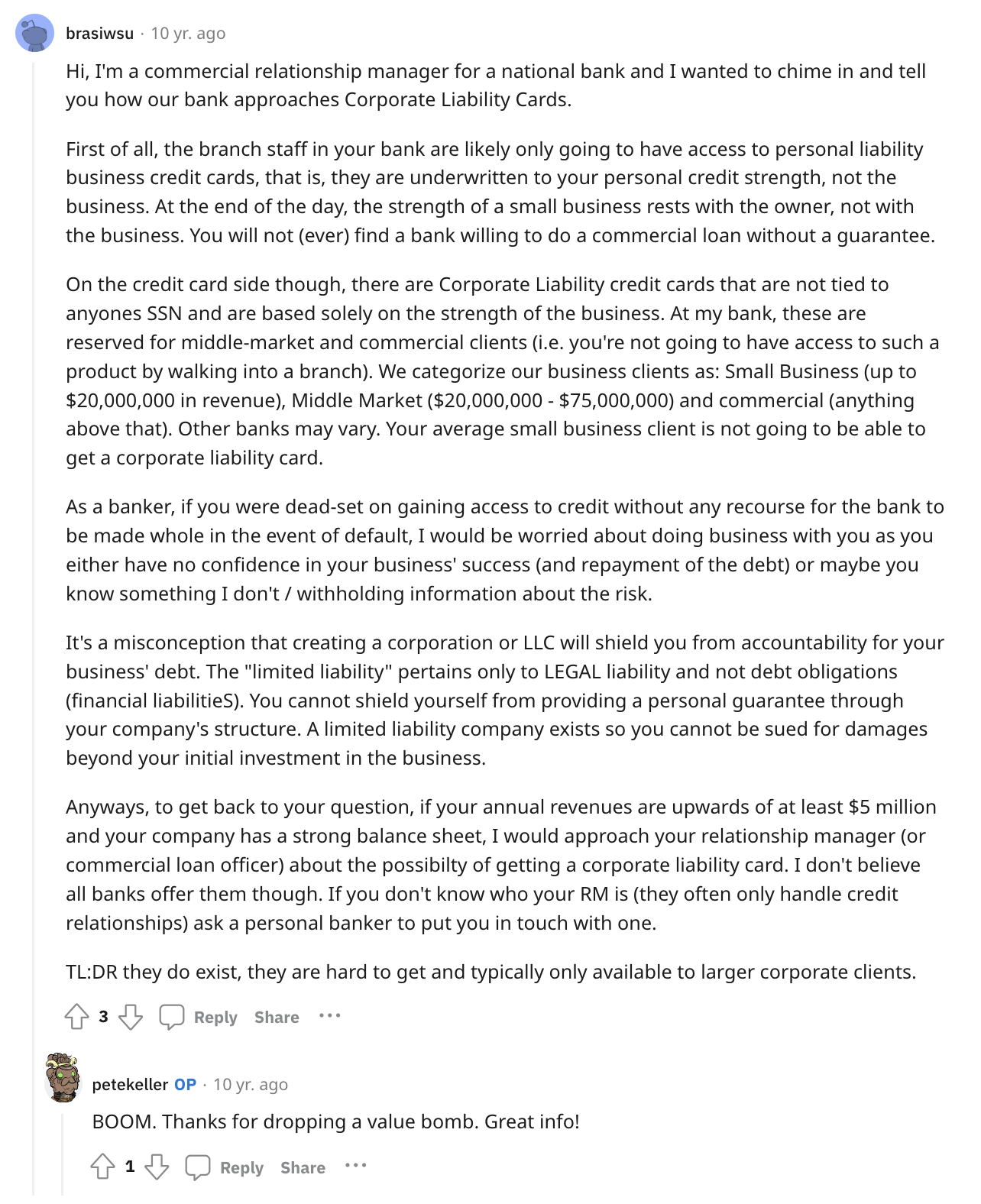
Business Credit card vs corporate credit card

In essence, a corporate credit card serves as a financial tool to enhance the efficiency of business operations, providing both convenience for employees and effective financial management for the company.

Plus, many corporate cards come with added perks like savings on software costs or ad spend. And, many of the newer corporate cards are completely free because of partnerships. So, obtaining one of these cards is like having a membership that offers exclusive access to discounts within a niche business network.  

You might also like: Have You Heard About the Free Stripe Corporate Card Cashback Benefits? 

Can a Small Business Get a Corporate Credit Card? 

Pros and cons of corporate credit cards

There is a widely-believed myth that corporate cards are for enterprises and credit cards are for small businesses. The truth is that small businesses can, absolutely, obtain corporate cards. 

Corporate cards are typically issued based on business income, not necessarily credit scores. So, if your small business meets the revenue requirements, and you want the card, you might as well apply. 

Many corporate cards require at least $4 millions in annual revenue, but some of the newer corporate cards will accept you with as little as $5K per month. 

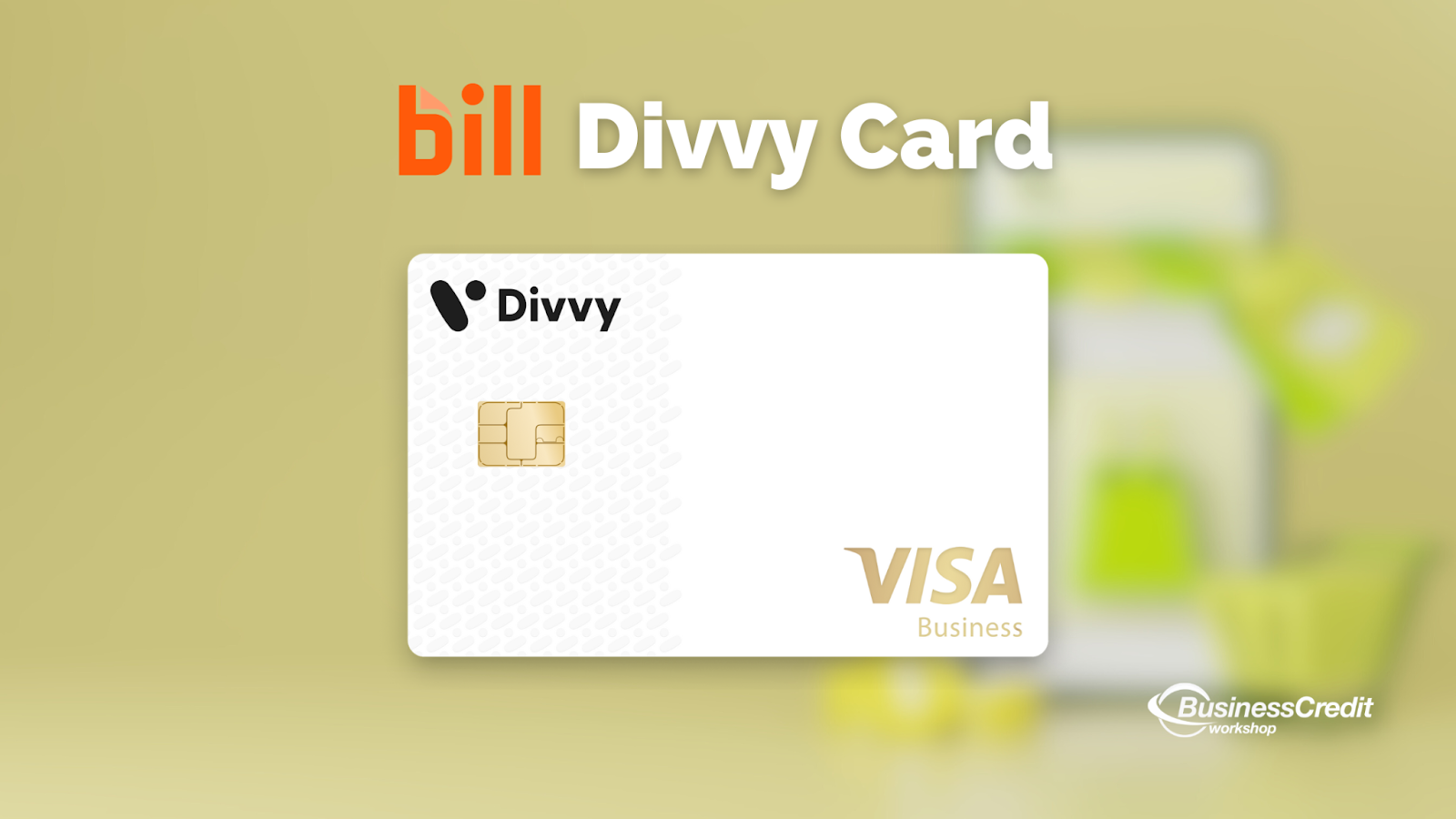
You might also like: In-Depth Divvy (BILL) Credit Card Review: Read This Before You Apply 

The Advantages of a Business Credit Card

A business credit card is a line of credit crafted to meet the unique needs of a business. It functions similarly to a personal credit card but is tailored to streamline financial management for companies. 

The primary objective is to offer businesses a convenient and efficient way to: 

  • Make purchases
  • Cover expenses 
  • Maintain financial control
  • Free-up your personal credit
  • Get access to substantial lines of credit

Like its corporate counterpart, a business credit card usually provides features such as detailed expense tracking and a streamlined reimbursement process, which contribute to effective financial oversight. 

And, some business credit cards offer the ability to issue additional cards to employees with preset spending limits. 

The inclusion of rewards and incentives, specifically designed for business-related expenses, adds another layer of appeal. Moreover, responsible use of a business credit card contributes to building the credit profile of the business itself, separate from the personal credit of the business owner.

In a nutshell, a business credit card is a tailored financial tool that enhances the efficiency of business operations by simplifying expense management and providing flexibility in financial transactions.

You might also like: This is How to Leverage Business Credit to Transform Your Life 

Is Your Business Card a Corporate Card? 
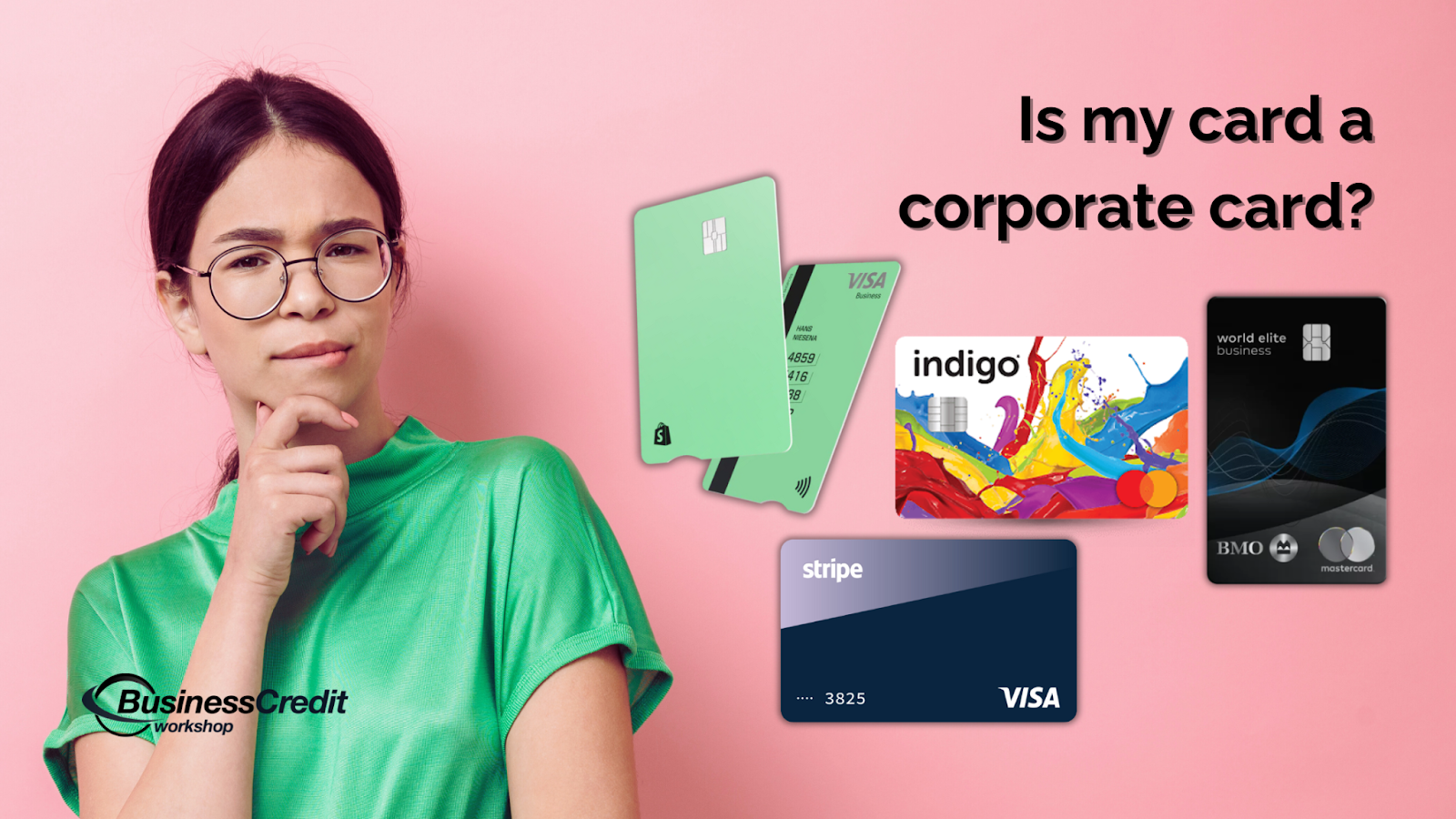
Small business credit vs corporate card

As a business owner, if your credit card is in your company’s name, features detailed expense tracking, and you pay the balance in full each billing cycle, it’s likely a corporate card. However, if it’s in your personal or business name, issued by a bank, and involves revolving reimbursement, it’s probably a business credit card. 

Keep in mind, if payments are due in full each billing cycle, it might be a secured business credit card – For clarification, check your card issuer’s information or contact customer service.

You might also like: The Ultimate Tillful Review (+New Secured Credit Offer for Businesses) 

Frequently Asked Questions

Does a corporate card hurt your credit score? 

No, a corporate credit card typically doesn’t impact your personal credit score. Since it’s usually issued in the company’s name and is the responsibility of the business for repayment, your personal credit history remains separate. However, if you do not pay as agreed, and the card comes with a personal guarantee, this could have a negative impact on your score.

Who is eligible for a corporate credit card? 

Businesses that meet the revenue requirements, which may be as high as $4 million per year, are eligible for corporate card accounts. The businesses can then implement their own eligibility requirements and spending limits for staff and employees. 

Can I use my corporate credit card for personal use? 

Using a corporate credit card for personal expenses is generally discouraged. Corporate cards are intended for business-related transactions. Mixing personal and business expenses can complicate accounting. And, it’s super important to follow company policies regarding card usage.

Who pays for the corporate credit card? 

The company is responsible for paying the expenses incurred on a corporate credit card. Corporate cards are issued by the company to streamline business-related transactions, and the company covers the costs directly.

What's a good credit card for a small business? 

There are several options for small business credit cards. Popular choices include the Chase Ink Business Preferred and several options from Bank of America. Some of my favorites are from small community banks and credit unions. The best card depends on your business’s specific needs, such as rewards, expense management features, and credit limits. See the best credit cards for entrepreneurs. 

Final Thoughts

So, corporate cards and business credit cards are a bit different. Business credit cards let you carry a balance, but corporate cards need full payment each month. 

Corporate cards are awesome—they make business money matters smooth, help track expenses, and even come with cool perks. And, small businesses, not just big ones, can get corporate cards. 

Business credit cards are cool too—they’re like personal cards but for your business. They’re handy for buying stuff, covering expenses, and earning rewards. 

Check out different cards based on what your business needs. Got questions? We’ve got answers, from credit scores to who foots the bill. Whether you go corporate or stick with business, there’s a card for every business owner’s wallet.

Want to learn how to obtain up to $100K in business credit in as few as 30 days? Join Business Credit Workshop today!
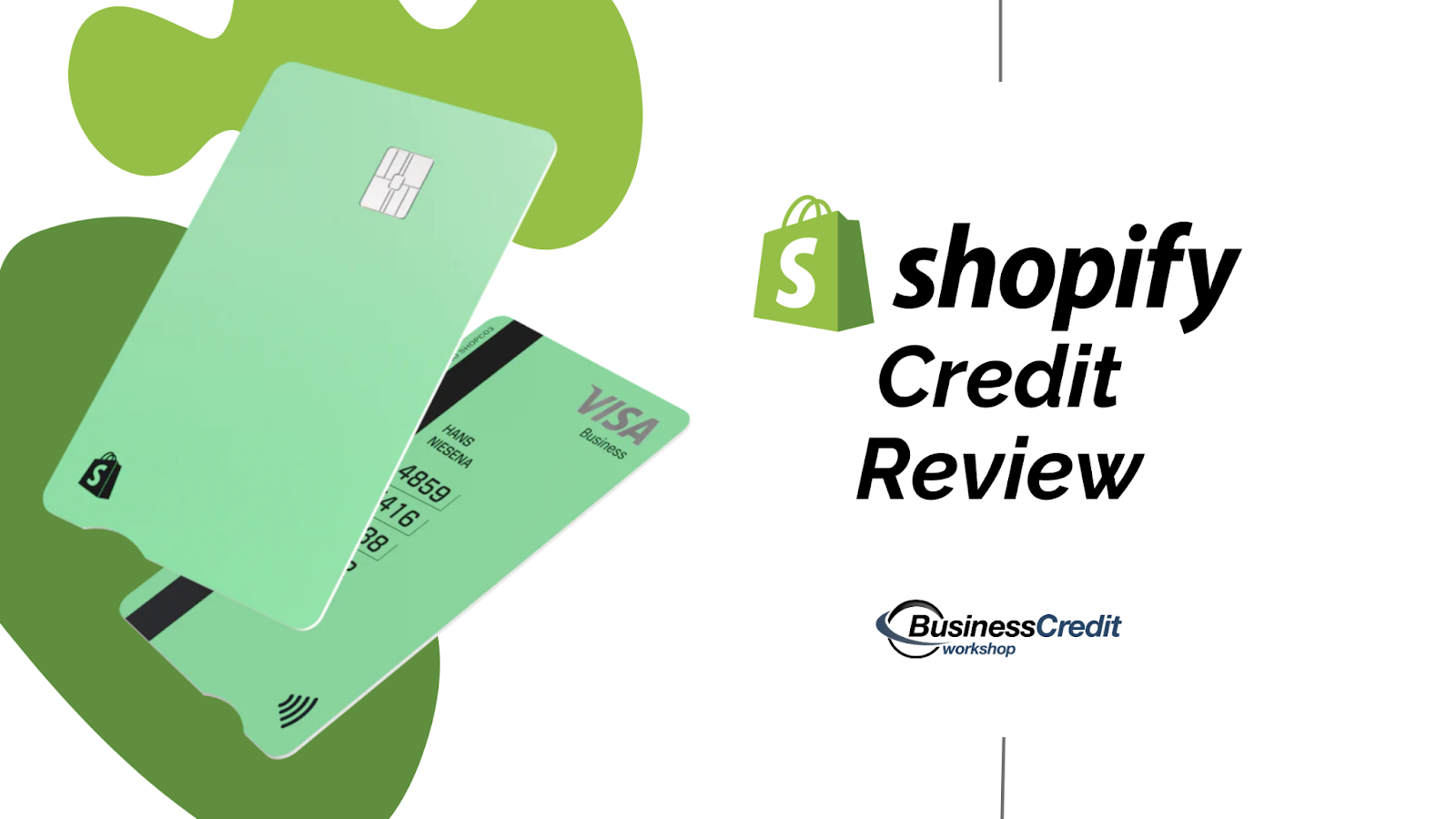

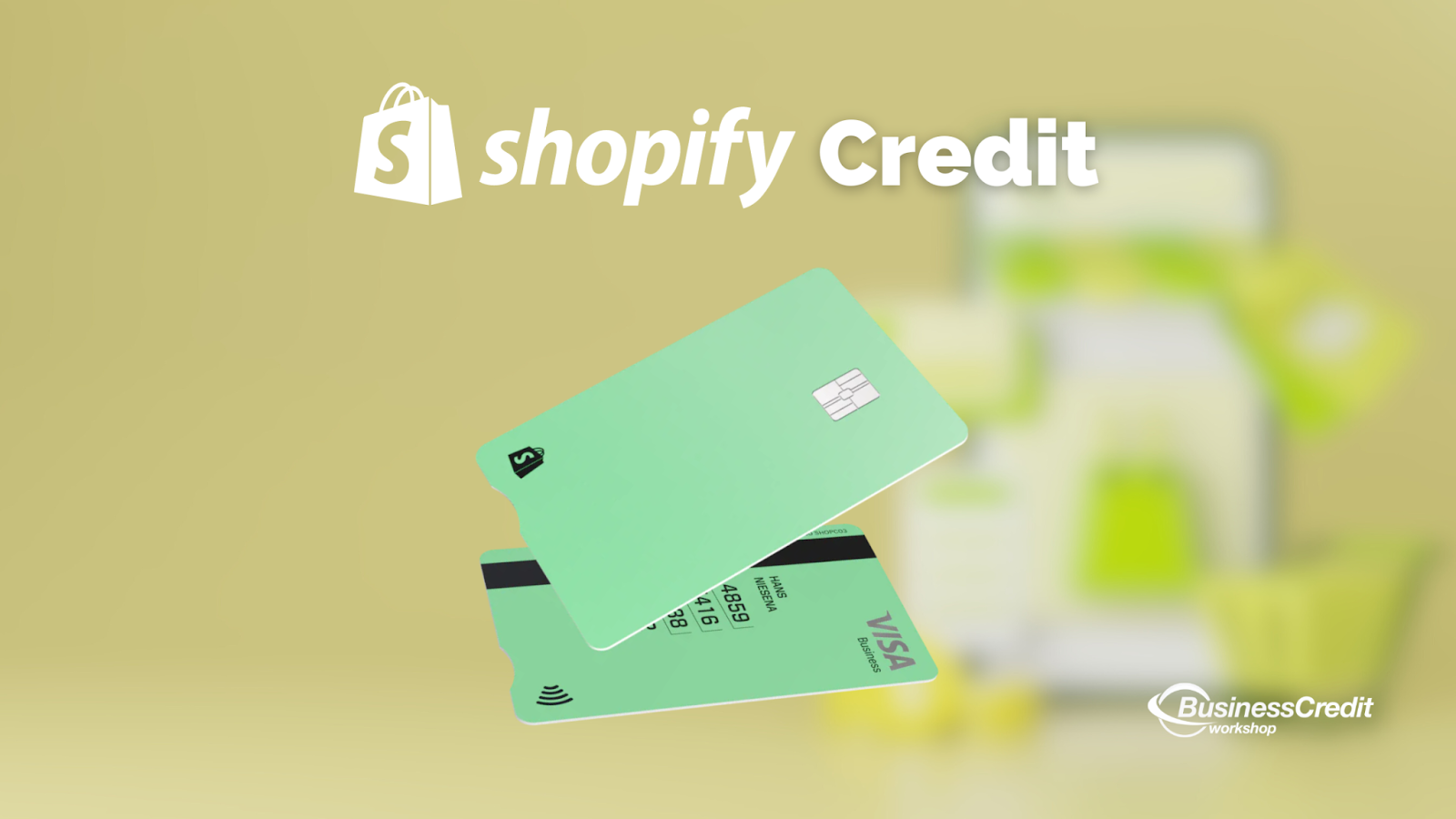
Full Shopify Credit Review: Are the Cashback Rewards Legit? 

November 22, 2023 By Joe

Shopify Credit Review

If you landed here, you may have received an invitation to apply for a “Shopify credit card.” And, since this offer was only unveiled a few months ago, you’re not going to find a lot about it on Reddit or other forums. 

Not only this, but if you try searching for details about the card, you’ll mostly see Shopify’s own marketing content, reviews that may have been written by affiliates, and information about Shopify Capital (which is a separate offer)

…This is probably going to change in the future as the Shopify Credit offer has time to spread its wings. Still, you need to know more about the card before you apply or accept an offer.

→ Recommended: 7 Best Cash Back Corporate Cards to Explore

So, here, I’m going to explain the offer and a little bit about the company, share some features and benefits of the card, and compare it to some close competitors. Then, I’ll answer a few of the top questions people are asking. 

Here’s what’s in store: 

  • What is Shopify Credit?
    • Business Credit vs Corporate Cards
    • Shopify Company Overview
  • Shopify Credit Features & Benefits
    • Shopify Credit Card Terms & Fees
    • Cashback & Bonus Offer
    • Shopify Credit Requirements
  • Shopify Credit Alternatives
  • Frequently Asked Questions
  • Conclusion: Is This Card Offer Worthwhile?

 Let’s dive in! 

What is Shopify Credit? 

Shopify Credit login

Shopify Credit is a pay-in-full, so-called “business credit card” tailored for entrepreneurs — It offers a straightforward and transparent financial solution with no fees, no interest, and up to 56 days to pay for purchases. 

Considering the way the card is set up, it’s actually a corporate card, not a business credit card (more on that in a minute). 

Shopify Credit is designed to support business cash flow with a flexible spending option for everyday business expenses, such as: 

  • Marketing and Advertising
  • Shipping and Fulfillment
  • Wholesale

Shopify sellers can easily check their eligibility online and receive quick decisions based on business performance rather than credit scores. And, they can enjoy the convenience of a Visa®-branded card accepted pretty much everywhere globally (i.e. wherever Visa is accepted). 

The card also comes with the added benefit of cashback rewards, allowing users to earn up to 3% cashback on eligible purchases in their top spend category and 1% on the other two categories. With no catch and a focus on simplicity, Shopify Credit aims to empower businesses by providing a reliable and rewarding financial tool.

Recommended: Best eCommerce Credit Cards (Online Seller’s Guide)

Business Credit vs Corporate Cards

Business credit cards and corporate cards serve distinct purposes in the realm of business financing. Business credit cards are typically designed for small to medium-sized enterprises and individual business owners, offering a convenient and flexible means of covering day-to-day expenses. They often come with features like cashback rewards and expense tracking. 

On the other hand, corporate cards are generally intended for larger enterprises and are issued to employees for company-related expenses. Corporate cards may come with more extensive expense management tools and customization options tailored to the specific needs of large organizations. 

Shopify credit gives you the best of both worlds. Still, the offer is more closely related to contemporary corporate card offers than business credit cards, which allow you to carry a revolving balance.  

You might also like: What’s the Best Payment Processor for a Small Business? Really

Shopify Company Overview

Shopify Finaning for Merchants

Established back in 2004, the Canadian powerhouse known as Shopify (aka Shopify Payments or Shopify Data Processing, if you’re feeling fancy) has grown into a publicly-traded juggernaut valued at $1.3+ billion. 

Every online merchant has heard about their game-changing online sales platform that’s been rocking the eCommerce scene. Now, I won’t dive too deep into the intricacies of Shopify’s credit card processing capabilities or the Shopify credit card reader. 

Instead, let’s shine a quick spotlight on the backstory of Shopify Credit. 

Shopify’s initiatives kicked off in April 2016, when they started offering merchant cash advances, and since then, they’ve pumped out billions in funding for sellers worldwide. Shopify Credit was launched more recently in July 2023.

It’s worth noting that all the financial mojo behind Shopify Capital comes courtesy of WebBank, a player affiliated with the likes of Dell Business Credit, LendingClub, and Capital on Tap (not my favorite business funding offers). 

Meanwhile, Shopify Credit is issued courtesy of Celtic Bank, a modest brand with a tremendous reach. 

Recommended: Shopify Capital Review: What are the Benefits & is it Worth it? 

Shopify Credit Features & Benefits

Okay, are you ready to dive into the details? Here’s a summary of who can qualify for Shopify Credit and everything you can expect if you pull the trigger on this one. 

You might also like: What are the Best Unsecured Business Credit Cards for Startups? 

Shopify Credit Card Terms & Fees

Shopify Credit Card Fees

Shopify Credit is essentially free:

  • No annual fee
  • No foreign transaction fees
  • No setup fees

This offer is all about straightforward transactions to help keep more money in your business.

With up to 56 days to settle bills (net 56) and zero late fees, Shopify Credit offers a relaxed payment period, giving you ample time to manage your business finances. This can help you manage your finances pretty easily.  

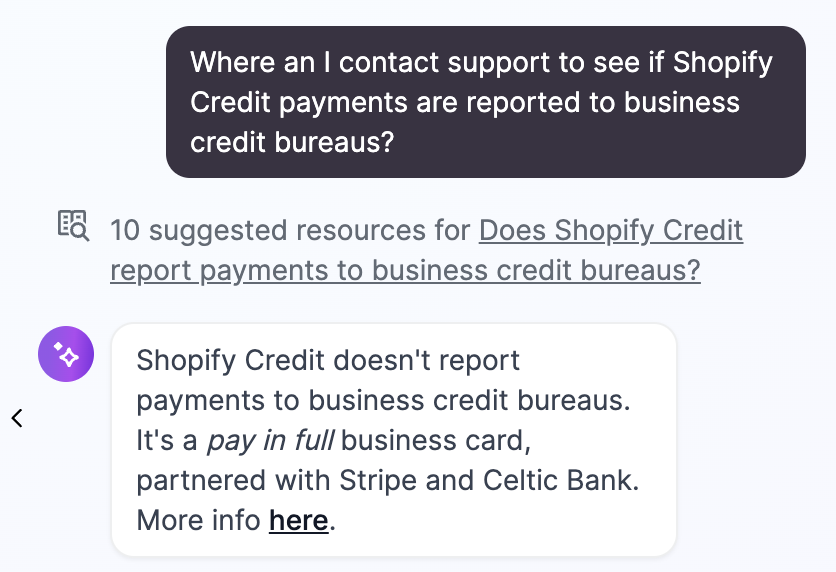
Many tradelines like this report on-time payments to credit bureaus. I couldn’t find out any information on the Shopify website about whether on-time payments are reported to credit bureaus. So, I first reached out to Celtic Bank who referred me back to Shopify. 

Does Shopify Capital run your credit?

According to Shopify’s AI chat assistant, on-time payments on the Shopify Credit card are not reported to business credit bureaus. I’m not 100% confident in the accuracy of this answer, so if you know otherwise, please let me know. 

FInally, over time, you can watch your credit limit expand as your business succeeds – Periodic reviews ensure your credit line grows with your business, which offers some financial flexibility without constant paperwork.

You might also like: Using 30 Day Net Vendors to Build Your Business Credit Score 

Cashback & Bonus Offer

Shopify Credit Cashback rewards

In addition to being a free card, Shopify Credit offers cashback and bonuses. 

With this card, you can earn rewards customized to your business essentials: 

  • 3% cashback on your top spending category
  • 1% on the other two, recognizing your business efforts.

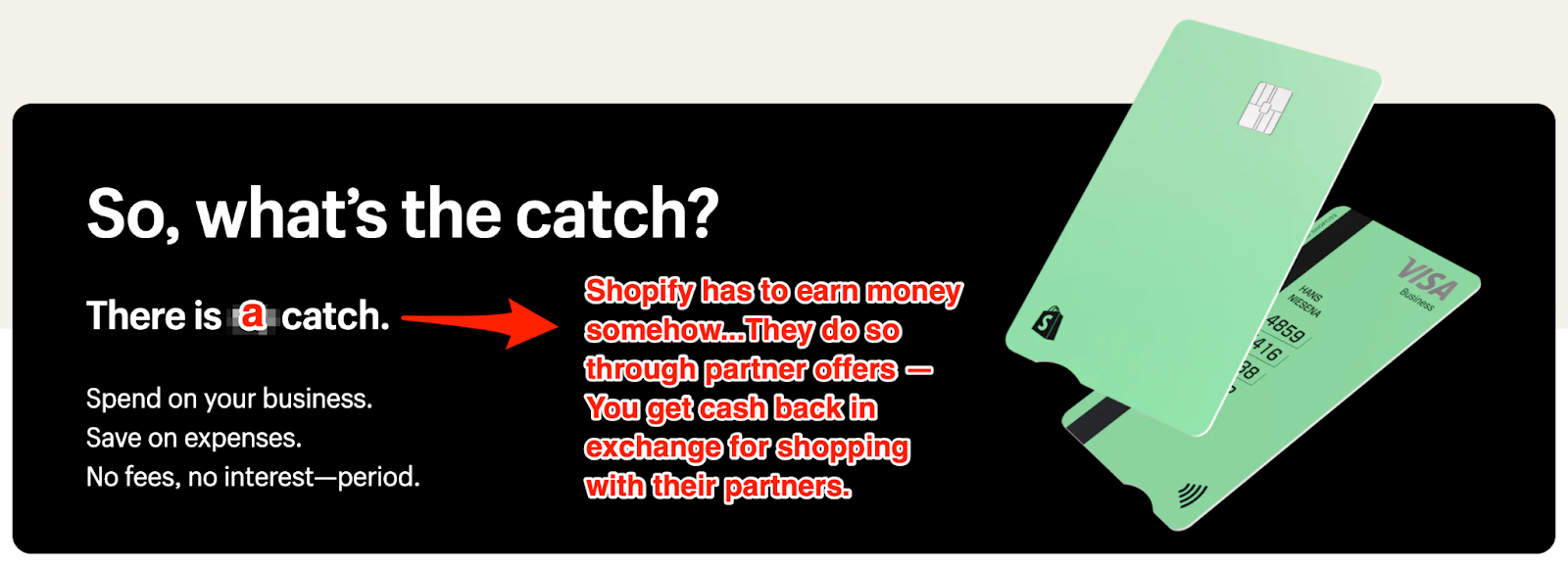
There is a catch here, though — a pretty big one. In order to earn rewards, you must use your card for spending in the three approved categories (marketing and advertising, shipping and fulfillment, and wholesale). 

How Does Shopify Credit earn money?

Card spending must take place with one of Shopify’s partners to qualify for cashback: 

CategoryProviders
Marketing & advertisingGoogle, Meta, TikTok, Pinterest, Snap, Twitter, Microsoft, Shopify Email, Klaviyo, Mailchimp, Instafeed, Yotpo SMSbump, Yotpo product reviews and UGC, Yotpo subscriptions, Yotpo loyalty and rewards, Loox, Privy
Shipping & fulfillmentUSPS, UPS, DHL Express, Flexport, Pirateship, Shopify Shipping, Shopify Fulfillment Network, Shipsurance, Shipstation, Shippo, Aftership order tracking, Aftership shipping + labels, Aftership returns, Parcel Panel Order Tracking
WholesaleFaire

Chances are, if you’re successfully selling on Shopify, you are spending with some of these brands — so, the Shopify Credit card gives you a chance to earn/save on some of that spending. 

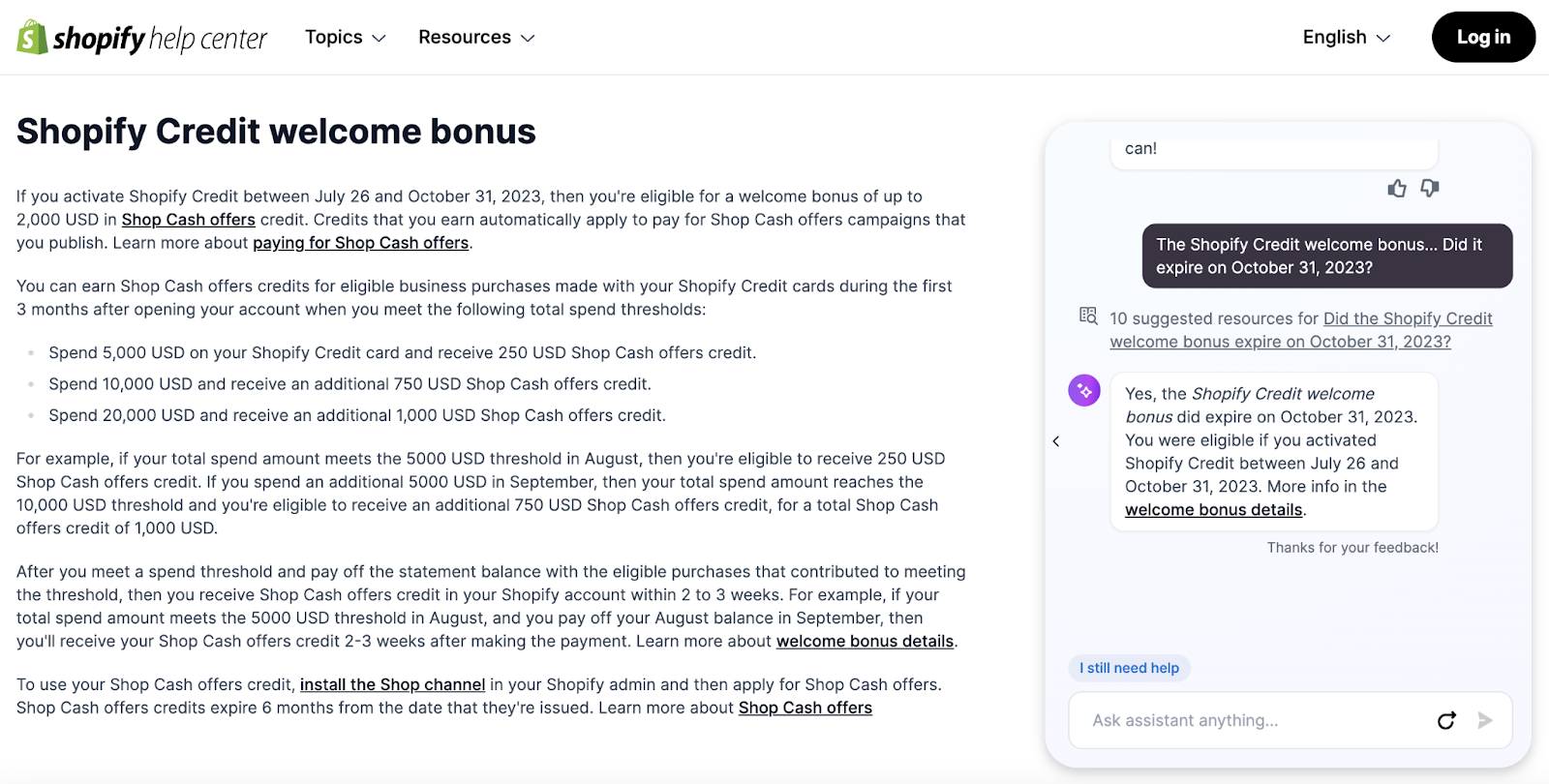
Shopify also advertises a $2K Shop cash welcome bonus for eligible spending — as of today, this is still up on the website: 

Shopify Credit $2000 intro offer

Sadly, this offer expired on October 31, 2023…if you accept a card offer after this date, you will not qualify for the $2K welcome bonus (I triple-checked). 

Shopify Credit welcome bonus has expired

As with most corporate and credit cards, there will probably be more introductory offers in the future – be sure to keep your eyes peeled…and always read the fine print. 

You might also like: This is How to Leverage Business Credit to Transform Your Life 

Shopify Credit Requirements

Shopify Credit eligibility requirements

You might be pleasantly surprised to learn that Shopify does not do a credit check. Shopify Credit is offered by Shopify to eligible merchants. Merchants don’t necessarily have to seek it out actively; instead, Shopify may extend offers to qualified merchants based on their business performance, so you don’t need a particular credit score to qualify. 

But, you do need a few other things: 

  • A Shopify Payments account with a single owner
  • A bank account connected to the Shopify Payments account
  • A valid United States Social Security number
  • A business located in the United States or Puerto Rico 

You may receive notifications or invitations to apply for Shopify Credit, and the application process is typically straightforward. Eligibility is based on your business performance, and decisions can be made within minutes.

Shopify Credit Alternatives

Shopify Credit card alternatives

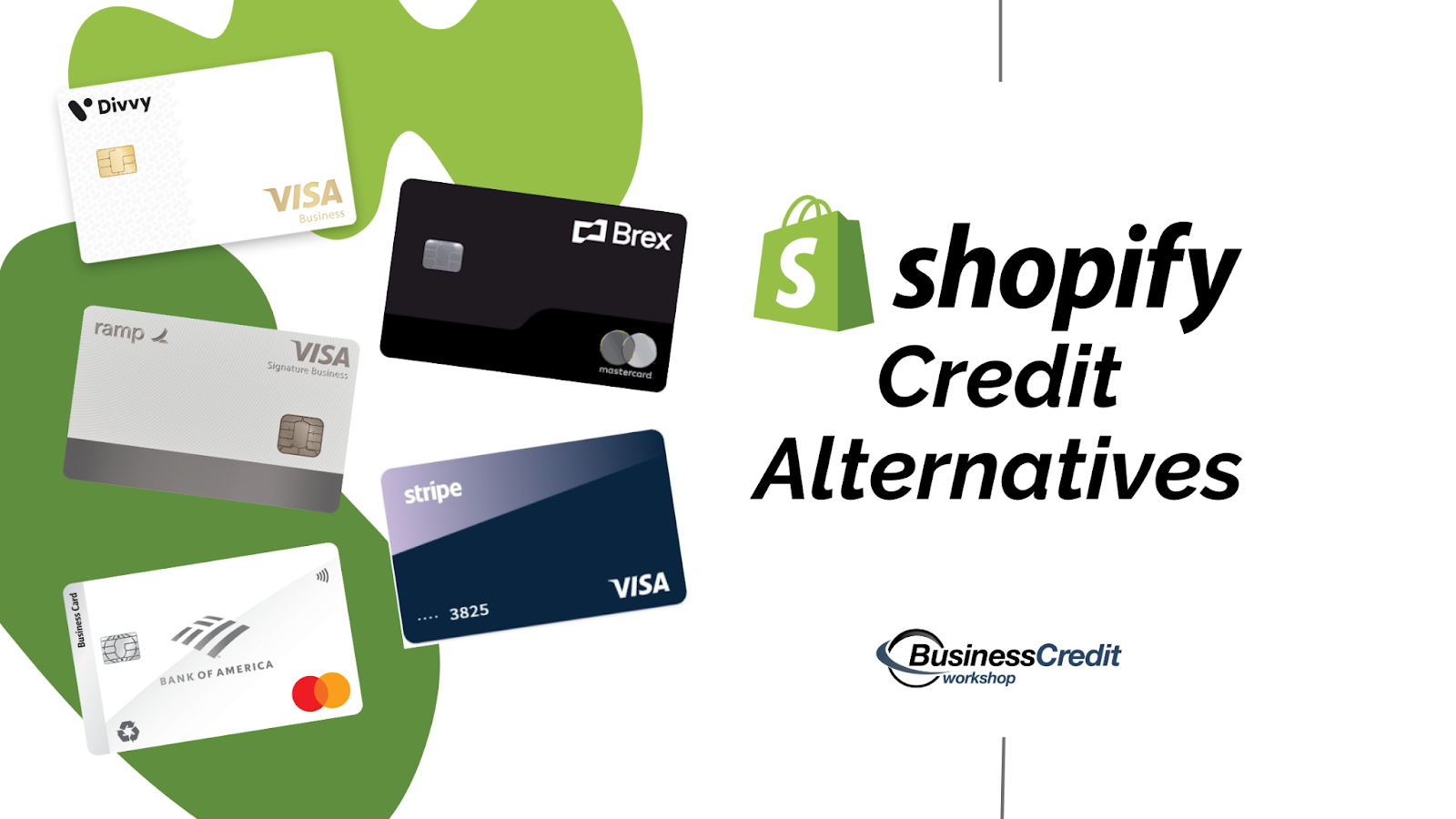
I’ve reviewed quite a few free corporate fintech cards here on this blog, and a handful of them are very close contenders with Shopify Credit: 

  1. While I don’t like to play favorites, my favorite corporate card is Divvy – I have this card, I use it, and I love it because of its user-friendly features and expense management tools.
  2. Brex is another super popular corporate card. You’ll need a high-performing business to qualify. And, if you get this card, you’ll have the opportunity to save on business expenses like travel and online advertising.
  3. Next, Stripe Corporate is a close contender and may be a better fit if most or many of your Shopify store transactions are run through the Stripe payment platform. This card offers features tailored for Stripe users, but it’s available by invitation only, with specific requirements.
  4. This list would be complete without Ramp, which focuses on providing real-time insights into your company spending and helps control costs.
  5. While the next card wouldn’t be my top choice for most online sellers, Bank of America’s Corporate Card is worth mentioning here because of its benefits and rewards, especially if you’re already using BoA for business banking.

The best card for you is going to depend on your current setup, whether or not you’re willing to make some changes, and how quickly you need access to a corporate card. 

Recommended: In-Depth Divvy (BILL) Credit Card Review: Read This Before You Apply 

Frequently Asked Questions

How does Shopify give you money?

Shopify offers two types of merchant funding: Shopify Capital and Shopify Credit. Shopify Capital provides funding through merchant cash advances based on sales history, with repayments tied to a percentage of daily sales. Shopify Credit, on the other hand, offers a fee-free credit card with cashback rewards, providing additional funds for business expenses based on sales performance. Both options give eligible merchants access to capital to support their business growth.

Does Shopify Credit affect your ability to qualify for Shopify Capital?

No, applying for Shopify Credit does not impact your Shopify Capital eligibility. The two operate independently, allowing merchants to leverage both financial tools to support different aspects of their business needs.

What is the Shopify Credit card fee?

The Shopify Credit card is fee-free, with no annual fees, foreign transaction fees, or setup fees. This transparent fee structure aims to provide simplicity for merchants, allowing them to focus on their business without concerns about additional charges.

Will a Shopify Credit card help you build business credit? 

No. Shopify Credit is not technically a credit card and on-time payments made toward your account balance will not be reported to business credit bureaus. 

Conclusion: Is This Card Offer Worthwhile? 

Wrapping it up, Shopify Credit and its cashback rewards seem to be a pretty legit deal under the right circumstances — The card offers a straightforward, fee-free experience with up to 56 days to settle bills, and zero late fees. 

While the card is relatively new and might not be buzzing just yet, it offers simplicity, quick eligibility check, and no credit score hassles. These features make it a solid choice for some online sellers. 

The cashback adds a nice touch, providing cardholders with tangible benefits for their business spending – but it’s a shame they’re still advertising the bonus offer when it’s actually unavailable. And, I am not stoked that the card doesn’t report payments to credit bureaus.  

With that said, I still like Divvy, and I would choose it over Shopify Credit, depending on whether or not my operations were the right fit. In full transparency, I’m not a Shopify seller, I’m a business credit coach and investor. 

If you want to learn how to obtain up to $100K in business credit in as few as 30 days, join Business Credit Workshop today!

9 Best eCommerce Credit Cards (Online Sellers’ Guide)

November 12, 2023 By Joe

Best eCommerce Credit Cards

eCommerce is a fast-paced industry – On top of managing your inventory and making sales, you have to handle logistics, maintain relationships with suppliers, and keep your customer service on point while you maintain momentum. In the meantime, you need the right financial tools. Business credit cards and corporate cards can streamline your money operations. 

So, what are the best credit cards for eCommerce?

You’ve landed on a deep dive here, which you can use to determine exactly what card is right for you and your online store. If you don’t already know, you’ll learn the difference between business credit cards and corporate cards, find out what to look for in a card, and browse a list of the best cards for business owners in the online sales niche. 

(Quick note: we’re not talking about consumer credit cards for online shopping.) 

Here’s what’s in store: 

  • Navigating the Plastic Jungle: Business Credit vs. Corporate Cards
  • Best Business Credit Cards for eCommerce
    • 1. Amazon Business Prime Card from Amex
    • 2. Amex Business Gold Card
    • 3. Chase Ink Business Preferred Credit Card
    • 4. Chase Ink Business Unlimited Credit Card
    • 5. The Amex Blue Business Plus Credit Card
  • Best Corporate Cards for eCommerce
    • 1. Stripe Corporate Card
    • 2. Brex Corporate Card
    • 3. Divvy Corporate Card
    • 4. Shopify Credit
  • Frequently Asked Questions
  • Final Swipe: Master Your Business Finances

Now, let’s jump in! 

Navigating the Plastic Jungle: Business Credit vs. Corporate Cards

Alright, buckle up — it’s decision time. You’ve got your eye on that shiny piece of plastic, but should it scream “business” or “corporate”? Let’s break down the rumble between these heavyweights.

Business credit cards are designed for companies who need a line of credit that can carry a balance each month. You would choose a business credit card over a consumer credit card because of the tailored rewards and features and the ability to obtain larger lines of credit…The transition to business credit can change your life. 

Meanwhile, corporate cards typically have to be paid in full each month and tend to come with a range of advanced features like real-time expense tracking, budget controls, and integration with your business tools and software.

In a nutshell, both types of cards may offer rewards like cash back or discounts with technology partners (though this is a fairly new offering from contemporary corporate cards). So, you might get a business credit card when you need a cash flow boost for your company and a corporate card when you need better financial management – And, many businesses use both. 

Recommended: Here’s How to [Actually] Get Business Credit With Just an EIN +More Options 

Best Business Credit Cards for eCommerce

Opting for a business credit card is a savvy move, especially for eCommerce ventures. It provides the flexibility needed to navigate the dynamic landscape of online businesses. 

Look for a business credit card tailored to eCommerce that offers rewards and benefits specifically relevant to your industry. 

Focus on features like: 

  • Bonus points for online advertising
  • Shipping perks
  • Cash-back options for your predominant business expenses

Generally, a good business credit card for eCommerce should align with your spending patterns and provide valuable rewards that can be reinvested or used to enhance your online operations.

Now, let’s take a look at the best eCommerce best credit cards. 

You might also like: 6 Best Business Credit Cards for Entrepreneurs: Fuel Your Growth 

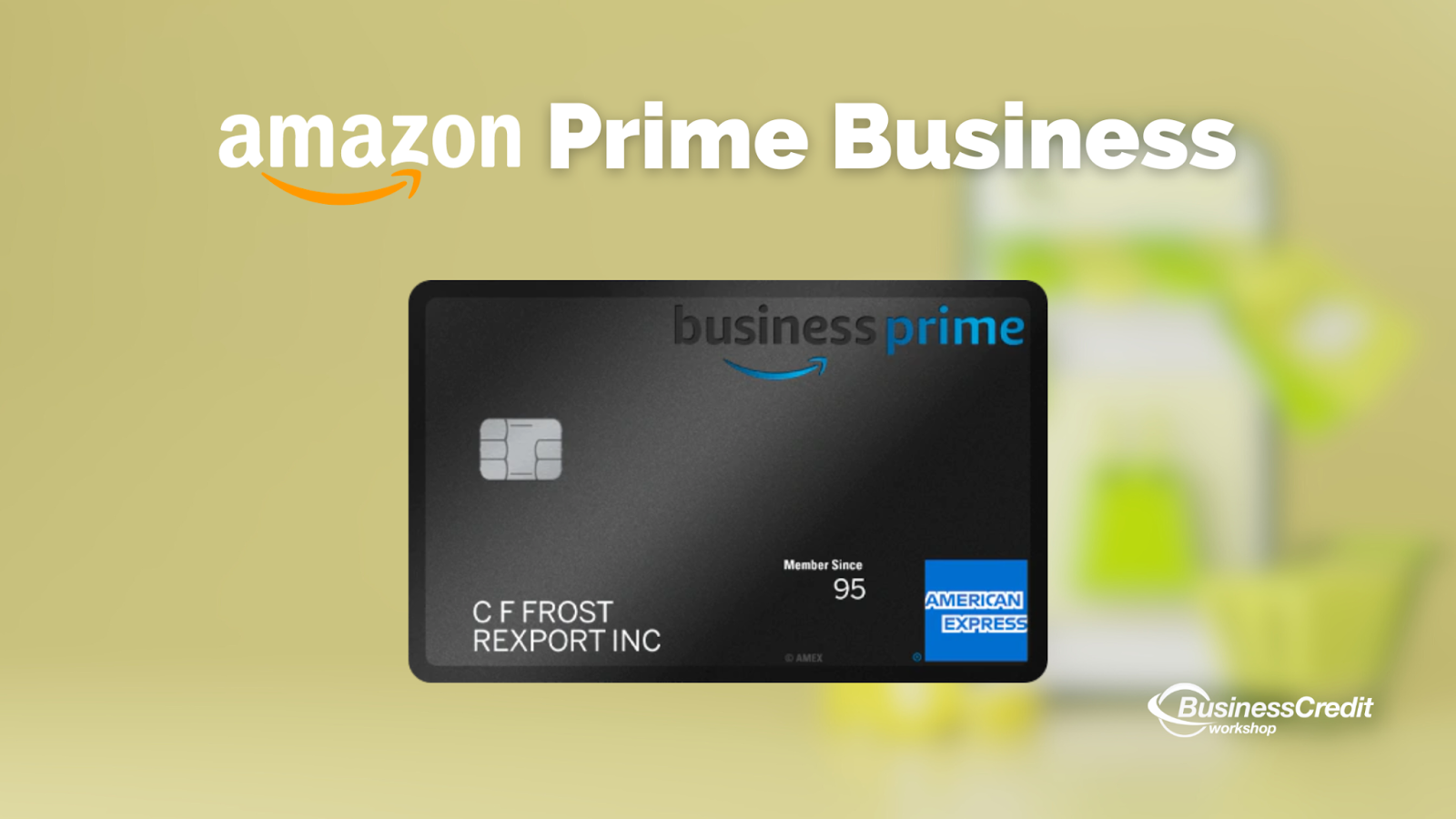
1. Amazon Business Prime Card from Amex

Best credit card for eCommerce Reddit

The Amazon Business Prime American Express Card is a fantastic choice for Amazon sellers looking to maximize their business expenses. With this card, you enjoy flexible payment terms, allowing you to carry a balance if needed. 

The Annual Percentage Rate (APR) is competitive, offering financial convenience. 

What makes this card stand out are the rewards – you earn 5% back or 90 days interest-free on U.S. purchases at: 

  • Amazon Business
  • AWS
  • Amazon.com
  • Whole Foods Market 

Additionally, you earn 2% back at: 

  • Restaurants
  • Gas stations
  • Wireless telephone services 

For the online seller crowd, this card is a boon, especially for those heavily invested in the Amazon ecosystem. The 5% back on Amazon Business purchases can significantly boost your bottom line, making it a go-to choice for Amazon sellers looking to make the most out of their business spending (it might be the best card for those with an Amazon seller account). 

You might also like: Amazon Corporate Credit Line – The Ultimate Guide 

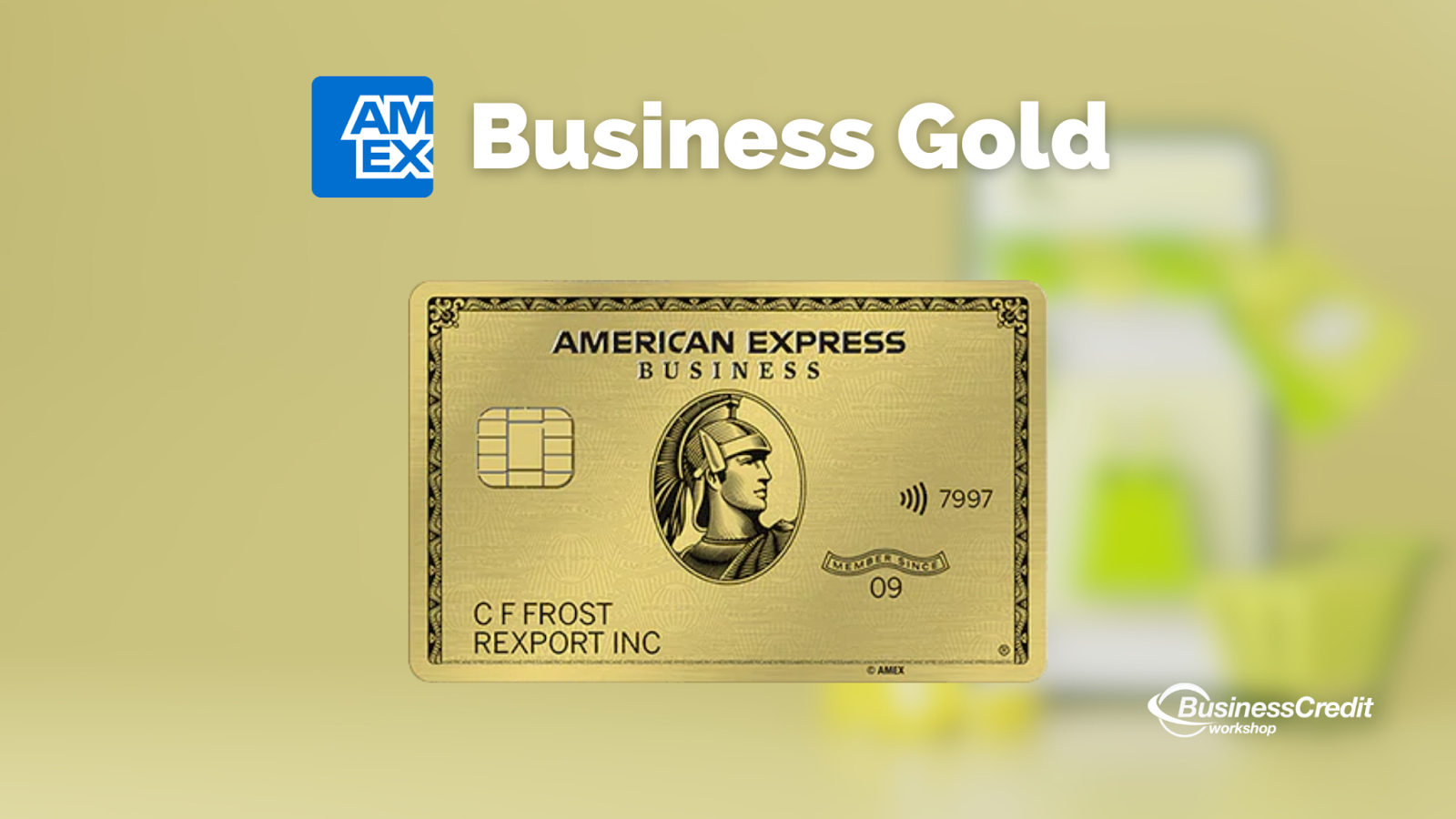
2. Amex Business Gold Card

Best credit card for print on demand

The American Express® Business Gold Card is a solid choice for online sellers, offering flexibility and rewards tailored to business needs. While it’s no Centurion (the credit card the Kardashians use), with this card, you enjoy a dynamic payment structure, allowing you to carry a balance when necessary. 

The APR is competitive, ensuring financial convenience. What sets this card apart are the rewards – you earn 4X Membership Rewards® points on two select categories where your business spent the most each billing cycle, up to the first $150,000 in combined purchases from these two categories each calendar year. 

The U.S. reward categories include: 

  • Airfare purchased directly from airlines
  • Purchases for advertising in select media
  • Purchases at gas stations
  • Purchases at restaurants
  • Purchases for shipping
  • Computer hardware
  • Software
  • Cloud computing purchases 

These perks make it a great fit for a variety of online sellers, including those invested in advertising, travel, and technology. The flexibility in reward categories makes it adaptable for a range of business expenses, making it an attractive option for Etsy sellers, Shopify sellers, and those using various online platforms.

Recommended: What is the Best Credit Card for Ad Spend? Expert Insights 

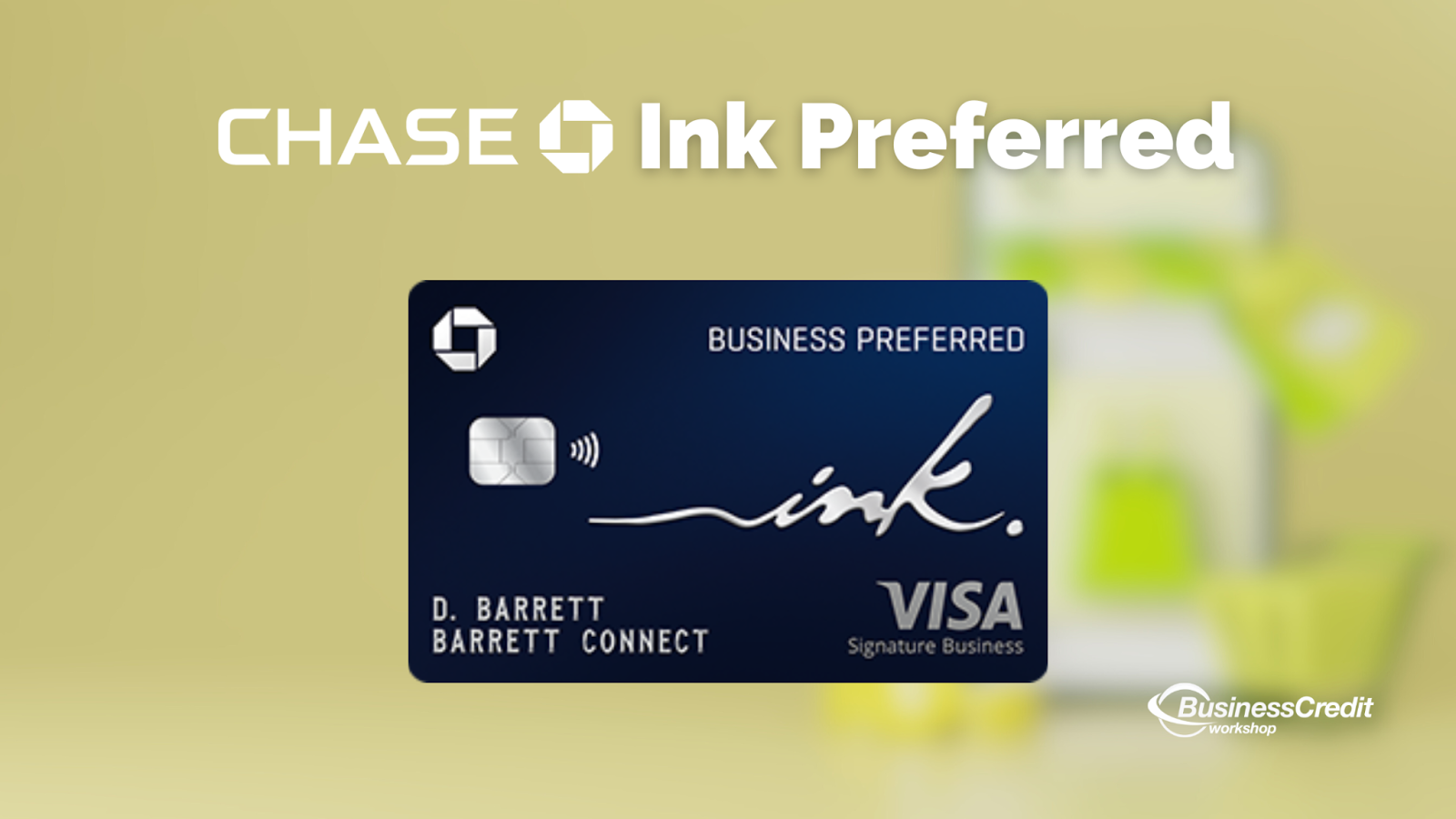
3. Chase Ink Business Preferred Credit Card

Best credit card for online sellers United States

The Ink Business Preferred® Credit Card from Chase Bank is a stellar choice for online sellers, particularly those with diverse business expenses. With this card, you enjoy favorable payment terms and a competitive APR for financial flexibility. 

The standout feature is the generous rewards program – you earn 3 points per $1 on the first $150,000 spent on combined purchases in categories like: 

  • Travel
  • Shipping
  • Advertising

The points are worth 25% more when you redeem for travel through the Chase Ultimate Rewards® program. For online sellers, this card is especially appealing because of its broad reward categories, making it suitable for various business expenditures. 

Whether you’re into advertising on social media, frequently shipping products, or managing travel for business purposes, the Chase Ink Business Preferred® Credit Card caters to a wide range of online sellers, including those using payment platforms like Shopify and Stripe.

Recommended: Chase Ink Business Preferred Credit Card: A Deep Dive Analysis 

4. Chase Ink Business Unlimited Credit Card

Can you get a business credit card for an Etsy shop?

The Chase Ink Business Unlimited® Credit Card is a straightforward and rewarding choice for online sellers seeking simplicity and flexibility. This card comes with uncomplicated payment terms and a competitive APR, offering financial ease. 

What makes it appealing is the straightforward rewards structure – you earn 1.5% cash back on every purchase with no limit. 

This flat-rate cash back is particularly beneficial for online sellers who want a hassle-free way to earn rewards on all their business expenses. Whether you’re selling on Amazon, Etsy, or running your own Shopify store, the simplicity of earning a consistent 1.5% cash back on everything can be a real advantage. 

It’s an excellent fit for those who prefer a no-frills approach to rewards and want to maximize their earnings across the board without worrying about category restrictions.

You might also like: What are the Best Unsecured Business Credit Cards for Startups? 

5. The Amex Blue Business® Plus Credit Card

Best eCommerce credit card for small  business

The Blue Business® Plus Credit Card from American Express is a fantastic choice for online sellers looking for flexibility and rewards. With this card, you enjoy a 0% introductory APR on purchases for the first 12 months, providing a cushion for business expenses. 

After the introductory period, a competitive APR comes into play. 

The standout feature is the Membership Rewards® program, where you earn 2X Membership Rewards® points on the first $50,000 spent annually, and 1X points thereafter. 

This makes it an excellent option for online sellers with moderate to high business expenses, offering a solid return on everyday purchases. Whether you’re an Etsy seller, a Shopify entrepreneur, or use various online platforms, the Blue Business® Plus Credit Card is versatile. 

With this card, you can earn points on a broad spectrum of business expenditures (it’s a valuable addition to any online seller’s toolkit).

You might also like: How to Get a Business Credit Card – The Ultimate Guide 

Best Corporate Cards for eCommerce 

Now, a corporate credit card is a strategic choice for larger eCommerce enterprises dealing with more substantial budgets and intricate financial needs. 

If you’re going to go this route, you should opt for a corporate card that integrates seamlessly with eCommerce platforms, which facilitates efficient transactions. 

Look for advanced features like: 

  • Real-time expense tracking
  • Customizable spending limits
  • Integration capabilities with your eCommerce tools

Overall, a good corporate credit card for eCommerce should empower your business with tools for precise financial control, ensuring smooth transactions, and streamlining overall financial management.

Okay, time to level up your game…Let’s look at the top eCommerce corporate cards.

Recommended: Bank of America Corporate Cards: A Complete, Uncut Review 

1. Stripe Corporate Card

Advantages and disadvantages of credit card in eCommerce

The Stripe Corporate Card is tailor-made for businesses, particularly those engaged in online transactions using the Stripe platform. With this card, online sellers benefit from a streamlined payment experience, as it’s directly integrated with the Stripe payment system. 

The Stripe Corporate Card doesn’t charge annual fees, and it offers a straightforward cash back system — You earn 2% cash back on your top two spending categories each month, providing flexibility for different business needs. 

This card is especially appealing to sellers using Stripe for payment processing, such as those with eCommerce stores, subscription services, or online marketplaces. The seamless integration with Stripe simplifies financial management, making it a practical choice for businesses heavily reliant on this payment gateway. 

Whether you’re selling on Shopify, WooCommerce, or managing a subscription-based business, the Stripe Corporate Card can enhance your financial efficiency and provide rewards tailored to your spending habits.

Recommended: Have You Heard About the Free Stripe Corporate Card Cashback Benefits? 

2. Brex Corporate Card

Best credit card for Etsy sellers

The Brex Corporate Card is a standout choice for modern businesses, particularly those with a tech-savvy and entrepreneurial spirit. One of its most notable features is that it doesn’t require a personal guarantee, making it an attractive option for startups and online sellers with fluctuating income. 

With Brex, you get a 60-day interest-free period, allowing some breathing room for cash flow management. 

The rewards program is geared towards business expenses, offering: 

  • 8x points on rideshare
  • 5x points on travel booked through Brex
  • 4x points on Brex Travel
  • 3x points on restaurants
  • 1x points on everything else

This makes it an appealing option for online sellers who frequently travel, use rideshare services, or entertain clients. The tech-friendly nature of the card and its rewards structure align well with the needs of online businesses, particularly those utilizing platforms like Shopify. 

In all, it caters to a range of expenses often associated with eCommerce and modern business operations.

Recommended: Brex Card Review: Is This Corporate Card Offer Too Good to be True? 

3. Divvy Corporate Card

best credit card for Alibaba purchases

The Divvy Corporate Card is a game-changer for businesses looking to streamline expense management. This card offers a unique approach, with no annual fees and a 0% APR. 

Divvy’s standout feature is its real-time expense tracking and budgeting tools, allowing businesses to stay on top of spending effortlessly – Users can allocate budgets to different teams or projects, making it a great fit for online sellers with diverse expenditure areas. 

While it doesn’t offer traditional rewards points, the value lies in its smart financial tools, providing a comprehensive overview of expenses.

 This card is particularly attractive to online sellers who value transparency and want to efficiently manage their budgets across various categories. Whether you’re selling on Amazon, Etsy, or running a business on Shopify, the Divvy Corporate Card can be a practical choice for those who prioritize real-time expense tracking and want to optimize their budget allocation.

Recommended: In-Depth Divvy (BILL) Credit Card Review: Read This Before You Apply 

4. Shopify Credit

Shopify business credit card

While it’s called Shopify “Credit,” this offer is actually more akin to a corporate card. Shopify Credit is a straightforward and accessible financing option tailored for businesses operating on the Shopify platform. 

With no interest or fixed payments, it’s an attractive choice for online sellers looking for flexibility. Shopify Credit is automatically available to eligible businesses, and the credit limit is based on the merchant’s sales history and account health. 

This makes it a convenient option for Shopify sellers who may need extra capital to invest in inventory, marketing, or other business needs. The absence of traditional interest charges and fixed payments allows sellers to align repayments with their sales cycles. 

Whether you’re a small boutique or a growing eCommerce enterprise, Shopify Credit provides a hassle-free way to access funds and invest in the growth of your online business.

You might also like: Shopify Capital Review: What are the Benefits & is it Worth it?  

Frequently Asked Questions

Which credit card is best for eCommerce?

It depends on your style. Amazon Business Prime Amex or Chase Ink Preferred offer perks for online sellers. If you prefer simplicity, Chase Ink Unlimited gives a solid 1.5% cash back on everything. Stripe or Shopify corporate cards are great if you’re deep into those platforms.

Which credit card do most millionaires use?

Millionaires dig premium perks. Think Amex Platinum or Chase Sapphire Reserve for travel benefits and VIP treatment.

What is the role of credit cards in eCommerce?

Credit cards make online shopping smooth and secure for customers. For businesses, they’re the go-to for flexible spending, earning rewards, and managing cash flow. Stripe and Shopify corporate cards add extra perks for online sellers.

How do I use credit cards for eCommerce? 

Pick a card that fits your vibe. Use it for online buys, ads, shipping – the works. Track spending, set budgets, and if you’re on Stripe or Shopify, their corporate cards make life easier. Just keep it responsible to avoid any money headaches.

Final Swipe: Master Your Business Finances

In the dynamic world of eCommerce, where every click counts, having the right financial tools can be a game-changer. At this point, you should have an understanding of the intricate landscape of business and corporate credit cards.

Whether you’re diving into the flexibility of business credit cards tailored for eCommerce like Amazon Business Prime Amex or Chase Ink Business Preferred, or taking on the advanced features of corporate cards like Stripe or Brex, you’re now armed with the knowledge to make informed decisions.

Remember, it’s not about the flashiest card; it’s about the one that aligns with your business rhythm. So, choose wisely, swipe confidently, and let the perks roll in. Your financial adventure awaits!

If you’re interested in learning how to obtain up to $100K in business credit in as few as 30 days, join Business Credit Workshop today!

Centier Bank Review: Is it Ideal for Business Owners too? 

November 5, 2023 By Joe

Centier Bank Review

Last year, Centier Bank was named on Forbes’ list of best-in-state banks in Indiana, and their account holder ratings tend to be great. But, I wanted to know more about their offer as it applies to businesses, so I did the deep dive. 

If you’re a business owner, your bank account is a fundamental asset – you need to know you’re banking at the right institution, especially if you plan to apply for credit. 

So, is this where you should be banking? Let’s find out. 

Here’s what’s in store: 

  • What Makes a Business Bank Account so Significant?
  • What Kind of Bank is Centier?
    • Centier Bank Company Overview
  • Centier Bank Business Offer Summary
    • Business Banking Products
    • Online & Mobile Banking
    • Autobooks™
    • Business Funding Offers
    • Centier Bank Commercial Card
  • Frequently Asked Questions
  • Final Thoughts

So, let’s jump in! 

What Makes a Business Bank Account so Significant? 

You probably already know that a business bank account is important because it keeps your business money separate from your personal cash. Naturally, it makes you look pro in front of clients and keeps the taxman happy. 

Plus, you get access to cool business services like loans and credit cards. It’s convenient too with online banking. And, it helps build your business’s credit history, which is awesome for getting loans or sweet deals from suppliers. 

And, it can protect your personal stuff if things go south with your business. While some contractors and solopreneurs opt to use one account for business and personal transactions, the institution you bank with is definitely a big deal for any business!

Now, what you may not know is that your relationship with your bank is one of the most powerful assets you can nurture when you want substantial lines of credit. So, let’s find out if Centier has the right stuff. 

Recommended: This is How to Build Business Credit Fast [Step-by-Step Guide]   

What Kind of Bank is Centier? 

Centier Bank is a family-owned bank that primarily operates in the state of Indiana, USA. It’s considered a regional bank with a strong focus on community banking. As a family-owned institution, it often emphasizes personalized service and community involvement. 

Centier Bank provides a range of financial services, including: 

  • Personal banking 
  • Business banking
  • Loans
  • Credit services
  • CDs and IRAs

Its community-oriented approach sets it apart from larger, national banks, making it a more personal and local choice for customers in Indiana.

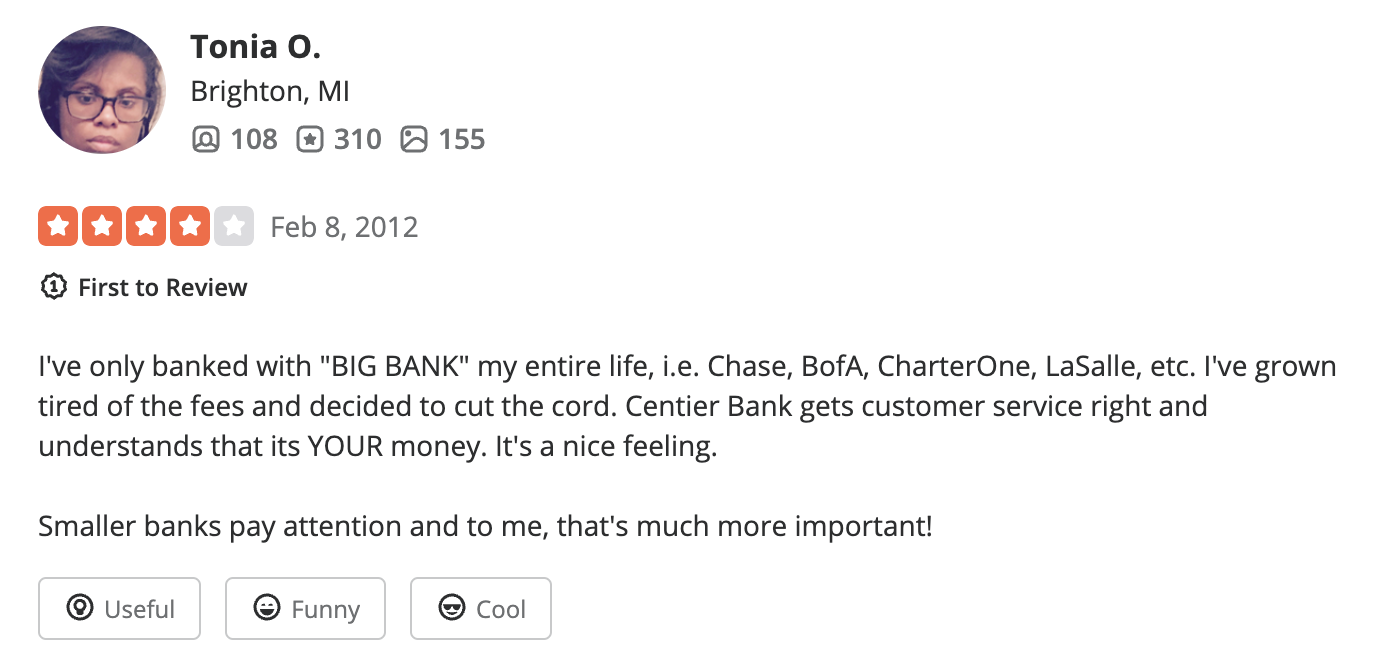
Centier Bank Review Yelp

In our workshops, I typically recommend that business owners bank away from bigger banks. I often cite community banks and credit unions as the best places to open business accounts. For the record, I’m also a fan of many regional banks.

Recommended: 3 Best Credit Unions for Small Business Banking

Centier Bank Company Overview

Henry Schrage founded Centier Bank in 1895, and the company has been registered in the state of Indiana since 1937 – The institution has been around for over a century. So far, the Schrage family still stands behind their “not for sale” promise to account holders and the community. 

I suspected that, after some digging, I might find that the company had been sold, in part, to someone outside the family…many times, marketing teams take plenty of liberty with their messaging. Fortunately, this time, that’s not the case. The current President and Director of Centier is Michael E. Schrage, Henry Schrage’s great grandson. 

Centier Bank Reviews BBB

In my experience, this level of transparency is quite rare, and it impresses me. The Schrage’s even opened a museum that details the history of Centier in Whiting, Indiana (about a 40 minute drive from the bank’s headquarters in Merrillville). 

Centier is the state of Indiana’s largest privately-owned bank, so the offer falls somewhere on the midline between big bank and community credit union. 

And, just for fun, here’s an image of a Minecraft build of the Centier Bank tower and lobby in Gary, Indiana by u/WillofIam.

Centier Bank Reviews Reddit

Recommended: Low-Risk NAICS Codes +Best SIC Codes for Business Credit in 2023 

Centier Bank Business Offer Summary

If you’re thinking of conducting any business banking with Centier, you need to know about more than the company size and leadership. So, let’s explore some details about the financial products. 

Business Banking Products

Centier Bank Business Checking Account

Centier Bank offers two business checking account options. 

The MyBiz Checking account is well-suited for small to mid-sized businesses. It provides features like free first 400 transactions, a business debit card, and various digital banking features, including account management and bill payments. Notably, this account does not have a monthly fee.

For businesses requiring Automated Clearing House (ACH) transfers and domestic Wire Transfers, the MyBiz Plus Checking account is an option. It has the same features as MyBiz Checking but includes ACH Origination and Wire Origination for a monthly fee of $15. 

These accounts cater to various business sizes and operational requirements, making Centier Bank a versatile choice for business banking needs.

Centier Bank Business Savings Account

Centier also offers a business savings account. It’s a no-frills business savings account designed to help businesses grow their savings while keeping costs in check.

The Commercial Savings account offered by Centier Bank is a straightforward option for businesses looking to save. To avoid the $3 monthly fee, you’ll need to maintain a minimum balance of $1,000 – This account earns monthly interest if the minimum balance is maintained, provides online access, and is FDIC insured, ensuring the safety of deposited funds. 

Centier Bank’s savings account interest rate is not disclosed in their advertising because it’s variable for the Commercial Savings accounts. However, personal accounts can earn up to 5%, so the amount is likely to be somewhere in this realm. Connecting your savings account to your checking account will impact the rate, as will the number of transactions going through your checking account each month. 

Recommended: Dun & Bradstreet / How to get a DUNS Number 

Online & Mobile Banking

How do I check my Centier balance?

Centier Bank’s business online and mobile banking offers a range of features to facilitate efficient banking for businesses:

  • Nationwide ATMs – Access to a wide network of ATMs.
  • ACH & wire – Facilitates electronic fund transfers between institutions.
  • Unlimited checks – No restrictions on check usage.
  • Mobile deposit – Allows depositing multiple checks through the mobile app.
  • Bill pay – Provides secure 24/7 bill payment services.
  • Manage cards – Easily handle card-related tasks.
  • Manage alerts – Customizable notification settings.
  • Money management – Tools to track expenses and financial goals.
  • Sub-user access – Control online banking permissions.
  • Quicken® and Quickbooks® integration – Convenient data export to popular financial software programs (in addition to Autobooks™).
  • Mobile banking app – 24/7 access to banking services.
  • Digital wallet – Compatibility with various mobile payment options like Google Pay and Apple Pay.

These services aim to streamline business banking, but specific terms and fees may apply depending on the chosen features.

Recommended: 6 Best Fintech Credit Cards to Apply for (Consumer & Business) 

Autobooks™ 

Centier Bank App

Autobooks™ is Centier’s bespoke digital payment solution for small businesses.

Features include:

  • Receive payments directly in your online and mobile banking.
  • Accept credit cards, debit cards, and ACH transfers.
  • Create custom digital invoices with your logo.
  • Easily monitor all transactions in one place.
  • Automate bookkeeping entries and access financial reports.
  • Receive expertise from Centier’s Business Banking team.

This solution can simplify payment processing and invoicing, accessible in your Mybiz Business dashboard and mobile banking. A transaction fee applies for card-based and ACH transactions after the first two months free trial.

The transaction fee for Autobooks™ is as follows:

  • 3.49% of the transaction amount for card-based transactions.
  • 1% of the transaction amount for ACH.

It’s important to note that there are no equipment costs or per-item charges associated with Autobooks.

Recommended: This is How to Leverage Business Credit to Transform Your Life 

Business Funding Offers

Centier Bank Business Credit Card

Centier Bank also offers a variety of business loans and lines of credit: 

  1. Term loans – These provide extended working capital with various terms and repayment choices, making them suitable for real estate acquisition, equipment purchase, and expansion.
  2. Lines of credit – Seasonal and revolving lines of credit offer short-term working capital to supplement cash flows, aiding in financing seasonal expenses and supplier discounts.
  3. Letters of credit – These assist in guaranteeing payment to suppliers and establishing credit with new vendors, whether for local or global trade.
  4. Middle market loans – Available for businesses with financing requirements from $1,000,000 to $115,000,000+, providing a diverse lending solution.
  5. Small business loans – Assistance with navigating Small Business Administration (SBA) loan options is available to help businesses find the most suitable option.

The terms for these Centier’s funding options vary. You can find our more by reaching out to a Centier banker in your area. 

Recommended: 6 Best Business Credit Cards for Entrepreneurs: Fuel Your Growth

Centier Bank Commercial Card

Centier Bank Credit Card

Centier Bank’s Commercial Card offers a range of benefits for your business. With this card, you can earn monthly cash back rebates, which are deposited directly into your Centier Business Checking account. 

The best part? – There are no membership or monthly service fees, and monthly payments are automatically debited from your business checking account for added convenience. 

You can also: 

  • Manage your cards
  • View account activity and statements
  • Run audit reports online
  • Issue employee cards
  • Monitor and control spending

Additionally, you can rest easy knowing that Mastercard provides protection against unauthorized charges if your card is ever lost or stolen. 

Recommended: Have You Heard About the Free Stripe Cashback Corporate Card? 

Frequently Asked Questions

What type of bank is Centier? 

Centier Bank is a full-service regional bank based in Indiana, offering a wide range of personal and business banking services, including checking and savings accounts, loans, credit cards, and more. It is a community-focused bank with a strong local presence.

Is Centier Bank FDIC insured? 

Yes, Centier Bank is FDIC insured. Your deposits with Centier Bank are insured by the Federal Deposit Insurance Corporation (FDIC) up to the maximum allowable limit, providing a high level of security for your funds.

What is the cut off time for Centier bank? 

The cut-off time for Centier Bank may vary depending on the specific transaction or service. It is advisable to contact your local Centier Bank branch or their customer service for precise cut-off times related to your banking needs.

How long does it take for a deposit to go through Centier? 

The processing time for deposits at Centier Bank can vary depending on the type of deposit and the specific transaction. Electronic transfers and direct deposits typically clear within a business day. For detailed information regarding a specific deposit, contact Centier Bank directly for accurate processing times.

Final Thoughts

In summary, Centier Bank offers a strong choice for business owners. They provide a range of business banking services, including tailored checking and savings accounts, funding options, and the Autobooks™ solution for payment processing.

As a family-owned regional bank in Indiana, Centier emphasizes community involvement and personalized service. Their online and mobile banking services offer convenience and flexibility.

The Commercial Card allows businesses to earn cash back rebates without monthly fees, making it a beneficial choice. Centier Bank is also FDIC insured, ensuring the safety of your funds.

Overall, if you’re a business owner in Indiana, Centier Bank is a solid and community-focused banking option to consider.Interested in learning how to get up to $100K in business credit in as few as 30 days? Join Business Credit Workshop today!   

Shopify Capital Review: What are the Benefits & is it Worth it? 

October 28, 2023 By Joe

Shopify Capital Review

eCommerce merchants who need a boost in cash flow have probably considered Shopify Capital as a source of funds. Are you wondering if you should accept a funding offer from Shopify? …I can help you decide!

In this post, I’m going to dive into exactly what Shopify Capital is, eligibility requirements, why you may or may not want to apply for an offer, and introduce some alternatives you may want to consider. 

Here’s what’s in store: 

  • What is Shopify Capital?
    • Company Overview
    • What are the Benefits of Shopify Capital?
  • Shopify Capital Loan Summary
    • Shopify Capital Eligibility Requirements
    • Shopify Capital Terms & Repayment
    • How to Apply for Shopify Capital
  • Shopify Capital Alternatives
  • Frequently Asked Questions
  • Conclusion: Is Shopify Capital Funding Worth it?

So, let’s roll! 

What is Shopify Capital? 

Does Shopify Capital charge interest?

Shopify Capital is like your online store’s financial wingman. It swoops in to offer cash advances to businesses that are rockin’ it on Shopify. If your store has a good track record and plays nicely with the Shopify platform, you might just be eligible to request a cash boost. 

This extra dough can be a game-changer – you can use it for all sorts of things like: 

  • Investing in more inventory
  • Revving up your marketing
  • Setting up shop in a physical store
  • Bringing in some extra hands to help out

So, Shopify Capital is essentially designed to help you scale your business.

But, there are tons of financial offers out there that can help you do this. How do you know if this is the one? Keep reading. 

Recommended: Behind the Scenes of Become.co: A Comprehensive Review 

Company Overview

Is Shopify a billion dollar company?

Founded in 2004, Shopify, aka Shopify Payments, aka Shopify Data Processing is a Canada-based, publicly-traded for profit company worth $1.3B. The company is leading the eCommerce game with their token online sales platform (but you already knew that, didn’t you?). 

I won’t delve too deep into Shopify’s app store or Shopify Plus – the enterprise eCommerce platform – but, I do want to take a quick look at the history of Shopify Capital. 

The company launched Shopify Capital in April 2016, as a merchant cash advance offer. Since then, they’ve provided billions of dollars in funding to their sellers worldwide. 

All Shopify Capital loans are funded by WebBank, which is also affiliated with Dell Business Credit, LendingClub, and Capital on Tap. While these aren’t my favorite funding offers for business owners, they are legitimate offers. 

Recommended: 41 Companies That Help Build Business Credit [Beyond Net 30 Vendors] 

What are the Benefits of Shopify Capital? 

Shopify Capital cash advance

Shopify Capital offers several benefits to eligible businesses:

  1. Quick, easy access to up to $5M – Shopify Capital simplifies the funding process. If your business qualifies, you can access the funds you need swiftly, which allows you to capitalize on opportunities or address financial challenges without lengthy approval processes.
  2. No fixed repayment schedule – One of the perks is that repayments are tied to your daily sales. This means that when your sales are high, you’ll pay back more. But, during slower periods, the repayment amount decreases, making it more manageable.
  3. No personal guarantees – Unlike some traditional loans, Shopify Capital doesn’t typically require personal guarantees (PGs), which reduces your personal financial risk.
  4. Customized funding – Shopify Capital tailors the funding amount to your business needs based on factors like your store’s history and performance.
  5. Invest in business growth – You can use the funds to invest in your business, with the goal being to increase your future profits.
  6. Transparent fees – The costs associated with Shopify Capital are straightforward, so you won’t encounter hidden fees or surprises.

These benefits make Shopify Capital an attractive option for Shopify merchants looking to fuel their business growth and address financial needs with flexibility and convenience. Now, let’s take a look at the actual details of the loan and how it stacks up in the lender marketplace. 

Now, let’s explore the cash advance offer in more detail. 

You might also like: What’s the Best Payment Processor for a Small Business? Really

Shopify Capital Loan Summary

Shopify Capital loan overview

When deciding whether a Shopify Capital loan is right for you, I think it’s most important to look at eligibility requirements, terms and repayment, and alternatives. So, let’s look at each of these facets of the offer.

Note: These details relate to the U.S. offer only. For other countries, see the Shopify help center. 

Shopify Capital Eligibility Requirements

Shopify Capital has certain eligibility requirements to qualify for its merchant cash advances in the U.S. 

To be eligible, your business should meet the following criteria:

  • Use Shopify as your sales platform – You need to be a Shopify merchant, which means your business should operate on the Shopify platform to apply for Shopify Capital.
  • Location – This program is available specifically for businesses in the United States, so you should be operating within the U.S. to be eligible (comparable offers are available for businesses in Canada, Australia, and the U.K. as well).  
  • Sales history – Shopify Capital considers your store’s history, which means businesses with a track record of sales on the platform are more likely to qualify.
  • Risk profile – The amount you can receive and the remittance rate depend on your risk profile. Factors like your store’s performance, sales, and other business metrics are assessed to determine this.

Remember that eligibility doesn’t guarantee funding, but meeting these criteria is a good start if you’re looking to access funds through Shopify Capital. It’s like a helping hand for businesses that are already up and running on Shopify in the United States.

If you have more questions or need further information, feel free to ask!

Shopify Capital Terms & Repayment

When Shopify Capital offers you a cash advance, it’s like giving your business a boost of cash. They’ll hand you a lump sum of money, and you pay it back from your daily sales. No need to stress about a fixed schedule for repayments. Instead, it’s a percentage of your daily sales, which is called the remittance rate.

Now, about those fees – the terms are pretty straightforward. 

Shopify Capital Trustpilot

Shopify Capital tells you upfront how much they’ll take for the cash they give you. So, let’s say they give you $5,000, and the fee is 10%. You’ll pay back a total of $5,650, which includes the initial $5,000 plus the 10% fee. 

Payments are automatically deducted from your daily sales, so you don’t have to worry about missing an installment. You can also choose to pay off the balance whenever you like – it’s all pretty flexible.

And the best part? 

No rush to pay it all back…there’s no set deadline. It’s all based on your daily sales, so when business is good, you pay more, and when it’s slower, you pay less. 

Easy peasy, right? Well…not so fast. 

Before you jump in head-first, consider how consistent your sales have been, and whether or not you anticipate any slow periods. 

Shopify Capital Reddit

If you’re unsure, you may not want to get in over your head. Shopify does have the right to collect their funds, even if your customers decide to hit the road and go somewhere else (it would be unfair if they didn’t).

Overall, Shopify Capital’s terms are what I would expect from any cash advance offer. And, their factor rates of 1.1 and 1.13 are reasonable, with other offers being as high as 1.5 and beyond.  

How to Apply for Shopify Capital 

Shopify Capital customer service

Applying for a Shopify Capital cash advance is a super straightforward process: 

  1. Log In to Shopify – If you have a Shopify store, log in to your account.
  2. Find Capital – Look for the “Capital” section in your Shopify settings.
  3. Pick an option – They’ll show you choices for how much money you want and how you’ll pay it back. Choose the one that works for you.
  4. Verify who you are – They’ll need to make sure you’re really you, so be ready to confirm your identity.
  5. Say yes to the rules – Read and accept the rules they give you. It’s like agreeing to the terms.
  6. Switch to Shopify Payments (if needed) – If you’re not already using Shopify Payments, they might ask you to switch to it.
  7. Submit your request – Hit the button to send in your request. Now, wait a bit for them to look it over (usually 1-3 business days).
  8. Get your money – If they say yes, they’ll put the money in your business bank account within two business days.

That’s it!…Ready to explore other options before you make that final decision?  

Shopify Capital Alternatives

While there are a ton of merchant cash advance options available, I’m most familiar with three of the most reputable. So, let’s compare Shopify Capital, Stripe Capital, and Credibly’s offers. 

Shopify CapitalStripe CapitalCredibly Financing
PlatformExclusively for Shopify merchantsAvailable for Stripe usersOpen to various businesses
EligibilityRequires a history with ShopifyBased on your Stripe activityOpen to businesses with requirements
Funding SpeedQuick approval and fundingRapid approval and fundingQuick funding decisions
RepaymentDaily percentage from salesDaily percentage from salesFixed daily or weekly payments
Repayment FlexibilityFlexible based on daily salesAdjusted based on salesFixed repayment schedule
FeesFixed fee determined upfrontFixed fee determined upfrontFees based on risk and terms

Each of these cash advance options has its own strengths and caters to different business needs. 

Shopify Capital is ideal for Shopify store owners seeking flexible, sales-based repayments. Stripe Capital is for Stripe users and offers rapid funding. Credibly offers financing to a broader range of businesses but with varying terms based on risk.

Now, a merchant cash advance has never been my go-to for business funding – You have many other options that are often more ideal. 

For one, traditional loans are like the ones you get from banks and credit unions, often cheaper but harder to secure because they require a strong credit history and collateral. And, business lines of credit work like credit cards for your business, offering flexibility, but interest rates can fluctuate. Both of these are pretty standard, and you can get into these types of funding when you maximize your business credit. 

Recommended: This is How to Leverage Business Credit to Transform Your Life 

Next, SBA loans, backed by the government, come with good rates and reasonable monthly payments, but their complex application process can be challenging. Then, online business loans, like offers from Become, Lendio, or Fundbox – provide quick funding but may have fairly high costs. 

Moreover, crowdfunding and peer-to-peer lending let you seek funds online, but success isn’t guaranteed. Finally, if you have personal savings or assets, you can use them, but it involves a risk to your personal finances.

Recommended: Y Combinator: Fast Track to Success or Waste of Time? 

Remember, the best choice depends on your specific business situation and preferences. So, consider your needs and the terms that suit you best when deciding.

Frequently Asked Questions

Can you negotiate Shopify Capital? 

No. Shopify Capital offers fixed terms, including fees and repayment percentages, which are not negotiable.

How long does it take for Shopify Capital to be approved? 

The approval process typically takes 1-3 business days, but in some cases, it might take longer.

What percentage of profits does Shopify take? 

Shopify Capital takes a fixed fee, which is determined upfront. The percentage varies based on your specific cash advance offer.

What company owns Shopify? 

Shopify is an independent company, and it’s publicly traded on the New York Stock Exchange and the Toronto Stock Exchange. It has been shareholder-owned since 2015. 

Conclusion: Is Shopify Capital Funding Worth it? 

In most cases, I don’t recommend merchant cash advances for business funding, because the fees tend to be super steep, and better options are usually available. With that said, Shopify Capital does have a reputable offer with fair terms…Plus, it’s super easy to pay back one of these cash advances (how long that takes will depend on your sales). 

So, if you like the offer, your business is located in a region where it’s available, you meet the other eligibility criteria, and you really need the money now, go ahead and apply. 

Also, If you’re interested in learning how to get up to $100K in business credit in as few as 30 days, join Business Credit workshop today.  

Buildium Property Management Software: An Extensive Review

October 19, 2023 By Joe

Buildium Review

With today’s technology, property management can be a breeze…as long as you choose the right tools. With tons of options on the market, how do you know you’re choosing the right property management app? Well, you need to know exactly what you’re getting into. 

Here, I’ll break down the pros and cons of Buildium. We’ll look at an overview of the company, platform features, pricing, and even see how Buildium stacks up next to some popular competitors in key areas.

Recommended: The Best Credit Cards for Landlords: A Comprehensive Guide 

Here’s what’s in store: 

  • What is Buildium?
    • Buildium Company Overview
    • +Boost Your Property Management Business with a Tenant Rent Reporting
  • Buildium Pricing
  • Buildium’s Key Software Features
    • Rental Listings
      • International Limitations
    • Expense Management
    • Online Rent Collection
    • Maintenance Workflow Management
    • Stress-Free Tax Season
    • Maximized Rental Exposure
    • Tenant Screening
    • Professional Business Websites
    • Streamlined Online Leases
    • Integration Potential
    • Resident Support
    • User Support
  • Buildium Competitors
  • Frequently Asked Questions
  • Final Thoughts: Is Buildium The Right Platform for You?

Let’s get on with it!  

What is Buildium? 

Buildium is a full-featured, cloud-based property management software designed to simplify and streamline the tasks and operations associated with managing rental properties. 

It’s tailored for: 

  • Property managers
  • Real estate professionals
  • Landlords
  • Property management companies
  • Self-managed condos
  • Homeowners associations

Buildium offers a wide range of features and tools as well as customized business options like the option to your own lease agreements and rent collection processes. Furthermore, it offers an Open API (to integrate with other software, expand functionality, and meet specific needs).

Buildium Software Review

Buildium software is used by a variety of property managers, including those managing residential properties, commercial properties, and mixed portfolios. The app aims to improve operational efficiency, transparency, and the overall experience of property owners, tenants, and homeowners.

Before we dive into the features, let’s learn about the company. 

Buildium Company Overview

Buildium is a Boston-based, global business that was founded in 2004 by Dimitris Georgakopoulos and Michael Monteiro, who both worked at Sapient prior to launching Buildium. Both founders have a lot of irons in the fire, but have a capable background nonetheless. 

Georgakopoulos is a senior executive at Zeno Capital, The Helidoni Foundation, and Outseta and an advisor for ePropertyCare in addition to his current role as President at Buildium – Monteiro, currently a Buildium board member, is an investor with ties to Mpactful Ventures, One Plant, and Wren.  

In 2019, RealPage purchased Buildium –along with several other acquisitions– for $580 million. At that time, Buildium was said to have 2 million properties in over 50 countries under their management. 

According to Crunchbase, the company is responsible for managing over 1 million properties in 46 countries, but I have a feeling that number hasn’t been updated in awhile…The Buildium customer support specialist I spoke with first said there are hundreds of thousands of properties managed on the platform and that they just hit over 25K customers. 

Bottom line: Buildium is a legit company with a solid background. 

+Boost Your Property Management Business with a Tenant Rent Reporting

Buildium does offer a feature that allows property managers to report rent payments to credit bureaus. While this is a valuable service for tenants, it can also significantly benefit your property management business. 

Rent Reporting, powered by Buildium, is an elective fee-based service accessible through Buildium Resident Center. This service offers residents a straightforward way to register and make payments. 

On a monthly basis, Rent Reporting automatically transmits the tenant’s rent payment data to the three major credit bureaus, namely Equifax, Experian, and TransUnion. This process results in the establishment of a comprehensive credit history record for the residents.

Buildium Reddit

By giving tenants the option to have rent payments reported to credit bureaus, you can incentivize on-time rent payments, reduce delinquencies, and attract responsible tenants – This is a win-win scenario where tenants can build their credit history, and you can maintain a steady stream of rental income while promoting financial responsibility among your residents. 

It’s a feature that adds a layer of trust and reliability to your property management business while helping tenants improve their financial profiles (and it’s something that’s difficult to do on your own).

Recommended: eCredable: A Deep Dive Into the Business Credit Reporting Platform 

Buildium Pricing

Buildium offers three distinct pricing plans to cater to various property management needs:

  • Essential Plan (Starting at $55/month) –  Core features for day-to-day property management.
  • Growth Plan (Starting at $174/month) – Additional features, support, and performance insights for optimizing and expanding your business.
  • Premium Plan (Starting at $375/month) – Access to an Open API for creating integrations with other software.

Buildium also offers a free 14-day trial with real-world sample data, allowing you to explore the software without providing credit card information.

Buildium’s Key Software Features

Let’s talk about what you get with a Buildium subscription. From listing and screening to accounting and more. 

Rental Listings

Easily manage your rental properties with Buildium’s intuitive listing feature. You can create and update listings effortlessly, showcasing your available properties to potential tenants. The user-friendly platform simplifies the process, which can help you attract and engage with prospective renters.

Buildium app review

If you’re located in the U.S., this may be all you need to know about listings. But, for international users or those with properties offshore, you should know there are some restrictions… 

International Limitations

Buildium has limitations for international listings that you need to consider (but this doesn’t mean it’s not going to work for offshore property management):

  1. Buildium is available exclusively in English, which may pose challenges for property managers and residents who primarily use other languages.
  2. The support and onboarding assistance provided by Buildium follow Eastern Standard Time (EST). This can be inconvenient for international customers, especially those in different time zones.
  3. The online payment feature (ePay) in Buildium is designed for customers with U.S. or Canadian business bank accounts – This limitation means that international customers may not be able to utilize this convenient payment method.
  4. Buildium does not support multiple currencies within the same account for bookkeeping purposes. This limitation can be challenging for property managers dealing with transactions in different currencies.
  5. Buildium does not offer listings syndication to international property management websites. This can make it harder for property managers to advertise their listings to a global audience.
  6. The tenant screening feature is not available to international customers. This can be a drawback for property managers who wish to conduct thorough tenant background checks.

These restrictions can be important factors for international businesses. So, be sure to take them into account when evaluating whether Buildium is the right fit for your specific needs.

Expense Management 

Buildium simplifies the task of tracking property-related expenses and financial records. Its purpose-built property accounting software helps users manage their financials accurately and efficiently. 

What is Buildium used for?

It streamlines the often complex process of financial record-keeping, ensuring that property managers have a clear understanding of their expenses.

Online Rent Collection 

With Buildium’s online rent payment platform, collecting rent payments becomes quick and hassle-free. This feature allows property managers to receive rent payments online, automating the rent collection process. 

Buildium pay rent

This benefits both property managers and tenants by eliminating the need for manual transactions and enhancing the convenience of rent payments.

Recommended: ​This is How to Pay Rent with a Credit Card (Home or Business) 

Maintenance Workflow Management

Buildium optimizes the process of managing maintenance requests and work orders. Tenants can submit maintenance requests electronically through the Maintenance Contact Center, which are then assigned, tracked, and communicated seamlessly through the software. 

Buildium customer service

This centralized system can significantly improve operational efficiency and ensures timely issue resolution.

Now, this does come at an added cost. 

Who uses Buildiium?

The Maintenance Contact Center offers flexible pricing plans starting at a minimum of $140 per month to cater to various needs. 

The “All Maintenance Calls” plan is priced at $1.10 per unit per month and provides around-the-clock coverage, including holidays. This plan handles all inbound service calls, gathers relevant information, and assesses whether the issue is an emergency or not. 

On the other hand, the “Missed Maintenance Calls” plan costs $.70 per unit per month, with the same 24/7 coverage. During office hours, it answers any missed inbound service calls, and after office hours, it manages all inbound calls, also collecting necessary information. 

Additionally, there is a one-time setup fee of $300.

Stress-Free Tax Season 

For property managers, tax season can be a daunting task. However, Buildium simplifies this process by providing 1099 e-filing capabilities. This feature makes it easy to create 1099s, reducing the complexity and stress of tax preparation. 

Buildium Pros and Cons

Property managers can maintain their financial records in an organized manner, ensuring compliance with tax regulations.

Maximized Rental Exposure 

Buildium enables users to advertise rental listings with ease. Through its rental listing syndication feature, property managers can effortlessly increase their property’s visibility. 

How to use Buildium

By syndicating listings to various rental platforms, property managers can attract a broader audience, potentially leading to quicker vacancy fillings.

Tenant Screening 

Buildium’s tenant screening feature offers comprehensive tenant background checks that include: 

  • Credit reports
  • Eviction history
  • Criminal convictions
  • Identity verification 
Buildium tenant portal

Property managers can make informed tenant selection decisions, reducing the potential for tenant-related issues.

Professional Business Websites 

Buildium provides users with a free property management website hosted on their platform. This feature enhances the online presence of property managers and their professionalism. 

Property management software for real estate agents

Property managers can showcase their properties and services to attract both tenants and clients, ultimately setting them apart in the competitive real estate market.

Plus, a professional online presence is a crucial component to get your company “business credit-ready” when you want to obtain substantial lines of credit. So, a website can kill a bunch of birds with one stone.    

Streamlined Online Leases 

Property managers can digitize and streamline the entire leasing process with Buildium. From lease agreement templates to applications, signatures, and tenant onboarding to doc storage, this feature enhances efficiency and convenience. 

Buildium sign in

Both property managers and tenants benefit from a modern and accessible leasing experience.

Integration Potential

While Buildium offers an Open API, which allows users to integrate the software with other solutions, improving operational efficiency. This is a feature that’s been added some time in the past four years, and appears to have been a popular request. 

Buildium reviews Reddit

An integration with Buildium into your other software can enhance data sharing and streamline workflows, making day-to-day property management processes more efficient.

Resident Support 

The Resident Center in Buildium focuses on enhancing resident engagement and improving communication. By providing tools that empower residents to connect and access information, Buildium helps property managers deliver a better resident experience. 

You can accomplish quite a few tasks: 

  • Collect payments
  • Track maintenance requests
  • Deliver text and email updates
  • Share and store maintenance documents
Buildium property management

High resident satisfaction can lead to tenant retention and a positive reputation for property management, and thats what Resident Center is designed to help with. 

Plus, remember, Buildium can help you report your tenants’ on-time payments to the credit bureaus – renters love this. 

Recommended: Credit Secrets Book Review: Can You Erase Bad Credit History? 

User Support 

When I speak to the quality of a company’s customer service, I like to reach out on my own (rather than rely on Trustpilot reviews). I can say that Buildium’s customer support chat did not disappoint – I asked a question (during weekday business hours) and was connected to an agent within less than a minute. The agent was courteous, quick, comprehensive, and to the point with his answers. 

While chatting with the agent, I was invited to be connected to a product specialist and given personal contact information for any future outreach. In my limited experience, this tells me that their support processes are attentive.  

With that said, Trustpilot’s users have had a mixed bag of experiences. 

Buildium review complaints

Some users have praised the support staff who know their stuff and are ready to help. They’ve had their issues resolved satisfactorily and love how it streamlines their property management tasks. 

However, not everyone’s on the same page – Some folks have had a tough time setting up the platform to fit their specific needs and have expressed frustration over delays and the lack of implementation support. Slow responses and e-payment quirks also got their share of complaints. 

Your experience might depend on which seat you’re in…just keep in mind dissatisfied users typically tend to be more likely to leave a review than satisfied users. 

Buildium Competitors

Appfolio tends to come up most often as a Buildium competitor. But, there are also tons of options, the most popular being YardiSystems, RentRedi, and TurboTenant. So, let’s peek at a quick comparison of these solutions. 

BuildiumAppFolioYardi SystemsRentRediTurboTenant
Rental Listings✅✅✅✅⛔
Tenant Screening✅✅✅✅⛔
Lease Management✅✅✅✅⛔
Rent Collection✅✅✅✅⛔
Property Accounting✅✅✅⛔⛔
Maintenance Requests✅✅✅✅⛔
Communication Tools✅✅✅✅⛔
Reporting and Analytics✅✅✅LimitedLimited
Customization✅✅LimitedLimitedLimited
International SupportLimited✅✅LimitedLimited
Multi-Currency Support⛔⛔✅⛔⛔
Rent Reporting to Credit Bureaus✅⛔Limited⛔⛔
Price Range$52-$479 monthlyUndisclosedUndisclosed$19 and up monthly$0 to $35 monthly
(per unit) 

Be sure to do your due diligence and make sure this info is up to date. 

Frequently Asked Questions

Is Buildium good for accounting? 

Yes, Buildium is equipped with property accounting tools, making it suitable for property management accounting needs.

Does Buildium export to QuickBooks? 

Yes, Buildium offers the ability to export your financial data to QuickBooks for seamless accounting integration with the Open API. Though, this requires technical knowledge. 

Does Buildium have an audit trail? 

Yes, Buildium provides an audit trail feature to track changes and maintain transparency in your property management operations.

What is the difference between Buildium and AppFolio? 

Buildium and AppFolio are both property management software solutions, but differences lie in features, pricing, and customization — The right choice depends on your specific business needs.

Final Thoughts: Is Buildium The Right Platform for You? 

Buildium is a comprehensive property management solution tailored for property managers and real estate professionals. Its array of features includes easy rental property management and listings, efficient tenant screening, customizable lease agreements, and simplified rent collection through online payments. 

Property accounting, maintenance request management, and communication tools are seamlessly integrated into the platform. Moreover, Buildium provides access to reporting and analytics tools for tracking essential metrics. 

While it offers various pricing plans to cater to different needs, the cost may vary depending on your specific requirements. As with any software, there might be a learning curve when initially getting started with Buildium, customer service could be hit or miss, and there are definite limitations for international listings. 

In all, I think Buildium is awesome…for those whose needs the platform meets. I would recommend signing up for the free trial to poke around and see if it’s going to work for you. I use it myself, and think it’s an easy-to-use and well priced property management software for landlords.

Are you interested in learning how you can obtain up to $100K in business credit in as few as 30 days? Join Business Credit Workshop today!
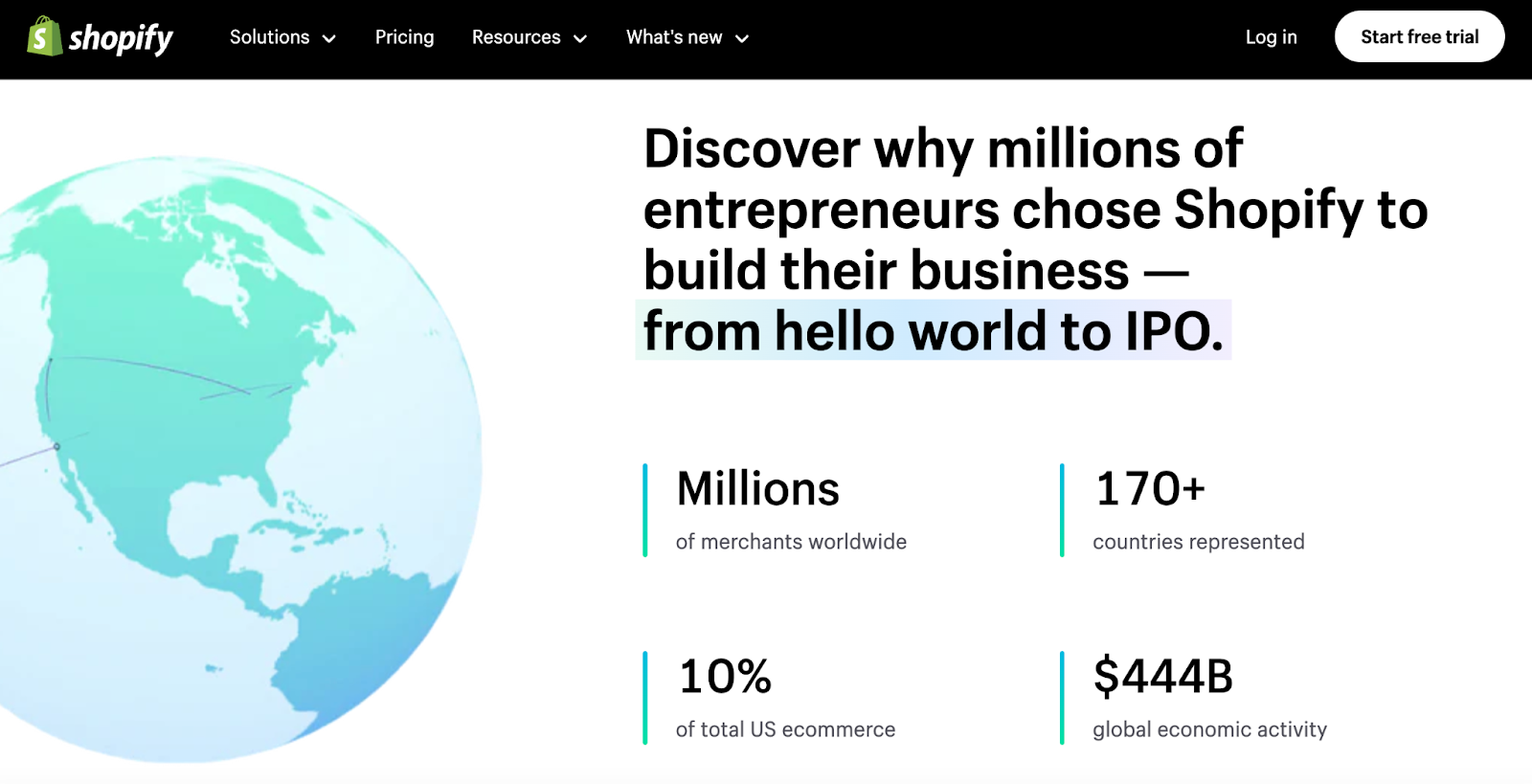
Is the Nav Prime Card Right for Your Business? Let’s Find Out!

October 8, 2023 By Joe

Nav Prime Business Credit Card

In the world of small business, access to credit can be a game-changer. Whether you’re a seasoned entrepreneur or just starting, the financial flexibility to seize opportunities, manage cash flow, and fuel growth is essential. 

That’s where the Nav Prime Card might step in as a compelling tool to help you navigate the complex landscape of business credit. 

But, is it right for you?…That’s what I’m going to answer here.

This is what’s in store: 

  • What is the Nav Prime Card?
  • Nav Prime Card Overview
    • Business Credit Building Features
    • No Security Deposit Required
    • Daily Autopay Feature
    • Second Monthly Tradeline
  • Who Wouldn’t Want a Nav Prime Card?
  • How to Get Started with the Nav Prime Card
  • Frequently Asked Questions
  • So, is the Nav Prime Card legit?

Now, let’s roll! 

What is the Nav Prime Card?

The Nav Prime Card is a charge card offered by Nav Prime ($49.99/month), designed for small businesses. It allows users to build business credit without an annual fee or personal guarantee. Unlike a credit card, it requires no security deposit and is linked to the user’s business checking account for daily use.

Nav Product Plans & Pricing

Nav can boost your business credit score and provide personalized funding recommendations for your small business you can't find anywhere else.

Start Now
Lasso Brag

This card is more than just a piece of plastic. It can be a financial lifeline for small businesses, offering a range of benefits designed to help you build, strengthen, and leverage your business credit profile. 

The Prime Card is issued by Blue Ridge Bank, N.A., adding a layer of credibility. Moreover, Nav, the company behind Nav Prime, is a well-established player in the business credit space, offering a range of financial tools and resources for businesses.  

Nav Prime Business Credit Card Review

Before Nav became Nav in 2012, the company was called Creditera, and was helping to boost business credit scores before most of the other players in the game.

Let’s dive into the details and explore why the Nav Prime Card is becoming a top choice for savvy entrepreneurs.

→ Recommended: Nav Review: A Tool that Helps Build Up Your Business Credit Score 

Nav Prime Card Overview

When it comes to the financial success of small businesses, one element often stands out: building a robust business credit profile. But, this isn’t always straightforward to achieve, especially if you’re just getting started or have limited credit history. 

Nav Business Credit Card

That’s where the Nav Prime Card steps in, offering a solution to this common challenge.

Business Credit Building Features

Building a robust business credit profile is a cornerstone of financial success for small businesses. However, it’s not always easy, especially if you’re just starting or have limited credit history. 

The Nav Prime Card is specifically designed to address this challenge.

Here’s how it works: 

  • It’s a charge card – Unlike traditional credit cards, the Nav Prime Card is a charge card, which means you need to pay your balance in full every month.
  • There’s no credit check – One of the hurdles many small business owners face is the dreaded credit check. The Nav Prime Card removes this barrier by not requiring a credit check for approval. This is fantastic news for those with less-than-perfect credit or those looking to avoid inquiries on their personal credit reports.
  • The account reports as a tradeline – The Nav Prime Card reports your payment activity as a tradeline to major credit bureaus. This is where the magic happens; your responsible card usage translates into positive data on your business credit report, gradually boosting your business credit scores.

→ Recommended: Using 30 Day Net Vendors to Build Your Business Credit Score 

No Security Deposit Required

Securing a traditional business credit card often involves putting down a security deposit, which ties up your capital. The Nav Prime Card eliminates this requirement, giving you access to credit without tying up your cash. It’s a win-win for your business’s financial health.

Daily Autopay Feature

Managing your credit card balance can be a juggling act. The Nav Prime Card simplifies this process with its daily autopay feature. Instead of fretting over a big monthly bill, your card balance is automatically paid down daily, which reduces the risk of carrying a high credit balance and potential interest charges.

Second Monthly Tradeline

In the world of credit building, tradelines are your best friends – The Nav Prime Card provides a unique advantage by automatically sending two monthly tradelines to all three major credit bureaus. This means your positive payment history is widely reported, strengthening your business credit profile faster.

But, it’s not right for everyone. 

→ Recommended: Here’s How to [Actually] Get Business Credit With Just an EIN +More Options 

Who Wouldn’t Want a Nav Prime Card? 

Nav Prime Business Credit Card Reviews

While while Nav Prime has a good offer, here are some of the groups who might not want to take advantage of the card offer:

  1. Budget-savvy startups – If you’re a fresh-faced startup trying to make every dollar count and the Nav Prime Card asks for a monthly fee of $49.99 for Nav Prime, this could throw a curveball into your penny-pinching game. Early-stage businesses might steer clear to keep their costs in check
  2. Privacy buffs – If you need to guard their data like a treasure chest, keep in mind that the Nav Prime Card wants access to your bank accounts to set a credit limit. If you need to be all about data security and privacy, you might go, “No way!” and opt for another option. (But, nearly all card offers will require that you share at least some identifying info).
  3. Geographically-challenged folks – Is your business California, Nevada, North Dakota, or South Dakota? Unfortunately, the Nav Prime Card doesn’t roll out the welcome mat in these states. So, if you’re doing business in any of these areas, it’s a no-go. 
  4. Owners looking for a credit card – If you’re in the market for an unsecured credit card that you can use to expand and grow your business, you don’t need a business credit builder card (you might check out one of these instead). 

These are the kinds of folks who might give the Nav Prime Card a polite pass. Whether they’re all about frugality, data security, or just prefer a different financial vibe, they’ve got their reasons to set their eyes on a different offer.

→ Recommended: Torro Business Funding Review: Is This “Zero Hassle” Offer Legit?

How to Get Started with the Nav Prime Card

Now that you’re intrigued by the Nav Prime Card’s benefits, you might be wondering how to get your hands on one. 

Here’s a step-by-step guide to kickstart your journey to building and leveraging business credit with Nav Prime:

  • Step 1: Check your eligibility

Before applying for the Nav Prime Card, ensure that you meet the eligibility criteria. While the card is designed to be accessible, it’s essential to confirm that your business qualifies.

In simple terms, if you want to sign up for a Platform Account, you need to meet some requirements:

  • Your business must be based in the United States.
  • You should have an active Nav Prime subscription.
  • You have to complete identity verification, which means proving who you are.
  • Your business can’t be involved in certain activities like adult entertainment, selling cannabis, dealing with cryptocurrency, running gambling or online gaming, or anything else that doesn’t go well with this card.
  • The person applying for the account must be at least 18 years old and allowed to do this on your behalf.
  • They might look at some other things to decide if you can get an account or the card, but that’s up to them.
  • Step 2: Apply online

The application process for the Nav Prime Card is straightforward and can be completed online. Be prepared to provide basic information about your business, such as its legal structure and industry.

Nav Prime Business Credit Card Application
  • Step 3: Link your bank account

To set your credit limit and enable daily autopay, you’ll need to link your business bank account to your Nav Prime Card account – This step streamlines your finances, providing insights you can’t get from your bank alone.

  • Step 4: Use your card responsibly

Once you receive your Nav Prime Card, it’s time to put it to work. Use it for your everyday business expenses…but remember that it’s a charge card, so paying your balance in full each month is crucial.

  • Step 5: Watch your business credit grow

As you consistently use your Nav Prime Card and make on-time payments, you’ll start to see the positive impact on your business credit profile. Over time, your business credit scores will rise, opening doors to better financing options.

Nav Prime Business Credit Card Login

Frequently Asked Questions

What's the difference between a charge card and a credit card?

While both types of cards allow you to make purchases, there’s a key distinction. A charge card requires you to pay your balance in full each month, while a credit card allows you to carry a balance and make minimum payments. The Nav Prime Card is a charge card, offering the benefits of credit without the risk of long-term debt.

Can the Nav Prime Card help me secure business financing?

Yes, absolutely. By consistently using and managing your Nav Prime Card responsibly, you’ll build a strong business credit profile. This, in turn, enhances your eligibility for various financing options, including business loans, lines of credit, and more favorable terms.

Is the Nav Prime Card available nationwide?

Nav Prime Card is available in most states; however, it’s not currently offered in California, Nevada, North Dakota, or South Dakota.

How long does it take to see improvements in my business credit scores with the Nav Prime Card?

The timeline for credit score improvement can vary based on several factors. According to data tracking Experian® Intelliscore Plus business credit scores, many users have seen improvements of up to 50% in the first three months of having Nav tradeline reporting. Results may vary, but responsible card usage is key to achieving these improvements.

So, is the Nav Prime Card legit? 

The Nav Prime Card is more than just a business charge card; it can be a powerful tool for building, strengthening, and leveraging your business credit profile.

 With its unique features, including no credit checks, no security deposit, daily autopay, and the reporting of two monthly tradelines, it’s a valuable asset for small business owners looking to secure better financing options and improve their financial health. 

If you’re ready to take control of your business credit journey, you can spare $49 per month for full access to Nav Prime, and if you’re in a region where the offer is available, the Nav Prime Card is probably worth looking into.

Do you want to learn how to get up to $100K in business credit in as few as 30 days? Join Business Credit Workshop today!
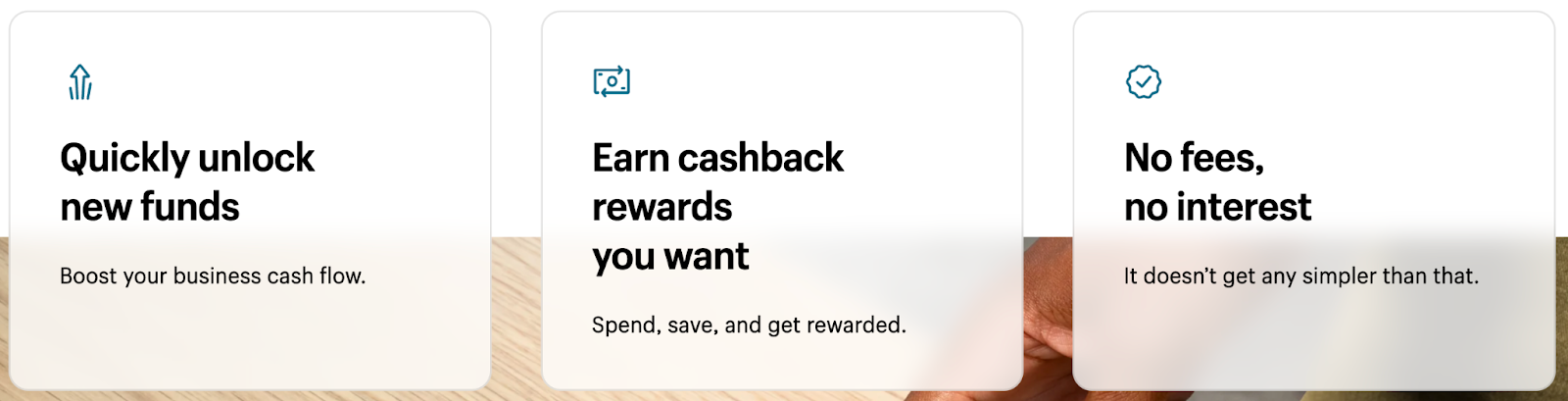
nav-try-2

Behind the Scenes of Become.co: A Comprehensive Review

October 1, 2023 By Joe

Become.co review

Become.co – aka “Become” – is a relatively new player in the online lending field, offering financial solutions for owners looking to optimize profits and obtain funding to grow their business. 

The offer has received mostly positive reviews with a Trustpilot rating of 4.6 (believe it or not, this is impressive for a financial offer). Users have praised their services, highlighting quick and effective funding solutions. They’ve also mentioned friendly and professional staff, as well as seamless processes.

Become seems to go above and beyond traditional business lenders, but is the offer real or hype? 

That’s what I intend to explain (in detail). Let’s explore everything Become might be able to help you achieve, and see how they stack up next to competitors. 

Here’s what’s in store: 

  • What is Become.co?
  • What Type of Business Loan Can You Get Through Become?
    • How to Qualify for Funding
  • eCommerce Loans
    • The BeProfit™ App for Online Sellers
  • Industry-Specific Loans
  • LendingScore™ & MatchScore™
  • Frequently Asked Questions
  • Conclusion

Let’s begin! 

What is Become.co? 

Become was founded in 2016 by Amir Leitersdorf, Daniel Katz, Eden Amirav, Guy Zipori, Iri Amirav, Ofer Ariel, and Uri Sittan. The company is based in San Mateo, California, and has received Series A funding totaling $15.2 million. 

The offer is an end-to-end financial optimization platform and loan marketplace for small and medium-sized businesses (SMBs). In a word, it uses advanced algorithms to provide customized funding offers to SMBs, helping them scale and grow their businesses.

Become.co login

We’ve seen comparable business funding algorithms before – from companies like Divvy (credit card), Fundbox (loans/credit lines), and Lendio (funding marketplace), to name a few. But, Become doesn’t just use technology to match business owners with lenders.

Become goes a bit farther with their offer, and gives business owners access to solutions that help them scale: 

  • A vast array of business loans from various lenders
  • Transparent LendingScore™ dashboard
  • MatchScore™ to pair SMBs with lenders 
  • Automated application review
  • The BeProfit app (to help track and analyze eCommerce profits)

Let’s peek behind the curtain at the solutions you might want to take advantage of. 

Recommended: 6 Best Fintech Credit Cards to Apply for (Consumer & Business)  

What Type of Business Loan Can You Match With Through Become? 

As I said, Become can get you access to an array of loans. But, in straightforward terms, what’s this mean for you? 

Here are the types of business loans Become can match you with:  

  • Commercial vehicle loans
  • Startup business loans
  • Asset-based loans
  • SBA loans
  • Lines of credit 
  • Business equipment loans
  • Unsecured business loans
  • Invoice factoring & merchant cash advances (MCAs)

As you first dive-in to the offer, it appears that Become is like a Credit Karma for business (though they’ve referred to themselves as the “Tinder” for business). 

You might also like: Torro Business Funding Review: Is This “Zero Hassle” Offer Legit?

How to Qualify for Funding

In sum, Become wants to see your credit score (it seems that they use their own proprietary LendingScore™ as opposed to Paydex or FICO), time in business, and revenue. 

Keep in mind that since Become works with so many lenders, a poor credit score won’t necessarily disqualify you from obtaining funding. But, it might limit you to certain types of loans (probably high-interest funding like MCAs or invoice factoring). 

If you’re based in America, you’ll need a business that’s been operational for at least 3 months. This qualification doesn’t seem to be negotiable, and the only way around it would be a creative solution like purchasing a shelf company. 

Finally, Become wants to see that your business brings in an average of $5K in revenue per month.

Now, if you don’t qualify for funding through the platform, you will be informed about why, and shown how you might improve your business health and improve your LendingScore.™  

eCommerce Loans 

Working in the eCommerce space? If you sell on Amazon or Shopify, you can connect your store to the platform (no paperwork required) and find out if you qualify for funding – you can potentially receive up to $100K within a day. 

You may also need to connect to your online advertising channels to rate your marketing efforts. 

Currently, Become partners with Kapitus, Everlasting Capital, and Pearl Capital to match funding offers with online sellers who qualify. 

Here’s what you should know about these partners:

  • Kapitus requires a 625 credit score, 2+ years in business, and $250K annual revenue 
  • Everlasting Capital primarily offers MCAs & equipment financing, which are likely high-interest
  • Pearl Capital is a technology partner that probably makes Become’s business analysis possible
Become review

This should give you an idea whether or not it’s worth applying for an eCommerce loan through Become – Keep in mind that the platform will show you personalized areas for improvement if you aren’t currently eligible for financing through one of their partners. 

The BeProfit™ App for Online Sellers  

Next, let me introduce BeProfit: It’s an app that helps you dig deep into your online sales profits, so you’re not just guessing about your financial health.

BeProfit app

BeProfit gets all your expenses, from shipping to discounts, neatly organized in one place. You can quickly spot what’s boosting your profit and what’s dragging it down, so you can make smart decisions.

Plus, it’s super user-friendly. No need to drown in complicated numbers and reports. BeProfit simplifies everything into easy-to-understand reports, giving you more time to focus on growing your business.

Now, is it relevant or right for you? 

BeProfit is available on Shopify, Woo, and Amazon, and costs from $20 to $2000 per month to use (though you can use it for free on Shopify if you have fewer than 5 monthly orders).  

Note: All plans include features related to shipping, discount, products, inventory, marketing, and returns. 

Monthly PriceYearly PriceOrdersShopsFeatures
Basic$20$2402001Profit Dashboard, Custom Expenses 
Advanced$60$7206001Advanced Analytics, 3 Team Members
Pro$120$144012001Retention Analytics, 5 Team Members
Plus (Custom)Starts at $200–UnlimitedUnlimitedDeep Analytics, VIP Support

Please note that the prices mentioned are subject to change, and it’s always a good idea to check the latest pricing for the most up-to-date information.

Industry-Specific Loans

While their offer for online sellers stands out, eCommerce isn’t the only niche that Become caters to. The company is all about helping businesses get the right funding they need. They offer tailored loans for various industries. 

Become business loan

Whether you’re in the hotel business, a contractor, a realtor, or even run a restaurant, they’ve got you covered. Construction companies can find financing options that suit their needs, and the same goes for trucking businesses. It’s like a one-stop-shop for business funding.

What’s cool is that they use technology to match you with the best lender for your specific industry. So, you’re not dealing with a generic loan but one that understands the challenges and opportunities in your field.

Plus, they make it easy to apply, and you can compare offers to choose what works best for your business. So, if you’re in one of these industries and need financing, it might be worth checking out – It’s all about making business funding as simple as walking into a convenience store.

LendingScore™ & MatchScore™  

Before we wrap up, let’s get a quick overview of how LendingScore and MatchScore work.

LendingScore is like a financial fitness tracker for your business. It delves into your financial details, analyzing your credit, income, and history to determine how prepared you are for a loan. Instead of filling out numerous loan applications, LendingScore™ streamlines the process by allowing you to submit just one. Then, it takes on the role of matchmaker, connecting you with top lenders who are more likely to approve your loan application. It’s akin to having a personal coach for your business finances, helping you navigate the world of loans with ease.

On the other hand, MatchScore is your loan cupid. This tool takes your business’s financial profile and starts swiping right on lenders who are a perfect fit. Think of it as a dating app, but for loans! Instead of you scouring the market for lenders, MatchScore does the legwork for you. Its primary goal is to find the loan that aligns perfectly with your business needs. No more blind dates with banks – MatchScore ensures that you and the lender are a match made in financial heaven.

In summary, LendingScore assesses your loan readiness, while MatchScore acts as your personal loan matchmaker. With these handy tools, you can navigate the loan application process effortlessly and discover the ideal financing option that suits your business like a glove. 

Frequently Asked Questions

Can you get a loan for eCommerce?

Yes, you can get a loan for your eCommerce business. Many lenders offer small business loans for eCommerce, like Become and Stripe Capital.

Can you do eCommerce with no money down?

It’s tough but possible. Consider options like drop shipping or print-on-demand, where you don’t need upfront funds for inventory. And, some people who don’t want to pay to host a website, sell manually on Instagram, Facebook Marketplace, and Craigslist.

How to get a loan to start an eCommerce business?

To get an eCommerce loan, prepare a solid business plan, demonstrate your ability to repay, and find a lender that fits your needs.

How much money do you need for eCommerce?

The amount varies, depending on your niche and plans. Costs can include website development, inventory, and marketing.

Do you need a lot of money to start eCommerce?

Not necessarily. Many start small and reinvest profits to grow over time. Careful planning can help you start with a lean budget.

Conclusion

So, is Become the real deal or just a bunch of hype? 

My opinion: it appears to be a promising financial optimization and funding platform for SMBs – Their tailored funding solutions and the positive Trustpilot reviews are strong indicators of their effectiveness in helping businesses grow.

However, as with any financial service, you need to do your due diligence and thoroughly assess whether Become’s offer aligns with your needs, and if it’s necessary. 

So, do you prefer convenience or control – In my opinion, Become is one of the most convenient business funding offers out there, but it doesn’t give SMBs the ultimate control over their finances. 

Would you be better off to raise money through Kickstarter, explore an offer like Fund&Grow or Lendcred…or build your business credit and hand-pick the offers you want to apply for?  


Want to learn how to obtain up to $100K in business credit in as few as 30 days? Join Business Credit Workshop today.

How to Find Aged Shelf Companies for Sale +Why Buy Them? 

September 24, 2023 By Joe

aged shelf companies for sale

Looking to get into the world of aged shelf companies? You’re in the right place! Aged shelf companies, also known as blank check companies or ready-made businesses, are like the fine wine of the business world – they’ve been sitting on the shelf, waiting for the perfect moment to shine. 

In this guide, we’ll take you on a journey through the ins and outs of aged shelf companies, from what they are to where to find them.

Here’s what’s in store: 

  • What are Aged Shelf Companies?
    • What are the Characteristics of a Shelf Company?
    • How Much Does a Shelf Corporation Cost?
  • Why Buy an Aged Shelf Corporation?
    • What do People Do With Shelf Companies?
  • How to Find Aged Shelf Companies for Sale
    • 1. Online Business Brokers
    • 2. Legal & Financial Services
    • 3. Business Directories
    • 4. Networking
    • 5. Online Marketplaces
    • 6. Legal Notices
    • 7. Industry Conferences & Events
    • 8. Business Associations
    • 9. Online Forums and Classifieds
  • How to Protect Yourself From a “Bad” Shelf Company
  • FAQ
  • Final Thoughts

Now, let’s get to it! 

What are Aged Shelf Companies?

aged shelf company definition

Also known as blank check companies, ready-made companies, or simply “aged” companies, aged shelf companies are registered entities that have had no activity. Think of it as setting your business on a shelf to age like a bottle of wine. 

Check out our Shelf Corp - Special Deal!

See our discounted offer on an Aged Shelf Corp for sale (plus our best training included for free). Just click Add to Card below

Add to Cart
Lasso Brag

Like wine, when the right conditions are met, a business can improve when aged. Except, rather than enhance the flavor, a shelved company establishes corporate history and, when opened, can expedite business processes. 

Note: Shelf companies are not to be confused with “shell corporations,” which are typically empty entities used for concealing ownership, avoiding taxes, or engaging in illicit activities.

What are the Characteristics of a Shelf Company? 

In a nutshell, aged shelf companies have been around for several years or more, often decades, and remain inactive since their creation. They have a clean financial and operational history, with no debts or liabilities.

Now, let’s find out how much a shelf corporation costs and the considerations involved. 

How Much Does a Shelf Corporation Cost? 

So, how much does it cost to snag one of these shelf corporations? Well, it’s kind of like buying anything vintage – the price can vary, and it depends on several factors:

  1. Older shelf corporations tend to cost more because they’ve got that longer corporate history going for them.
  2. Where it’s registered matters. Some places have higher fees and maintenance costs.
  3. The person or entity selling the shelf corporation sets the price – It can be influenced by demand and what extras they throw in.
  4. Some sellers offer stuff like help with transferring ownership or handling compliance, which can affect the price tag.
  5. If the company’s got a snazzy name or a certain legal structure, that can drive up the cost. 
  6. Sometimes, you get additional documents like articles of incorporation or organization and credit reports, which can bump up the price. 
  7. The demand for shelf corporations in a particular area or industry can make the prices go up or down. 

See: Low-Risk NAICS Codes +Best SIC Codes for Business Credit

Prices can range from a couple hundred bucks up to ten grand, so do your homework – think about what you need and make sure to check for any hidden surprises before you dive in! 

Why Buy an Aged Shelf Corporation? 

What is the meaning of a shelf company benefits

Now, let’s talk about why some folks choose to snag an aged shelf company—it’s kind of like thrift shopping for businesses.  

Here’s why you might want to buy one:

  • Instant street cred – These old-timers have been around the block for a while, so your business looks legit right from the start. Customers and partners might trust you more.
  • Skip the line – Instead of waiting in line to set up a brand-new business, you can waltz right in with a shelf company. Quick and easy, no fuss.
  • Grab opportunities – Sometimes, to get certain contracts or loans, you need a business with a bit of history. Shelf companies meet those requirements with style.
  • Borrowing made easy – If you need cash, lenders often prefer companies with a few years under their belt. With an established business, getting business credit can be smoother.
  • Blink and You’re In – Expanding your business into new markets? A shelf company can help you jump through those legal hoops faster.
  • Name Game – If the shelf company has a cool name, you can use it without the hassle of registering a new one.
  • Tailor-Made – When you choose a shelf company that fits your business strategy, it’s like a ready-made suit, but for your business.

Next, let’s look at what you can do with them. 

Recommended: This is How to Leverage Business Credit to Transform Your Life 

What do People Do With Shelf Companies?

So, what’s the deal with shelf companies? Well, folks use ’em for all sorts of reasons.

Imagine you’re in a hurry to kickstart a business or snag some sweet contracts. A shelf company’s like a shortcut because it’s been around for a while, making your new venture look trustworthy right from the get-go. Plus, if you need loans or want to expand into new markets, having a seasoned business can make things way smoother. You can also protect specific assets or use a snazzy business name without the usual hassles.

Maybe you’re already working a business, but you’re unincorporated. An aged shelf company offers a nice way to slide right into the 

But here’s the catch: before you take the plunge, do some digging. Not all shelf companies are the same, so be sure to check for any hidden surprises. 

How to Find Aged Shelf Companies for Sale

Where to find aged shelf companies

State Secretary of State (SOS) offices typically maintain records of registered business entities, including corporations and LLCs. 

However, while you can find information about existing businesses and their registration status through the SOS office, you typically won’t find aged shelf companies specifically listed for sale in these government databases.

Aged shelf companies are usually sold by individuals or businesses in the private sector, often through business brokers, legal and financial services, online marketplaces, or other commercial channels. 

If you’re interested in purchasing an aged shelf company, you would typically need to search for listings or consult with professionals and businesses that specialize in providing aged shelf companies for sale. These sellers acquire and maintain shelf companies and then offer them for purchase to individuals and businesses seeking to expedite the startup or expansion of a new venture.

Finding aged shelf companies for sale can be relatively straightforward with the right approach. Here’s how to go about it.

Certainly, let’s break down how to use each channel to secure an aged shelf company, along with the pros and cons of each approach:

1. Online Business Brokers

Numerous online business broker websites specialize in selling aged shelf companies. These platforms list various aged corporations available for purchase, complete with details about their age, location, and price. You can search and filter listings to find the one that suits your needs.

  1. Visit reputable online business broker websites like Corporations Today Inc. or BSC & Associates.
  2. Seek out aged shelf companies that match your criteria.
  3. Review listings, including details on age, location, and price.
  4. Contact the broker to express your interest and inquire about the purchase process.

Pros:

  • Wide selection of shelf companies.
  • Detailed listings with essential information.
  • Broker assistance with the purchase process.
  • Potential for competitive pricing.

Cons:

  • Broker fees may apply, increasing the overall cost.
  • Limited opportunity for direct negotiations with the seller.

2. Legal & Financial Services

Some law firms and financial services companies offer aged shelf companies as part of their services. They can provide guidance on the purchase process, ensure legal compliance, and help with the transfer of ownership.

  1. Consult law firms or financial service providers like Companies Incorporated or AmeriLawyer that offer aged shelf companies.
  2. Discuss your specific needs and budget with the service provider.
  3. Review available shelf companies in their inventory.
  4. Work with the service provider to complete the purchase and transfer of ownership.

Pros:

  • Expert guidance on legal compliance.
  • Streamlined purchase process.
  • Assistance with ownership transfer.
  • May include additional services such as registered agent services.

Cons:

  • Costs may be higher due to bundled services.
  • Limited selection compared to online listings.

3. Business Directories

You can check business directories or databases for companies that offer shelf corporations. Look for contact information and inquire about their available inventory.

  1. Explore business directories or databases.
  2. Identify companies offering shelf corporations for sale.
  3. Contact the companies directly to inquire about available aged shelf companies.

Pros:

  • Direct access to potential sellers.
  • May find local options easily.
  • Direct communication with the seller.

Cons:

  • Limited information available in directories.
  • May require extensive outreach and research.
  • Limited selection compared to specialized platforms.

4. Networking

Connect with entrepreneurs, business consultants, or professionals in your industry who may have knowledge of or access to shelf companies for sale. They might provide valuable recommendations or leads.

  1. Network with entrepreneurs, business consultants, or industry professionals.
  2. Share your interest in acquiring a shelf company.
  3. Seek recommendations or referrals from your network.

Pros:

  • Personalized recommendations.
  • Potential for insider information.
  • Trustworthy referrals from known contacts.

Cons:

  • Networking may take time.
  • Reliance on others to provide leads.
  • Limited control over the selection process.

5. Online Marketplaces

Explore online marketplaces like eBay or Flippa, where sellers occasionally list aged shelf companies for sale. Be sure to conduct due diligence and verify the legitimacy of the seller and the company being offered.

  1. Search online marketplaces like eBay for aged shelf companies.
  2. Review listings, including seller ratings and descriptions.
  3. Contact the seller to discuss the purchase.

Pros:

  • Accessibility to a wide audience.
  • Opportunity to negotiate directly with the seller.
  • Transparency through ratings and reviews.

Cons:

  • Limited availability of shelf companies.
  • May encounter less reputable listings.
  • Need for thorough due diligence on sellers.

6. Legal Notices

Check local or national legal publications or government websites for any notices about companies being offered for sale – This might lead you to aged shelf companies available in your jurisdiction.

  1. Check local or national legal publications or government websites for notices about companies for sale.
  2. Contact the parties offering shelf companies.
  3. Inquire about the available options.

Pros:

  • Potential to find local opportunities.
  • Information often publicly available.

Cons:

  • Limited listings.
  • May not be actively updated.
  • Limited details in legal notices.

7. Industry Conferences & Events

Attend industry-specific conferences, trade shows, or business events. You may come across vendors or experts who offer aged shelf companies as part of their services.

  1. Attend relevant industry conferences, trade shows, or events.
  2. Network with vendors or experts in the field.
  3. Inquire about any aged shelf companies they may offer.

Pros:

  • Direct access to industry-specific opportunities.
  • Face-to-face interactions for building trust.

Cons:

  • Limited availability during specific events.
  • May not align with your timeline.

8. Business Associations

Join business associations or chambers of commerce related to your industry. Members often share information and resources, including opportunities to purchase shelf companies.

  1. Join industry-related business associations or chambers of commerce.
  2. Engage with fellow members and express your interest.
  3. Seek information or leads from association members.

Pros:

  • Networking within your industry.
  • Trustworthy referrals from association members.

Cons:

  • Reliance on the association’s network.
  • May require time for connections to develop.

9. Online Forums and Classifieds

Participate in online forums, classified ad websites, or social media groups like Reddit r/business where businesses are discussed, bought, and sold. Some individuals or companies may advertise aged shelf companies there.

  1. Participate in relevant online forums, classified ad websites, or social media groups.
  2. Engage with members and express your interest in purchasing a shelf company.
  3. Inquire about any listings or opportunities available.

Pros:

  • Direct access to potential sellers.
  • Informal and open communication channels.
  • Potential for unique opportunities.

Cons:

  • Limited oversight, requiring thorough due diligence.
  • May encounter less reputable listings.
  • Time-consuming to filter through various sources.

When searching for aged shelf companies, always exercise caution and conduct thorough due diligence.

How to Protect Yourself From a “Bad” Shelf Company

So, before you buy an aged shelf company, you want to make sure you’re not getting a lemon, right? 

WY SOS Business Search

Here’s what you should do:

  • Check the articles – Look at the company’s articles of incorporation or organization. Make sure they match up with what you want to do with the business.
  • Review financial records – If you can, get your hands on financial statements. You’ll want to know if the company’s in good financial shape – It should have no debt. 
  • Verify ownership transfer – Ensure the ownership transfer process is legit and filed with the authorities. Get clear documentation of the transfer signed by both parties.
  • Legal documents – Check if there are any undisclosed legal issues or obligations lurking in the company’s records. And make sure the registered agent and address are up-to-date.
  • Credit package – If applicable, review any credit packages associated with the shelf company to understand any existing credit lines or financing agreements.

By going through these documents, you’ll have a better idea of what you’re getting into and can avoid any nasty surprises down the road. Be sure to verify the authenticity of the seller, review all of the company’s history and records, and consult legal and financial experts to ensure a smooth and secure transaction.

FAQ

Why do shelf companies exist?

Shelf companies are like prepped-up businesses waiting for action. They exist for folks who want to skip the startup hassle and dive into business with a history.

Do shelf companies pay taxes?

Yup, they’re not tax-free. Shelf companies, like any other business, need to pay taxes based on their income and location (if they have no income, their tax obligation would likely be $0).

Can you register a business in a state where you don’t live?

Absolutely! You can register a business in a state where you’re not living. It’s common for folks to do this to tap into specific business advantages or markets. But, if you are active in your home state, the business may need to be registered there as well. 

Should you buy a shelf corporation?

Well, it depends on your needs. If you want a head start and a business with history, it’s an option. But, always do your homework and make sure it’s the right fit for your goals.

Final Thoughts

So, there you have it – the lowdown on aged shelf companies, from what they are to why you might want to buy one and how to protect yourself from any surprises. Whether you’re looking to kickstart a business with instant history or expand your current venture, aged shelf companies offer a unique shortcut. 

But remember, it’s all about doing your homework, verifying the details, and making sure it’s the right move for your entrepreneurial journey. Cheers to your future business success!

Want to learn how to get up to $100K in business credit? Join Business Workshop today.

Check out our Shelf Corp - Special Deal!

See our discounted offer on an Aged Shelf Corp for sale (plus our best training included for free). Just click Add to Card below

Add to Cart
Lasso Brag

How to Raise Money for Real Estate Investment: A Beginner’s Guide

September 17, 2023 By Joe

How to raise money for real estate

Real estate is filled with lucrative opportunities. But, before you can reap the rewards, you need funds…Sometimes, you can do it all on your own. But, to make sizable investments, most people need to raise money.

The good news is, anyone with the right information can do it. My goal is to make fundraising easy to understand for everyone. Whether you’re a pro or just starting out, here, you’ll find the fundamentals you need to raise money for real estate investing.

Here’s what’s in store: 

  • Real Estate Ventures and Capital
    • Residential Real Estate
    • Commercial Real Estate
    • Real Estate Capital
  • Ways to Raise Real Estate Capital
    • 1. Business Credit
    • 2. Home Equity
    • 3. Peer-to-Peer Loan
    • 4. Private & Hard Money Lenders
    • 5. Self-Directed Accounts
    • 6. Wholesaling
    • 7. Crowdfunding & Syndication
    • 8. FHA & USDA Mortgages
  • Legal Obligations to Keep in Mind
  • Frequently Asked Questions
  • Conclusion

Now, let’s get it! 

Recommended: This is How to Leverage Business Credit to Transform Your Life 

Real Estate Ventures and Capital

Before we delve into the nitty-gritty of raising capital, it’s crucial to understand the fundamentals. 

You can invest in various types of properties, like single-family homes, towering skyscrapers, apartment buildings, senior living communities, medical facilities, shops, factories, and warehouses. 

The two main types of real estate are: 

  • Residential real estate
  • Commercial real estate

Real estate ventures, whether residential or commercial, require significant investment. This capital is essential for property acquisition, development, maintenance, and generating returns.

Residential Real Estate

How to raise money for real estate investment

Residential real estate refers to properties that are designed and used for housing purposes. These properties are where people live, such as houses, apartments, condominiums, townhouses, and vacation homes. Residential real estate is typically divided into four main categories:

  • Single-family homes are stand-alone houses designed for a single family to live in. They come in various sizes and styles, from small cottages to large estates.
  • Multi-family homes include duplexes, triplexes, and apartment buildings. They provide housing for multiple families within a single structure.
  • Condominiums (condos) are individual units within a larger building or complex. Residents own their individual units and share common areas and amenities.
  • Townhouses are usually multi-story properties with shared walls between units. Each unit has its own entrance, and residents own both the interior and exterior of their unit.

Investors in residential real estate often focus on renting or selling these properties to individuals or families for residential purposes. The residential real estate market can be influenced by factors such as location, demand, economic conditions, and interest rates.

Commercial Real Estate

How to raise capital for commercial real estate

Commercial real estate is what we call the properties that are used for business and commercial purposes – It includes a wide range of property types, catering to various industries and needs. Some common types of commercial real estate include:

  • Office buildings are used for office spaces, ranging from small business offices to large corporate headquarters.
  • Retail spaces are designed for businesses to sell products or services to consumers. They can include shopping centers, malls, standalone stores, and restaurants.
  • Industrial properties include warehouses, manufacturing facilities, distribution centers, and industrial parks. These properties are essential for logistics and production.
  • Hospitality properties are hotels, motels, resorts, and other buildings that provide accommodations and services to travelers and tourists.
  • Special-use properties serve unique purposes – Think healthcare facilities, educational institutions, religious buildings, and entertainment venues.

Investing in commercial real estate often involves leasing properties to businesses or organizations. Commercial property values can be influenced by factors like location, accessibility, lease terms, and economic conditions.

Real Estate Capital

How to raise money for real estate investing

Real estate capital refers to the financial resources needed to invest in real estate properties. Capital is needed to purchase, develop, maintain, and operate real estate assets. 

Various sources of real estate capital include:

  1. Equity capital comes from the property owner’s investment or ownership stake. It includes personal savings, investments, or contributions from partners or investors.
  2. Debt capital involves borrowing money to finance real estate investments. Common sources include mortgages, loans, and lines of credit from banks, financial institutions, or private lenders.
  3. Private capital can come from individual investors, family and friends, or private equity firms interested in real estate investments.
  4. Public capital can be raised by real estate companies through initial public offerings (IPOs) or by issuing real estate investment trusts (REITs) in the public market.
  5. Government capital comes from entities that may provide grants, subsidies, or incentives to support real estate development projects that align with public policy objectives.

Effective capital management is the cornerstone of real estate investing because it impacts the ability to acquire and maintain properties, generate rental income, and achieve desired returns on investment (ROI). 

Real estate capital strategies tend to vary depending on your objectives and the type of real estate you target. Let’s take a look at some strategies you can use. 

Recommended: The BRRRR Method: A Real Estate Portfolio-Building Blueprint 

Ways to Raise Real Estate Capital

Are you ready to dive into the world of real estate capital and explore various methods to kickstart your real estate journey? Let’s break down each strategy, providing a succinct definition, highlighting the benefits, outlining the risks, and guiding you on how to obtain each type of real estate capital.

1. Business Credit

How to raise money for real estate investments

Business credit involves using your company’s credit history and financial strength to secure loans or lines of credit for real estate investments using methods.

Benefits:

  • Separates personal and business finances.
  • Can provide significant capital for real estate endeavors.
  • May offer competitive interest rates and terms.

Risks:

  • Requires a strong business credit profile.
  • Defaulting on loans can harm your business credit.
  • Interest rates and terms may vary based on creditworthiness.

How to get business credit:

  1. Establish and build a solid business credit history.
  2. Maintain a good payment history with net 30 vendors and creditors.
  3. Apply for business credit cards and loans.

Recommended: 

  • Best Credit Cards for House Flippers
  • The Best Credit Cards for Landlords
  • How to Convert Credit Cards into Cash 

2. Home Equity

How to raise money for commercial real estate

Home equity represents the portion of your home’s value that you own outright, which can be leveraged as capital for real estate investments.

Benefits:

  • Access to a substantial source of capital.
  • Potential for competitive interest rates.
  • Can be used for various real estate projects.

Risks:

  • Tied to your home’s value, subject to market fluctuations.
  • Defaulting on home equity loans risks foreclosure.
  • Reduces your ownership stake in your primary residence.

How to Unlock Home Equity:

  1. Determine your home’s current value.
  2. Calculate your available equity.
  3. Apply for a home equity loan or line of credit.

Recommended: Should You Use a Real Estate Investor Line of Credit? 

3. Peer-to-Peer Loan

Raising private money for real estate investing

Peer-to-peer lending platforms connect real estate investors with individual or institutional lenders, allowing them to borrow funds for their projects.

Benefits:

  • Access to a wide network of potential lenders.
  • Competitive interest rates.
  • Streamlined application process.

Risks:

  • Varying lending criteria among platforms.
  • Potential higher interest rates for riskier borrowers.
  • Limited control over the selection of lenders.

How to access peer-to-peer loans:

  1. Research peer-to-peer lending platforms.
  2. Create a compelling loan request.
  3. Connect with potential lenders on the platform.

Recommended: Alternative Ways for Entrepreneurs to Raise Capital from Online Lenders

4. Private & Hard Money Lenders

How to raise capital to buy real estate with none of your own money

Private and hard money lenders are individuals or organizations that provide real estate loans, often with less stringent requirements than traditional banks.

Benefits:

  • Faster approval and funding compared to traditional lenders.
  • Flexible lending criteria, making them accessible to investors with lower credit scores.
  • May offer loans for various real estate projects.

Risks:

  • Higher interest rates and fees.
  • Shorter repayment terms.
  • Collateral may be required.

How to get private & hard money loans:

  1. Network with local real estate investment groups.
  2. Research and approach private lenders or hard money lending firms.
  3. Prepare a solid business plan and property details to present to lenders.

Recommended: A Review of Alpha Funding Partners – Are Their Solutions Right for You? 

5. Self-Directed Accounts

How to invest $100 000 dollars in real estate

Self-directed accounts, such as self-directed IRAs and 401(k)s, can enable you to invest your retirement savings into real estate assets. 

Benefits:

  • Potential for tax advantages within retirement accounts.
  • Diversification of retirement portfolio.
  • Control over real estate investment decisions.

Risks:

  • Strict IRS rules and regulations to follow.
  • Potential for penalties if not compliant with tax rules.
  • Limited access to funds until retirement age.

How to use self-directed accounts:

  1. Set up a self-directed IRA or 401(k) with a qualified custodian.
  2. Identify suitable real estate investment opportunities.
  3. Ensure compliance with IRS regulations and rules.

6. Wholesaling

How to make money in real estate with $5000

Wholesaling involves finding real estate deals at a discount and assigning the contract to another buyer for a fee, often requiring minimal upfront capital.

Benefits:

  • Low initial investment is required.
  • Quick turnaround for profits.
  • Opportunity to gain valuable experience in real estate.

Risks:

  • Highly competitive market.
  • Requires strong negotiation and deal-finding skills.
  • Success is not guaranteed for every deal.

How to start wholesaling:

  1. Build a network within the real estate industry and research auction options.
  2. Identify distressed properties or motivated sellers.
  3. Negotiate favorable purchase contracts and assign them to buyers.

7. Crowdfunding & Syndication

Raising money for real estate syndication

Crowdfunding platforms allow multiple investors to pool their capital into a real estate project, while syndication involves pooling funds under the leadership of an experienced sponsor.

Benefits:

  • Access to diverse real estate projects.
  • Lower investment thresholds.
  • Limited liability for individual investors.

Risks:

  • Project success depends on the sponsor’s expertise.
  • May require due diligence on crowdfunding platforms.
  • Returns may vary based on project performance.

How to Use Crowdfunding & Syndication:

  1. Research crowdfunding platforms or syndication opportunities.
  2. Evaluate project details, sponsor track record, and investment terms.
  3. Invest in projects that align with your goals.

8. FHA & USDA Mortgages

FHA & USDA Mortgages for real estate fundraising

FHA loans (3.5% down) and USDA loans (0% down) are government-backed mortgages for residential and agricultural (you don’t necessarily have to buy a farm as long as the location is rural) real estate investments. The kicker is that the down payments are low or non-existent and interest rates are lower than conventional loans. You might hear FHA mortgages referred to as “first-time homebuyer loans.” 

Benefits:

  • Low or no down payment requirements.
  • Accessible to first-time investors.
  • Competitive interest rates.

Risks:

  • Limited to owner-occupied properties (can be used for 1-4 unit properties if you occupy one unit).
  • Mortgage insurance is required.
  • Stricter property condition requirements.

How to qualify for FHA investment loans:

  1. Meet credit score and income requirements for local homebuying programs.
  2. Choose an eligible property type.
  3. Complete the FHA loan application process.

Recommended: Can You Pay a Mortgage with a Credit Card? The Answer is… Complicated 

Legal Obligations to Keep in Mind

How to legally raise private money

You need to comply with all local, state, and federal laws. Not all statutes are common knowledge. If this is where you’re headed, before we wrap up, I want to point out a couple of SEC regulations that might apply to you when you raise funds for real estate. 

Regulation D Rule 506(b) and Regulation D Rule 506(c) are two exemptions provided by the U.S. Securities and Exchange Commission (SEC) that allow private companies to raise capital from investors without having to register their securities offerings with the SEC. 

Both exemptions are commonly used in the world of real estate investing and apply to anyone who offers securities in exchange for investing in a venture – So, if you will offer investors some sort of return on investment, pay attention. 

Here’s a simplified breakdown of what you need to know about Regulation D Rule 506(b) and Regulation D Rule 506(c), so that you can choose the right one for your situation.

Regulation D Rule 506(b):

  • You can raise money from both wealthy and regular investors (up to 35 regular ones).
  • You can’t openly advertise your investment opportunity to the public. You can only share it with people you already know or have a relationship with.
  • You don’t have to do much to check if an investor is wealthy. They can just tell you, and you trust them.

Regulation D Rule 506(c):

  • You can only raise money from wealthy investors (no regular ones).
  • You can openly advertise your investment opportunity to anyone, even on the internet or social media.
  • You must carefully check if investors are truly wealthy by asking for proof like tax returns or statements from their bank or broker.

Under both rules, you need to fill out some paperwork (Form D) and send it to the government.

In simple terms, Rule 506(b) lets you raise money from a mix of rich and regular people but limits how you can advertise. Rule 506(c) is for raising money only from wealthy folks, but you can tell everyone about it. 

Choose the one that fits your needs and follow the rules to stay out of trouble with the government. Always consider seeking legal advice or consulting experts when navigating these regulations in your real estate investment journey.

(If you use your own business credit to invest in real estate, you don’t have to worry about SEC regulations because you’ll be the one to receive all of the profits.)

Recommended: Low-Risk NAICS Codes +Best SIC Codes for Business Credit in 2023 

Frequently Asked Questions

How do you structure raising money for real estate?

Consider partnerships, LLCs, REITs, syndications, private loans, and crowdfunding to structure real estate investments.

Sole Proprietorship VS LLC: How to Choose Your Entity Wisely 

How to raise money to buy real estate with none of your money?

Explore strategies like wholesaling, seller financing, partnerships, hard money loans, and lease options to minimize upfront capital.

What is the fastest way to build wealth in real estate?

Quick wealth in real estate can come from the BRRRR method, flipping, leveraging mortgages, commercial real estate, real estate development, and short-term rentals.

What part of real estate is most profitable?

Commercial real estate, multifamily properties, real estate development, short-term rentals, and real estate syndication tend to offer high profitability.

How does real estate make the most millionaires?

Real estate creates millionaires through property appreciation, rental income, leverage, tax benefits, and portfolio diversification.

Conclusion

Raising money for real estate investment may seem daunting, but armed with the knowledge and strategies from this guide, you’re well on your way to achieving your financial goals. 

These strategies offer various avenues to raise real estate capital, each catering to different investment preferences and financial situations. Choose the approach that aligns with your goals, and always conduct thorough research and due diligence before making any investments.

Remember, the path to real estate success begins with that first step. So, embrace the possibilities, start raising capital, and turn your real estate dreams into reality. Happy investing!

→ Want to learn how to obtain up to $100K in business credit in as few as 30 days? Join Business Credit Workshop today.

« Previous Page
Next Page »

Business Credit Blog

· Recommended Resources
· Using 30 Day Net Vendors to Build Your Business Credit Score
· How to Create a Business Credit “Entity” – Tutorial

Recent Posts

  • How To Get Business Credit With Bad Personal Credit!
  • I got $25K from a Credit Union No One Talks About
  • Hot Seat – Application Received
  • Email
  • Facebook
  • Instagram
  • LinkedIn
  • YouTube

· Sign Up for Business Credit Workshop Online!
· Login – Business Credit Workshop Online
· Forgot Password?
· Latest Posts
· Affiliates

Copyright © 2026 · All Rights Reserved · Privacy Policy · Terms · About · Contact Us

  • Home
  • Free Funding Guide
  • What We Offer
    • Products
    • Services
    • Free Guide
    • Back
  • About Us
  • Contact
  • Sign Up