• Home
  • Free Funding Guide
  • What We Offer
    • Products
    • Services
    • Free Guide
  • About Us
  • Contact
  • Sign Up

  • Ask Joe Any Question!
  • Business Credit Cards
  • Business Line of Credit
  • Topics

Melio Payments Review: Can It Make Business Payments and Getting Paid Easier?

By Joe Lawrence

Melio Payments Review

Any business requires managing finances, but it can be challenging. With the complexities involving accounts payable and receivable, keeping up with the payments is often difficult. Thankfully, there are solutions that you can try to streamline your finances and take control of your cash flow. Consider looking into Melio Payments, a platform that offers a comprehensive range of features, from making bill payments to invoicing and payment processing.

In this review, we will explore the platform’s features, benefits, and workings. Read on to determine whether it is what you need to optimize your business’s financial operations.

Contents

  • What is Melio Payments?
  • Melio Payments Key Features and Functionalities
  • The Benefits of Using Melio Payments for Your Business
  • How Melio Payments Works
  • Accounting Software Integration
  • How Much Does Melio Cost?
  • User Experience and Reviews
  • Conclusion

What is Melio Payments?

Melio Payments is a platform created by a financial technology company with the same name. This platform is designed for businesses to manage their accounts payable and receivable processes. If you utilize the platform, you can take advantage of various features to help you manage your finances more efficiently.

Melio Payments Key Features and Functionalities

When you sign up for Melio Payments, you can get a suite of financial tools and services that make your accounts payable and receivable processes much more straightforward.

melio chose when and how to pay vendors

For example, Melio allows you to pay your bills electronically. You can accomplish this task using bank transfers or debit cards. The best part about this feature is that it does not require the merchant or vendor to accept electronic payments. You can pay through the payment method you choose without actually using it. This means you do not have to write and mail physical checks, which can save a lot of time and even decrease administrative overhead.

Here are other key features that you can get out of Melio Payments:

Invoicing: You can use Melio to create and send professional invoices directly to your customers using the platform itself. To do this, log in to your Melio account and go to the Invoices tab in the dashboard. From there, you can access the existing invoicing features, which include creating a new invoice. You can then fill in the invoice details, including the recipient’s contact information, date, and number. You can also add line items in the dashboard with their own costs and quantities. You can then set the payment terms for the invoice, including the payment method and due date. Before sending, make sure to review and confirm.

better cash flow

Scheduling of Payments Including Recurring Payments: Melio allows you to set up recurring and one-time payment schedules in advance conveniently. That way, you can ensure all your bills are paid on time. This feature also helps manage cash flow, as you can plan and be sure that the funds will be readily available when the due date comes. You can set up recurring payments, such as rent and utilities, on the platform. They will automatically be paid on a weekly or monthly basis.

Accounting Software Integration: You can use Melio together with your favorite accounting software platform. It is popular with Xero and QuickBooks, two of today’s most used accounting solutions. Melio allows you to sync your financial data between the accounting software platform and the payment platform. That way, these platforms can automatically update the payment information and invoices. This saves you time as you no longer have to enter financial data manually. The integration with Xero or QuickBooks and other accounting software will be further explained later in this blog.

Management of Your Vendor Transactions: Melio has tools that allow you to manage vendor transactions easily. These tools are designed to help you gain better control and visibility of your accounts payable. For example, you can use Melio to centralize vendor information on the platform. This means you can manage and track transactions when dealing with different vendors, as you can quickly add new vendors and update vendor details, among many other features.

Payment Tracking: A crucial feature that you can find on the Melio platform is payment tracking, which gives you a real-time glimpse of the status of the payments you have made. You can also look at your payment history in the dashboard, which has detailed records of your past payments, including payment dates, recipients, and amounts. Tracking of payment involves not just the past but also the future. You can have Melio give you payment reminders to stay on top of your payment obligations, helping you avoid penalties and late fees.

Melio is excellent for businesses with more than one department or user who may oversee the payment processes. The platform has customizable approval workflows where you can create custom approval chains that outline the approval sequence for your payments. It makes it easier for your departments or users to determine who should approve payments in the correct order to complete the process.

The Benefits of Using Melio Payments for Your Business

The primary purpose of Melio is to simplify accounts payable processes. It provides robust tools enabling users like you to create invoices, schedule payments, and manage vendors in just one simple and easy-to-use platform.

Here are the other advantages of using Melio for your business:

The ability to set up payment schedules helps improve your business’s cash flow management. By maintaining control over the timing of your payments, you can be sure that your bills are paid on time.

You Might Also Like: This is How to Leverage Business Credit to Transform Your Life

The same feature as above also helps extend payment terms with contractors, vendors, or suppliers. That’s why payment scheduling is beneficial for your business: You can have more time to pay your bills while preserving working capital.

control payments

Unlike other platforms or methods of payment, you do not have to worry about paying your dues early. Early payment discounts from vendors may be available, and you can take advantage of them. These discounts can save money on your expenses, which is useful for improving cash flow.

Repetitive tasks are time-consuming. Eliminating them and relying on Melio for invoice creation and payment reminders can free up your employees’ time to focus on other strategic activities that can help drive business growth.

Melio makes invoice management easy. The platform allows you to create and customize invoice templates and include line items. You can also use Melio to specify payment terms, which makes it an excellent solution for your business and customers.

Apart from the benefits mentioned above, Melio Payments can lead to significant cost-saving benefits and improvements in efficiency for your business. For instance, you can save on administrative overhead by automating repetitive tasks.

Processes that may use paper can also be eliminated since Melio promotes the digitization of your accounts payable and receivable procedures. That means you no longer have to deal with paper-based checks, receipts, and invoices, should you choose to do so.

Late payments are a no-no for businesses, especially those wanting to save money. You can preserve your working funds by avoiding late fees and penalties due to missed or delayed payments.

Every business needs good relationships with vendors and customers to thrive. When you have streamlined accounts payable and receivable processes, you can forge stronger working relationships. That’s mainly due to your professionalism, which involves prompt payments and efficient invoicing. These can help improve communication and trust with other parties. It is one of the keys to building long-term partnerships.

Finally, the updated platform allows users to pay using bill-by-ACH bank transfer or card. Vendors are also no longer required to sign up, meaning you can pay them however they want with Melio.

How Melio Payments Works

Just like with any other payment platform, you must first sign up for an account here: https://app.meliopayments.com/register. Signing up is easy and takes only a few minutes. It only asks for your email address and password. You can also use your Google or Intuit account (for QuickBooks users).

sign up for melio payments

After verifying your email address and logging in to your account, the platform will ask you to provide your business information, including whether you are a small business that wants to use the platform to pay vendor invoices or an accounting firm.

tell us who you are

Aside from your email address, Melio also requires a phone number for verification and business information like business name, address, and industry. You can schedule a payment once you’re all set.

melio get setup

Before you can begin paying, you will be greeted with an empty dashboard.

melio pay vendors

One of the first things you must do is go to Settings and then the Payments and Billings section.

payments and billing - melio

Click Payment Methods, where you can manage all your linked accounts and add a new payment method. You can then customize your payment preferences and select your preferred payment method. Your dashboard is also where you can add vendors and customers, create invoices, and schedule and track payments.

Melio supports different payment options, accommodating almost every business need and preference. You can use it to pay merchants or get paid via:

  • Bank transfer (ACH
  • Debit card
  • Credit card
  • Check
  • Wire transfer

Accounting Software Integration

In the platform settings, you may want to link your accounting software to Melio.

link accounting software and sync and import

Doing so allows automatic financial data syncing between Melio and the accounting software, QuickBooks, Xero, or others. When you create invoices, they are recorded in the accounting software so you have updated and consistent financial records. The same applies to payments made through Melio, simplifying the process and guaranteeing all payments are documented automatically.

How Much Does Melio Cost?

Melio is free with no subscription cost. Here is an overview of the fees and prices you must be aware of:

  • Free standard payments via ACH bank transfer
  • $1.50 per check for a paper check
  • 1.5% (maximum of $50) for each instant payment made
  • $20 per transaction for international payments in US dollars
  • 2.9% processing fee for credit and debit card payments
  • International payments using Mastercard credit cards will carry a 2.9% fee on top of the $20 fixed fee.

User Experience and Reviews

Melio has a fairly good amount of satisfied and positive testimonials on many review sites:

GetApp: 4.2/5

get-app-reviews-of-melio-payments

TrustRadius: 3.9/5

melio review stars rating

Capterra: 4.2/5

reviews of melio from capterra

Trustpilot: 4.3/5

trust pilot reviews of melio

All in all, Melio has great reviews, mostly commending its customer service, bill pay with QuickBooks and convenience. The platform is easy to use and understand. Plus, you can talk to Melio’s support team via email, phone, or live chat. You can also speak to a dedicated account manager or read more about Melio through FAQs and the Knowledge Base.

Conclusion

Melio Payments is a comprehensive financial management platform for optimizing and simplifying tasks in managing and processing invoices and payments. It is a secure, user-friendly business solution with an intuitive interface and several useful features. With responsive customer support, multiple payment support, and integration with accounting software, Melio is certainly one of the top platforms for making financial management tasks easier.

Can you transfer a personal credit card to your business?

By Joe Lawrence

can you transfer personal credit card to business

In the world of business, the lines between personal and business finances can sometimes blur. This is particularly true during the early stages of entrepreneurship. Many business owners rely on credit cards or funds to support their ventures. Unfortunately, this approach poses several challenges, especially relating to increased personal liability and potential tax issues down the line.

While it is true that you can use your personal credit card for business expenses, have you considered transferring personal debt to your business? This post explores the distinctions between personal and business credit and offers practical steps to transfer personal credit to your business effectively.

Personal vs. Business Credit: What are the Differences?

To understand the process better, let us quickly examine the differences between personal and business credit. Here are some facts about personal credit:

  • Used for personal expenses like buying a car and home
  • Personal liability for any debts incurred
  • Connected to the Social Security Number (SSN)
  • Reported to consumer credit reporting agencies like Equifax, TransUnion, and Experian
  • Credit scores range from 300 to 850
  • Subject to consumer protection laws, including the Fair Credit Reporting Act (FCRA) and the Fair Debt Collection Practices Act (FDCPA)

Meanwhile, here are some things to know about business credit:

  • Used for business expenses like purchasing equipment and inventory
  • Utilized for managing operational costs and cash flow
  • Tied to Employer Identification Number (EIN) or Tax Identification Number (TIN)
  • Liability for debts is on the business and not the individual owner
  • Reported to business credit bureaus like Dun & Bradstreet, Equifax Business, and Experian Business
  • Credit scores range from 0 to 100 (or 0 to 300, depending on the credit reporting bureau)

Payment history and length of that history, credit utilization, and types of credit used are some of the factors that affect both personal and business credit.

Can You Use Your Personal Credit Card for Business Expenses?

Keeping track of expenses can be challenging, so some people opt to use a personal card for both personal and business-related purchases. To address the question above, yes, you can use your personal card for business expenses.

You might choose to do so for several reasons, including the enhanced protection offered by the Credit Card Accountability Responsibility and Disclosure Act of 2009 (Credit CARD Act). This legislation provides better safeguards for cardholders by requiring written disclosures and imposing limits on fees and interest rates.

Why Transfer Your Personal Debt Over to Your Business

While you can use your credit card for business expenses, it lacks the same legal protections as business credit. If your company is set up as an LLC or a corporation, you automatically obtain legal protections based on your chosen business structure. However, intertwining your personal and business expenses can diminish or even nullify those protections you would otherwise enjoy.

If that’s not convincing enough, here are additional reasons why transferring personal credit to business is a smart financial move:

  • If there are ever any legal or financial issues, minimize your personal financial risk, even as the business owner.
  • Transferring personal debt to business credit helps establish your business’s credit profile and history, which is crucial for accessing credit lines and loans.
  • Business credit, when used for business expenses, aids in simplifying tax reporting. This activity can also maximize tax deductions, potentially reducing tax liabilities and taxable income.
  • Building strong credit for your business shows professionalism and credibility as it is a demonstration of how responsible and stable your business is. These traits are essential to other entities you will likely work with, such as suppliers, partners, lenders, and even your customers.
  • Separating business from personal credit allows access to more credit and financing options based on your company’s creditworthiness. That way, you do not have to rely solely on personal credit limits, which are often lower.

Creating a clear distinction between your personal and business credit profiles is significant in defining the company as a separate legal entity. By using business credit accounts, such as business credit cards or lines of credit, when incurring business-related expenses, you begin to build your company’s own credit history. However, just like personal credit, you should always make on-time payments and manage your business credit responsibly to create a positive credit history for your company.

How to Transfer Personal Credit to Business: The Different Methods

One standard method for transferring personal credit to a business is to apply for business credit cards, which should be under the business’s name. Doing so lets you establish your business’s credit history while separating its usage from your credit cards. Other ways to go about it include the following:

  • Applying for business lines of credit to access funds for your ongoing expenses
  • Applying for business loans from banks or alternative lenders when in need of funding for expansion and other more significant investments
  • Establishing trade credit accounts with vendors and suppliers, such as Net 30 vendors, that allow your business to make purchases on credit
  • Using alternative financing solutions specific to businesses, including merchant cash advances and invoice factoring
  • Exploring rental or lease agreements for vehicles, real estate, or equipment to build a credit profile

It may also be an option to cosign with a personal guarantee, mainly if you first must use personal credit to secure business loans or business credit cards. This method, however, involves personal credit. Nevertheless, it still contributes to building your business’ credit history.

With the choices above, picking the proper method for you may be a little confusing. The best way to do it is to select the option based on your creditworthiness and business requirements. For example, you can consider your short-term and long-term goals, such as whether you want to finance immediate expenses. Perhaps you wish to build credit for the future or invest in growth opportunities. Whatever your goal, you can align it with the best method for your business.

Other factors to consider include:

  • Your business’s creditworthiness
  • Payment history
  • Debt-to-income ratio
  • Credit score
  • Existing credit accounts, if any
  • Type and size of funding you need
  • Interest rates and fees
  • Repayment terms

The method you choose can impact your credit and liability as an individual, such as if it requires cosigning or a personal guarantee, so consider that as well. It is also helpful to assess the method’s long-term sustainability, especially if it will benefit your business’s financial growth and stability in the long run.

Steps to Take

Regardless of the method you see fit for transferring personal credit to business credit, the entire process involves a few steps, which often include the following:

If you have not done so, you will first have to incorporate a legal business entity. This means picking whether you have a partnership, a Limited Liability Company (LLC), a corporation, or any other type of business structure. You will also have to register it with the local and state government. From here, you can obtain an Employer Identification Number (EIN) from the Internal Revenue Service (IRS).

You will then need to open a business bank account in the name of your business. This account will be used for all your business-related purchases and transactions. That way, there is a clear separation between your personal and business expenses.

The next useful step is to have a business credit card. Make sure that you do comprehensive research by comparing various card options. Don’t just look at offers from banks; explore other products from financial institutions and credit unions. When applying, you must use the legal name of your business and provide its EIN and other relevant information. Once you have a credit card, you should always pay your debt on time whenever you use it for business expenses. This is the key to establishing a positive credit history for your company.

business credit card

Some businesses may skip this step, but it is helpful in many ways. You need trade credit accounts as you continue to grow as a business. Be sure to foster relationships with trade partners and suppliers that use trade credit terms. You may also request to open a trade credit account under your business and use it for purchases on credit. Once again, you need to pay net 30 invoices promptly, which will show suppliers and vendors your creditworthiness. It also establishes trust, making it easier for you to access larger financing in the future.

You can apply for lines of credit or business loans from online lenders or banks using your business information. At this stage, you will typically be asked to provide financial data, such as a business plan, revenue, and cash flow. Once approved, you can use the lines of credit and loans for operational, investment, and expansion investments. Just like other debts, you should always maintain responsible repayment to help build your business’s credit profile.

At this stage, you can use the balance transfer option with the new business credit card / business line of credit to transfer your debt over. Some banks will also allow you to use “convenience checks” where you can write a check using your business credit card available balance to your personal credit card company to payoff the balance (and avoid a cash advance fee). You can also look into programs like Plastiq and Melio Payments to get cash off your business credit card.

Your work is incomplete, as you must still monitor and manage your business credit. It always helps to review your business credit reports regularly. If you find any errors, dispute them, as they will not fix themselves. You must ensure accuracy in reporting all your credit activities. Don’t forget to maintain a low credit utilization rate while avoiding accumulating excessive debt under the name of your business.

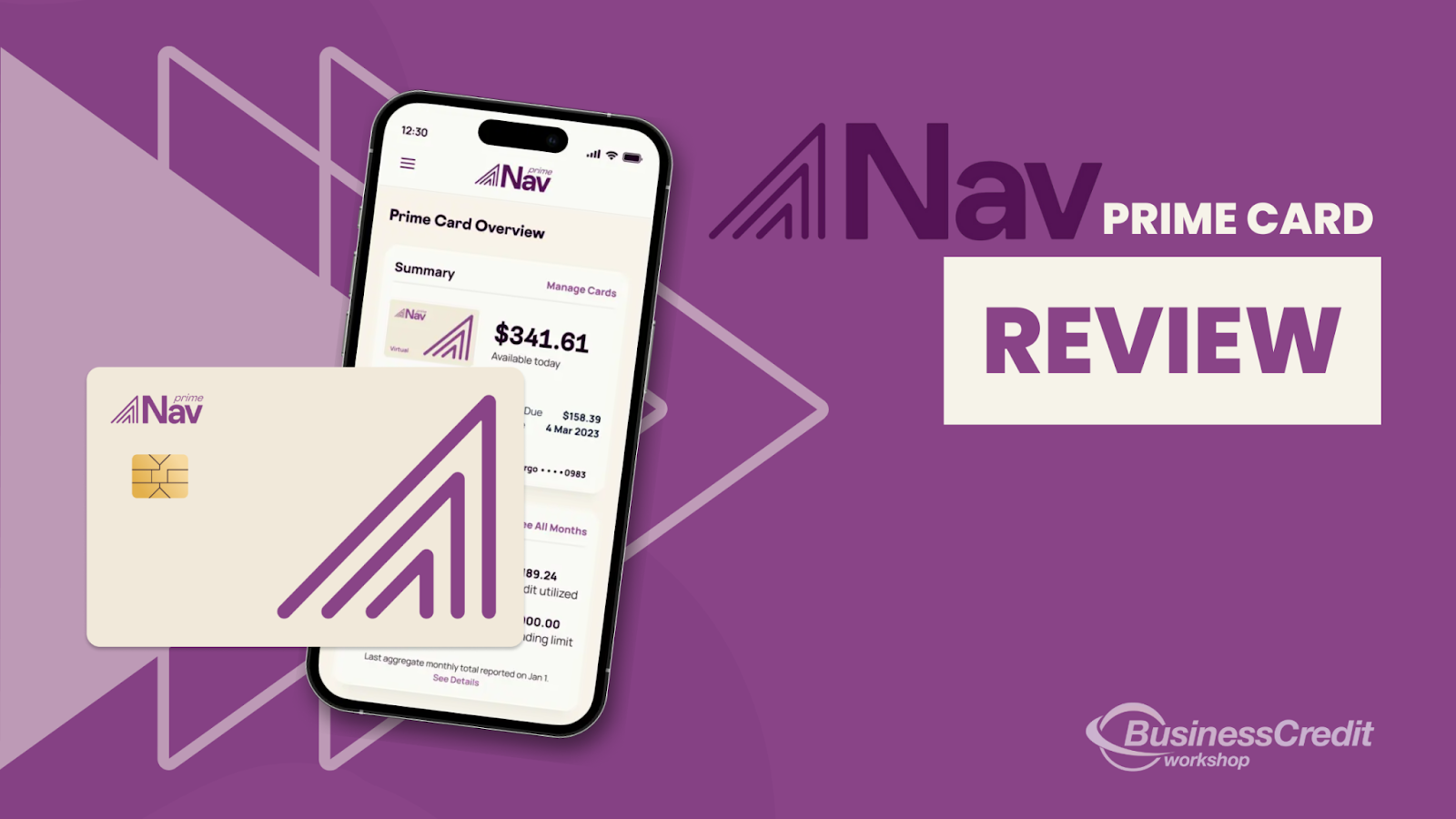
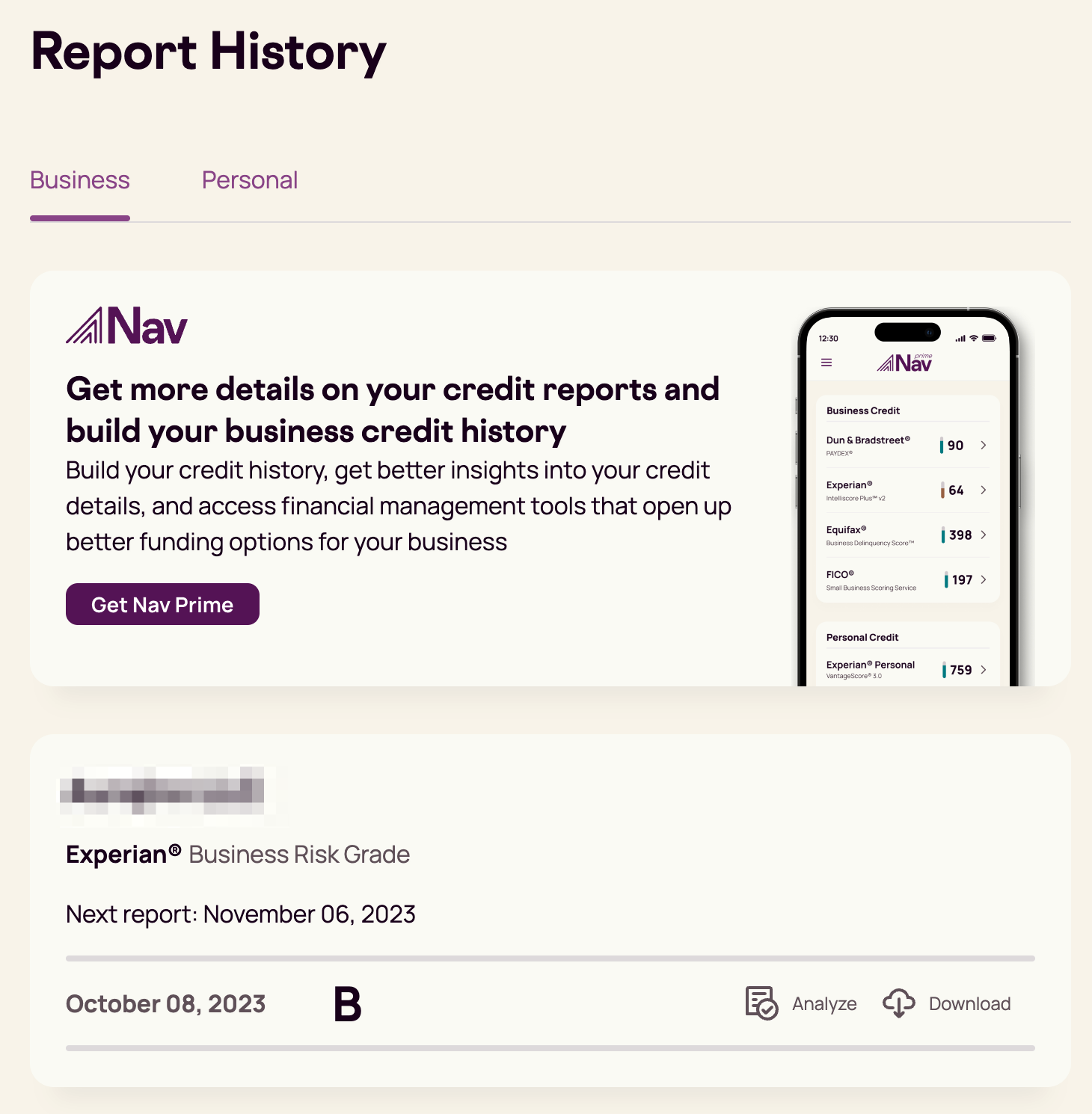
You might also like: Our Review of NAV, a service that boosts, tracks and monitors business credit scores

Using your business credit accounts involves being responsible for you to build a positive credit history for your company. As you keep your credit utilization low, it helps to increase your credit limits. Do so gradually as your credit history improves and your finances stabilize.

Common Pitfalls to Avoid

As the process ensues, you will realize that some difficulties may arise that could add to the challenge. Therefore, it is crucial to be on the lookout for the following pitfalls:

Many businesses fail to separate business and personal expenses, which typically leads to confusion and inaccuracies, particularly in their financial records. If there is no clear distinction between the two, tracking deductible expenses can pose a challenge, resulting in paying more taxes than you should. Always talk to a tax qualified professional when considering getting credit and moving debt from person to business.

Another issue is relying on personal credit when making business purchases. Although this is the more convenient option for some people, it hinders their businesses’ ability to build a strong credit profile.

One more problem is operating as a sole proprietorship without forming a legal business entity. Unfortunately, this approach exposes the owner to personal liability, especially given the rising business debts and obligations.

Not having a business bank account is another issue to address as you progress with the transfer. That way, you avoid complicating the accounting procedures and tax reporting, making it easier to track income and expenses.

Legal and Financial Implications to Consider

While there are benefits to transferring personal to business credit, it is vital to understand the potential legal and financial implications of the activity for both the business and the owner. These include the following:

You can get legal liability protection as a business owner when you move your personal credit to business credit rather than having it all in one account. However, you must operate as a single entity, such as an LLC, to shield your personal assets from possible debts and lawsuits.

Some lenders require a personal guarantee, particularly if you have a new business. Typically, this means you do not have an extensive credit history. With a personal guarantee, you should know that you, as the business owner, will be held liable for any financial obligations. That includes if your business defaults on credit payments.

While a personal credit to business credit transfer establishes a separate credit profile and history for your company, it can also result in negative credit activity. Late payments and other mistakes can adversely affect your business’s creditworthiness. You must continuously build and protect your credit profile so that you do not have to worry about accessing financing in the long run.

visa-credit-card

The transfer requires careful documentation and recordkeeping. Otherwise, you could risk complying with tax laws and missing proper business deductions.

Compliance with the rules and requirements is important when using business credit. It mitigates potential issues and ensures legal adherence, so be sure to be mindful of your business’s legal structure and registration. Your business must have the appropriate licenses and permits to operate legally. Talk to a representative or local authorities if you require more information.

Finally, it is valuable to understand the reporting requirements of business credit bureaus, such as Experian Business and Dun & Bradstreet. You should always have your business credit activity report accurately, including your timely payments and credit utilization, for a favorable credit profile and history.

Conclusion

Transferring your personal credit to business credit is a smart move that can yield significant benefits. The biggest benefit is the potential to improve your personal credit utilization, which can really boost your personal credit score a lot. With a distinct separation between business and personal finances, you can protect your personal assets while aiming to access financing options and build a good credit profile for your company. Take the first step toward building your business credit profile by signing up for free business credit training today!

FAQ

Why should I transfer my personal credit to my business?

It can boost your personal credit score by lowering your utilization. Plus establishing a separate credit profile for yourself and your business can give your business access to more financing options while protecting your personal assets against potential company-related debts and obligations.

How do I transfer personal credit to my business?

You can apply for business credit cards, open a trade credit account with a supplier, or apply for a business loan. Then use a balance transfer or convenience checks.

Why should you not mix personal and business credit?

It is often difficult to separate expenses, making it difficult to track expenses. This can also be a problem when reporting business credit activities. Not mixing personal and business expenses on your personal credit profile can also help with asset protection.

How do I ensure compliance with legal and regulatory requirements when using business credit?

It helps to be knowledgeable about the Truth in Lending Act and Fair Credit Reporting Act, as well as other regulations that may be specific to your business and industry. That way, compliance is much easier as you continue to grow your company. You should also spend the time to speak to an attorney and a tax qualified professional, like a Certified Public Accountant (CPA).

3 Best Business Credit Cards for a New LLC +More Resources

By Joe

Business Credit Cards for New LLC

So, you’ve started a new LLC, and you’re interested in getting business credit cards. But, since your business is new, you haven’t established business credit yet. So, what are the most promising cards for you to apply for? 

Here, I’ll tell you what cards you might qualify for (along with their requirements), and explain exactly what I would do in your position. As a new business, you don’t automatically have business credit, so you may want to establish it now. 

Recommended: Download our Free Business Credit Checklist

Here’s what’s in store: 

  • What Are Business Credit Cards?
    • Can a Newly-Formed LLC Get a Credit Card?
  • Best Business Credit Cards for New LLCs
    • 1. Chase Ink Business Preferred
    • 2. Bank of America Executive Explorer
    • 3. Marriott Bonvoy Business
  • Corporate Cards to Consider
    • 1. Bill Spend & Expense (Formerly Divvy)
    • 2. PEX Expense
  • Best Loans for New Businesses
    • 1. Credibly
    • 2. LenCred
  • Frequently Asked Questions
  • Final Thoughts

Now, let’s roll!

What Are Business Credit Cards? 

Before we look at the cards you might qualify for, let’s make sure you’re clear on what you want. More often than not, business owners get other spending cards confused with business credit.  

Business credit cards are revolving lines of credit that can be used for business spending. Only a percentage of the total amount spent is required to be paid each billing cycle. Business credit cards accrue debt on any balance left unpaid. 

Meanwhile, corporate cards are either prepaid or must be paid in full at the end of each billing cycle. Corporate cards typically supplement robust business expense management software and tools. 

So, if you need funding, look at the credit cards below. And, If you need expense management, consider the recommended corporate cards. 

Recommended: Corporate vs Business Credit Card: What’s the Difference? 

Can a Newly-Formed LLC Get a Credit Card? 

So, how soon can you apply for a business credit card and do brand new LLCs get business credit? 

Getting a business credit card for a brand new LLC depends on factors like the business’s creditworthiness and the personal credit history of the owners. Typically, credit card issuers have a waiting period before a new business can apply, often a few months to a year (but this isn’t always the case). 

As a new LLC, it’s important to establish a clear separation between business and personal finances by: 

  • Obtaining an EIN
  • Opening a business bank account
  • Maintaining distinct records

The likelihood of approval is higher if the owners have a good personal credit score. As the business operates and builds a positive credit history, it becomes easier to qualify for business credit cards. Check with specific credit card issuers for their policies and requirements.

You might also like: Here’s How to [Actually] Get Business Credit With Just an EIN +More Options 

Best Business Credit Cards for New LLCs

Here, I’ll lay out my favorite business credit cards for new LLCs. You’ll see a summary of each offer (why I like it) and how long your business must be in operation before you apply. 

If you can’t get a business credit card yet, and you’re in need of immediate funding, scroll down to the loans section. Or, join Business Credit Workshop to learn how to get up to $100K in business credit in as few as 30 days. 

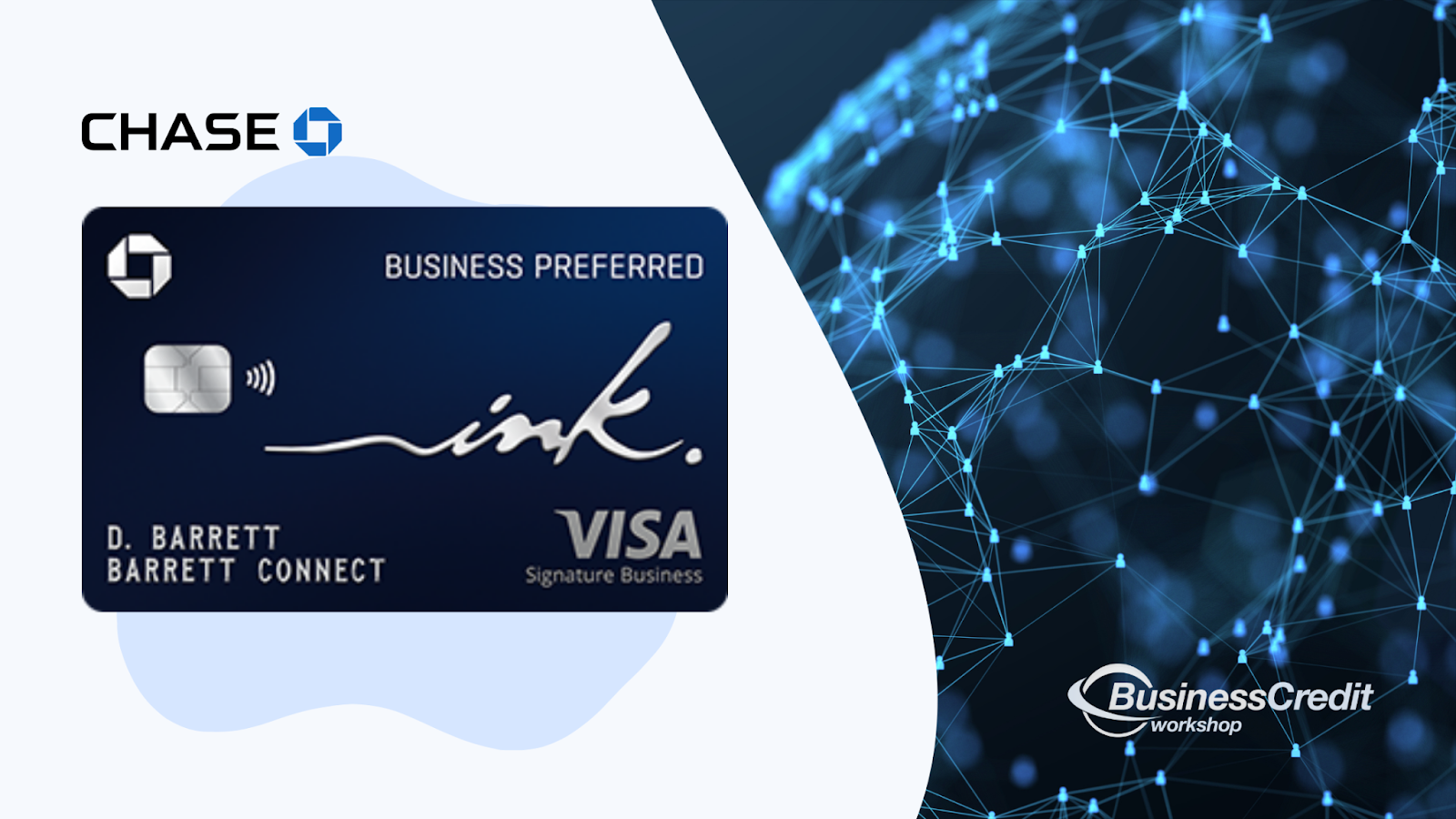
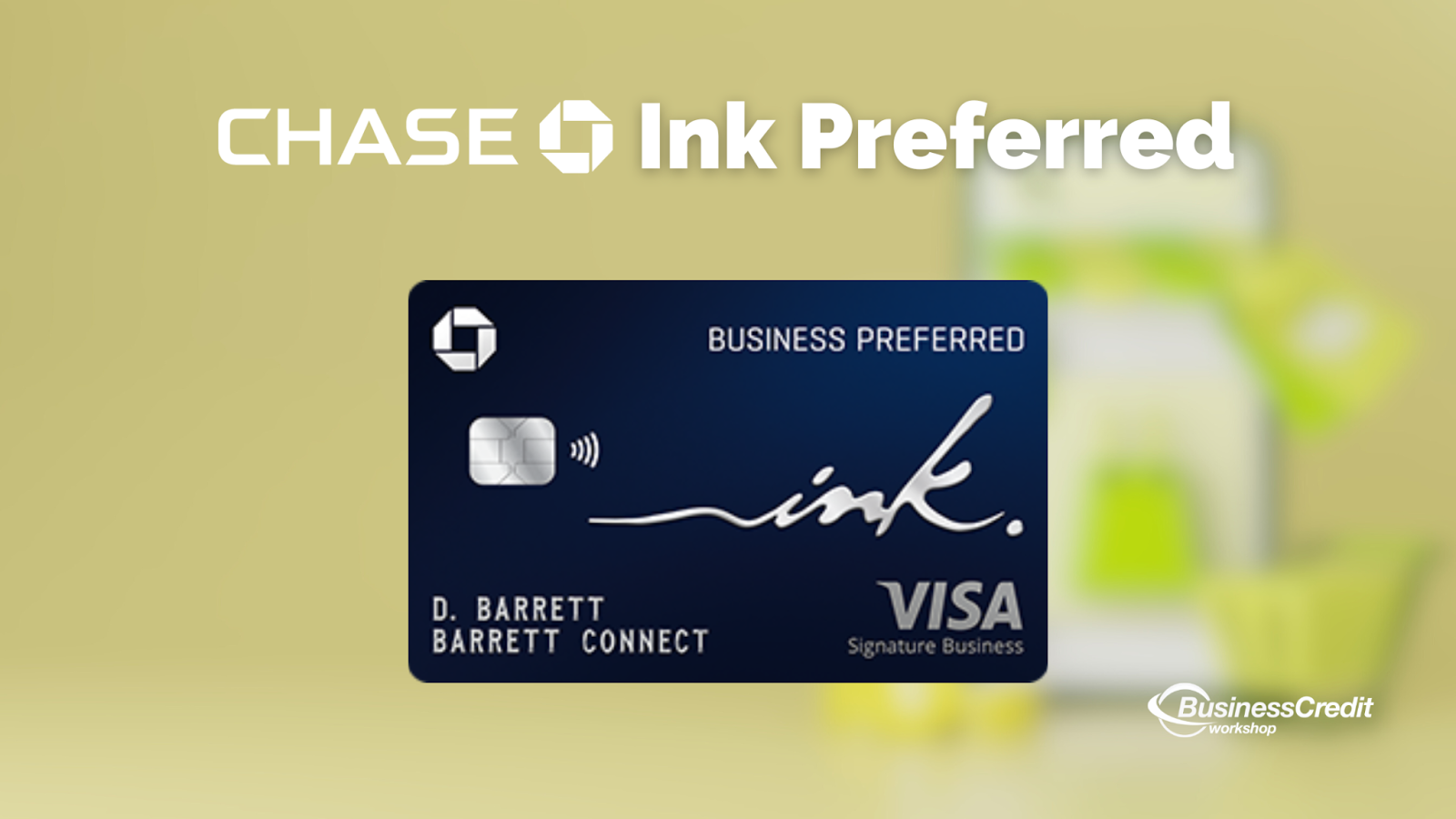
1. Chase Ink Business Preferred

credit cards for new businesses with no credit history

The Chase Ink Business Preferred card stands out as one of the top small business credit cards, thanks in part to its impressive sign-up bonus. Although it doesn’t offer a 0% APR and comes with an annual fee, there’s significant potential for savings and rewards. If you believe your business meets the qualifications, I recommend this one.

To qualify for the Chase Ink Business Preferred credit card, you don’t need a specific annual income or business history, but your revenue should cover the minimum monthly payment. 

Other requirements include: 

  • A FICO score of 670 or higher 
  • A minimum credit limit of $5,000

Chase evaluates your application using your personal credit score, with a recommended FICO score of 670 or higher. Keep in mind that while a good credit score is important, it doesn’t guarantee approval or denial. Whether you’re an incorporated business (LLC, corporation, partnership, non-profit, etc.) or a sole proprietor, you’re eligible to apply for the Chase Ink Business Preferred credit card.

Recommended: Chase Ink Business Preferred Credit Card: A Deep Dive Analysis 

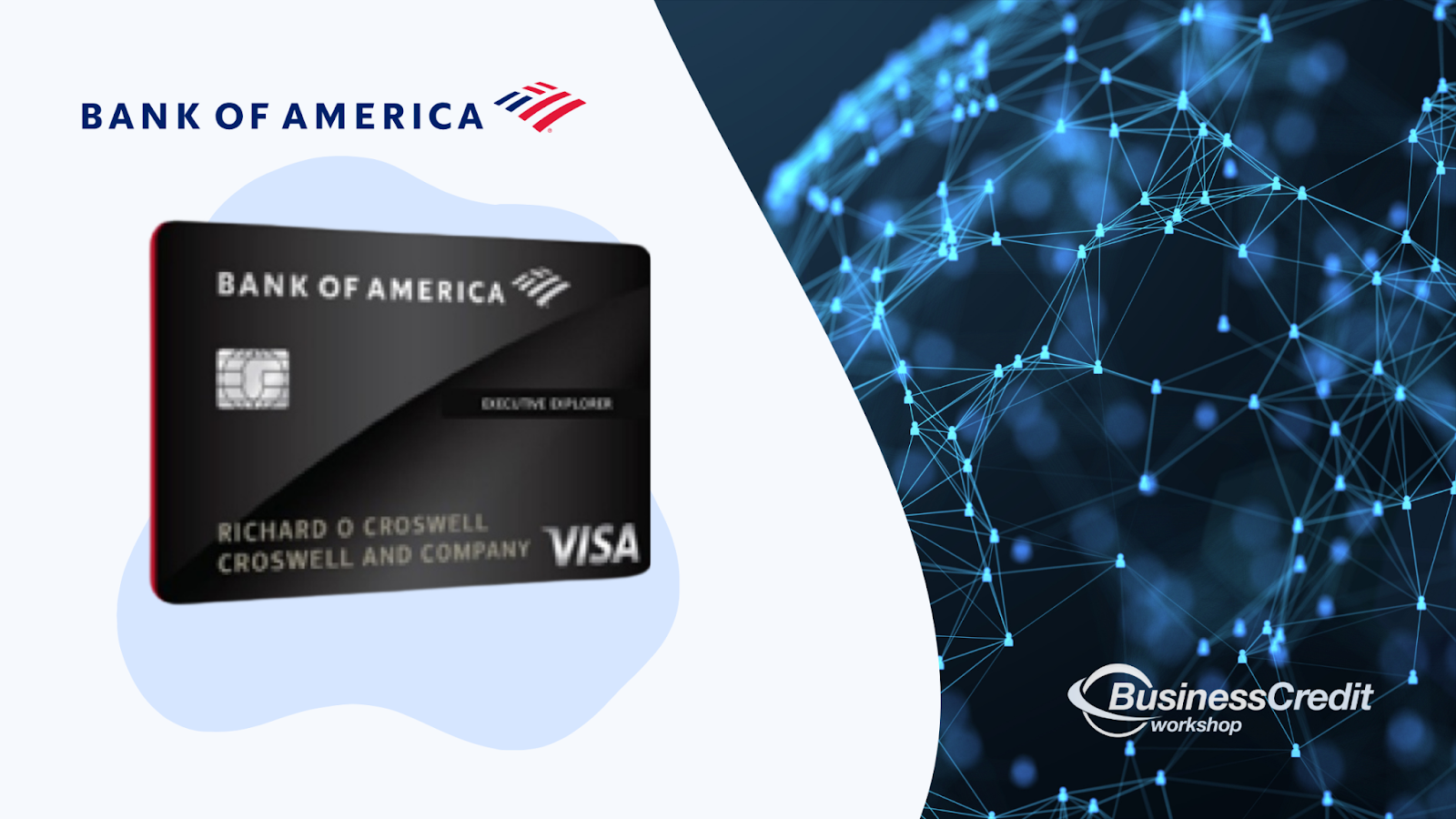
2. Bank of America Executive Explorer

Startup business credit cards for new llc

Next, consider looking into the Bank of America Executive Explorer card. Despite its $375 annual fee, the card’s perks more than justify the cost. For instance, you receive a $600 Lounge Access credit annually and a $100 Airport Fast Track credit every four years. Moreover, you gain access to the Benefits on Us and Dinova Rewards programs. 

While a new LLC could be approved, it’s important to note that this isn’t a revolving credit line; rather, it functions as a “corporate credit card” that must be paid in full. To qualify, you must be an executive or owner of your company, and while there’s no minimum business history requirement, having an excellent credit score is crucial. 

Owners with FICO scores of 740 or higher stand the best chance of getting approved for Bank of America business credit cards.

Recommended: What is the Best Bank of America Business Credit Card for Your Needs? 

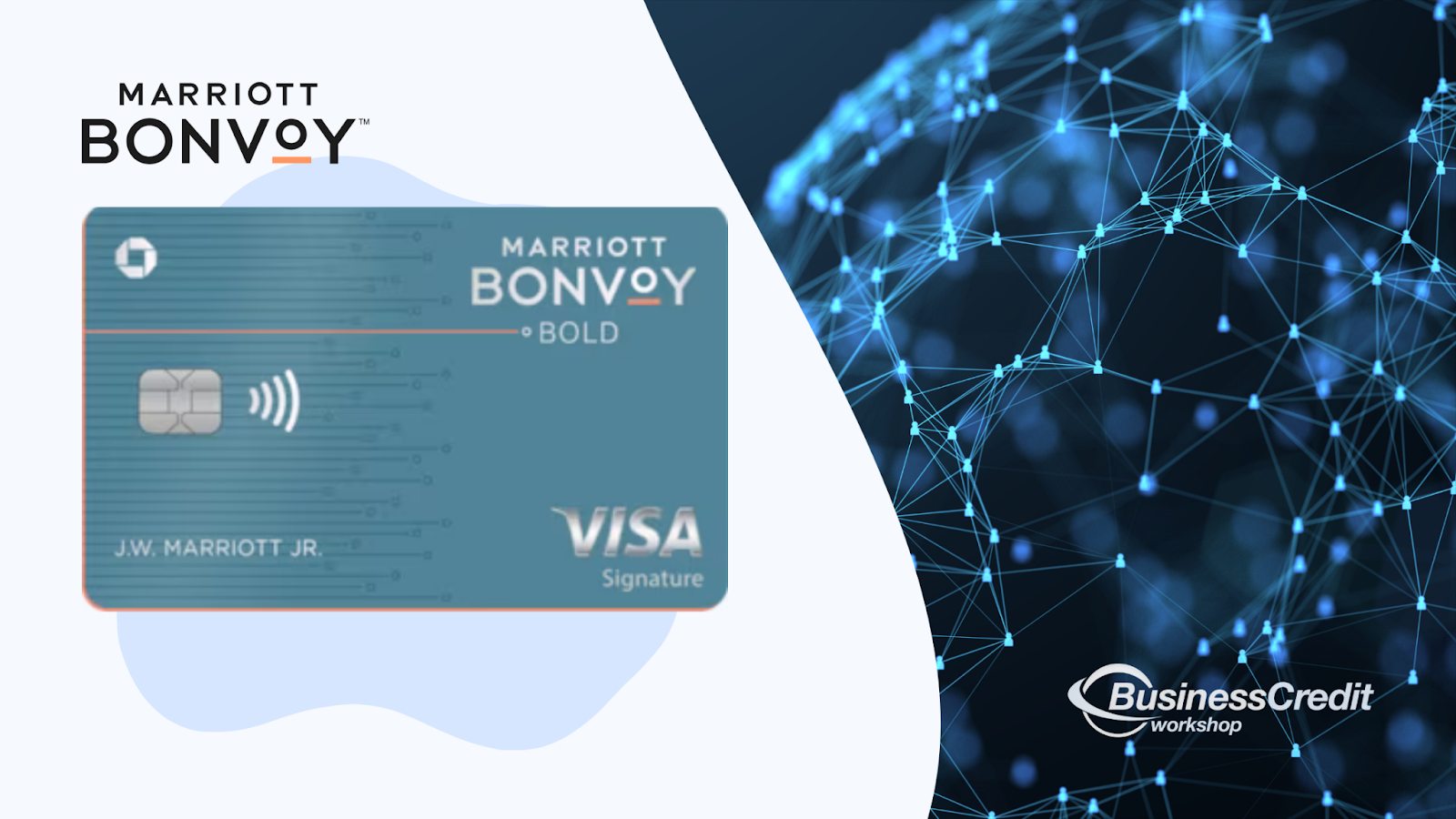
3. Marriott Bonvoy Business

Best business credit cards for new llc

I believe Marriott boasts one of the top hotel rewards card programs. The appealing part is that while you travel for work, the Marriott Bonvoy Business credit card helps you build business credit. If you meet the criteria, applying for and using this card is a smart move. 

Keep in mind that the Marriott Bonvoy Business Credit Card is exclusive to business owners and authorized representatives with a credit score of 700 or higher. 

Approval considerations also include factors like: 

  • Annual income 
  • Existing debts

Start earning travel rewards on your next hotel stay by applying now.

Recommended: Marriott Bonvoy Business Credit Card Review & Comparison 

Corporate Cards to Consider

If you’re looking for a spend card mainly to help with expense management, and you’ve got some revenue to back your account, a corporate card might be a better choice at this point – especially if your LLC is brand new, and your credit hasn’t been established. 

Now, my favorite thing about modern corporate cards is that many of them offer cash back on spending (some more than others). So, with these cards, you have a chance to earn on transactions that you or your employees make. Cool, right? 

Here are the two cards I would recommend…I’ll explain why.  

Recommended: 7 Best Cash Back Corporate Credit Cards to Explore in 2024 

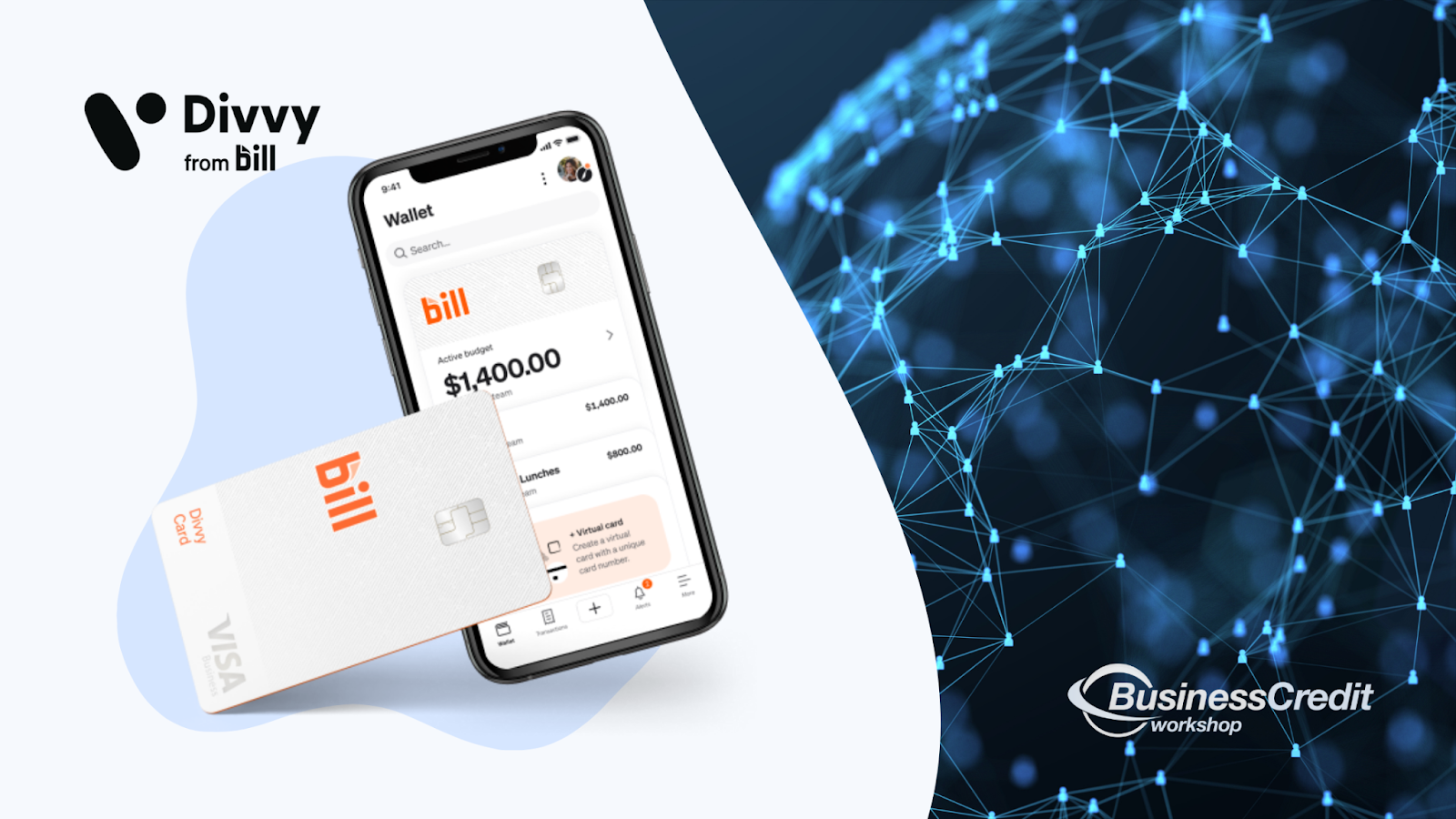
1. Bill Spend & Expense (Formerly Divvy)

business credit cards for new llc without personal guarantee

Bill Spend & Expense, formerly known as Divvy, comes with its own set of advantages and disadvantages. If you’re considering whether to take advantage of this offer, reflect on the following questions:

  • Is your monthly business spending more than $5K?
  • Does your business have multiple staff members with spending privileges?
  • Can you pay your expenses in full each month?

If you answered “yes” to these questions, the Bill Spend & Expense card could be an excellent fit for you. Now, to meet eligibility requirements, a business owner must have a minimum personal credit score of 580, and having a score of 640 or higher increases the chances of approval. Additionally, a higher annual revenue enhances the likelihood of approval.

I personally highly recommend checking it out, specifically for the tiered cashback rewards. Sign up on the Bill.com website to find out the credit line you may qualify for.

Recommended: In-Depth Divvy (BILL) Credit Card Review: Read This Before You Apply 

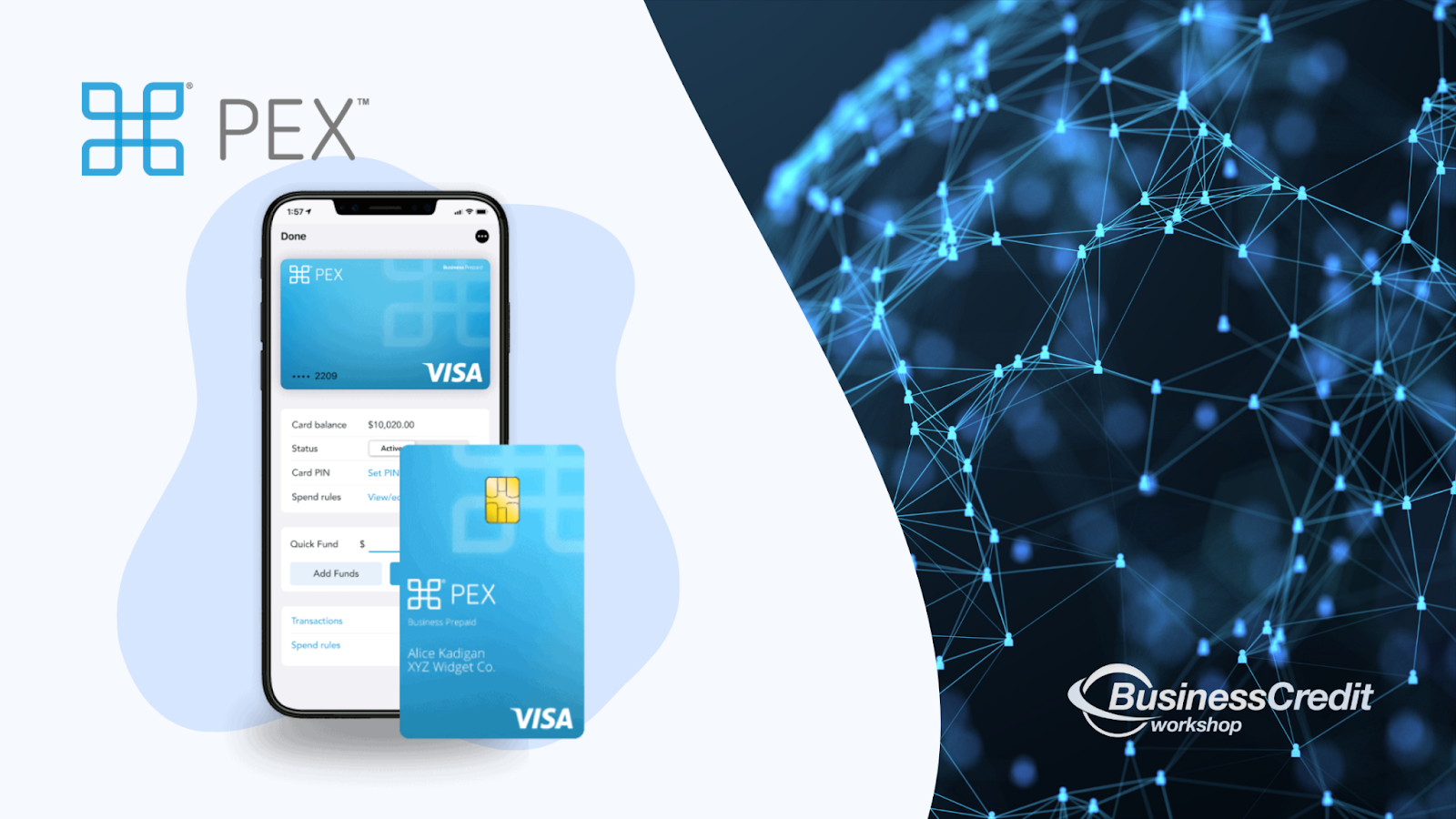
2. PEX Expense

startup business credit cards ein only

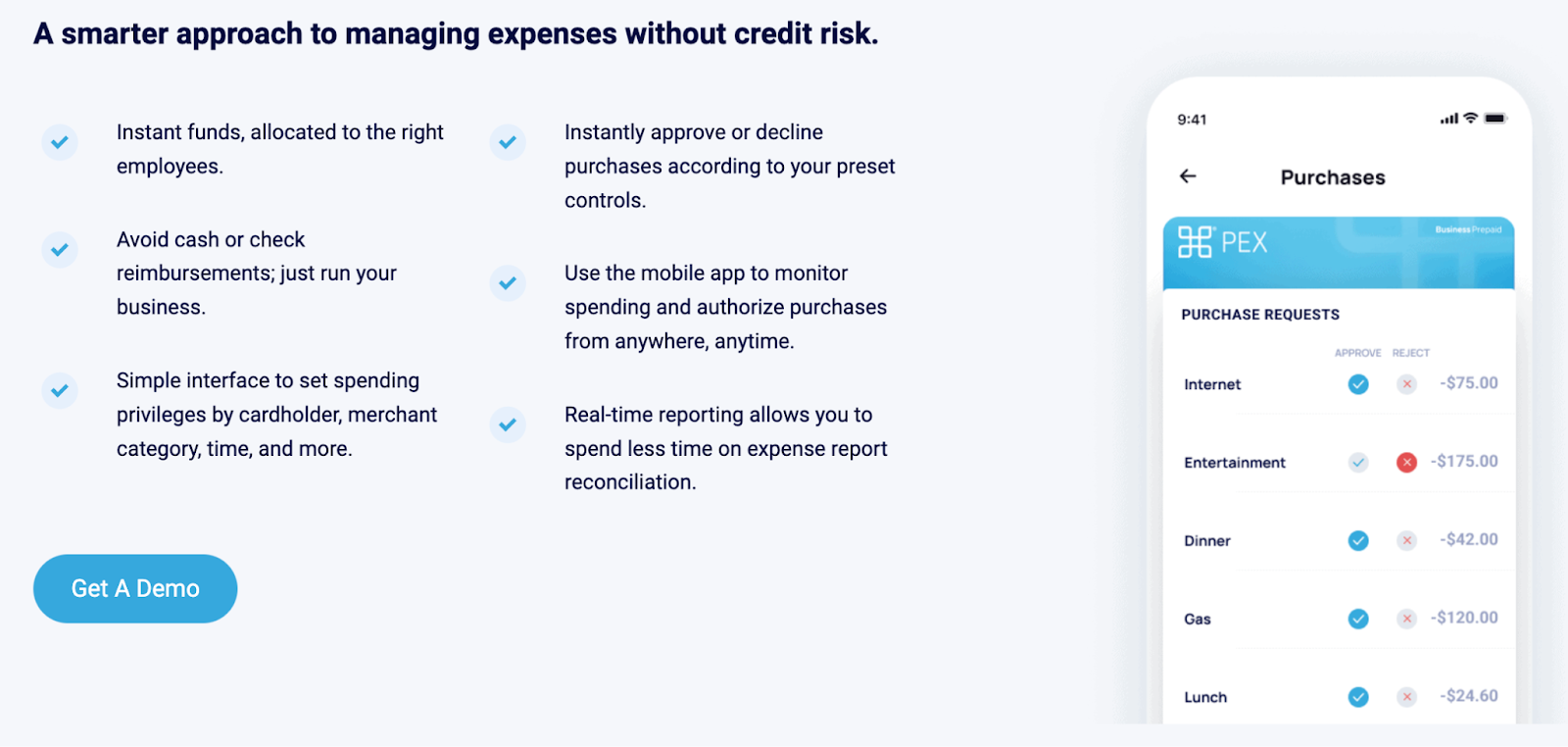
PEX is another solid corporate card with some cool features, making it a good pick for businesses and nonprofits looking to manage expenses smoothly. It’s got prepaid and dynamic credit cards, throws in 1% cash back, and has a handy app that fits different industry needs.

The user experience is made even better with seamless integrations, virtual/physical cards, and customizable controls, backed by PEX’s positive company vibe.

While PEX is a great choice, if you’re running a startup or an e-commerce gig, you might want to check out alternatives like Brex, Bill Expense, or Shopify Credit that could be more spot-on for your needs. Always a good move to weigh your priorities and compare a few options when it comes to any financial stuff.

Oh, and PEX cards are designed for businesses and organizations, and the cool part is you can get them without worrying about minimum funding requirements—they can even be issued inactive. Nice, right?

Recommended: The PEX Card: Is it the Best Corporate Card for Your Business? 

Best Loans for New Businesses

Now, if you’re looking for the funding aspect of a credit card, but you haven’t established business credit, you still have options. While your repayment terms aren’t ideal on most of the options available to you right now, you can use one of these offers in a pinch. 

Note: I don’t typically recommend factoring-type financing or loan brokers. The problem is that the rates are typically very high. Still, I know that sometimes you gotta do what you gotta do to pay for emergencies to seize an opportunity to grow your business. I have thoroughly reviewed the following loans, and I’ll tell you the truth about them. 

Recommended: How to Get an SBA Business Loan 

1. Credibly

Business credit cards for new llc ein only

Credibly’s rates, covering everything from interest and factor rates to origination fees and admin fees for merchant cash advances, lean towards the higher side. If your business is on the newer side, your credit isn’t stellar, and you’re pulling in at least $15,000 per month, Credibly might be a viable option for securing the funding needed to keep your business going or expand. 

It’s a relatively young company, but it’s legit, with enough satisfied customers indicating it’s doing something right. However, I won’t strongly recommend their loans unless your business is in a tight spot, and if it is, be cautious about the personal guaranty—it can be risky. 

Before committing to Credibly or any other company, it’s a good idea to shop around for quotes. You might be able to find comparable loans with better rates, especially if your business is more established or you have a solid credit score.

Recommended: A Deep-Dive Credibly Review: Is Their Financing Right for You? 

2. LenCred

business credit cards for new llc with bad credit

If you’re in need of working capital or startup funds, and you’ve got solid credit but aren’t in a position for traditional funding options, LenCred could be the solution you’re looking for – It’s especially handy if you’re not keen on unconventional routes like crowdfunding and are okay with dealing with a 9% origination fee. 

LenCred’s financing services might just be the boost you need.

However, if you’re aiming to build up your business credit and prefer securing funding without hefty origination fees, LenCred might not be the best fit. Since they don’t use your business credit profile in the funding process, their lenders are unlikely to report to the business credit bureaus. So, it’s a trade-off to consider.

Recommended: This is the Truth About LenCred’s Small Business Financing 

Frequently Asked Questions

What is the fastest way to get business credit for an LLC? 

You first need to make sure the owner’s personal credit is in check and the business is properly established for “credit readiness.” Then, open a bank account and establish relationships at the bank. After that, make sure the business has a DUNS number, establish your first tradelines of credit, and pay your accounts at the right time. Finally, you just need to monitor your business credit before you apply for a new loan or line of credit. 

Download our free Business Credit Checklist to start building business credit. 

Can a single-member LLC build credit? 

Yes, a single-member LLC can build business credit with an EIN and a DUNS number. 

Can you get a business credit card with no revenue? 

The short answer is no. However, there are exceptions, for example, you may be able to get a business credit card with a personal guarantee if your income meets underwriting requirements. 

Do LLCs start out with good credit? 

When LLCs are initially registered, they have no business credit. In this case, credit decisions may be based on the owner’s personal credit. Businesses can build credit by establishing their business properly, setting up accounts with the right tradelines, and paying accounts on-time as agreed. 

What happens if an LLC defaults on a credit card? 

If an LLC defaults on a credit card, the creditor can go after business assets, send debts to collections, and sue to liquidate the company. If the credit card has a personal guarantee, the creditor may hold the business owner personally liable to repay the debt. 

Final Thoughts

Now that you’ve explored the best business credit cards for your new LLC, consider all options like the Chase Ink Business Preferred and PEX Expense to find what suits your business needs. Distinguish between business credit and corporate cards, with corporate options like Bill Spend & Expense offering a smooth ride for your expense management.

For loans, check out Credibly and LenCred, weighing perks and alternatives. 

Are you ready to learn how to get up to $100K in business credit in as few as 30 days? Join Business Credit Workshop today!

The PEX Card: Is it the Best Corporate Card for Your Business? 

By Joe

PEX card review

The PEX Card is one of the most popular non-big-bank corporate cards on the market today. While the offer is legit, it’s not your only option. Before you sign up for any financial service, you should know exactly what you’re getting into. 

Here, I’ll break down the PEX offer in full (the good, the bad, and the ugly), and I’ll point you out to other options that may or may not be a better fit for your operations. 

This is what’s in store: 

  • What is a PEX Card Used For?
    • Where Can You Use a PEX Card?
    • How Much Does a PEX Account Cost?
    • PEX Company Overview
  • PEX Card Features & Benefits
    • 1. Prepaid & “Credit” Card Flexibility
    • 2. 1% Cash Back on All Purchases
    • 3. The PEX App
    • 4. Integrations & API
    • 5. Virtual & Physical Cards
    • 6. Customizable Rules & Spend Limits
    • 7. Simplified Grants Disbursement for Nonprofits
  • Frequently Asked Questions
  • Conclusion: Is PEX a Good Idea?

So, let’s break it down!

What is a PEX Card Used For? 

What is a PEX card?

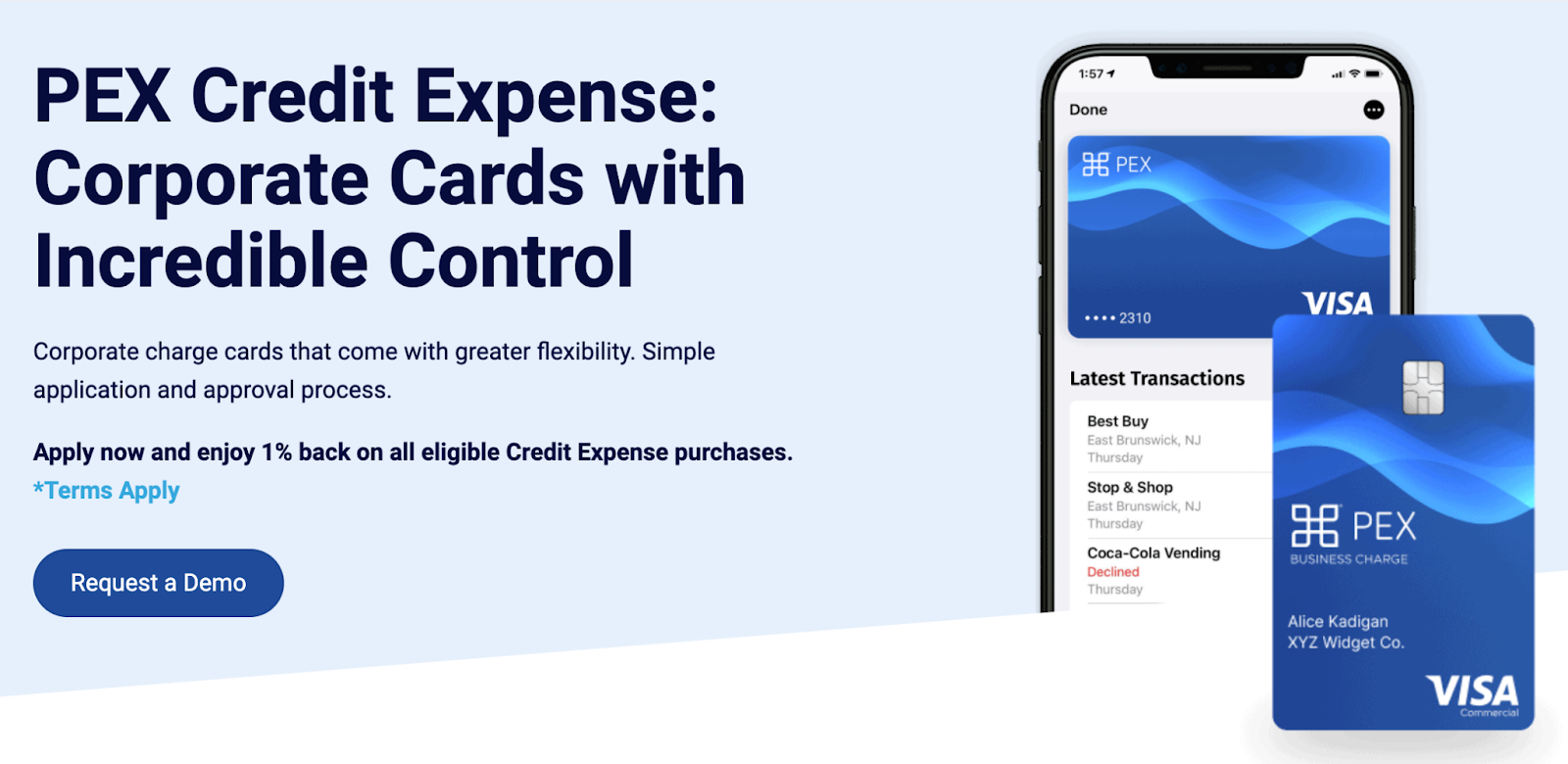
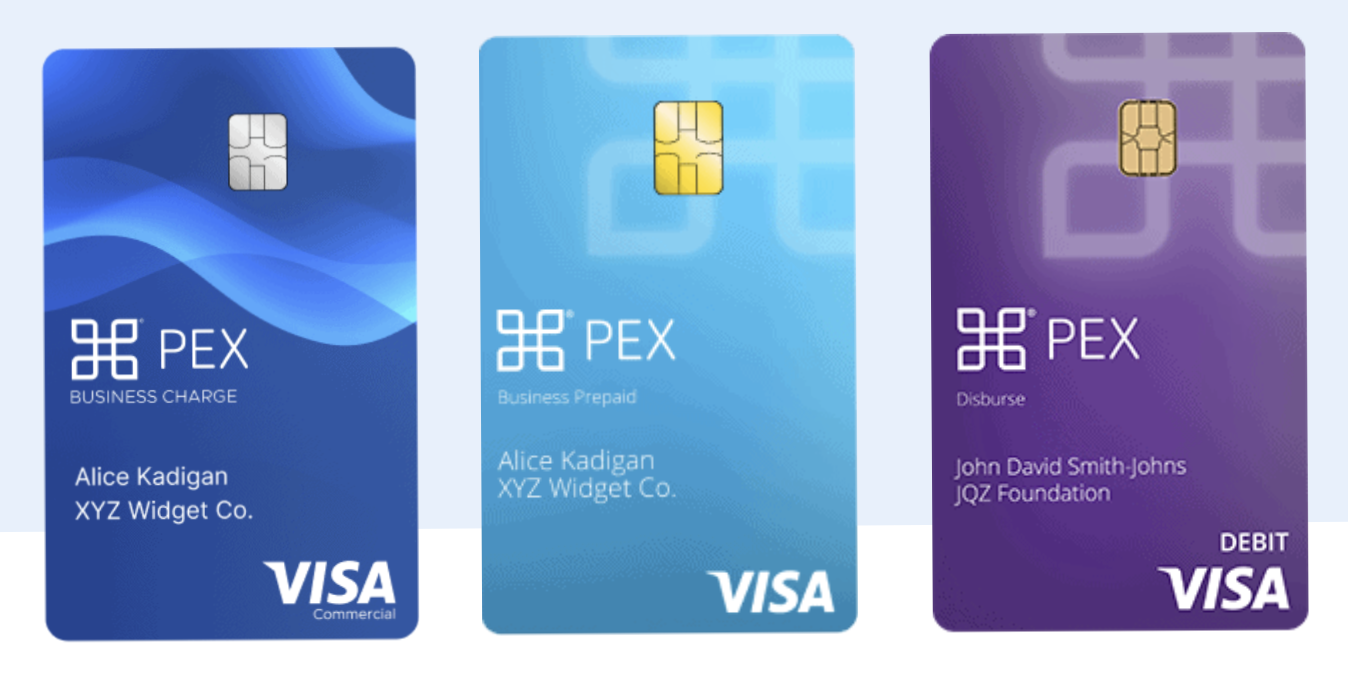
PEX is a corporate expense management platform that offers a range of financial tools, including corporate charge cards (PEX Cards) with dynamic credit lines and 1% cash back – These cards are designed to help you manage: 

  • Employee spending
  • Payments to vendors
  • Fund distribution for various programs

PEX Cards provide businesses and nonprofits with a high degree of control and flexibility, which enables easy administration through automated reporting, mobile receipt capture, and real-time tracking. The platform includes features such as prepaid expense cards, virtual vendor cards for bill payments, and grants disbursement cards. 

While they’re powered by Visa,® PEX “Expense” cards are not credit cards, they are prepaid, corporate cards. The platform also offers PEX “Credit” cards with dynamic limits based on the cash flow in and out of your connected business bank account, which I’ll explain more below. 

For a better understanding of the difference between the two types of spending, explore an in-depth comparison between credit cards and corporate cards. 

The PEX card also offers rewards and incentives cards for employee recognition. The PEX API allows you to customize and integrate solutions, generating cards and spending rules on the fly. 

As a brand, PEX Cards cater to a variety of industries and organizations, providing a comprehensive and adaptive financial management solution to streamline processes, eliminate paperwork, and simplify expense reports.

Recommended: 7 Best Cash Back Corporate Credit Cards to Explore This Year 

Where Can You Use a PEX Card? 

Who accepts PEX cards?

The PEX platform emphasizes the convenience and flexibility of its cards for various use cases, such as: 

  • Travel
  • Bill payments
  • Other on-the-go expenses 

The PEX Visa® Commercial Cards are designed to be accepted internationally (wherever Visa cards are recognized). So, you can use a PEX card at a wide range of merchants, both online and offline, that accept Visa® payments globally. 

Worldwide acceptance makes these cards suitable for businesses and organizations with international operations or employees who need to make purchases or payments abroad.

It’s important to check with individual suppliers or service providers during international transactions to ensure that they accept Visa cards, as specific acceptance may vary at the discretion of the merchant.

How Much Does a PEX Account Cost? 

PEX card pricing

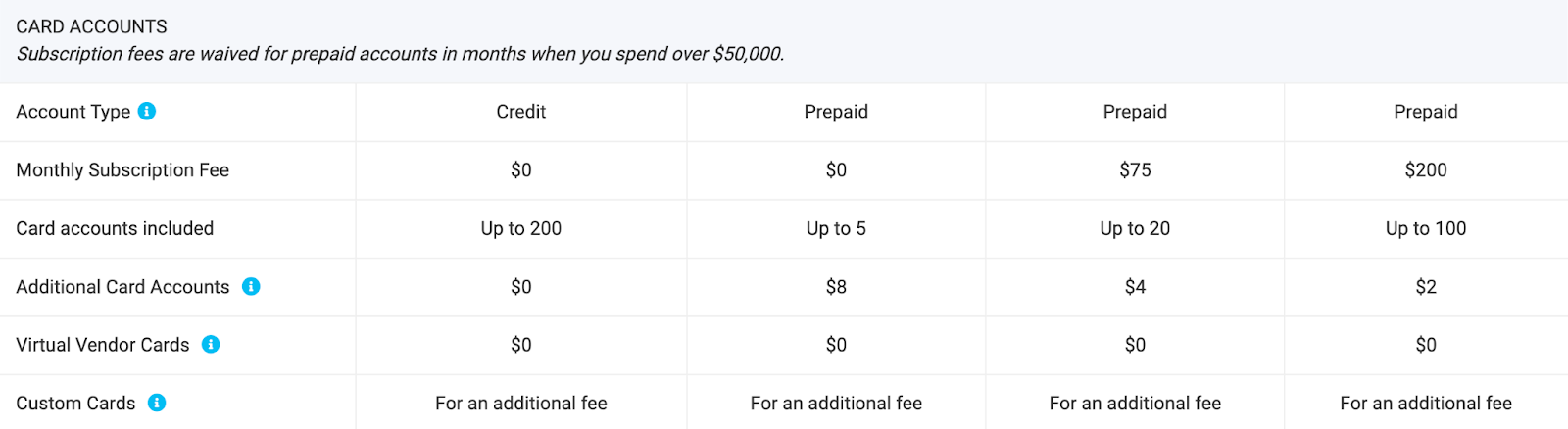
For PEX card accounts, the monthly subscription fees vary based on the account type. 

Credit accounts have a $0 monthly subscription fee, while prepaid accounts have different fees: 

  • $0 for accounts with monthly spending over $50,000
  • $75 for up to 20 card accounts
  • $200 for up to 100 card accounts. 

Additional card accounts for prepaid accounts incur extra charges, ranging from $2 to $8 per month, depending on the account type and the number of additional cards. 

Virtual Vendor Cards have no additional fee, and custom cards are available for an extra charge regardless of the account type.

PEX Company Overview

According to Crunchbase, Toffer Grant founded the New York-based financial services company, Prepaid Expense Card Solutions, Inc. (PEX), in 2007. The company does business as At the time the company was established, Grant – who is the current CEO of PEX – had been working in the prepaid card industry for 7 years, and had previous experience in entertainment and advertising. 

The company was successful enough to inspire Emburse to compete when they launched their corporate card offer in 2014; both expense management platforms and cards are still going strong today. 

PEX is a private, for-profit corporation (still owned and operated by Grant) that has received at least $4.9M in funding from at least four investors including New York Angels and Inovia Capital. 

PEX card customer service

According to Glassdoor and based on 27 reviews, almost everyone who works for PEX approves of the CEO, and most of them would recommend this company to a friend – the way staff feels about a company is super telling of its general ethics, and 100% CEO approval is impressive. 

PEX card reviews

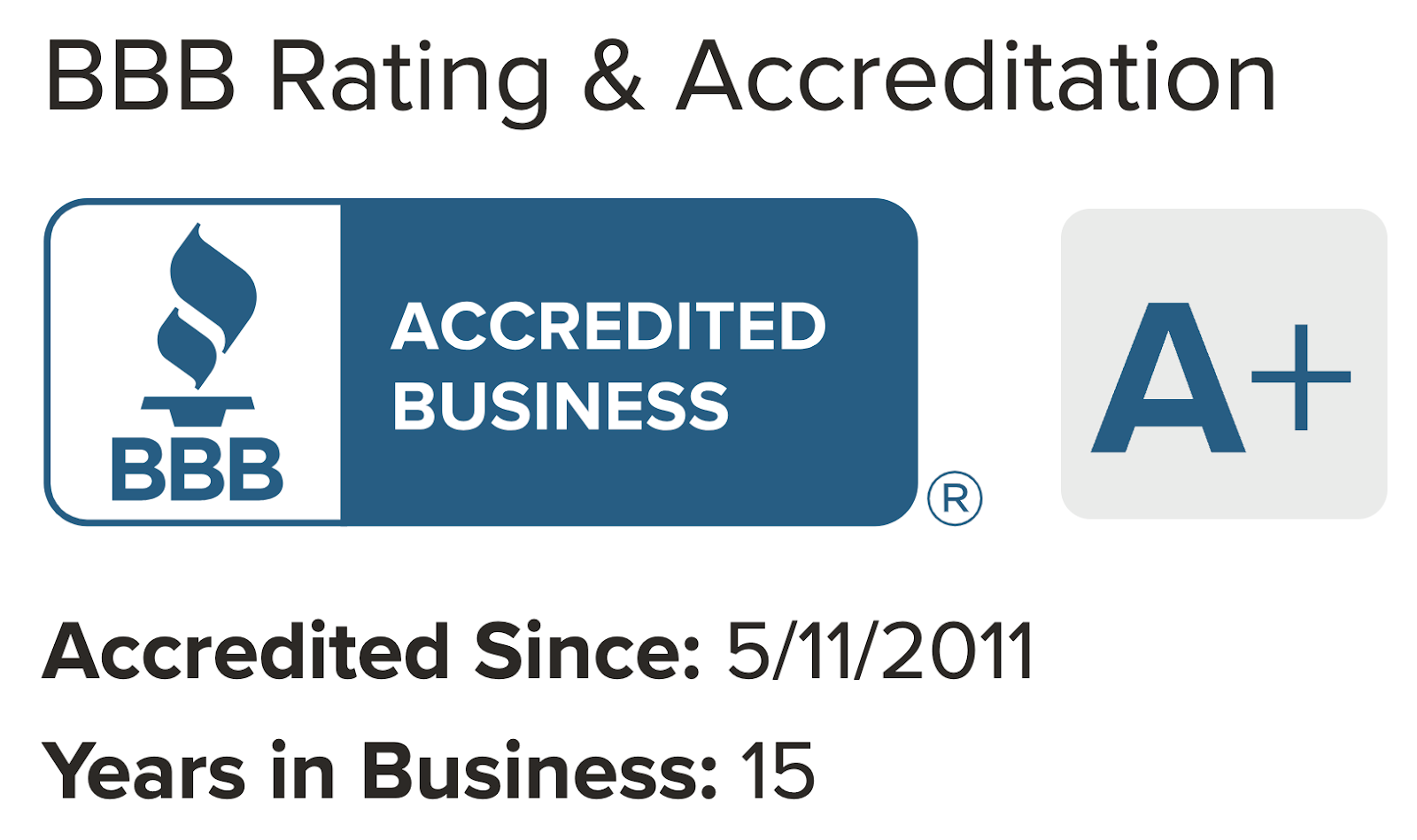
PEX is also accredited by the Better Business Bureau (BBB) with an A+ rating. The BBB lists only one complaint about the company since at least 2011 (also wildly impressive). Combined with the satisfied staff, this tells me they’re an honorable company – I’d give them my trust.    

You might also like: Meet the Emburse Card: An Inclusive Cash Back Corporate Card 

PEX Card Features & Benefits

Now, explore the functionalities of PEX Cards, the corporate expense management platform offering practical solutions. Whether you’re a small business or a larger enterprise, PEX offers a super flexible solution for streamlined and controlled expense management…Find out how, and exactly what you can expect. 

1. Prepaid & “Credit” Card Flexibility

PEX card prepaid

As you know, PEX offers business prepaid expense cards and business “credit” cards. 

The PEX Expense cards are paid in advance for business owners who want to manage employee expenses. Meanwhile, the PEX Credit cards are offered with a dynamic spending limit based on business cash flow. 

While the Credit card does provide a buy now, pay later (BNPL) offer, it is not a traditional business credit card – PEX does not check your personal or business credit, they do not report your company’s payments to business credit bureaus. 

So, you won’t get a business credit boost with Dun & Bradstreet or any other business credit bureau, but PEX will give you the chance to either prepay or pay monthly.  

Recommended: Here’s How to Check Your Business Credit Score, Step-by-Step 

2. 1% Cash Back on All Purchases

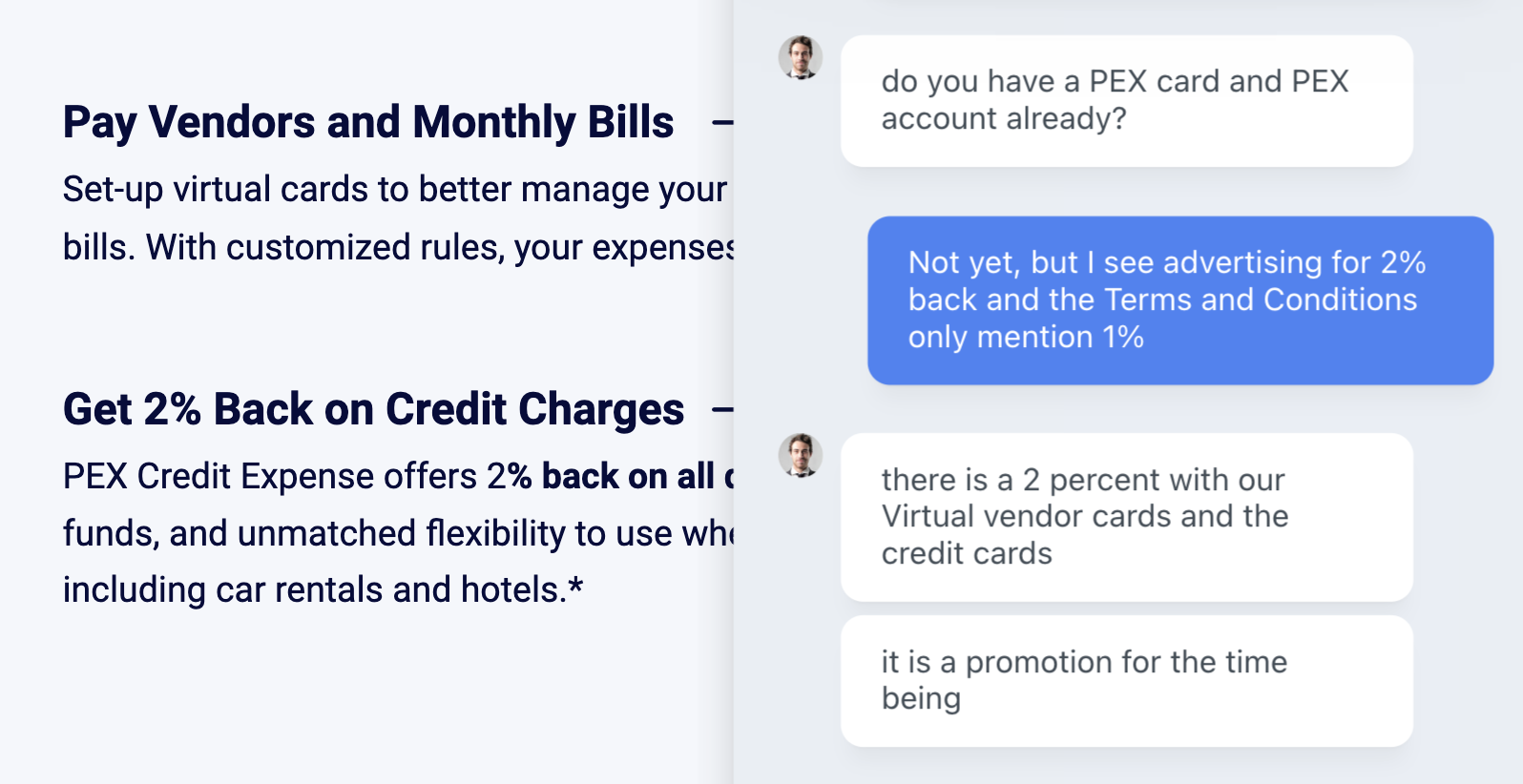
While some of PEX’s advertising claims that you can get up to 2% cash back on eligible expenses, the card’s terms and conditions don’t mention this rate – this is actually a promotion that’s happening with the virtual cards and credit cards. 

PEX prepaid card

PEX Credit Expense offers a compelling 1% cash back on all eligible purchases, providing businesses with a tangible incentive for using the platform. This cashback feature is applicable to a range of expenses, contributing to overall savings. The offer is designed to benefit businesses of all sizes, which makes it an attractive proposition for those looking to maximize the value of their corporate spending.

You might also like: Have You Heard About the Free Stripe Corporate Card Cashback Benefits? 

3. The PEX App

PEX card app

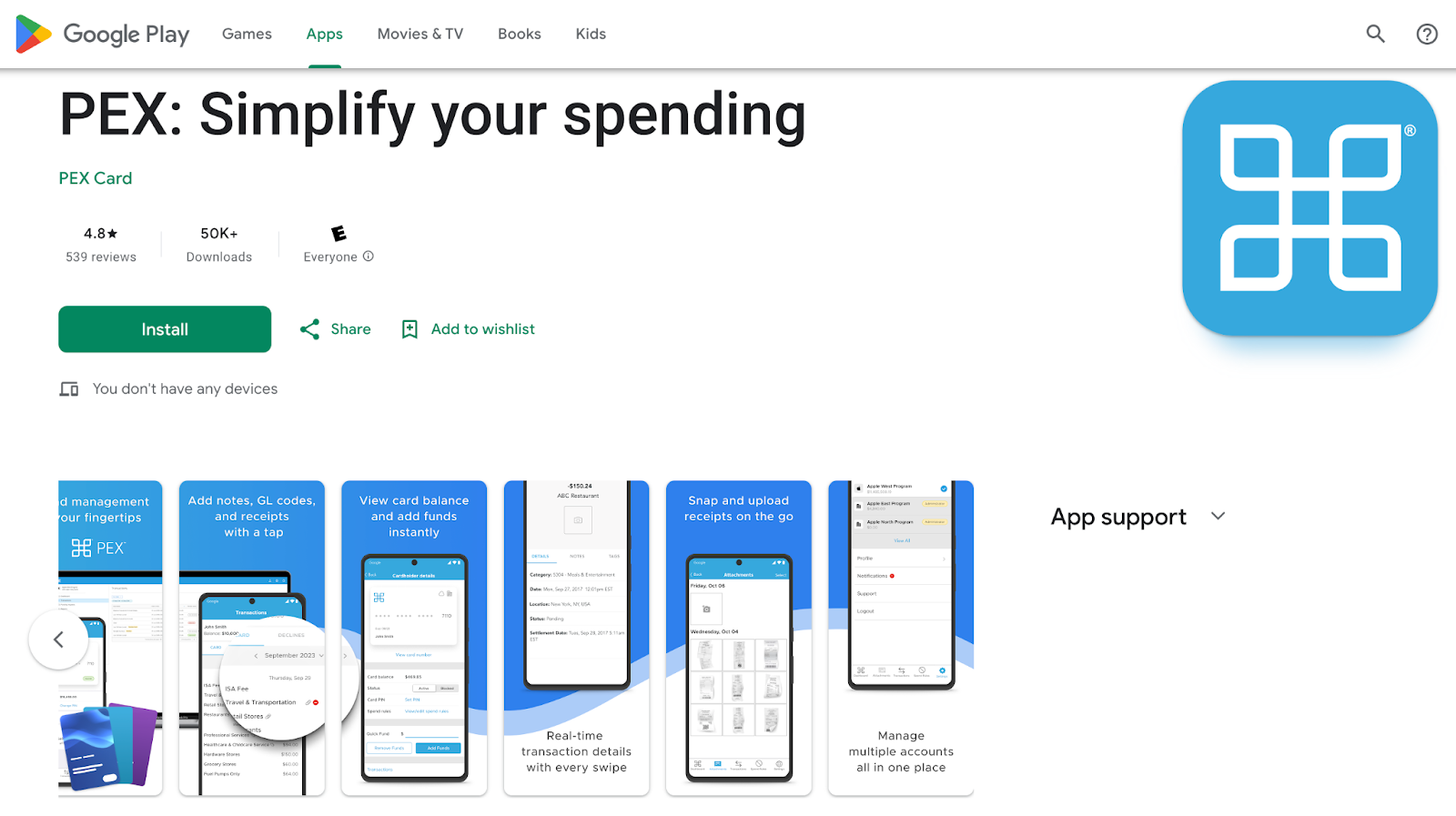
The PEX Card App is available on both GooglePlay and the iOS marketplace – it enhances the user experience by providing a convenient, efficient way to manage expenses on the go. 

With real-time monitoring and authorization capabilities, cardholders can effortlessly submit receipts and accounting codes directly through the mobile app. This feature ensures that users have instant access to their financial data, enabling them to stay in control of their expenses anytime, anywhere. 

And, the app gets great ratings, with a 4.7 for both Android and Apple devices. 

PEX card login

The app’s user-friendly interface simplifies the expense management process, reducing the time and effort spent on reconciliation.

You might also like: In-Depth Divvy (BILL) Credit Card Review: Read This Before You Apply 

4. Integrations & API

PEX app integrations

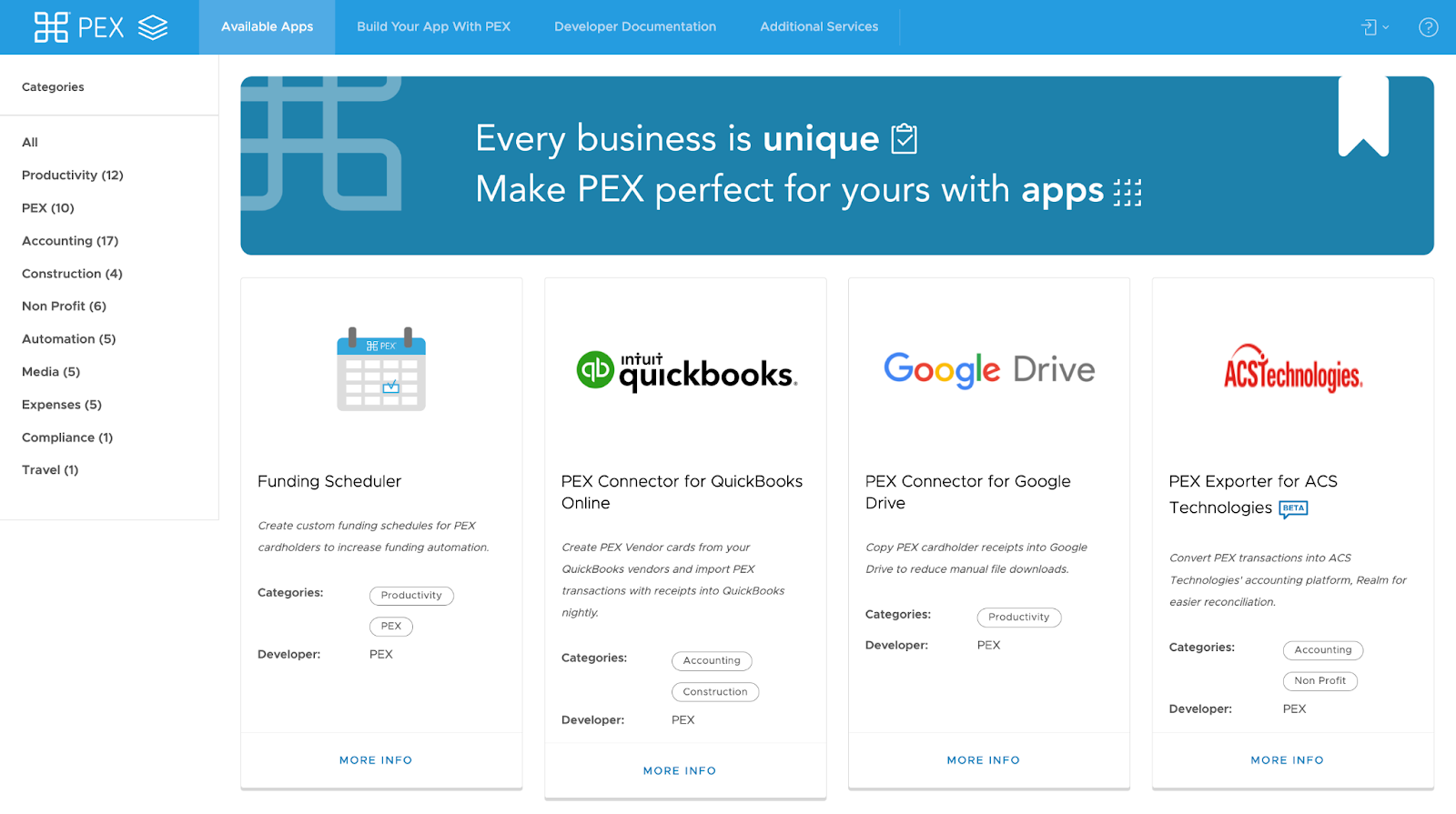
PEX’s seamless integration with accounting systems streamlines financial operations for businesses. The system integrates with over 60 popular software platforms, including Quickbooks.

By syncing transactions with existing accounting software, the PEX platform automates: 

  • Expense reporting
  • Allocations
  • Reconciliations

This integration not only saves time but also enhances accuracy by minimizing manual data entry. The deep reporting options provided by PEX ensure that businesses have comprehensive insights into their financial activities, fostering better decision-making and financial management.

And, if you don’t see your app in the PEX marketplace (for example, there aren’t a lot of payroll systems on the list), you can access the PEX application program interface (API) to make it happen.   

Recommended: Gusto Review: Let’s Really Evaluate This Famed Payroll Platform 

5. Virtual & Physical Cards

PEX card balance

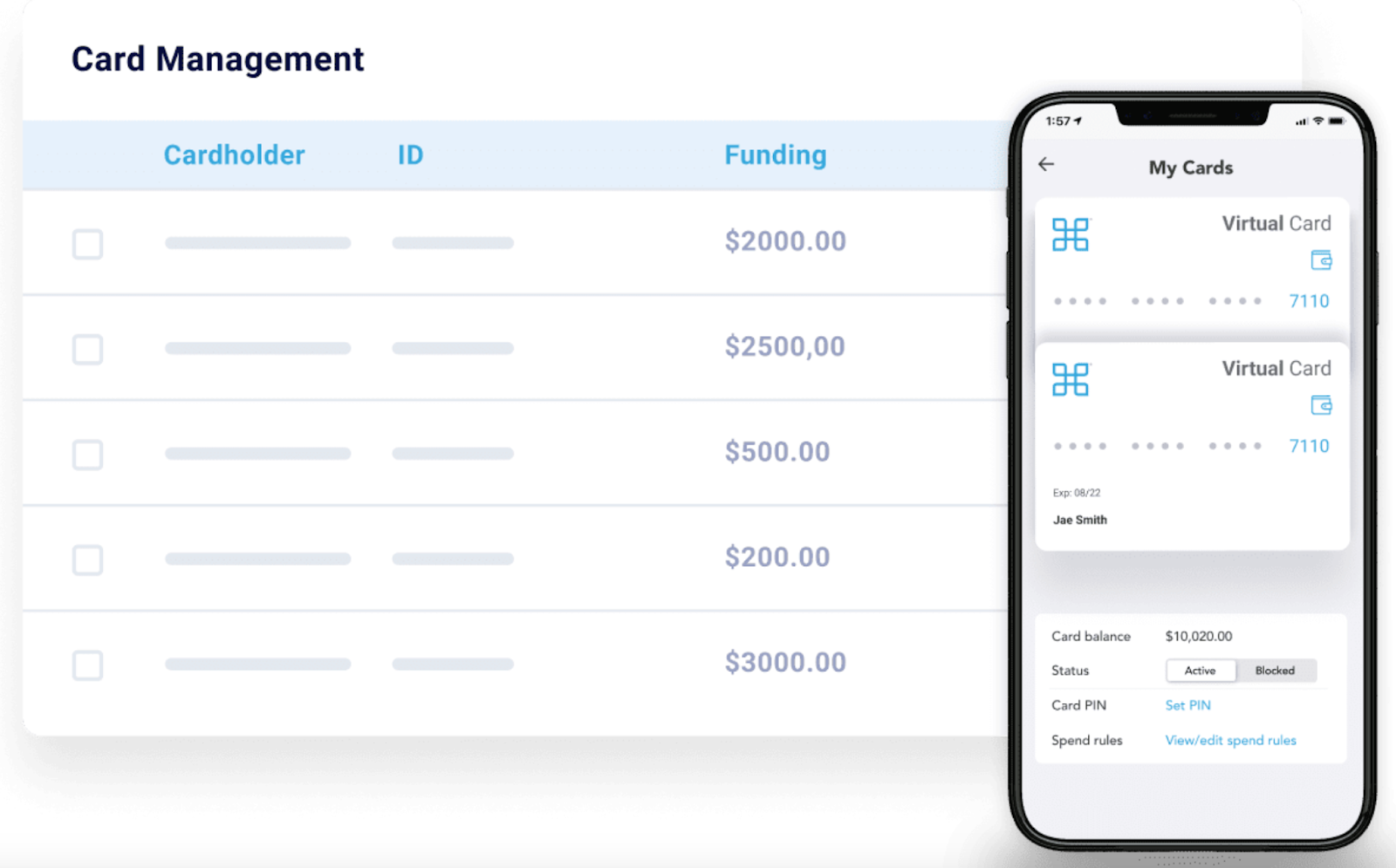
PEX enables businesses to distribute both physical and virtual cards, offering flexibility in how expenses are managed. Physical cards can be given to staff and management, while virtual cards are ideal for bill payments, travel arrangements, and recurring expenses. 

This dual card option caters to diverse spending needs, providing a versatile solution for businesses. The ability to manage both types of cards seamlessly from desktop or mobile devices adds an extra layer of convenience.

You might also like: 6 Best Fintech Credit Cards to Apply for (Consumer & Business) 

6. Customizable Rules & Spend Limits

PEX card activation

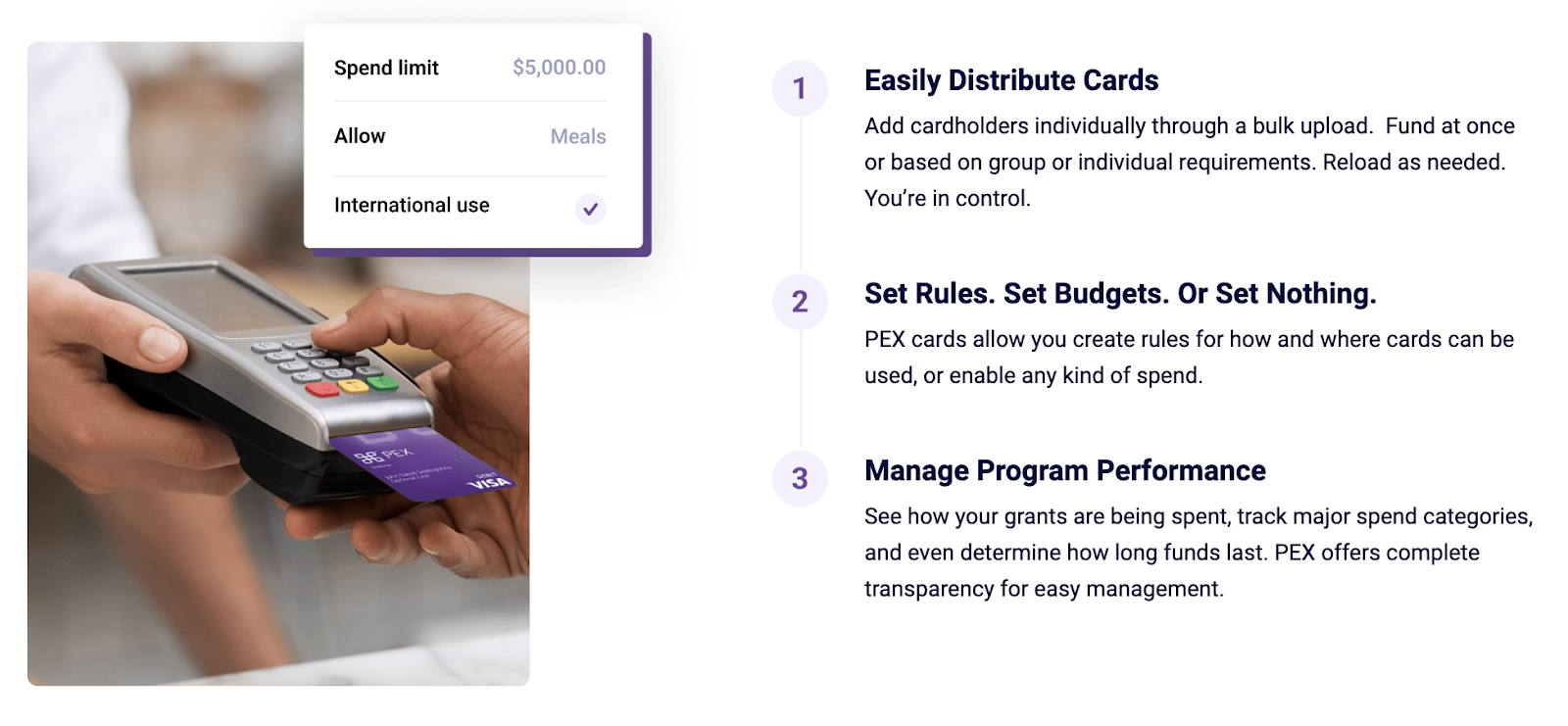
PEX allows businesses to set customizable rules and spending limits for each card or group. This feature provides granular control over how funds are utilized, ensuring that expenses align with organizational policies. 

Tailoring approved categories and spending limits allows businesses to adapt the platform to their specific needs, whether for individual employees or departments. PEX’s focus on customization empowers businesses to maintain financial discipline and allocate resources effectively.

You might also like: Should You Open a Citibank Commercial Card Account?… It Depends! 

7. Simplified Grants Disbursement for Nonprofits

PEX card grants

Moreover, PEX simplifies grant fund distribution with physical and digital Prepaid Visa® Cards. Administrators gain control through customizable rules, easy cardholder management via the mobile app, and bulk uploads for efficient card distribution. 

PEX’s transparency allows tracking of spending, major categories, and fund duration, ensuring effective grant program management.

Frequently Asked Questions

When should you not use PEX? 

If you’re looking to make personal purchases or handle transactions unrelated to your business or organization’s expenses, PEX may not be the right fit. PEX is designed for managing corporate spending and isn’t meant for personal use.

Can you use a PEX card at an ATM?

No, you can’t use a PEX card at an ATM. PEX cards are specifically designed for making purchases, payments, and managing expenses. If you need cash, it’s best to use other methods like a traditional bank debit card.

What is PEX payment? 

PEX payment refers to the financial transactions made using PEX cards. These cards are part of the PEX expense management platform, offering businesses a streamlined way to handle corporate spending, vendor payments, and other financial transactions.

How old do you have to be to use a PEX card? 

To use a PEX card, you generally need to be at least 18 years old. PEX cards are designed for businesses and organizations, and they are not typically issued for personal use by individuals who are under 18.

Conclusion: Is PEX a Good Idea? 

PEX is an excellent corporate card with robust features, making it ideal for businesses and nonprofits seeking streamlined expense management. The platform’s prepaid and dynamic credit cards, 1% cash back, and versatile app cater to various industry needs. 

Seamless integrations, virtual/physical cards, and customizable controls enhance the overall user experience. PEX’s positive company overview adds to its credibility.

While PEX is a great choice, businesses with specific needs, such as startups or e-commerce ventures, might find alternatives like Brex, Bill Expense, or Shopify Credit more tailored to their requirements. It’s always a good idea to evaluate your priorities and compare several options for any financial offer. 

Do you want to learn how to obtain up to $100K in business credit in as few as 30 days? Join Business Credit Workshop today!

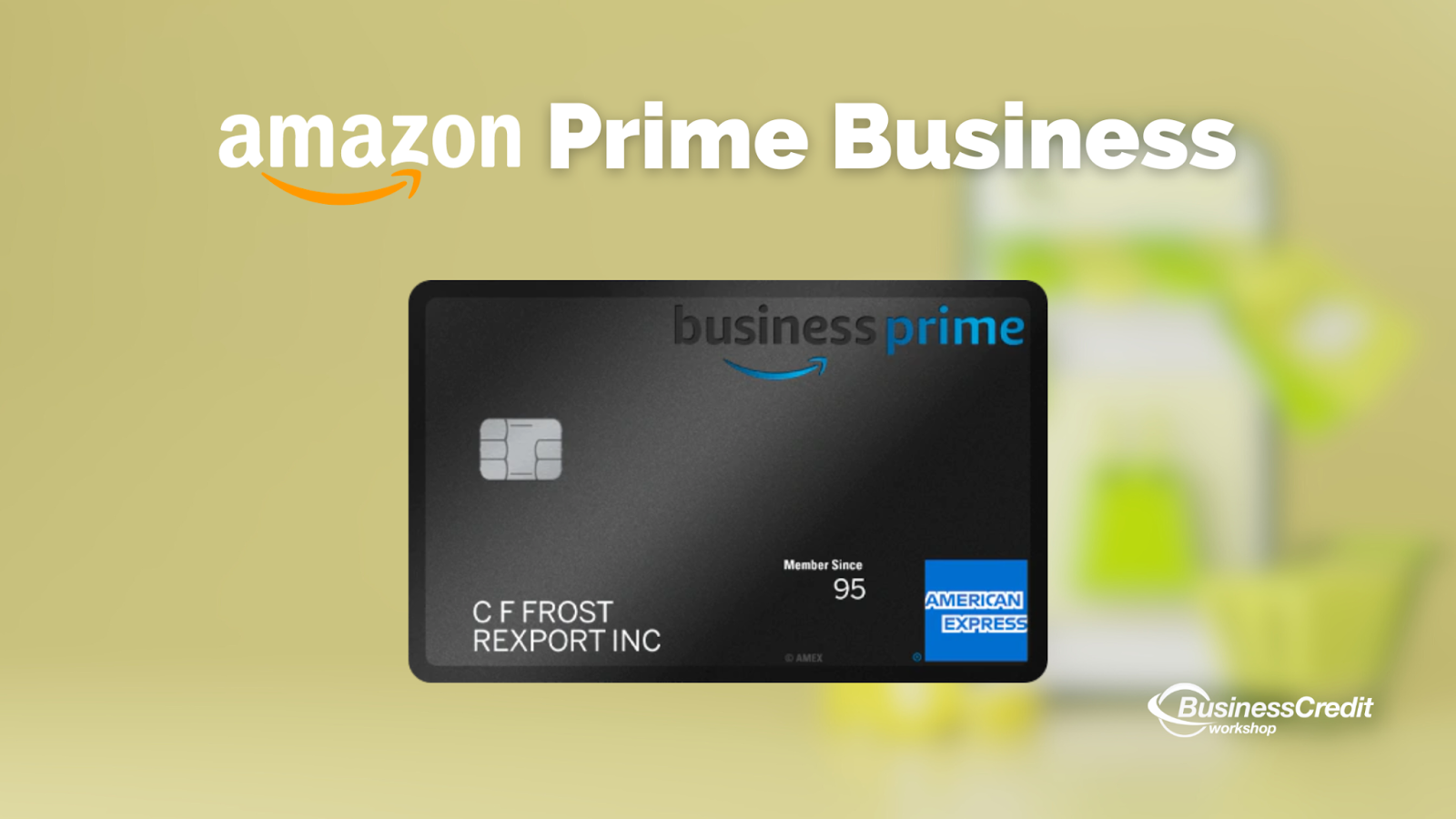
Amazon Business Prime Credit Card: Full Review +How to Get One

By Joe

Amazon Business Prime Credit Card

The Amazon Business Prime Credit Card has been around for awhile now, and it’s convenient for business spending with Amazon, AWS, and Whole Foods. But, that isn’t the only reason why you would want one. Here, I’ll lay out the card benefits in full and explain how to get a business credit offer from Amazon and Amex. 

For those who already have the card, I’ll explain how to get the most rewards with your spending and answer some common questions.

Here’s what’s in store: 

  • What is the Amazon Prime Business Credit Card?
    • Amazon Company Overview
  • Amazon Business Prime Credit Card Summary
    • How Does the Amazon Business Card Work?
    • Can Anyone Get an Amazon Business Prime Card?
    • How to Get an Amazon Prime Business Credit Card
  • Frequently Asked Questions
  • Wrapping Up

Let’s roll!

What is the Amazon Prime Business Credit Card? 

The Amazon Business Prime Card is like a VIP pass for your business expenses. With no annual fee, you can snag a $125 Amazon.com Gift Card just for getting approved—nice, right? 

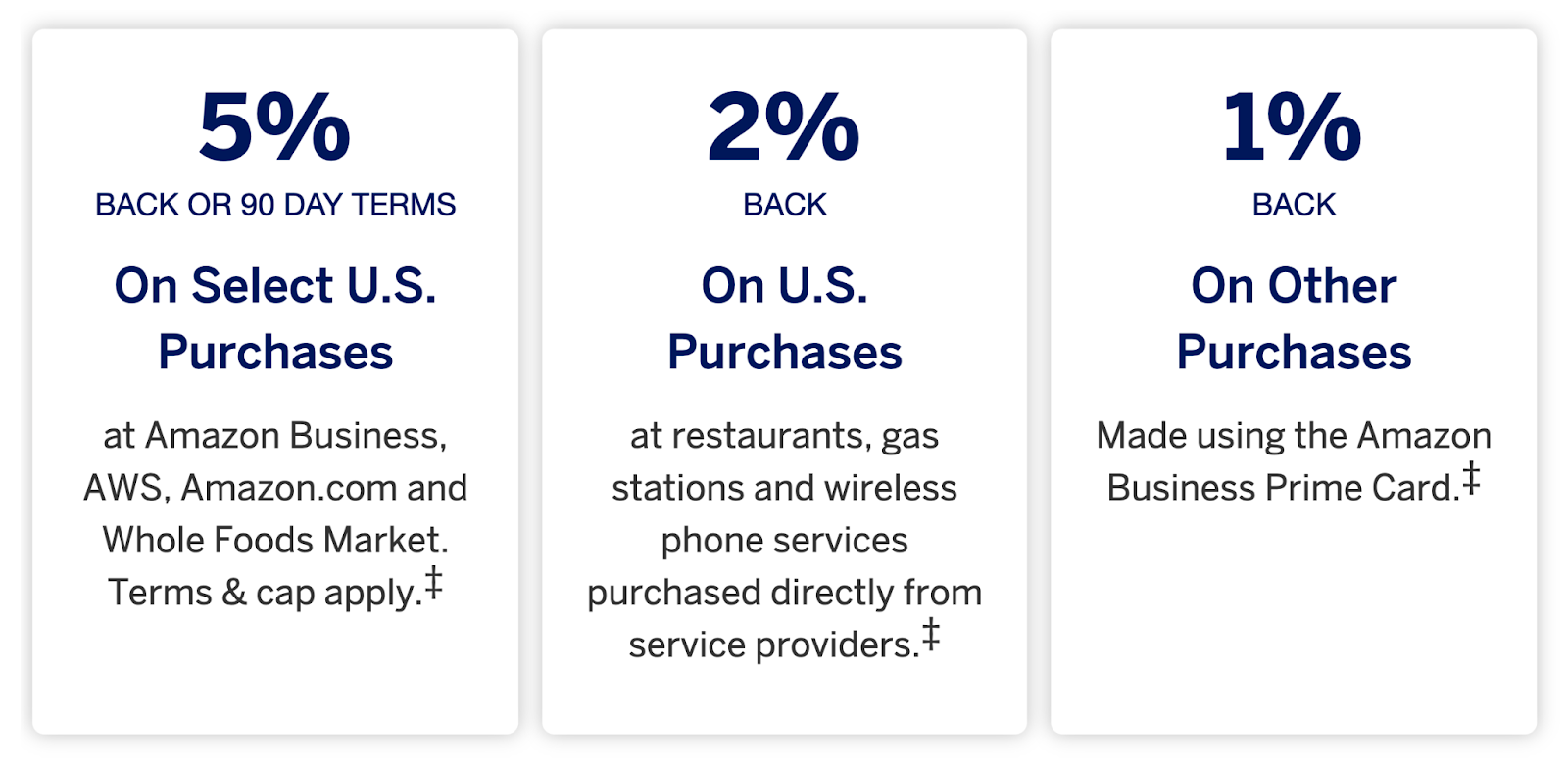
The more you spend at Amazon Business, AWS, Amazon.com, and Whole Foods Market, the more you earn back, like 5% back or 90-day terms on eligible purchases with a Prime membership – Dining out, filling up at gas stations, and handling phone bills also get you some sweet 2% back. Everything else? You still get a cool 1% back. 

Plus, the perks include: 

  • No foreign transaction fees
  • Expense management tools
  • Baggage insurance for your travels 

It’s like your business’s new best friend with benefits! 

You might also like: Amazon Corporate Credit Line – The Ultimate Guide 

Amazon Company Overview 

If you haven’t heard of Amazon, it would surprise me. Still, for the sake of staying true to my comprehensive nature, here’s a quick rundown. 

Amazon is the big dog of online everything…It started as a humble online bookstore in ’94, and look at it now—like the Godzilla of e-commerce. From A to Z, they’ve got it all, and I mean everything: Books, gadgets, groceries, cloud computing, streaming, you name it. 

Amazon Business Prime account

The founder, Jeff Bezos, turned a garage project into a tech empire over the course of the past 30 years. Fast shipping? Hello, Prime! They even got drones in the game. With fingers in so many pies, it’s hard to imagine a world without that iconic smiling arrow. 

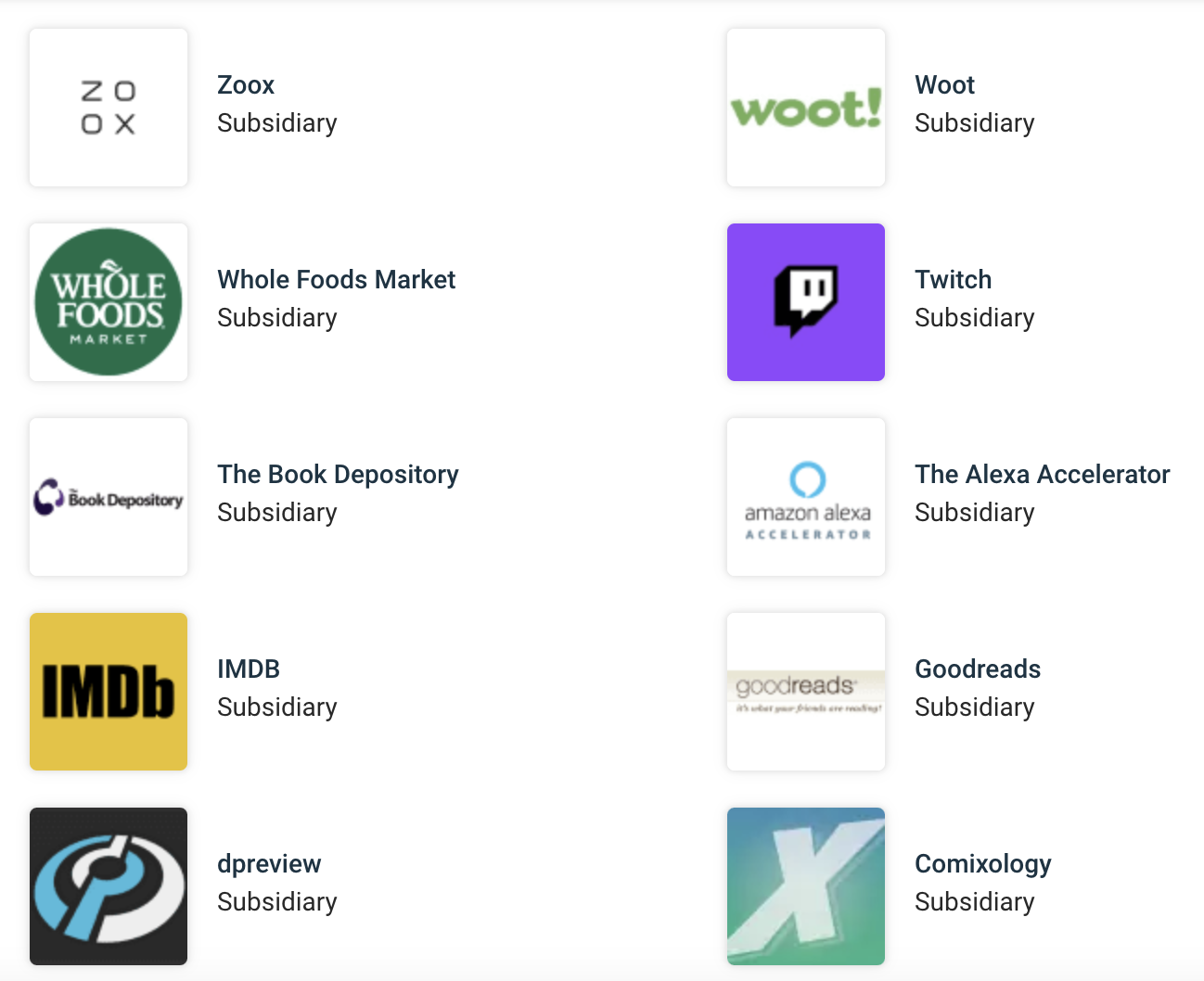
Amazon is a seattle-based company that now has a ton of subsidiaries including Xoox (future driverless, electric taxis), Whole Foods, Twitch, and IMDB. 

Amazon Subsidiaries

The current CEO, Andy Jassy, had been with the company since 1997, founded AWS in 2006, and took over Amazon Inc. when Bezos stepped down in 2021. 

At this point, there aren’t many industries Amazon doesn’t have their hand in. Still, their business credit card is serviced by Warren Buffet’s American Express (a Berkshire Hathaway company). The card doesn’t currently offer cashback on purchases with most subsidiaries, but they’re in an interesting position that would make this possible – I wonder if that’s something we could see in the future. 

Amazon Business Prime Credit Card Summary

Looking to level up your business game? Enter the Amazon Business Prime Credit Card—a great tool for savvy business spenders. From a $125 welcome gift card to cash back rewards on your favorite business expenses, this card is a VIP pass to Amazon-related savings. 

Let’s dive into the details!

How Does the Amazon Business Card Work?

So, how does this card work its magic? It’s all about the cashback game…Let’s review. 

Amazon Prime card for business

You earn 5% back or get extended 90-day terms on U.S. purchases (your choice) at: 

  • Amazon Business
  • AWS
  • Amazon.com
  • Whole Foods Market

The 5% cashback offer is good for up to $120K in spending per year. 

Dining out, fueling up, or sorting out your wireless bills? Enjoy 2% back—every other purchase scores you a solid 1% back. The more you spend, the more you earn. Simple as that.

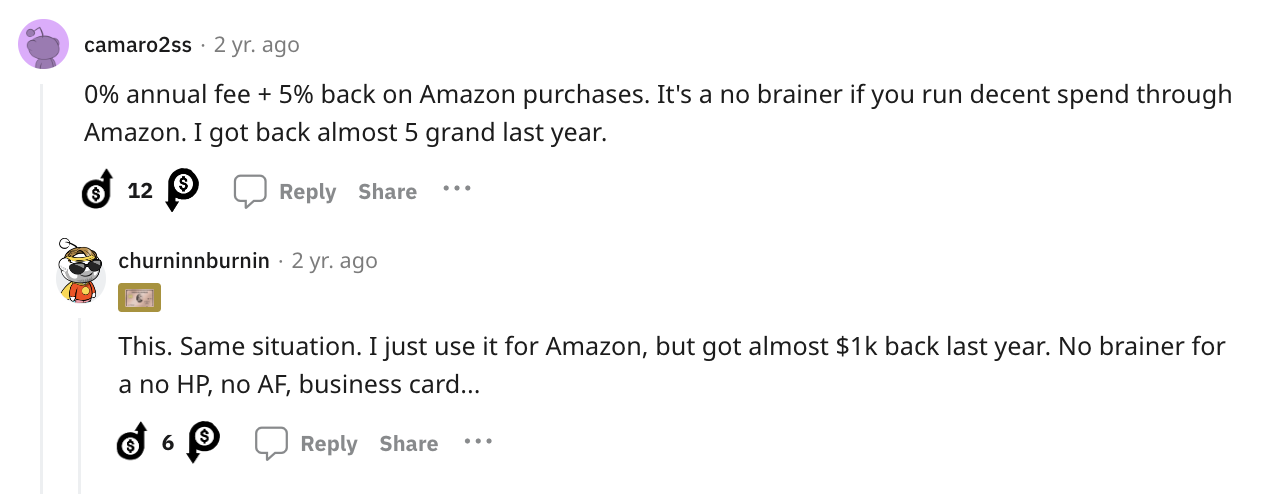
Amazon Business Prime Credit Card review Reddit

Then, as an Amex cardholder, you can take advantages of even more benefits: 

  • Gain deeper insights into your purchases for smarter decisions.
  • Simplify expense reconciliation with itemized, downloadable purchase details.
  • Earn rewards with no expiration, giving you flexibility in usage.
  • Redeem points on Amazon.com and Amazon Business (U.S.) or apply them to your balance.
  • Travel the world without worrying about foreign transaction fees.
  • Enjoy global card acceptance with American Express.

Plus, this card comes with no annual fee (they make up for this with your prime membership fee). If you play the game well, you can end up saving quite a bit. 

Moreover, you can leverage extra protection on purchases made with the card: 

  • Get an extended warranty on items you purchase with the card, up to one extra year.
  • Purchase protection guards your purchases for up to 90 days against theft or accidental damage.
  • Receive support with dispute resolution for any fraudulent or incorrect charges on your statement.

Hopefully, you won’t ever have to use them, but these perks will make life easier if you do. 

You might also like: Marriott Bonvoy Business Credit Card Review & Comparison 

Can Anyone Get an Amazon Business Prime Card?

The Amazon Business Prime Card is up for grabs for any business, but there are a couple things to note: 

  1. The basic requirements are that you are at least 18 years of age, own at least half of your business, and have a Prime or Business Prime account.
  2. While there’s no minimum credit score posted on the door, a solid creditworthiness vibe is key – people I’ve known to be approved for this card had a score of 700 or above. 
  3. You may need an EIN set up with the IRS, a business bank account, and a business address. 

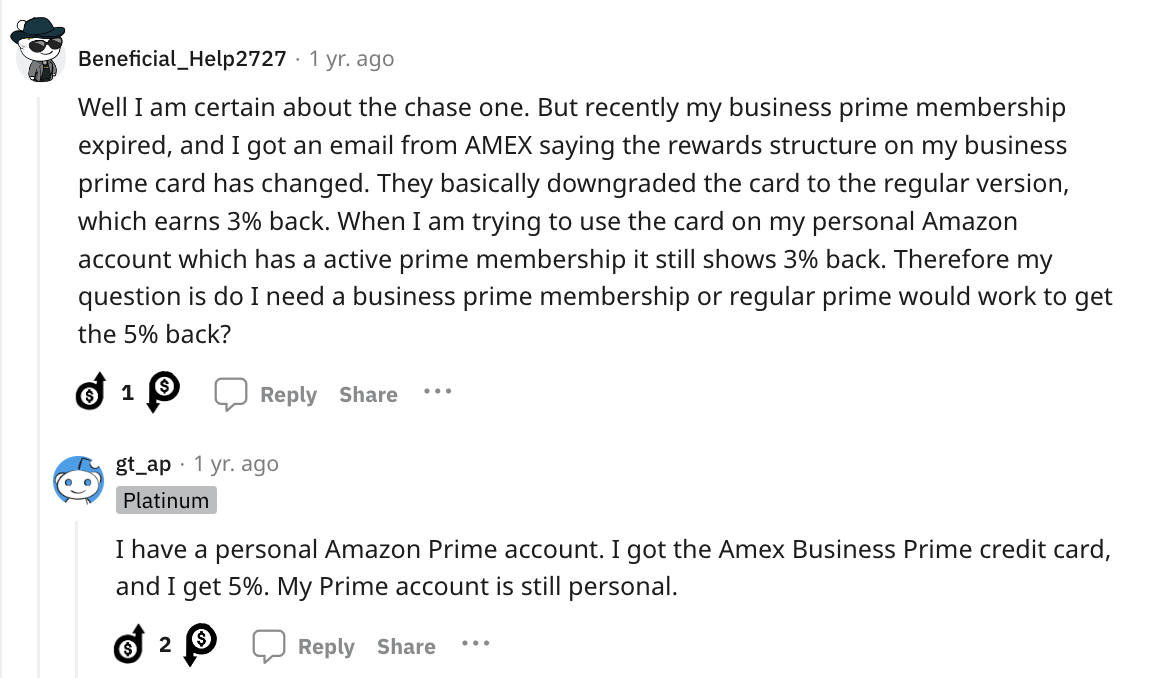
Note: If you downgrade your Amazon Prime account, Amex may downgrade your cashback rewards structure, but this doesn’t seem to happen to everyone. 

Amazon Business Prime Credit Card apply

People often wonder about the APR, and here’s the lowdown: Your annual percentage rate will dance in the 19.49% – 27.49% variable rate range. 

Recommended: Here’s How to [Actually] Get Business Credit With Just an EIN +More Options 

How to Get an Amazon Prime Business Credit Card

Pre-approval requirements for the Amazon Prime Business card are not crystal clear, but a decent credit score waltz will get you far. Keep those expenses in check, and you might just find this card in your wallet.

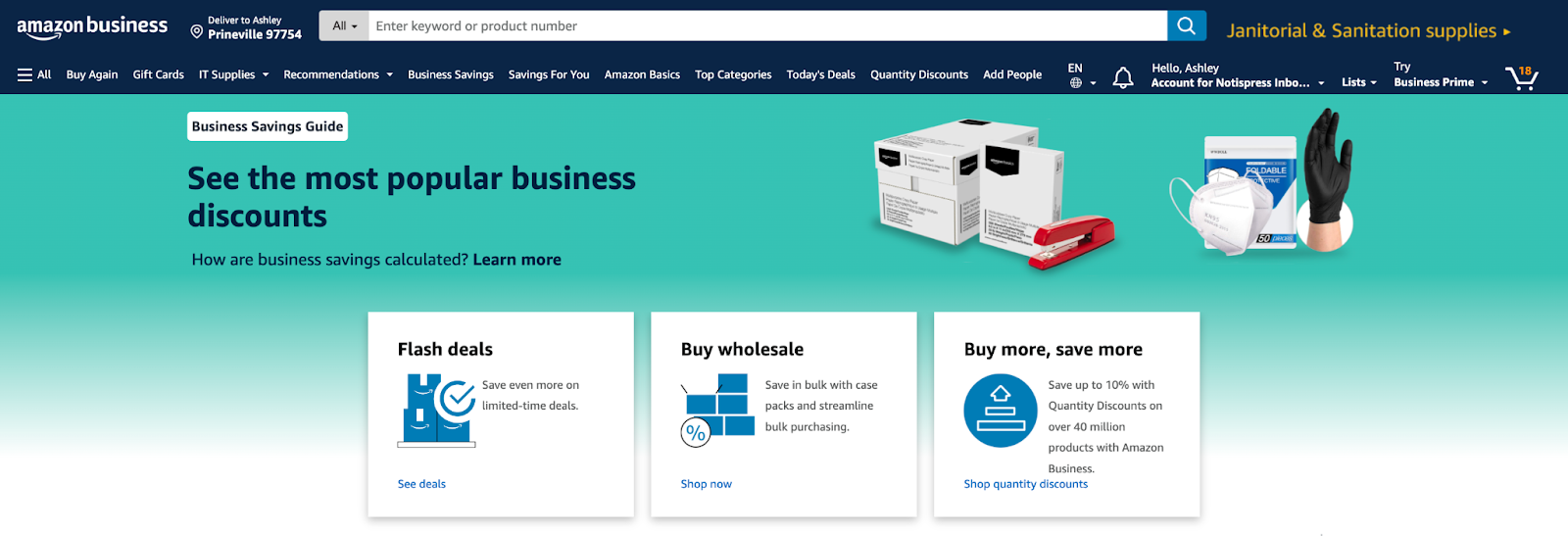
If you sign up for an Amazon account with a professional email account (name@yourbusinessname.com), Amazon will invite you to sign up as a business. From here, they run periodic checks and might send you an offer to apply. 

To apply today without pre approval, you can do so on the Amex website. Apply, and you could get a decision in as fast as 30 seconds—once approved, enjoy the perks, the cashback, and that shiny new card in your hands.

💡 Business Credit Bonus Tip: Leverage In-App Amex Offers for More Savings

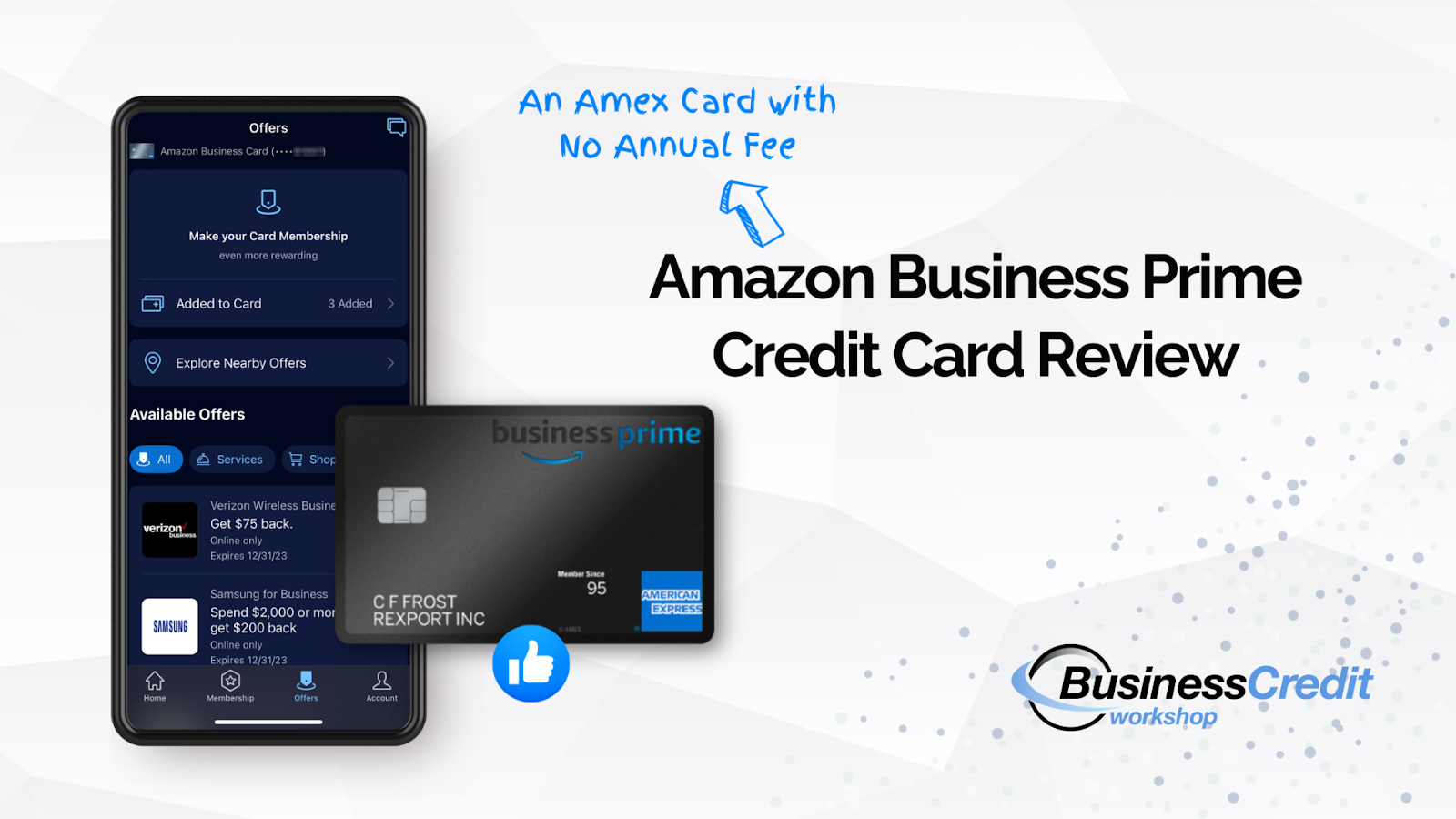
Keep an eye on Amex Offers through the American Express® App. These are personalized deals and discounts that Amex cardholders receive based on their spending habits. When you regularly check and activate these offers, you can enjoy extra savings on purchases from various merchants.

Amazon Business Prime Credit Card Login

Frequently Asked Questions

Is the Amazon business credit card only for Prime members?

Yes, the Amazon Business Credit Card is available to Amazon Prime and Amazon Business Prime members. Hence, their ability to offer an Amex card with no annual fee. 

How am I eligible for Amazon business?

Eligibility for Amazon Business typically involves having a business entity. You can sign up on the Amazon Business website using a professional email address (name@yourbusinessname.com).

Do you need a credit card to open an Amazon Business account?

No, having an Amazon Business account doesn’t require you to obtain an Amazon credit card or any other credit card. You can pay with a debit card. Amazon even accepts EBT cards for some food purchases in select locations. However, a credit card can be beneficial for making purchases and accessing card-specific benefits.

What's the credit limit on the Amazon credit card?

Credit limits are determined based on individual creditworthiness and financial factors. The assigned limit will be provided upon approval. Amex tends to extend credit limits in the tens of thousands range with responsible use, but they’re also known to decrease limits, without warning, at the first sign of irresponsible credit usage. 

Is there an annual fee for the Amazon business card?

No, there is no annual fee for Amazon’s business credit card. However, you will need to pay $179+ annually for a Business Prime account to qualify. 

Is Amazon business credit card a hard pull?

Yes, applying for the Amazon Business Credit Card will result in a hard pull on your credit report. It’s advisable to be mindful of your credit inquiries.

Wrapping Up

In a nutshell, the Amazon Business Prime Credit Card can be your business’s VIP pass, offering rewards and perks that go beyond convenience. From cashback on Amazon, AWS, and Whole Foods spending to added benefits like no foreign transaction fees and enhanced purchase protections, it’s not just a card—it’s a business ally.

Amazon’s evolution from an online bookstore to an e-commerce giant with global reach is awe-inspiring. As for the card, eligibility is straightforward, rewards are impressive, and the application process is hassle-free.

Whether you’re a seasoned user or contemplating joining the Amazon Business Prime Card club, remember: a good credit score dance can open the door to a world of benefits. 

While I really do like this card, I tend to favor small community banks and credit unions (which you already know if you follow this blog). I tend to see businesses get larger lines of credit when they have the right rapport with smaller institutions. 

If you’re ready to learn how to obtain up to $100K in business credit in as few as 30 days, join Business Credit Workshop today!

Corporate vs Business Credit Card: What’s the Difference? 

By Joe

Corporate vs Business Credit Card

I regularly review business credit cards and corporate card offers on this blog, and I often need to clear up the difference when I’m describing a corporate card offer. Here, I decided to create a resource that explains the differences between corporate vs business credit cards to refer readers and coaching students to. 

I’ll explain the differences in a way that’s super easy to understand, and point you to some relevant content so that you can learn more about specific card offers. And, I’ll answer the questions that I hear most often from my coaching students. 

This is what’s in store: 

  • The Difference Between Corporate Cards & Business Credit Cards
  • The Advantages of a Corporate Card
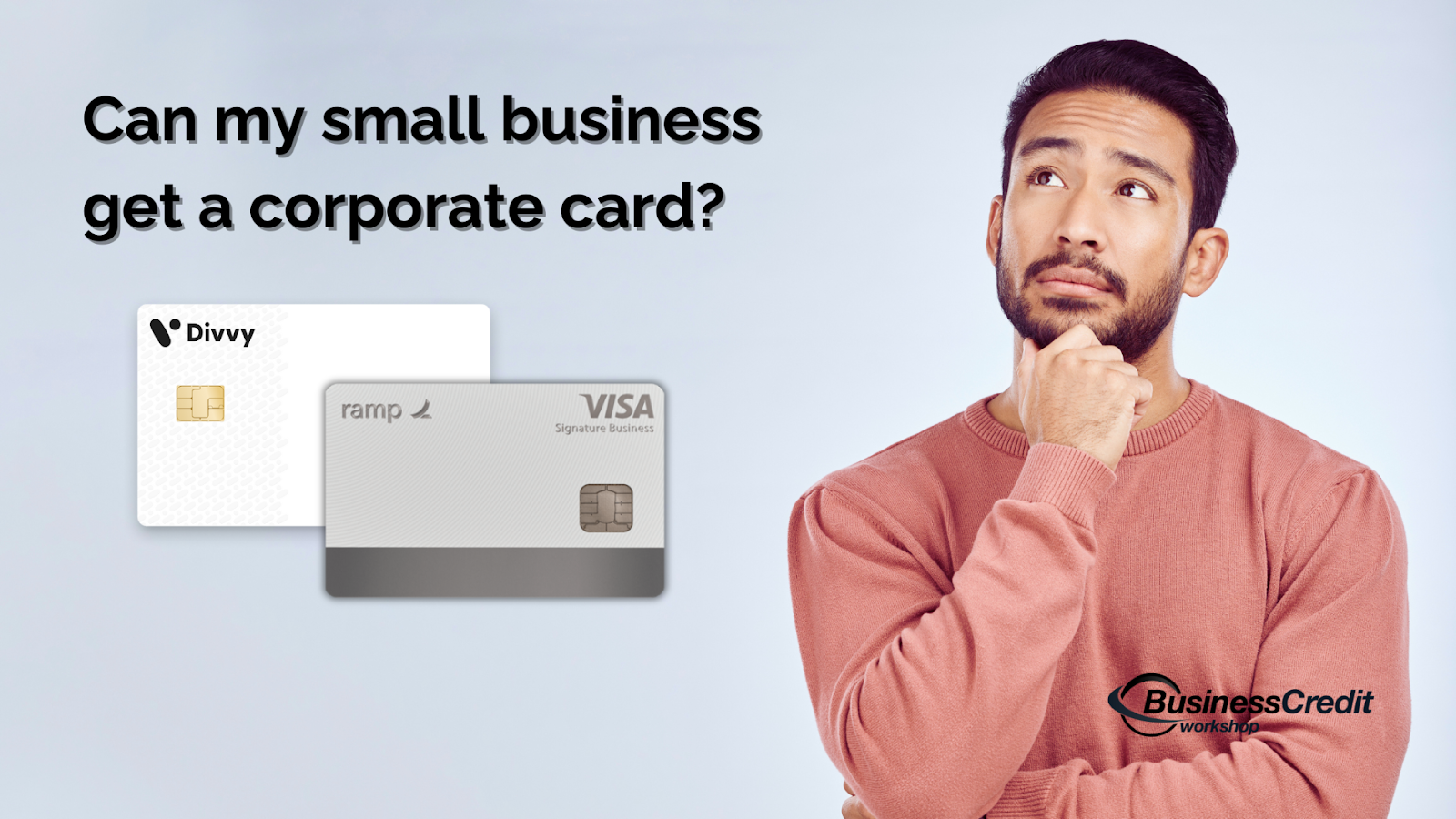
    • Can a Small Business Get a Corporate Credit Card?
  • The Advantages of a Business Credit Card
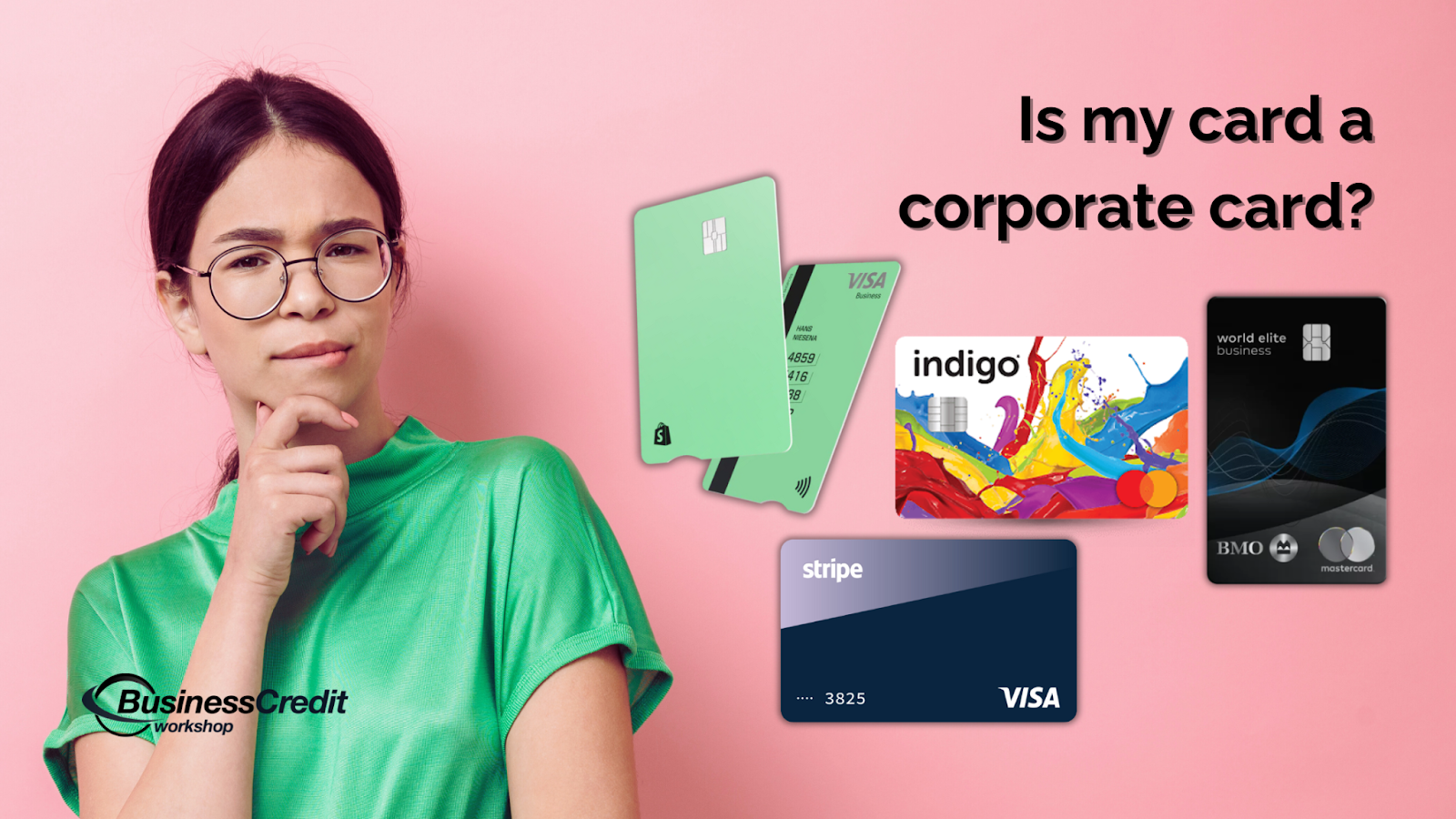
    • Is Your Business Card a Corporate Card?
  • Frequently Asked Questions
  • Final Thoughts

Let’s go! 

The Difference Between Corporate Cards & Business Credit Cards

Right out the gate, there is one core difference between corporate cards and business credit cards. What is the difference between a corporate card and a business credit card?

While both are used by businesses to improve cash flow, and may come with a line of credit to improve cash flow, the key distinction is in the payment terms: 

  • Business credit cards have a revolving credit line, so you can carry a balance each month and make a minimum payment if you choose. 
  • Corporate cards must be paid in full each billing cycle, whether that be every 30 days (net 30), 60 days (net 60), or a different time frame. 

At first glance, it may seem like an easy choice if you’re deciding which card to apply for. Who wants the obligation to pay off your balance when you could have the freedom to pay it off over time? 

…Right?

Well, it’s not that simple — Corporate cards are not inferior to business credit cards by any means. Let’s look closer. 

You might also like: 41 Companies That Help Build Business Credit [Beyond Net 30 Vendors] 

The Advantages of a Corporate Card

The point of a corporate credit card is to streamline financial transactions and manage expenses effectively. Rather than relying on personal credit cards for work-related costs, companies often issue corporate credit cards to employees. 

This not only provides a level of convenience by eliminating the need for individuals to front their own money but also facilitates a smoother expense tracking system. A corporate card typically comes equipped with features that helps businesses: 

  • Monitor and manage budgets
  • Ensure a transparent expense record 
  • Simplify reimbursements
  • Separate personal and business expenses
  • Get accurate financial reporting, taxation, and accounting

Furthermore, companies can implement access controls by setting spending limits and specifying where the card can be used, thereby ensuring that expenditures align with approved purposes. 

Business Credit card vs corporate credit card

In essence, a corporate credit card serves as a financial tool to enhance the efficiency of business operations, providing both convenience for employees and effective financial management for the company.

Plus, many corporate cards come with added perks like savings on software costs or ad spend. And, many of the newer corporate cards are completely free because of partnerships. So, obtaining one of these cards is like having a membership that offers exclusive access to discounts within a niche business network.  

You might also like: Have You Heard About the Free Stripe Corporate Card Cashback Benefits? 

Can a Small Business Get a Corporate Credit Card? 

Pros and cons of corporate credit cards

There is a widely-believed myth that corporate cards are for enterprises and credit cards are for small businesses. The truth is that small businesses can, absolutely, obtain corporate cards. 

Corporate cards are typically issued based on business income, not necessarily credit scores. So, if your small business meets the revenue requirements, and you want the card, you might as well apply. 

Many corporate cards require at least $4 millions in annual revenue, but some of the newer corporate cards will accept you with as little as $5K per month. 

You might also like: In-Depth Divvy (BILL) Credit Card Review: Read This Before You Apply 

The Advantages of a Business Credit Card

A business credit card is a line of credit crafted to meet the unique needs of a business. It functions similarly to a personal credit card but is tailored to streamline financial management for companies. 

The primary objective is to offer businesses a convenient and efficient way to: 

  • Make purchases
  • Cover expenses 
  • Maintain financial control
  • Free-up your personal credit
  • Get access to substantial lines of credit

Like its corporate counterpart, a business credit card usually provides features such as detailed expense tracking and a streamlined reimbursement process, which contribute to effective financial oversight. 

And, some business credit cards offer the ability to issue additional cards to employees with preset spending limits. 

The inclusion of rewards and incentives, specifically designed for business-related expenses, adds another layer of appeal. Moreover, responsible use of a business credit card contributes to building the credit profile of the business itself, separate from the personal credit of the business owner.

In a nutshell, a business credit card is a tailored financial tool that enhances the efficiency of business operations by simplifying expense management and providing flexibility in financial transactions.

You might also like: This is How to Leverage Business Credit to Transform Your Life 

Is Your Business Card a Corporate Card? 

Small business credit vs corporate card

As a business owner, if your credit card is in your company’s name, features detailed expense tracking, and you pay the balance in full each billing cycle, it’s likely a corporate card. However, if it’s in your personal or business name, issued by a bank, and involves revolving reimbursement, it’s probably a business credit card. 

Keep in mind, if payments are due in full each billing cycle, it might be a secured business credit card – For clarification, check your card issuer’s information or contact customer service.

You might also like: The Ultimate Tillful Review (+New Secured Credit Offer for Businesses) 

Frequently Asked Questions

Does a corporate card hurt your credit score? 

No, a corporate credit card typically doesn’t impact your personal credit score. Since it’s usually issued in the company’s name and is the responsibility of the business for repayment, your personal credit history remains separate. However, if you do not pay as agreed, and the card comes with a personal guarantee, this could have a negative impact on your score.

Who is eligible for a corporate credit card? 

Businesses that meet the revenue requirements, which may be as high as $4 million per year, are eligible for corporate card accounts. The businesses can then implement their own eligibility requirements and spending limits for staff and employees. 

Can I use my corporate credit card for personal use? 

Using a corporate credit card for personal expenses is generally discouraged. Corporate cards are intended for business-related transactions. Mixing personal and business expenses can complicate accounting. And, it’s super important to follow company policies regarding card usage.

Who pays for the corporate credit card? 

The company is responsible for paying the expenses incurred on a corporate credit card. Corporate cards are issued by the company to streamline business-related transactions, and the company covers the costs directly.

What's a good credit card for a small business? 

There are several options for small business credit cards. Popular choices include the Chase Ink Business Preferred and several options from Bank of America. Some of my favorites are from small community banks and credit unions. The best card depends on your business’s specific needs, such as rewards, expense management features, and credit limits. See the best credit cards for entrepreneurs. 

Final Thoughts

So, corporate cards and business credit cards are a bit different. Business credit cards let you carry a balance, but corporate cards need full payment each month. 

Corporate cards are awesome—they make business money matters smooth, help track expenses, and even come with cool perks. And, small businesses, not just big ones, can get corporate cards. 

Business credit cards are cool too—they’re like personal cards but for your business. They’re handy for buying stuff, covering expenses, and earning rewards. 

Check out different cards based on what your business needs. Got questions? We’ve got answers, from credit scores to who foots the bill. Whether you go corporate or stick with business, there’s a card for every business owner’s wallet.

Want to learn how to obtain up to $100K in business credit in as few as 30 days? Join Business Credit Workshop today!

Full Shopify Credit Review: Are the Cashback Rewards Legit? 

By Joe

Shopify Credit Review

If you landed here, you may have received an invitation to apply for a “Shopify credit card.” And, since this offer was only unveiled a few months ago, you’re not going to find a lot about it on Reddit or other forums. 

Not only this, but if you try searching for details about the card, you’ll mostly see Shopify’s own marketing content, reviews that may have been written by affiliates, and information about Shopify Capital (which is a separate offer)

…This is probably going to change in the future as the Shopify Credit offer has time to spread its wings. Still, you need to know more about the card before you apply or accept an offer.

→ Recommended: 7 Best Cash Back Corporate Cards to Explore

So, here, I’m going to explain the offer and a little bit about the company, share some features and benefits of the card, and compare it to some close competitors. Then, I’ll answer a few of the top questions people are asking. 

Here’s what’s in store: 

  • What is Shopify Credit?
    • Business Credit vs Corporate Cards
    • Shopify Company Overview
  • Shopify Credit Features & Benefits
    • Shopify Credit Card Terms & Fees
    • Cashback & Bonus Offer
    • Shopify Credit Requirements
  • Shopify Credit Alternatives
  • Frequently Asked Questions
  • Conclusion: Is This Card Offer Worthwhile?

 Let’s dive in! 

What is Shopify Credit? 

Shopify Credit login

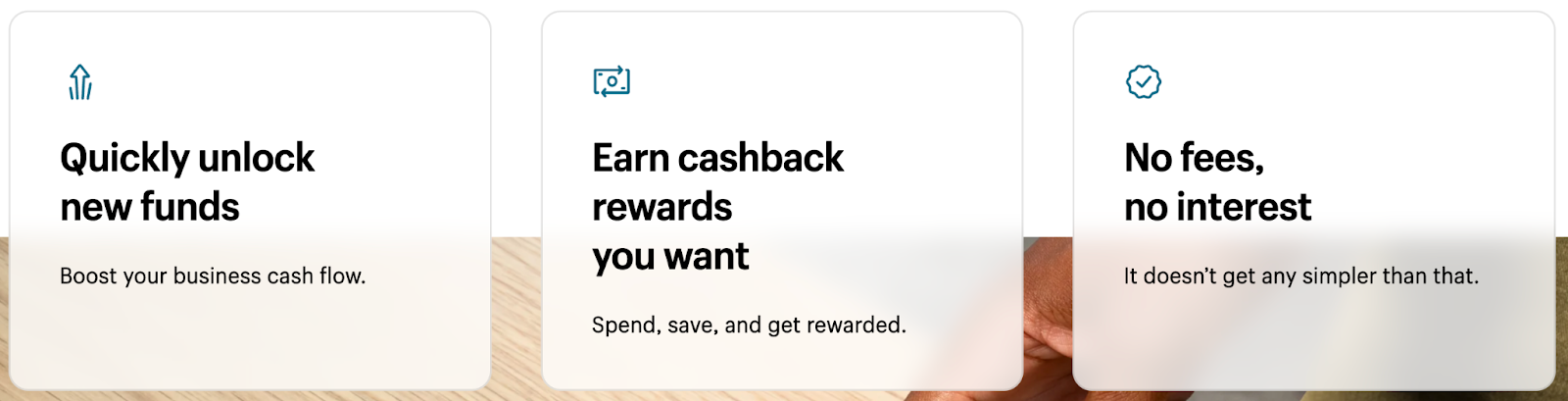
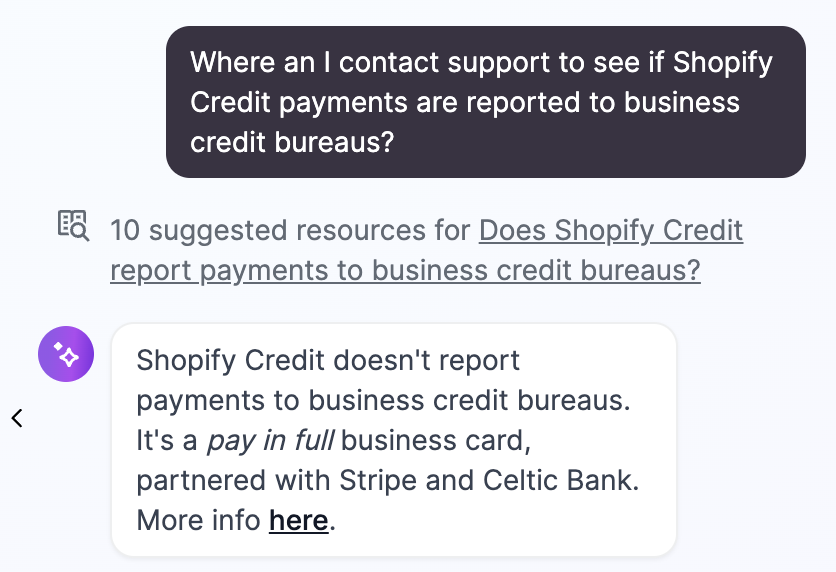
Shopify Credit is a pay-in-full, so-called “business credit card” tailored for entrepreneurs — It offers a straightforward and transparent financial solution with no fees, no interest, and up to 56 days to pay for purchases. 

Considering the way the card is set up, it’s actually a corporate card, not a business credit card (more on that in a minute). 

Shopify Credit is designed to support business cash flow with a flexible spending option for everyday business expenses, such as: 

  • Marketing and Advertising
  • Shipping and Fulfillment
  • Wholesale

Shopify sellers can easily check their eligibility online and receive quick decisions based on business performance rather than credit scores. And, they can enjoy the convenience of a Visa®-branded card accepted pretty much everywhere globally (i.e. wherever Visa is accepted). 

The card also comes with the added benefit of cashback rewards, allowing users to earn up to 3% cashback on eligible purchases in their top spend category and 1% on the other two categories. With no catch and a focus on simplicity, Shopify Credit aims to empower businesses by providing a reliable and rewarding financial tool.

Recommended: Best eCommerce Credit Cards (Online Seller’s Guide)

Business Credit vs Corporate Cards

Business credit cards and corporate cards serve distinct purposes in the realm of business financing. Business credit cards are typically designed for small to medium-sized enterprises and individual business owners, offering a convenient and flexible means of covering day-to-day expenses. They often come with features like cashback rewards and expense tracking. 

On the other hand, corporate cards are generally intended for larger enterprises and are issued to employees for company-related expenses. Corporate cards may come with more extensive expense management tools and customization options tailored to the specific needs of large organizations. 

Shopify credit gives you the best of both worlds. Still, the offer is more closely related to contemporary corporate card offers than business credit cards, which allow you to carry a revolving balance.  

You might also like: What’s the Best Payment Processor for a Small Business? Really

Shopify Company Overview

Shopify Finaning for Merchants

Established back in 2004, the Canadian powerhouse known as Shopify (aka Shopify Payments or Shopify Data Processing, if you’re feeling fancy) has grown into a publicly-traded juggernaut valued at $1.3+ billion. 

Every online merchant has heard about their game-changing online sales platform that’s been rocking the eCommerce scene. Now, I won’t dive too deep into the intricacies of Shopify’s credit card processing capabilities or the Shopify credit card reader. 

Instead, let’s shine a quick spotlight on the backstory of Shopify Credit. 

Shopify’s initiatives kicked off in April 2016, when they started offering merchant cash advances, and since then, they’ve pumped out billions in funding for sellers worldwide. Shopify Credit was launched more recently in July 2023.

It’s worth noting that all the financial mojo behind Shopify Capital comes courtesy of WebBank, a player affiliated with the likes of Dell Business Credit, LendingClub, and Capital on Tap (not my favorite business funding offers). 

Meanwhile, Shopify Credit is issued courtesy of Celtic Bank, a modest brand with a tremendous reach. 

Recommended: Shopify Capital Review: What are the Benefits & is it Worth it? 

Shopify Credit Features & Benefits

Okay, are you ready to dive into the details? Here’s a summary of who can qualify for Shopify Credit and everything you can expect if you pull the trigger on this one. 

You might also like: What are the Best Unsecured Business Credit Cards for Startups? 

Shopify Credit Card Terms & Fees

Shopify Credit Card Fees

Shopify Credit is essentially free:

  • No annual fee
  • No foreign transaction fees
  • No setup fees

This offer is all about straightforward transactions to help keep more money in your business.

With up to 56 days to settle bills (net 56) and zero late fees, Shopify Credit offers a relaxed payment period, giving you ample time to manage your business finances. This can help you manage your finances pretty easily.  

Many tradelines like this report on-time payments to credit bureaus. I couldn’t find out any information on the Shopify website about whether on-time payments are reported to credit bureaus. So, I first reached out to Celtic Bank who referred me back to Shopify. 

Does Shopify Capital run your credit?

According to Shopify’s AI chat assistant, on-time payments on the Shopify Credit card are not reported to business credit bureaus. I’m not 100% confident in the accuracy of this answer, so if you know otherwise, please let me know. 

FInally, over time, you can watch your credit limit expand as your business succeeds – Periodic reviews ensure your credit line grows with your business, which offers some financial flexibility without constant paperwork.

You might also like: Using 30 Day Net Vendors to Build Your Business Credit Score 

Cashback & Bonus Offer

Shopify Credit Cashback rewards

In addition to being a free card, Shopify Credit offers cashback and bonuses. 

With this card, you can earn rewards customized to your business essentials: 

  • 3% cashback on your top spending category
  • 1% on the other two, recognizing your business efforts.

There is a catch here, though — a pretty big one. In order to earn rewards, you must use your card for spending in the three approved categories (marketing and advertising, shipping and fulfillment, and wholesale). 

How Does Shopify Credit earn money?

Card spending must take place with one of Shopify’s partners to qualify for cashback: 

CategoryProviders
Marketing & advertisingGoogle, Meta, TikTok, Pinterest, Snap, Twitter, Microsoft, Shopify Email, Klaviyo, Mailchimp, Instafeed, Yotpo SMSbump, Yotpo product reviews and UGC, Yotpo subscriptions, Yotpo loyalty and rewards, Loox, Privy
Shipping & fulfillmentUSPS, UPS, DHL Express, Flexport, Pirateship, Shopify Shipping, Shopify Fulfillment Network, Shipsurance, Shipstation, Shippo, Aftership order tracking, Aftership shipping + labels, Aftership returns, Parcel Panel Order Tracking
WholesaleFaire

Chances are, if you’re successfully selling on Shopify, you are spending with some of these brands — so, the Shopify Credit card gives you a chance to earn/save on some of that spending. 

Shopify also advertises a $2K Shop cash welcome bonus for eligible spending — as of today, this is still up on the website: 

Shopify Credit $2000 intro offer

Sadly, this offer expired on October 31, 2023…if you accept a card offer after this date, you will not qualify for the $2K welcome bonus (I triple-checked). 

Shopify Credit welcome bonus has expired

As with most corporate and credit cards, there will probably be more introductory offers in the future – be sure to keep your eyes peeled…and always read the fine print. 

You might also like: This is How to Leverage Business Credit to Transform Your Life 

Shopify Credit Requirements

Shopify Credit eligibility requirements

You might be pleasantly surprised to learn that Shopify does not do a credit check. Shopify Credit is offered by Shopify to eligible merchants. Merchants don’t necessarily have to seek it out actively; instead, Shopify may extend offers to qualified merchants based on their business performance, so you don’t need a particular credit score to qualify. 

But, you do need a few other things: 

  • A Shopify Payments account with a single owner
  • A bank account connected to the Shopify Payments account
  • A valid United States Social Security number
  • A business located in the United States or Puerto Rico 

You may receive notifications or invitations to apply for Shopify Credit, and the application process is typically straightforward. Eligibility is based on your business performance, and decisions can be made within minutes.

Shopify Credit Alternatives

Shopify Credit card alternatives

I’ve reviewed quite a few free corporate fintech cards here on this blog, and a handful of them are very close contenders with Shopify Credit: 

  1. While I don’t like to play favorites, my favorite corporate card is Divvy – I have this card, I use it, and I love it because of its user-friendly features and expense management tools.
  2. Brex is another super popular corporate card. You’ll need a high-performing business to qualify. And, if you get this card, you’ll have the opportunity to save on business expenses like travel and online advertising.
  3. Next, Stripe Corporate is a close contender and may be a better fit if most or many of your Shopify store transactions are run through the Stripe payment platform. This card offers features tailored for Stripe users, but it’s available by invitation only, with specific requirements.
  4. This list would be complete without Ramp, which focuses on providing real-time insights into your company spending and helps control costs.
  5. While the next card wouldn’t be my top choice for most online sellers, Bank of America’s Corporate Card is worth mentioning here because of its benefits and rewards, especially if you’re already using BoA for business banking.

The best card for you is going to depend on your current setup, whether or not you’re willing to make some changes, and how quickly you need access to a corporate card. 

Recommended: In-Depth Divvy (BILL) Credit Card Review: Read This Before You Apply 

Frequently Asked Questions

How does Shopify give you money?

Shopify offers two types of merchant funding: Shopify Capital and Shopify Credit. Shopify Capital provides funding through merchant cash advances based on sales history, with repayments tied to a percentage of daily sales. Shopify Credit, on the other hand, offers a fee-free credit card with cashback rewards, providing additional funds for business expenses based on sales performance. Both options give eligible merchants access to capital to support their business growth.

Does Shopify Credit affect your ability to qualify for Shopify Capital?

No, applying for Shopify Credit does not impact your Shopify Capital eligibility. The two operate independently, allowing merchants to leverage both financial tools to support different aspects of their business needs.

What is the Shopify Credit card fee?

The Shopify Credit card is fee-free, with no annual fees, foreign transaction fees, or setup fees. This transparent fee structure aims to provide simplicity for merchants, allowing them to focus on their business without concerns about additional charges.

Will a Shopify Credit card help you build business credit? 

No. Shopify Credit is not technically a credit card and on-time payments made toward your account balance will not be reported to business credit bureaus. 

Conclusion: Is This Card Offer Worthwhile? 

Wrapping it up, Shopify Credit and its cashback rewards seem to be a pretty legit deal under the right circumstances — The card offers a straightforward, fee-free experience with up to 56 days to settle bills, and zero late fees. 

While the card is relatively new and might not be buzzing just yet, it offers simplicity, quick eligibility check, and no credit score hassles. These features make it a solid choice for some online sellers. 

The cashback adds a nice touch, providing cardholders with tangible benefits for their business spending – but it’s a shame they’re still advertising the bonus offer when it’s actually unavailable. And, I am not stoked that the card doesn’t report payments to credit bureaus.  

With that said, I still like Divvy, and I would choose it over Shopify Credit, depending on whether or not my operations were the right fit. In full transparency, I’m not a Shopify seller, I’m a business credit coach and investor. 

If you want to learn how to obtain up to $100K in business credit in as few as 30 days, join Business Credit Workshop today!

9 Best eCommerce Credit Cards (Online Sellers’ Guide)

By Joe

Best eCommerce Credit Cards

eCommerce is a fast-paced industry – On top of managing your inventory and making sales, you have to handle logistics, maintain relationships with suppliers, and keep your customer service on point while you maintain momentum. In the meantime, you need the right financial tools. Business credit cards and corporate cards can streamline your money operations. 

So, what are the best credit cards for eCommerce?

You’ve landed on a deep dive here, which you can use to determine exactly what card is right for you and your online store. If you don’t already know, you’ll learn the difference between business credit cards and corporate cards, find out what to look for in a card, and browse a list of the best cards for business owners in the online sales niche. 

(Quick note: we’re not talking about consumer credit cards for online shopping.) 

Here’s what’s in store: 

  • Navigating the Plastic Jungle: Business Credit vs. Corporate Cards
  • Best Business Credit Cards for eCommerce
    • 1. Amazon Business Prime Card from Amex
    • 2. Amex Business Gold Card
    • 3. Chase Ink Business Preferred Credit Card
    • 4. Chase Ink Business Unlimited Credit Card
    • 5. The Amex Blue Business Plus Credit Card
  • Best Corporate Cards for eCommerce
    • 1. Stripe Corporate Card
    • 2. Brex Corporate Card
    • 3. Divvy Corporate Card
    • 4. Shopify Credit
  • Frequently Asked Questions
  • Final Swipe: Master Your Business Finances

Now, let’s jump in! 

Navigating the Plastic Jungle: Business Credit vs. Corporate Cards

Alright, buckle up — it’s decision time. You’ve got your eye on that shiny piece of plastic, but should it scream “business” or “corporate”? Let’s break down the rumble between these heavyweights.

Business credit cards are designed for companies who need a line of credit that can carry a balance each month. You would choose a business credit card over a consumer credit card because of the tailored rewards and features and the ability to obtain larger lines of credit…The transition to business credit can change your life. 

Meanwhile, corporate cards typically have to be paid in full each month and tend to come with a range of advanced features like real-time expense tracking, budget controls, and integration with your business tools and software.

In a nutshell, both types of cards may offer rewards like cash back or discounts with technology partners (though this is a fairly new offering from contemporary corporate cards). So, you might get a business credit card when you need a cash flow boost for your company and a corporate card when you need better financial management – And, many businesses use both. 

Recommended: Here’s How to [Actually] Get Business Credit With Just an EIN +More Options 

Best Business Credit Cards for eCommerce

Opting for a business credit card is a savvy move, especially for eCommerce ventures. It provides the flexibility needed to navigate the dynamic landscape of online businesses. 

Look for a business credit card tailored to eCommerce that offers rewards and benefits specifically relevant to your industry. 

Focus on features like: 

  • Bonus points for online advertising
  • Shipping perks
  • Cash-back options for your predominant business expenses

Generally, a good business credit card for eCommerce should align with your spending patterns and provide valuable rewards that can be reinvested or used to enhance your online operations.

Now, let’s take a look at the best eCommerce best credit cards. 

You might also like: 6 Best Business Credit Cards for Entrepreneurs: Fuel Your Growth 

1. Amazon Business Prime Card from Amex

Best credit card for eCommerce Reddit

The Amazon Business Prime American Express Card is a fantastic choice for Amazon sellers looking to maximize their business expenses. With this card, you enjoy flexible payment terms, allowing you to carry a balance if needed. 

The Annual Percentage Rate (APR) is competitive, offering financial convenience. 

What makes this card stand out are the rewards – you earn 5% back or 90 days interest-free on U.S. purchases at: 

  • Amazon Business
  • AWS
  • Amazon.com
  • Whole Foods Market 

Additionally, you earn 2% back at: 

  • Restaurants
  • Gas stations
  • Wireless telephone services 

For the online seller crowd, this card is a boon, especially for those heavily invested in the Amazon ecosystem. The 5% back on Amazon Business purchases can significantly boost your bottom line, making it a go-to choice for Amazon sellers looking to make the most out of their business spending (it might be the best card for those with an Amazon seller account). 

You might also like: Amazon Corporate Credit Line – The Ultimate Guide 

2. Amex Business Gold Card

Best credit card for print on demand

The American Express® Business Gold Card is a solid choice for online sellers, offering flexibility and rewards tailored to business needs. While it’s no Centurion (the credit card the Kardashians use), with this card, you enjoy a dynamic payment structure, allowing you to carry a balance when necessary. 

The APR is competitive, ensuring financial convenience. What sets this card apart are the rewards – you earn 4X Membership Rewards® points on two select categories where your business spent the most each billing cycle, up to the first $150,000 in combined purchases from these two categories each calendar year. 

The U.S. reward categories include: 

  • Airfare purchased directly from airlines
  • Purchases for advertising in select media
  • Purchases at gas stations
  • Purchases at restaurants
  • Purchases for shipping
  • Computer hardware
  • Software
  • Cloud computing purchases 

These perks make it a great fit for a variety of online sellers, including those invested in advertising, travel, and technology. The flexibility in reward categories makes it adaptable for a range of business expenses, making it an attractive option for Etsy sellers, Shopify sellers, and those using various online platforms.

Recommended: What is the Best Credit Card for Ad Spend? Expert Insights 

3. Chase Ink Business Preferred Credit Card

Best credit card for online sellers United States

The Ink Business Preferred® Credit Card from Chase Bank is a stellar choice for online sellers, particularly those with diverse business expenses. With this card, you enjoy favorable payment terms and a competitive APR for financial flexibility. 

The standout feature is the generous rewards program – you earn 3 points per $1 on the first $150,000 spent on combined purchases in categories like: 

  • Travel
  • Shipping
  • Advertising

The points are worth 25% more when you redeem for travel through the Chase Ultimate Rewards® program. For online sellers, this card is especially appealing because of its broad reward categories, making it suitable for various business expenditures. 

Whether you’re into advertising on social media, frequently shipping products, or managing travel for business purposes, the Chase Ink Business Preferred® Credit Card caters to a wide range of online sellers, including those using payment platforms like Shopify and Stripe.

Recommended: Chase Ink Business Preferred Credit Card: A Deep Dive Analysis 

4. Chase Ink Business Unlimited Credit Card

Can you get a business credit card for an Etsy shop?

The Chase Ink Business Unlimited® Credit Card is a straightforward and rewarding choice for online sellers seeking simplicity and flexibility. This card comes with uncomplicated payment terms and a competitive APR, offering financial ease. 

What makes it appealing is the straightforward rewards structure – you earn 1.5% cash back on every purchase with no limit. 

This flat-rate cash back is particularly beneficial for online sellers who want a hassle-free way to earn rewards on all their business expenses. Whether you’re selling on Amazon, Etsy, or running your own Shopify store, the simplicity of earning a consistent 1.5% cash back on everything can be a real advantage. 

It’s an excellent fit for those who prefer a no-frills approach to rewards and want to maximize their earnings across the board without worrying about category restrictions.

You might also like: What are the Best Unsecured Business Credit Cards for Startups? 

5. The Amex Blue Business® Plus Credit Card

Best eCommerce credit card for small  business

The Blue Business® Plus Credit Card from American Express is a fantastic choice for online sellers looking for flexibility and rewards. With this card, you enjoy a 0% introductory APR on purchases for the first 12 months, providing a cushion for business expenses. 

After the introductory period, a competitive APR comes into play. 

The standout feature is the Membership Rewards® program, where you earn 2X Membership Rewards® points on the first $50,000 spent annually, and 1X points thereafter. 

This makes it an excellent option for online sellers with moderate to high business expenses, offering a solid return on everyday purchases. Whether you’re an Etsy seller, a Shopify entrepreneur, or use various online platforms, the Blue Business® Plus Credit Card is versatile. 

With this card, you can earn points on a broad spectrum of business expenditures (it’s a valuable addition to any online seller’s toolkit).

You might also like: How to Get a Business Credit Card – The Ultimate Guide 

Best Corporate Cards for eCommerce 

Now, a corporate credit card is a strategic choice for larger eCommerce enterprises dealing with more substantial budgets and intricate financial needs. 

If you’re going to go this route, you should opt for a corporate card that integrates seamlessly with eCommerce platforms, which facilitates efficient transactions. 

Look for advanced features like: 

  • Real-time expense tracking
  • Customizable spending limits
  • Integration capabilities with your eCommerce tools

Overall, a good corporate credit card for eCommerce should empower your business with tools for precise financial control, ensuring smooth transactions, and streamlining overall financial management.

Okay, time to level up your game…Let’s look at the top eCommerce corporate cards.

Recommended: Bank of America Corporate Cards: A Complete, Uncut Review 

1. Stripe Corporate Card

Advantages and disadvantages of credit card in eCommerce

The Stripe Corporate Card is tailor-made for businesses, particularly those engaged in online transactions using the Stripe platform. With this card, online sellers benefit from a streamlined payment experience, as it’s directly integrated with the Stripe payment system. 

The Stripe Corporate Card doesn’t charge annual fees, and it offers a straightforward cash back system — You earn 2% cash back on your top two spending categories each month, providing flexibility for different business needs. 

This card is especially appealing to sellers using Stripe for payment processing, such as those with eCommerce stores, subscription services, or online marketplaces. The seamless integration with Stripe simplifies financial management, making it a practical choice for businesses heavily reliant on this payment gateway. 

Whether you’re selling on Shopify, WooCommerce, or managing a subscription-based business, the Stripe Corporate Card can enhance your financial efficiency and provide rewards tailored to your spending habits.

Recommended: Have You Heard About the Free Stripe Corporate Card Cashback Benefits? 

2. Brex Corporate Card

Best credit card for Etsy sellers

The Brex Corporate Card is a standout choice for modern businesses, particularly those with a tech-savvy and entrepreneurial spirit. One of its most notable features is that it doesn’t require a personal guarantee, making it an attractive option for startups and online sellers with fluctuating income. 

With Brex, you get a 60-day interest-free period, allowing some breathing room for cash flow management. 

The rewards program is geared towards business expenses, offering: 

  • 8x points on rideshare
  • 5x points on travel booked through Brex
  • 4x points on Brex Travel
  • 3x points on restaurants
  • 1x points on everything else

This makes it an appealing option for online sellers who frequently travel, use rideshare services, or entertain clients. The tech-friendly nature of the card and its rewards structure align well with the needs of online businesses, particularly those utilizing platforms like Shopify. 

In all, it caters to a range of expenses often associated with eCommerce and modern business operations.

Recommended: Brex Card Review: Is This Corporate Card Offer Too Good to be True? 

3. Divvy Corporate Card

best credit card for Alibaba purchases

The Divvy Corporate Card is a game-changer for businesses looking to streamline expense management. This card offers a unique approach, with no annual fees and a 0% APR. 

Divvy’s standout feature is its real-time expense tracking and budgeting tools, allowing businesses to stay on top of spending effortlessly – Users can allocate budgets to different teams or projects, making it a great fit for online sellers with diverse expenditure areas. 

While it doesn’t offer traditional rewards points, the value lies in its smart financial tools, providing a comprehensive overview of expenses.

 This card is particularly attractive to online sellers who value transparency and want to efficiently manage their budgets across various categories. Whether you’re selling on Amazon, Etsy, or running a business on Shopify, the Divvy Corporate Card can be a practical choice for those who prioritize real-time expense tracking and want to optimize their budget allocation.

Recommended: In-Depth Divvy (BILL) Credit Card Review: Read This Before You Apply 

4. Shopify Credit

Shopify business credit card

While it’s called Shopify “Credit,” this offer is actually more akin to a corporate card. Shopify Credit is a straightforward and accessible financing option tailored for businesses operating on the Shopify platform. 

With no interest or fixed payments, it’s an attractive choice for online sellers looking for flexibility. Shopify Credit is automatically available to eligible businesses, and the credit limit is based on the merchant’s sales history and account health. 

This makes it a convenient option for Shopify sellers who may need extra capital to invest in inventory, marketing, or other business needs. The absence of traditional interest charges and fixed payments allows sellers to align repayments with their sales cycles. 

Whether you’re a small boutique or a growing eCommerce enterprise, Shopify Credit provides a hassle-free way to access funds and invest in the growth of your online business.

You might also like: Shopify Capital Review: What are the Benefits & is it Worth it?  

Frequently Asked Questions

Which credit card is best for eCommerce?

It depends on your style. Amazon Business Prime Amex or Chase Ink Preferred offer perks for online sellers. If you prefer simplicity, Chase Ink Unlimited gives a solid 1.5% cash back on everything. Stripe or Shopify corporate cards are great if you’re deep into those platforms.

Which credit card do most millionaires use?

Millionaires dig premium perks. Think Amex Platinum or Chase Sapphire Reserve for travel benefits and VIP treatment.

What is the role of credit cards in eCommerce?

Credit cards make online shopping smooth and secure for customers. For businesses, they’re the go-to for flexible spending, earning rewards, and managing cash flow. Stripe and Shopify corporate cards add extra perks for online sellers.

How do I use credit cards for eCommerce? 

Pick a card that fits your vibe. Use it for online buys, ads, shipping – the works. Track spending, set budgets, and if you’re on Stripe or Shopify, their corporate cards make life easier. Just keep it responsible to avoid any money headaches.
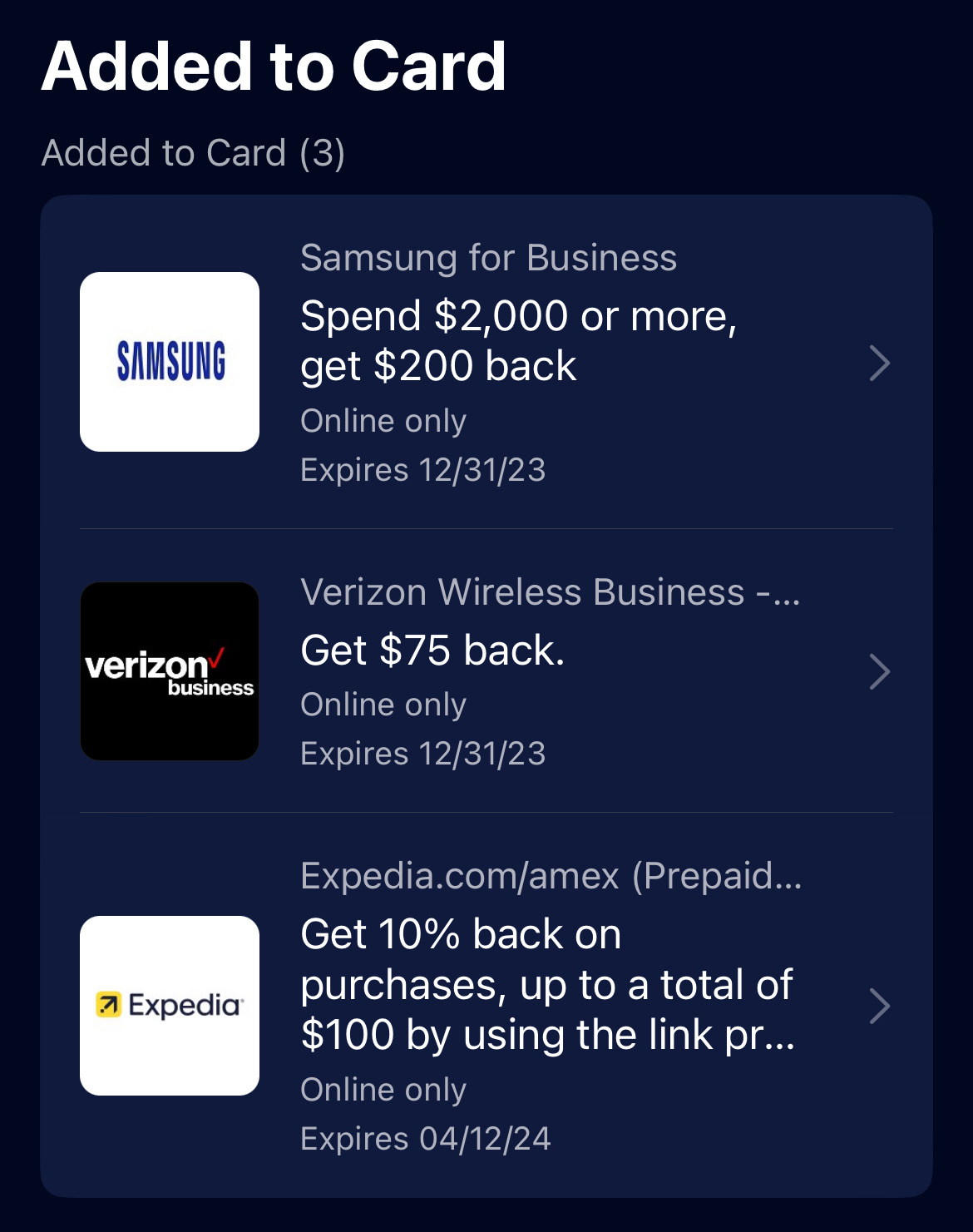
Final Swipe: Master Your Business Finances

In the dynamic world of eCommerce, where every click counts, having the right financial tools can be a game-changer. At this point, you should have an understanding of the intricate landscape of business and corporate credit cards.
Whether you’re diving into the flexibility of business credit cards tailored for eCommerce like Amazon Business Prime Amex or Chase Ink Business Preferred, or taking on the advanced features of corporate cards like Stripe or Brex, you’re now armed with the knowledge to make informed decisions.

Remember, it’s not about the flashiest card; it’s about the one that aligns with your business rhythm. So, choose wisely, swipe confidently, and let the perks roll in. Your financial adventure awaits!

If you’re interested in learning how to obtain up to $100K in business credit in as few as 30 days, join Business Credit Workshop today!

Centier Bank Review: Is it Ideal for Business Owners too? 

By Joe

Centier Bank Review

Last year, Centier Bank was named on Forbes’ list of best-in-state banks in Indiana, and their account holder ratings tend to be great. But, I wanted to know more about their offer as it applies to businesses, so I did the deep dive. 

If you’re a business owner, your bank account is a fundamental asset – you need to know you’re banking at the right institution, especially if you plan to apply for credit. 

So, is this where you should be banking? Let’s find out. 

Here’s what’s in store: 

  • What Makes a Business Bank Account so Significant?
  • What Kind of Bank is Centier?
    • Centier Bank Company Overview
  • Centier Bank Business Offer Summary
    • Business Banking Products
    • Online & Mobile Banking
    • Autobooks™
    • Business Funding Offers
    • Centier Bank Commercial Card
  • Frequently Asked Questions
  • Final Thoughts

So, let’s jump in! 

What Makes a Business Bank Account so Significant? 

You probably already know that a business bank account is important because it keeps your business money separate from your personal cash. Naturally, it makes you look pro in front of clients and keeps the taxman happy. 

Plus, you get access to cool business services like loans and credit cards. It’s convenient too with online banking. And, it helps build your business’s credit history, which is awesome for getting loans or sweet deals from suppliers. 

And, it can protect your personal stuff if things go south with your business. While some contractors and solopreneurs opt to use one account for business and personal transactions, the institution you bank with is definitely a big deal for any business!

Now, what you may not know is that your relationship with your bank is one of the most powerful assets you can nurture when you want substantial lines of credit. So, let’s find out if Centier has the right stuff. 

Recommended: This is How to Build Business Credit Fast [Step-by-Step Guide]   

What Kind of Bank is Centier? 

Centier Bank is a family-owned bank that primarily operates in the state of Indiana, USA. It’s considered a regional bank with a strong focus on community banking. As a family-owned institution, it often emphasizes personalized service and community involvement. 

Centier Bank provides a range of financial services, including: 

  • Personal banking 
  • Business banking
  • Loans
  • Credit services
  • CDs and IRAs

Its community-oriented approach sets it apart from larger, national banks, making it a more personal and local choice for customers in Indiana.

Centier Bank Review Yelp

In our workshops, I typically recommend that business owners bank away from bigger banks. I often cite community banks and credit unions as the best places to open business accounts. For the record, I’m also a fan of many regional banks.

Recommended: 3 Best Credit Unions for Small Business Banking

Centier Bank Company Overview

Henry Schrage founded Centier Bank in 1895, and the company has been registered in the state of Indiana since 1937 – The institution has been around for over a century. So far, the Schrage family still stands behind their “not for sale” promise to account holders and the community. 

I suspected that, after some digging, I might find that the company had been sold, in part, to someone outside the family…many times, marketing teams take plenty of liberty with their messaging. Fortunately, this time, that’s not the case. The current President and Director of Centier is Michael E. Schrage, Henry Schrage’s great grandson. 

Centier Bank Reviews BBB

In my experience, this level of transparency is quite rare, and it impresses me. The Schrage’s even opened a museum that details the history of Centier in Whiting, Indiana (about a 40 minute drive from the bank’s headquarters in Merrillville). 

Centier is the state of Indiana’s largest privately-owned bank, so the offer falls somewhere on the midline between big bank and community credit union. 

And, just for fun, here’s an image of a Minecraft build of the Centier Bank tower and lobby in Gary, Indiana by u/WillofIam.

Centier Bank Reviews Reddit

Recommended: Low-Risk NAICS Codes +Best SIC Codes for Business Credit in 2023 

Centier Bank Business Offer Summary

If you’re thinking of conducting any business banking with Centier, you need to know about more than the company size and leadership. So, let’s explore some details about the financial products. 

Business Banking Products

Centier Bank Business Checking Account

Centier Bank offers two business checking account options. 

The MyBiz Checking account is well-suited for small to mid-sized businesses. It provides features like free first 400 transactions, a business debit card, and various digital banking features, including account management and bill payments. Notably, this account does not have a monthly fee.

For businesses requiring Automated Clearing House (ACH) transfers and domestic Wire Transfers, the MyBiz Plus Checking account is an option. It has the same features as MyBiz Checking but includes ACH Origination and Wire Origination for a monthly fee of $15. 

These accounts cater to various business sizes and operational requirements, making Centier Bank a versatile choice for business banking needs.

Centier Bank Business Savings Account

Centier also offers a business savings account. It’s a no-frills business savings account designed to help businesses grow their savings while keeping costs in check.

The Commercial Savings account offered by Centier Bank is a straightforward option for businesses looking to save. To avoid the $3 monthly fee, you’ll need to maintain a minimum balance of $1,000 – This account earns monthly interest if the minimum balance is maintained, provides online access, and is FDIC insured, ensuring the safety of deposited funds. 

Centier Bank’s savings account interest rate is not disclosed in their advertising because it’s variable for the Commercial Savings accounts. However, personal accounts can earn up to 5%, so the amount is likely to be somewhere in this realm. Connecting your savings account to your checking account will impact the rate, as will the number of transactions going through your checking account each month. 

Recommended: Dun & Bradstreet / How to get a DUNS Number 

Online & Mobile Banking

How do I check my Centier balance?

Centier Bank’s business online and mobile banking offers a range of features to facilitate efficient banking for businesses:

  • Nationwide ATMs – Access to a wide network of ATMs.
  • ACH & wire – Facilitates electronic fund transfers between institutions.
  • Unlimited checks – No restrictions on check usage.
  • Mobile deposit – Allows depositing multiple checks through the mobile app.
  • Bill pay – Provides secure 24/7 bill payment services.
  • Manage cards – Easily handle card-related tasks.
  • Manage alerts – Customizable notification settings.
  • Money management – Tools to track expenses and financial goals.
  • Sub-user access – Control online banking permissions.
  • Quicken® and Quickbooks® integration – Convenient data export to popular financial software programs (in addition to Autobooks™).
  • Mobile banking app – 24/7 access to banking services.
  • Digital wallet – Compatibility with various mobile payment options like Google Pay and Apple Pay.

These services aim to streamline business banking, but specific terms and fees may apply depending on the chosen features.

Recommended: 6 Best Fintech Credit Cards to Apply for (Consumer & Business) 

Autobooks™ 

Centier Bank App

Autobooks™ is Centier’s bespoke digital payment solution for small businesses.

Features include:

  • Receive payments directly in your online and mobile banking.
  • Accept credit cards, debit cards, and ACH transfers.
  • Create custom digital invoices with your logo.
  • Easily monitor all transactions in one place.
  • Automate bookkeeping entries and access financial reports.
  • Receive expertise from Centier’s Business Banking team.

This solution can simplify payment processing and invoicing, accessible in your Mybiz Business dashboard and mobile banking. A transaction fee applies for card-based and ACH transactions after the first two months free trial.

The transaction fee for Autobooks™ is as follows:

  • 3.49% of the transaction amount for card-based transactions.
  • 1% of the transaction amount for ACH.

It’s important to note that there are no equipment costs or per-item charges associated with Autobooks.

Recommended: This is How to Leverage Business Credit to Transform Your Life 

Business Funding Offers

Centier Bank Business Credit Card

Centier Bank also offers a variety of business loans and lines of credit: 

  1. Term loans – These provide extended working capital with various terms and repayment choices, making them suitable for real estate acquisition, equipment purchase, and expansion.
  2. Lines of credit – Seasonal and revolving lines of credit offer short-term working capital to supplement cash flows, aiding in financing seasonal expenses and supplier discounts.
  3. Letters of credit – These assist in guaranteeing payment to suppliers and establishing credit with new vendors, whether for local or global trade.
  4. Middle market loans – Available for businesses with financing requirements from $1,000,000 to $115,000,000+, providing a diverse lending solution.
  5. Small business loans – Assistance with navigating Small Business Administration (SBA) loan options is available to help businesses find the most suitable option.

The terms for these Centier’s funding options vary. You can find our more by reaching out to a Centier banker in your area. 

Recommended: 6 Best Business Credit Cards for Entrepreneurs: Fuel Your Growth

Centier Bank Commercial Card

Centier Bank Credit Card

Centier Bank’s Commercial Card offers a range of benefits for your business. With this card, you can earn monthly cash back rebates, which are deposited directly into your Centier Business Checking account. 

The best part? – There are no membership or monthly service fees, and monthly payments are automatically debited from your business checking account for added convenience. 

You can also: 

  • Manage your cards
  • View account activity and statements
  • Run audit reports online
  • Issue employee cards
  • Monitor and control spending

Additionally, you can rest easy knowing that Mastercard provides protection against unauthorized charges if your card is ever lost or stolen. 

Recommended: Have You Heard About the Free Stripe Cashback Corporate Card? 

Frequently Asked Questions

What type of bank is Centier? 

Centier Bank is a full-service regional bank based in Indiana, offering a wide range of personal and business banking services, including checking and savings accounts, loans, credit cards, and more. It is a community-focused bank with a strong local presence.

Is Centier Bank FDIC insured? 

Yes, Centier Bank is FDIC insured. Your deposits with Centier Bank are insured by the Federal Deposit Insurance Corporation (FDIC) up to the maximum allowable limit, providing a high level of security for your funds.

What is the cut off time for Centier bank? 

The cut-off time for Centier Bank may vary depending on the specific transaction or service. It is advisable to contact your local Centier Bank branch or their customer service for precise cut-off times related to your banking needs.

How long does it take for a deposit to go through Centier? 

The processing time for deposits at Centier Bank can vary depending on the type of deposit and the specific transaction. Electronic transfers and direct deposits typically clear within a business day. For detailed information regarding a specific deposit, contact Centier Bank directly for accurate processing times.

Final Thoughts

In summary, Centier Bank offers a strong choice for business owners. They provide a range of business banking services, including tailored checking and savings accounts, funding options, and the Autobooks™ solution for payment processing.

As a family-owned regional bank in Indiana, Centier emphasizes community involvement and personalized service. Their online and mobile banking services offer convenience and flexibility.

The Commercial Card allows businesses to earn cash back rebates without monthly fees, making it a beneficial choice. Centier Bank is also FDIC insured, ensuring the safety of your funds.

Overall, if you’re a business owner in Indiana, Centier Bank is a solid and community-focused banking option to consider.Interested in learning how to get up to $100K in business credit in as few as 30 days? Join Business Credit Workshop today!   

Is the Nav Prime Card Right for Your Business? Let’s Find Out!

By Joe

Nav Prime Business Credit Card

In the world of small business, access to credit can be a game-changer. Whether you’re a seasoned entrepreneur or just starting, the financial flexibility to seize opportunities, manage cash flow, and fuel growth is essential. 

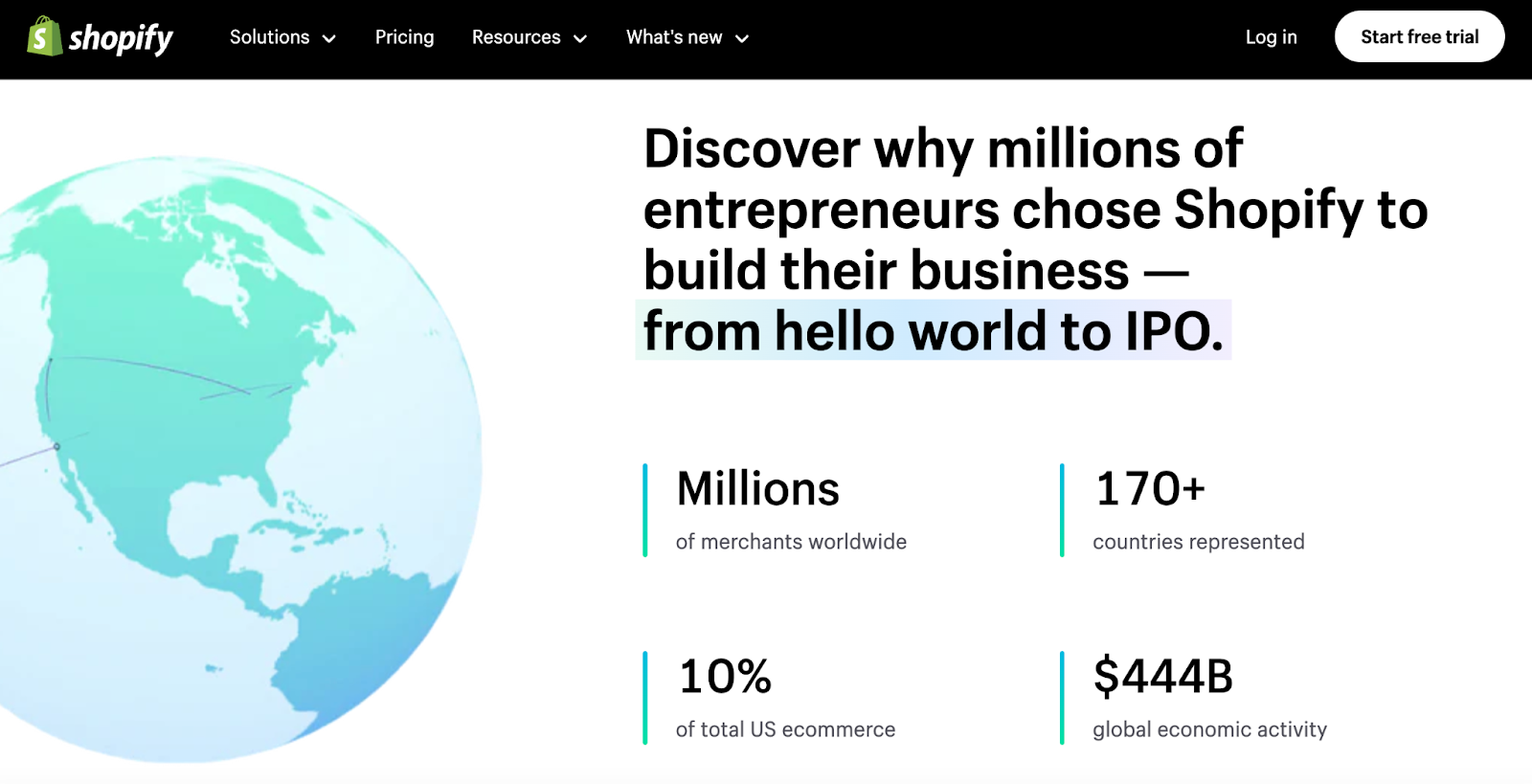
That’s where the Nav Prime Card might step in as a compelling tool to help you navigate the complex landscape of business credit. 

But, is it right for you?…That’s what I’m going to answer here.

This is what’s in store: 

  • What is the Nav Prime Card?
  • Nav Prime Card Overview
    • Business Credit Building Features
    • No Security Deposit Required
    • Daily Autopay Feature
    • Second Monthly Tradeline
  • Who Wouldn’t Want a Nav Prime Card?
  • How to Get Started with the Nav Prime Card
  • Frequently Asked Questions
  • So, is the Nav Prime Card legit?

Now, let’s roll! 

What is the Nav Prime Card?

The Nav Prime Card is a charge card offered by Nav Prime ($49.99/month), designed for small businesses. It allows users to build business credit without an annual fee or personal guarantee. Unlike a credit card, it requires no security deposit and is linked to the user’s business checking account for daily use.

Nav Product Plans & Pricing

Nav can boost your business credit score and provide personalized funding recommendations for your small business you can't find anywhere else.

Start Now
Lasso Brag

This card is more than just a piece of plastic. It can be a financial lifeline for small businesses, offering a range of benefits designed to help you build, strengthen, and leverage your business credit profile. 

The Prime Card is issued by Blue Ridge Bank, N.A., adding a layer of credibility. Moreover, Nav, the company behind Nav Prime, is a well-established player in the business credit space, offering a range of financial tools and resources for businesses.  

Nav Prime Business Credit Card Review

Before Nav became Nav in 2012, the company was called Creditera, and was helping to boost business credit scores before most of the other players in the game.

Let’s dive into the details and explore why the Nav Prime Card is becoming a top choice for savvy entrepreneurs.

→ Recommended: Nav Review: A Tool that Helps Build Up Your Business Credit Score 

Nav Prime Card Overview

When it comes to the financial success of small businesses, one element often stands out: building a robust business credit profile. But, this isn’t always straightforward to achieve, especially if you’re just getting started or have limited credit history. 

Nav Business Credit Card

That’s where the Nav Prime Card steps in, offering a solution to this common challenge.

Business Credit Building Features

Building a robust business credit profile is a cornerstone of financial success for small businesses. However, it’s not always easy, especially if you’re just starting or have limited credit history. 

The Nav Prime Card is specifically designed to address this challenge.

Here’s how it works: 

  • It’s a charge card – Unlike traditional credit cards, the Nav Prime Card is a charge card, which means you need to pay your balance in full every month.
  • There’s no credit check – One of the hurdles many small business owners face is the dreaded credit check. The Nav Prime Card removes this barrier by not requiring a credit check for approval. This is fantastic news for those with less-than-perfect credit or those looking to avoid inquiries on their personal credit reports.
  • The account reports as a tradeline – The Nav Prime Card reports your payment activity as a tradeline to major credit bureaus. This is where the magic happens; your responsible card usage translates into positive data on your business credit report, gradually boosting your business credit scores.

→ Recommended: Using 30 Day Net Vendors to Build Your Business Credit Score 

No Security Deposit Required

Securing a traditional business credit card often involves putting down a security deposit, which ties up your capital. The Nav Prime Card eliminates this requirement, giving you access to credit without tying up your cash. It’s a win-win for your business’s financial health.

Daily Autopay Feature

Managing your credit card balance can be a juggling act. The Nav Prime Card simplifies this process with its daily autopay feature. Instead of fretting over a big monthly bill, your card balance is automatically paid down daily, which reduces the risk of carrying a high credit balance and potential interest charges.

Second Monthly Tradeline

In the world of credit building, tradelines are your best friends – The Nav Prime Card provides a unique advantage by automatically sending two monthly tradelines to all three major credit bureaus. This means your positive payment history is widely reported, strengthening your business credit profile faster.

But, it’s not right for everyone. 

→ Recommended: Here’s How to [Actually] Get Business Credit With Just an EIN +More Options 

Who Wouldn’t Want a Nav Prime Card? 

Nav Prime Business Credit Card Reviews

While while Nav Prime has a good offer, here are some of the groups who might not want to take advantage of the card offer:

  1. Budget-savvy startups – If you’re a fresh-faced startup trying to make every dollar count and the Nav Prime Card asks for a monthly fee of $49.99 for Nav Prime, this could throw a curveball into your penny-pinching game. Early-stage businesses might steer clear to keep their costs in check
  2. Privacy buffs – If you need to guard their data like a treasure chest, keep in mind that the Nav Prime Card wants access to your bank accounts to set a credit limit. If you need to be all about data security and privacy, you might go, “No way!” and opt for another option. (But, nearly all card offers will require that you share at least some identifying info).
  3. Geographically-challenged folks – Is your business California, Nevada, North Dakota, or South Dakota? Unfortunately, the Nav Prime Card doesn’t roll out the welcome mat in these states. So, if you’re doing business in any of these areas, it’s a no-go. 
  4. Owners looking for a credit card – If you’re in the market for an unsecured credit card that you can use to expand and grow your business, you don’t need a business credit builder card (you might check out one of these instead). 

These are the kinds of folks who might give the Nav Prime Card a polite pass. Whether they’re all about frugality, data security, or just prefer a different financial vibe, they’ve got their reasons to set their eyes on a different offer.

→ Recommended: Torro Business Funding Review: Is This “Zero Hassle” Offer Legit?

How to Get Started with the Nav Prime Card

Now that you’re intrigued by the Nav Prime Card’s benefits, you might be wondering how to get your hands on one. 

Here’s a step-by-step guide to kickstart your journey to building and leveraging business credit with Nav Prime:

  • Step 1: Check your eligibility

Before applying for the Nav Prime Card, ensure that you meet the eligibility criteria. While the card is designed to be accessible, it’s essential to confirm that your business qualifies.

In simple terms, if you want to sign up for a Platform Account, you need to meet some requirements:

  • Your business must be based in the United States.
  • You should have an active Nav Prime subscription.
  • You have to complete identity verification, which means proving who you are.
  • Your business can’t be involved in certain activities like adult entertainment, selling cannabis, dealing with cryptocurrency, running gambling or online gaming, or anything else that doesn’t go well with this card.
  • The person applying for the account must be at least 18 years old and allowed to do this on your behalf.
  • They might look at some other things to decide if you can get an account or the card, but that’s up to them.
  • Step 2: Apply online

The application process for the Nav Prime Card is straightforward and can be completed online. Be prepared to provide basic information about your business, such as its legal structure and industry.

Nav Prime Business Credit Card Application
  • Step 3: Link your bank account

To set your credit limit and enable daily autopay, you’ll need to link your business bank account to your Nav Prime Card account – This step streamlines your finances, providing insights you can’t get from your bank alone.

  • Step 4: Use your card responsibly

Once you receive your Nav Prime Card, it’s time to put it to work. Use it for your everyday business expenses…but remember that it’s a charge card, so paying your balance in full each month is crucial.

  • Step 5: Watch your business credit grow

As you consistently use your Nav Prime Card and make on-time payments, you’ll start to see the positive impact on your business credit profile. Over time, your business credit scores will rise, opening doors to better financing options.

Nav Prime Business Credit Card Login

Frequently Asked Questions

What's the difference between a charge card and a credit card?

While both types of cards allow you to make purchases, there’s a key distinction. A charge card requires you to pay your balance in full each month, while a credit card allows you to carry a balance and make minimum payments. The Nav Prime Card is a charge card, offering the benefits of credit without the risk of long-term debt.

Can the Nav Prime Card help me secure business financing?

Yes, absolutely. By consistently using and managing your Nav Prime Card responsibly, you’ll build a strong business credit profile. This, in turn, enhances your eligibility for various financing options, including business loans, lines of credit, and more favorable terms.

Is the Nav Prime Card available nationwide?

Nav Prime Card is available in most states; however, it’s not currently offered in California, Nevada, North Dakota, or South Dakota.

How long does it take to see improvements in my business credit scores with the Nav Prime Card?

The timeline for credit score improvement can vary based on several factors. According to data tracking Experian® Intelliscore Plus business credit scores, many users have seen improvements of up to 50% in the first three months of having Nav tradeline reporting. Results may vary, but responsible card usage is key to achieving these improvements.

So, is the Nav Prime Card legit? 

The Nav Prime Card is more than just a business charge card; it can be a powerful tool for building, strengthening, and leveraging your business credit profile.

 With its unique features, including no credit checks, no security deposit, daily autopay, and the reporting of two monthly tradelines, it’s a valuable asset for small business owners looking to secure better financing options and improve their financial health. 

If you’re ready to take control of your business credit journey, you can spare $49 per month for full access to Nav Prime, and if you’re in a region where the offer is available, the Nav Prime Card is probably worth looking into.

Do you want to learn how to get up to $100K in business credit in as few as 30 days? Join Business Credit Workshop today!

nav-try-2
« Previous Page
Next Page »

Business Credit Blog

· Recommended Resources
· Using 30 Day Net Vendors to Build Your Business Credit Score
· How to Create a Business Credit “Entity” – Tutorial

Recent Posts

  • How To Get Business Credit With Bad Personal Credit!
  • I got $25K from a Credit Union No One Talks About
  • Hot Seat – Application Received
  • Email
  • Facebook
  • Instagram
  • LinkedIn
  • YouTube

· Sign Up for Business Credit Workshop Online!
· Login – Business Credit Workshop Online
· Forgot Password?
· Latest Posts
· Affiliates

Copyright © 2026 · All Rights Reserved · Privacy Policy · Terms · About · Contact Us

  • Home
  • Free Funding Guide
  • What We Offer
    • Products
    • Services
    • Free Guide
    • Back
  • About Us
  • Contact
  • Sign Up