• Home
  • Free Funding Guide
  • What We Offer
    • Products
    • Services
    • Free Guide
  • About Us
  • Contact
  • Sign Up

  • Ask Joe Any Question!
  • Business Credit Cards
  • Business Line of Credit
  • Topics

How to Get an SBA Business Loan

March 3, 2016 By Joe Lawrence

business financeSince the Great Recession of 2008, small business owners have had a difficult time securing financing, and that’s made it nearly impossible for many to to start or grow a business. As a result, many alternative financing companies have popped up, but unless you take precautions, you can end up paying exorbitant amounts of interest with these types of loans. Luckily, the Small Business Administration (SBA) is still in the market of helping entrepreneurs and small business owners get the cash they need.

But in order to be successful with an SBA loan application, you must understand the process and have a firm grasp of the steps you’ll need to take. Here’s a breakdown of the entire process.

What Role Does the SBA Play in Lending?

It’s important to note that the SBA doesn’t actually grant loans to businesses, but instead guarantees most of the loan (75-85 percent) to the lenders who do. Because of this guarantee, lenders have less risk so they are typically able to relax their loan guidelines and extend lower interest rates. The SBA currently works with about 500 banks in the U.S. that lend to small businesses. When looking for an SBA small business loan, it makes sense to start with your local bank if you have a good relationship with someone there, and ask if they’re an SBA lender. If not and you need to expand your search, the SBA offers a lender search tool and a current list of the top 100 most active SBA lenders in the country.

What Types of Loans Does the SBA Guarantee?

No two businesses are the same—they vary in size, years in business, and financial obligations and needs. In order to support all types of businesses, the SBA backs three specific types of business loans.

  • Basic 7(a) Loan Program. If you’re just starting a business, plan to purchase one, or are expanding your current business, this is the loan you should apply for. It’s the most common of the loan programs offered by the SBA. You can find out more information about these types of loans by visiting the SBA’s general loan page.
  • Microloan Program. If you need $50,000 or less to start or grow a business, a microloan will likely fit your needs. These loans are made by nonprofit community lenders, but are backed by the SBA. Borrowers typically need collateral in order to secure these loans, and many lenders ask for a personal guarantee from the business owner. The typical microloan amount is $13,000. You can learn more about microloans on the SBA microloan program page.
  • Certified Development Company (CDC) 504 Loan Program. The CDC 504 Loan Program offers loans to business owners who need to purchase fixed assets in order to expand or modernize their business. Its goal is to promote economic growth in communities across the country. Find out more on the SBA website.

What are the Eligibility Requirements to Get an SBA Loan?

While the above types of loans can apply to most business owners, the SBA has certain requirements that generally must be met in order to qualify for a loan. For instance:

  • ChecklistThe business must be small and operate to make a profit.
  • You must do business in the United States.
  • Personally invest a reasonable amount of equity in the business.
  • Utilize other financing methods, such as using your personal assets, before applying for the loan.
  • Demonstrate a need for the loan and use the loan proceeds for a sound business purpose
  • Not be delinquent on any debt obligations to the U.S. government.

Check Your Credit Reports before You Apply

Once you’ve determined the type of loan you want to apply for and confirmed that you meet all the eligibility requirements, it’s time to begin the process of applying for your loan.

When you apply for an SBA backed loan, the lender will ask to see both your personal and business credit reports. Before you begin the loan process, it’s wise to request copies of your report so you can clear up any inaccuracies before the lender sees them. Although the reporting agencies have great systems in place, sometimes mistakes happen and errors can end up on your report, which could hamper your ability to get a business loan. You can get copies of your personal credit report for free from all three reporting agencies, and you can purchase your business credit profiles from Dun & Bradstreet, Experian, and Equifax. In order to understand the process of checking your business credit profiles, read our post on the subject.

What Documentation Do You Need to Apply for an SBA Loan?

Next, you’ll need to gather all the documents you’ll need in order to submit your application to the lender. Not every lender requires the same information, but in general, here’s what you’ll need to provide:

  • Personal background information. The lender will ask you to provide personal information for each partner, such as former addresses, other names used, criminal histories, and educational backgrounds.
  • The personal and business credit histories for every owner of the business.
  • Many lenders ask for at least one year of bank statements.
  • Expect to provide the lender with a minimum of three years of income tax returns.
  • Depending on how your business is structured, a lender may ask you to provide certain legal documents, such as business licenses or certifications, articles of incorporation, ongoing contracts with third parties, commercial lease contracts, and franchise agreements.
  • You’ll need to provide the lender with a thorough and well thought out business plan. Your plan should include all of the typical components, such as an executive summary, company overview, product or service description, market and competitor analysis, marketing plan strategy, organization and management team, and your financial plan for the business.
  • The lender will also want to see projected financial statements and cash flow projections for at least one year, as well as your personal and business financial statements.
  • Most lenders will ask for a personal guarantee from you and your partners, especially if they own more than 20 percent of the business.
  • If you’re starting a new business, the lender may ask for a resume for you and any partners to judge your experience in relation to the business you plan to start.
  • If the lender requires collateral, you will be asked to provide a collateral document that outlines the details of the personal or business property you intend to use to secure the loan. You’ll need to provide the value of the items.
filling out forms

There are many forms to fill out with an SBA Loan, since it’s government backed financing!

Fill out the Required Lender Forms

Next, you’ll be asked to complete some documentation for the lender in order for your loan to be processed. The forms you’ll be asked to complete are:

  • Application for Business Loan. This is the main loan document, and you will have to provide many attachments to complete it.
  • Schedule of Collateral. This document details the personal assets you plan to use as collateral.
  • Statement of Personal History. The lender will use this form to evaluate your character.
  • Personal Financial Statement. The lender will use this form to evaluate your financial health.
  • Fee Disclosure and Compensation Agreement. If you hired someone to help you submit your SBA loan application, you’ll need to fill out this form and state how much you paid for those services.

Don’t Be Afraid to Ask for Help

Although applying for an SBA loan comes with less stringent requirements than with a traditional lender, the process can be cumbersome. If you need help with the process, the SBA partners with a variety of organizations that can walk you through the process.

  • This is a national organization that provides counselors, mentors and advisors to small business owners free of charge. Visit this page to find a SCORE office near you.
  • Small Business Development Centers (SBDCs) offer free business consulting services and low cost training to aspiring entrepreneurs. There are about 900 locations nationwide. You can find a list of them by state on the SBA website.
  • SBA District offices. You’ll find at least one of these in each state, and they can help guide you through the loan process. Visit this page to find an office located in your area.
  • Women’s Business Centers (WBCs). There are over 100 of these centers across the country, and they exist to help women who are starting or running a business. You’ll find a state-by-state list on the SBA website.

Applying for SBA financing is just like any other loan application process—you’ll need to be prepared and armed with the facts in order to convince the lender you’re a good candidate for a loan. Do some preliminary work before you begin the application process, such as checking your credit reports and gathering the documentation you need, and you’ll be one step ahead of the game. And don’t forget, in today’s economy with so many banks refusing to lend to business owners, SBA loans can be your ticket to a brand new business or an expansion of your current one.

The Best Business Credit Cards

March 1, 2016 By Joe Lawrence

LenderDescriptionMore Information
ChaseChase has been offering very health credit limits to small business owners, plus you can apply online! Their Ink Cards offer very competitive points/rewards options.Visit Site
WellsfargoWellsFargo is the best option for obtaining a business credit card. This is because they have recently expanded to the east coast (of the US) and are aggressively lending. They have three options including a secured card that is great for building or re-building business credit!Visit Site
PNCPNC has 5 credit cards they offer to small businesses. Points Card, Travel Rewards Card, Visa Business (lowest APR), and the Business Options Card (your choice of 3 rewards programs).Visit Site
TD BankHas a card that is called Simply Flexible Business. The more you pay each month, the lower your APR! The other card they offer is the Easy Rewards Business (accumulates points) with no annual fee.Visit Site
US BankOffers 4 different options, ranging from Cash Rewards to points to regular platinum card with lower APR (no point accumulation)Visit Site
Navy Federal Credit UnionNavy has some really great business lending options. They look at your business credit utilization though to help determine your credit limit, so make sure your cards are not all maxed out! As with most Credit Unions, you have to meet special requirements to join.Visit Site
American ExpressOffers a Charge Card (must pay balance in full at end of the month) and a revolving card. These cards are usually grouped together, so if you’re reviewing business credit cards at americanexpress.com, simply look at the payment term to determine if it’s a charge card or revolving card. The charge card has no pre-set spending limit and has a great points/rewards program. The revolving card has been approving business owners with smaller credit lines than other banks (like WellsFargo), but has some perks. For example with the platinum American Express Card; you’ll receive Lounge access in airports and concierge service from American Express.Visit Site

Credit CardWhen searching for the best business credit cards for your small business, it is crucial to be aware of what is currently happening right now in today’s business lending environment. Frequently, advice offered today is no longer valid in many aspects of current business because so much has changed from years ago in the business lending environment. Even six months can make a difference in the world of business lending and the best routes to take. For example months ago, it was suggested to visit Bank of America for unsecured business loans of credit if you are trying to get a new business started. However, this is only a valid option today if you have an established business that can show income verification (tax returns) from the past two years or more.

Connect with National Banks and Local Community Banks

The good news is that there are plenty of banks you can expect to find some of the best business credit cards from, even though the list is constantly changing. Today, more money is being lent from smaller, local banks than ever before. Most Local Banks are portfolio lenders, meaning they lend their own money and do their own underwriting. So in today’s market, they are some of the best resources for local business owners.

To put it simply; the easiest method to find business credit cards and lines of credit is to be on the look-out and keep a log of banks you see during your commute. When you see a bank that you have not heard of before; they are usually lending. On one trip to your office, you could compile a list of seven or eight banks!

A little preparation goes a long way

When you obtain a current list of banks and lenders, do not simply apply to everything right away. There are tricks of the trade that can help you build your business credit profile the right way and get approved.

It’s important you understand what the terms/conditions of the cards are. You should read the fees and disclosures of the card and interview the bank on how much typically is lent for a business of your stature. Check to see the APR, annual fee and if it’s a variable or fixed rate.

One great benefit of business credit cards is that they are lines of credit with the name of your corporation attached to them and they do not reflect upon your personal credit. What you do with your finances on a personal level and what you do for your business are completely separated with the use of a business credit card. This is as it should be. In fact, utilizing a business line of credit can help you pay off personal debt and help you appear virtually “debt-free” to lenders as a result. Just make sure the business credit card company does not report to your personal credit report. This is a rare occurrence, but one that Capital One and TD Bank adopted. These cards are still good to consider but just be aware of your usage.

Business Credit Card Offer

How to get lenders to offer you business credit cards

Other than applying for the best cards, it is a wise idea to learn how to attract companies to offer you unsecured lines of credit. You can accomplish this without income verification, seeing as a new business will not have any income to show yet. The process of attracting business credit card lenders is the similar as personal credit cards. If your personal credit score is 730, you will get many offers for a new credit card in the mail. If it is closer to 520, there will be no offers in your mailbox. By building your business credit score, you will receive more offers and increase the likeliness of getting approved. You can establish good business credit the same way as personal credit: make payments on time and build positive trade lines. Once you have established 3-5 (reported) business trade lines of credit, regardless of amounts, you will start to “attract” other lending companies. Similar to how you may be receiving pre-approved offers in your mail box solicited to you personally; your business will receive pre-approved offers as well.

There are a few credible companies that you must be invited to in order to become a business credit card customer. But banks like Chase, Fulton Bank, PNC, TD Bank and Wells Fargo are still offering low APR Business Credit Cards to the general business owner.

Keep in mind that in today’s market, it is more important than ever before to structure your company correctly to get approved in today’s market. By building positive trade lines (beefing up your business credit score) and networking with local banks and credit unions, you will be on your way to obtain the best business credit cards.


Want more information on getting the best business credit cards? Check out our video below!


$70,000 in unsecured line of credit within 10 days – Case Study

February 17, 2016 By Joe Lawrence

Case Study – Joe R.

  • Client has existing business and has been in business for more than 2 years
  • Business Credit Workshop (BCW) helped prepare client’s company in such a way that lenders are more likely to lend to it, including proper build of business credit profiles
  • BCW introduced client to 2 local, region based lenders that offer no-doc business lines of credit
  • Within 10 days, we got client approved for $50,000 and $20,000! Both are unsecured, no-doc business lines of credit that do not show up on client’s personal credit report

“Joe, it’s been a pleasure working with you. I am pleased to say that my business was given $70,000 in unsecured line of credit within 10 days of making the application. The process was seamless and extremely pleasant. I would strongly recommend Business Credit Workshop to anyone who is looking to grow their business and establish business credit.”

joe r testimonial picBest Regards,
Joe R.

Sign up for our training here

Testimonials

February 16, 2016 By Joe Lawrence

 Check out some of our testimonials:


Over $50,000 in Unsecured Business Lines of Credit for Henry!

February 13, 2016 By Joe Lawrence

Some interesting facts:

  • The applications were all no-doc
  • The Business Credit was unsecured
  • Henry did not have great personal credit, when we first met
  • We worked with local, community banks
  • None of the credit reports on his personal credit report
  • This was one of our most coachable coaching clients!

2 Options to working with us:

If you would like to receive coaching, you can learn more about that here.

Or if you would like to take our home study course with 7 video training modules on how to build your business credit score, training on how to find unlimited lenders and the top 10 business credit lenders Click Here

Here’s How to Check Your Business Credit Score, Step-by-Step

April 17, 2014 By Joe Lawrence

If you don’t know what’s been reported about your company’s financial history, you have no way to stay on top of your business credit. And, you need a clear understanding of where you stand to reach your goals. One of the first steps on the path to better funding options for your company is to check your business credit score and report. 

Check Credit Score
Stay on top of your business credit score as well as your personal credit score!

So, with personal credit, you probably know that you can access your full report once a year for free. And, you can use tools like Credit Karma to monitor your standing. But, where business credit is concerned, the details are a little fuzzy. So, learn how to how to run a credit check on a business. 

First, Which Bureaus Monitor Business Credit? 

There are three major business credit bureaus with which you can check and monitor business credit scores and profiles. 

  • Dun and Bradstreet (D&B)
  • Equifax Business
  • Experian Business 

Each bureau will usually contain slightly different information, based on the information that is reported by the companies who’ve extended lines of credit to your business. 

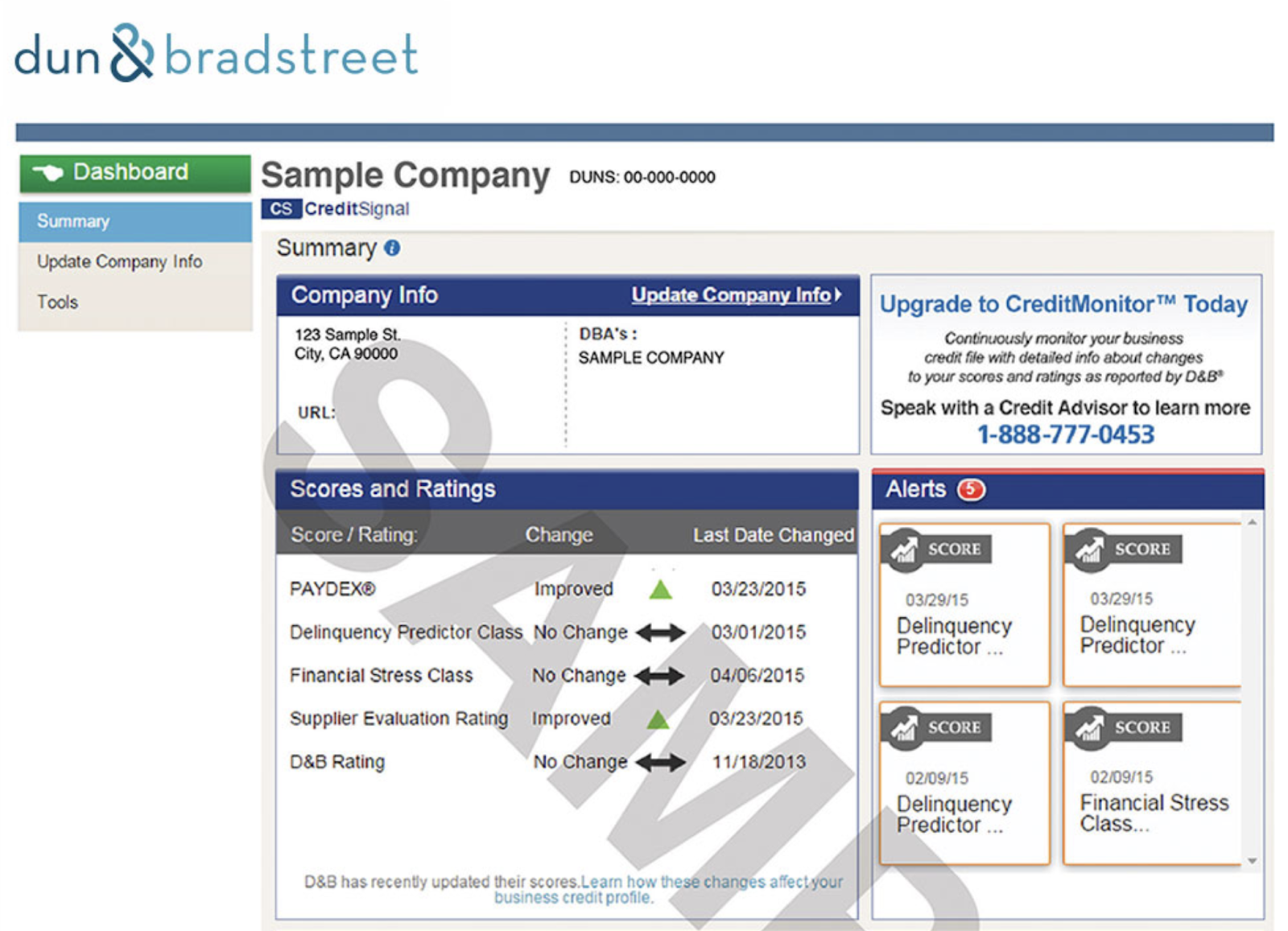
How to Check Business Credit with D&B

Access your D&B credit score, report, and monitor changes for free. 

  1. Visit the Credit Signal® product page on the D&B website. 
  2. Enter your business name, country, and state in the search bar. 
  3. Select your company from the search results. 
  4. Sign up for free to monitor credit for one company or select an appropriate paid option for your needs.

With Credit Signal®, you can monitor changes to your scores and ratings with up-to-date business credit information on your company.

Through D&B, paid credit reports are available for multiple companies and to upload multiple trade references to your account. 

Dun and Bradstreet iUpdate

  • For a second method to check your business credit with Dun and Bradstreet, go to the iUpdate website at: https://iupdate.dnb.com.
  • Click Start Now.
  • Type in your company name and address and search.

If your company is listed, register to use iUpdate to view/make changes to your business credit profile for free.

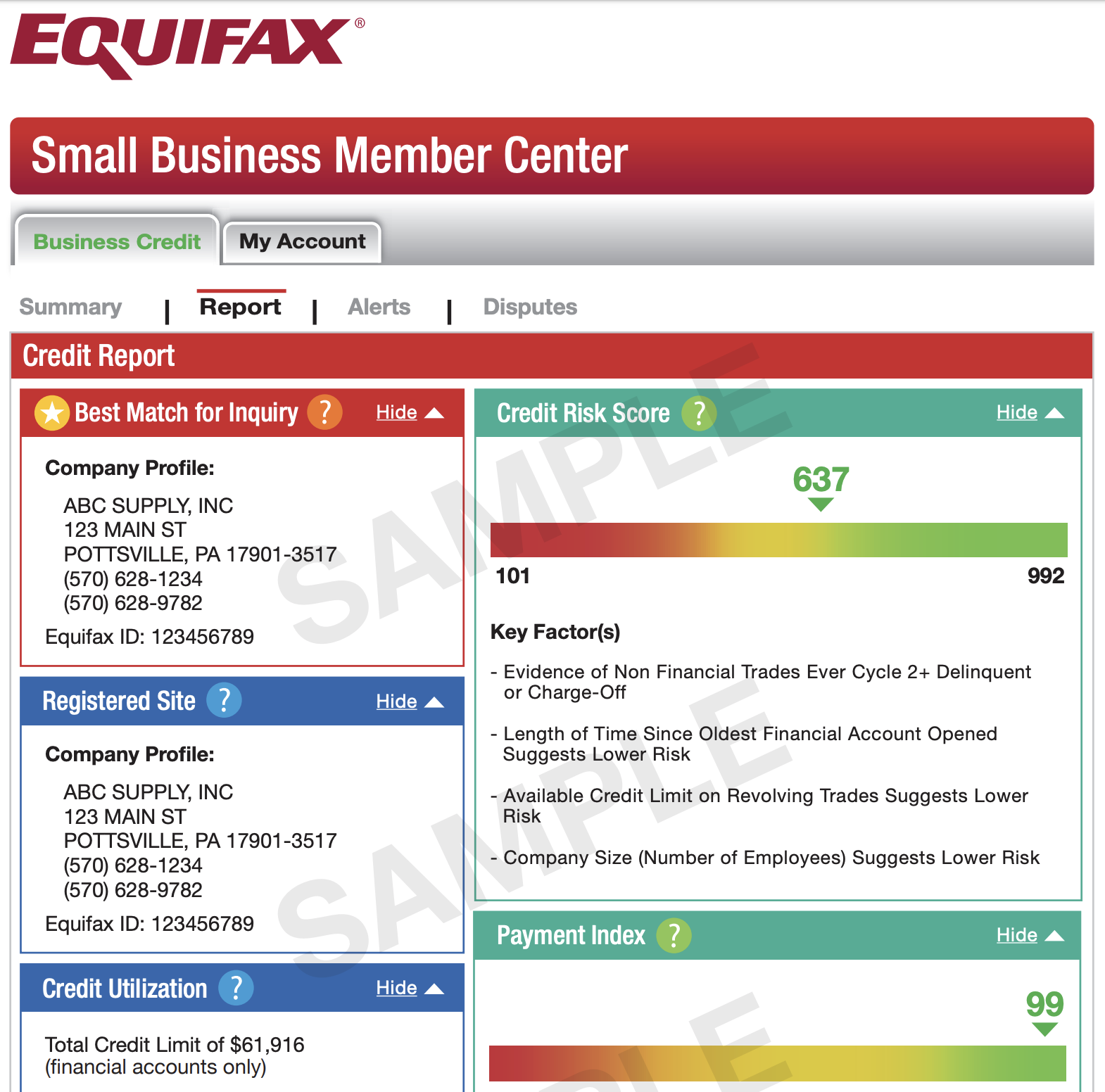
How to Check Business Credit with Equifax 

Check your business credit report

Access your Equifax business credit report for $99. The website is currently undergoing maintenance, but you should be able to access a business credit report for small businesses once the Member Center site is updated. 

During the interim, you can call Equifax Business Solutions at 1-800-685-5000 for more information on business credit monitoring product availability. 

You will only be able to access your Equifax Business credit report when you sign up for a membership or pay for a report. 

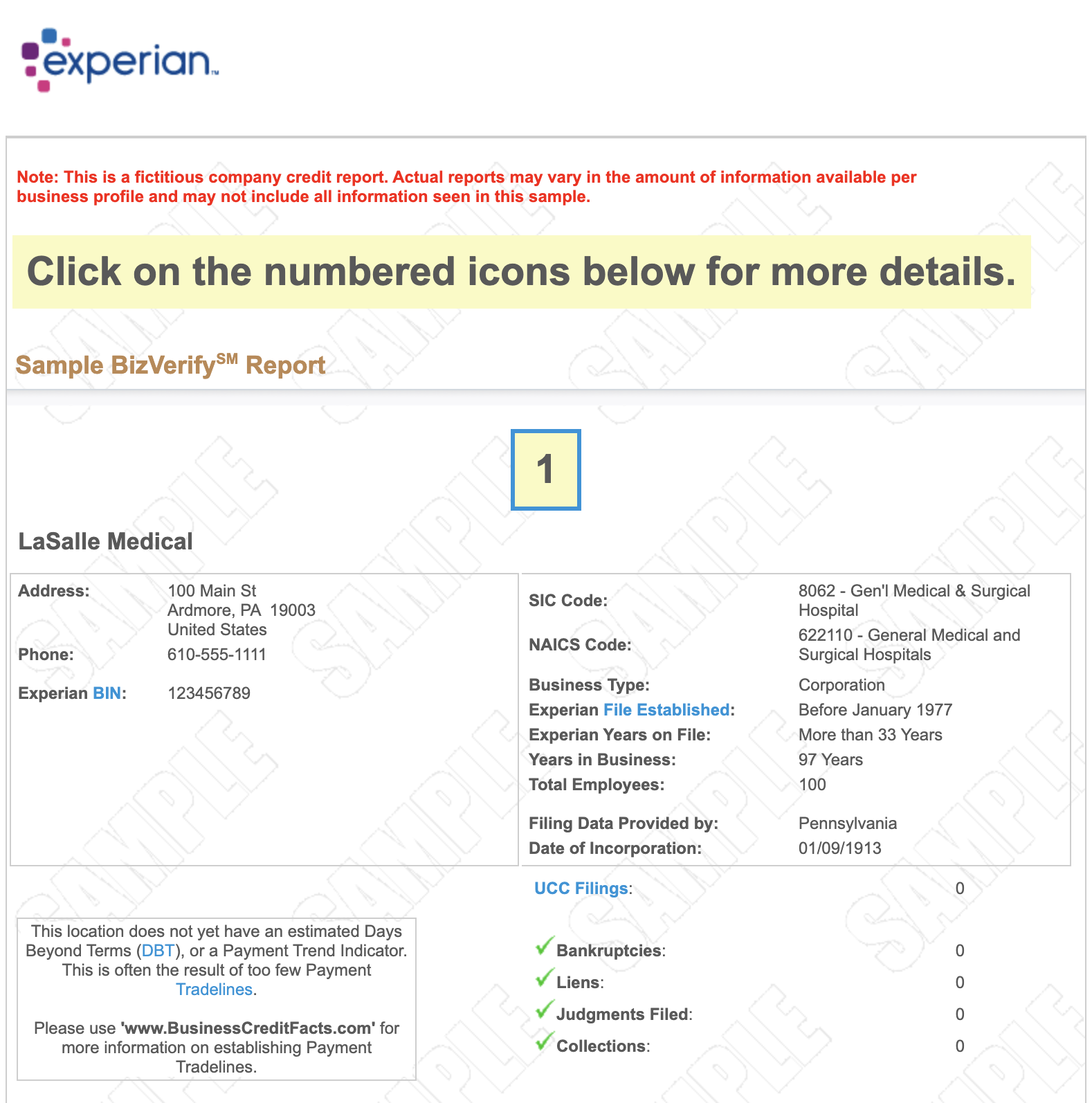
How to Check Business Credit with Experian 

Get your Experian Business credit score and/ or monitor your report.  

  1. Visit the business credit report page on Experian’s website. 
  2. Enter your business information and click “Get Your Report Now.”
  3. Select the Business Credit Advantage plan or the BizVerify Report and click “Buy Now.” 

The Business Credit Advantage plan will give you unlimited access to your full report and score for one year for $179. On the other hand, the BizVerify Report will cost $10 for a one-time view of your basic company listing without a score. 

If you need to see and monitor your Experian credit score, you will want to sign up for an annual plan. 

Next, How to Check & Monitor Your Business Credit for Free

If you’re interested in free access to all three business credit bureau reports and monitoring, you’ll want to see Nav’s business credit tools. 

First, create an account on Nav.com to get started. As long as you’ve registered your business in your state, you should be able to find it in their directory. Run a search and make sure the correct information is connected to your account. 

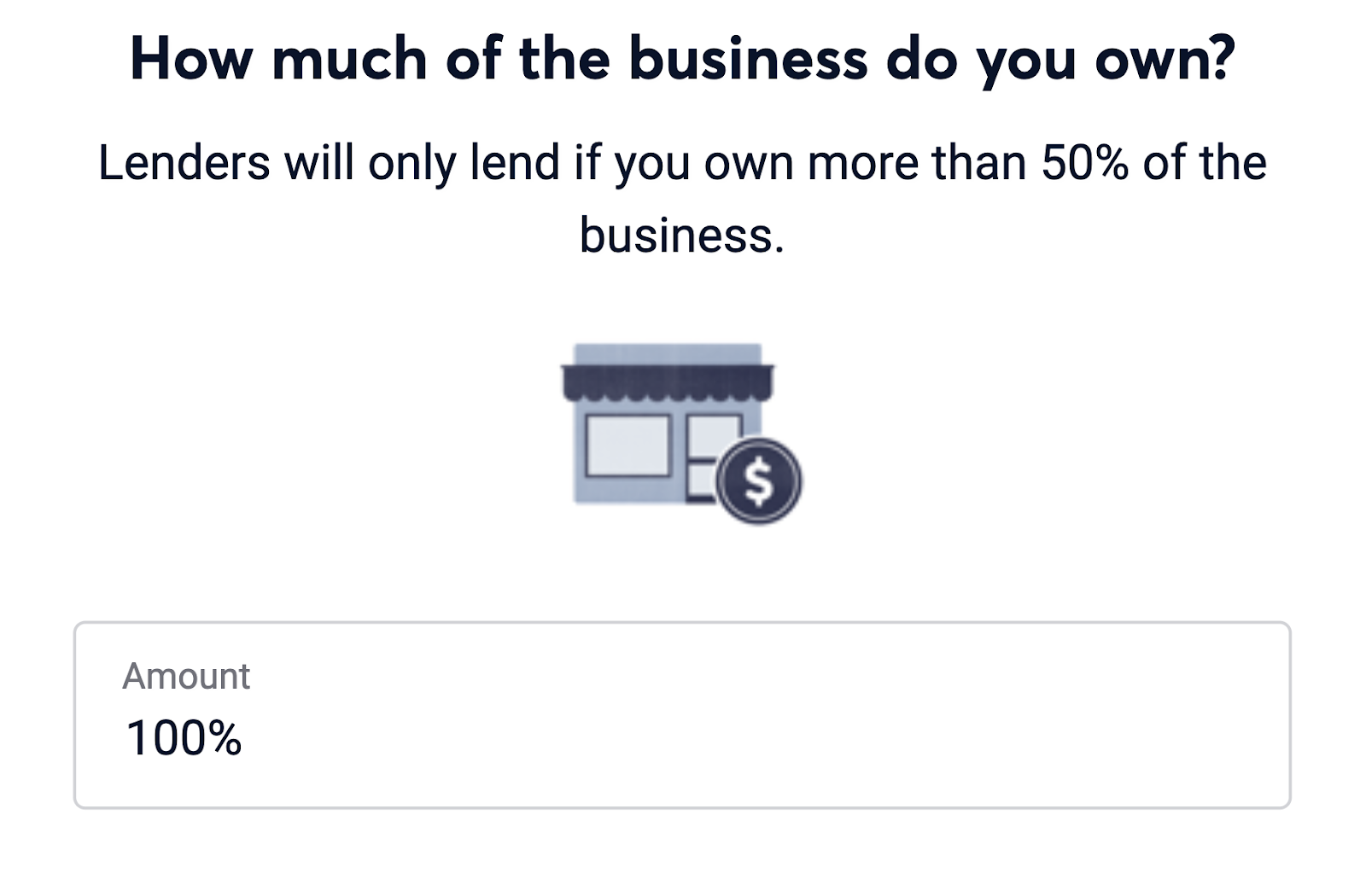
When signing up, Nav will ask about your business and personal income and your ownership percentage. Based on the information you submit, they will provide you with relevant, business credit boosting funding offers from their partners. 

Once you’ve registered, you will have access to all three of your free business credit scores, your Business Risk Grade, and alerts to changes on your business and personal credit profiles. This is the best way to access your company’s financial history at no cost. 

Of course, paid upgrades are available for deeper insights into your business and personal credit profiles. 

Bonus: Increase Your Business Credit IQ

Whether you’re more interested in building business credit or accessing new tradelines on your company’s behalf, here are some frequently asked questions that you should be able to answer. Increase your business credit IQ. 

Q: Does Credit Karma check business credit?

A: No, Credit Karma does not monitor business credit. Credit Karma is a personal credit monitoring platform. For business credit monitoring from all three business credit bureaus, check out Nav. 

Q: Does your LLC have a credit score?

A: If you have established lines of credit from companies that report to the business credit bureaus, yes, your LLC will have a credit score attached to your employer identification number (EIN) and DUNS™ number.

Q: Can your LLC finances affect your personal credit? 

A: Yes, if any of your LLC’s lines of credit or loans are personally guaranteed, they could affect your personal credit. If your LLC goes under, you could be personally liable for the debt incurred.  

Q: How do you find out your business credit score? 

A: You can find your business credit score by requesting access from one of the business credit bureaus or by signing up with an account with Nav. 

Q: What is a good business credit score? 

A: Business credit scores range from 0-100. If your score is 80 or higher, lenders will consider this “good” and are more likely to finance you at lower interest rates. 

Q: Can you use your EIN to apply for credit? 

A: Yes, you can use your EIN to apply for credit. Especially when you file online applications, you will want to apply for lines of credit that are intended for business use rather than personal. 

Q: Can you buy a car with your EIN number? 

A: Yes, you can buy a car with your EIN number. Be sure to request a business credit application instead of a personal credit application from the dealer or lender. 

Q: Is business credit based on personal credit? 

A: In the beginning, business lenders will usually look at your personal credit to determine whether or not to extend a tradeline to you. 

Q: How do you get your first business credit card? 

A: First, make sure your personal credit profile is credit-worthy. Then, make sure your business is officially registered. Then, use your EIN to apply for a business line of credit. 

Hint: Net 30 vendors that report payment activity to business credit bureaus are often easier to establish early business credit with than traditional revolving accounts and they will help boost your business credit score. 

additional-notes

3 Advanced Tips for Business Credit Mastery

Are you interested in higher-level advice to boost your business credit score and access more beneficial credit lines? The following content is exclusive to members of BCW online… 

Final Thoughts

Now that you know how to check your business credit score, would you like to know how to get a very good business credit score fast? The technique we use is to build a handful of small business trade lines with companies that report payment history to the business credit bureaus, you can learn more here.


Need some personal help?

Joe Lawrence Bio Pic

If you need additional help getting business credit, please give us a call at (888) 218-6354 for a free business credit consultation. We will work with you personally, with local lenders in your area to meet your business needs. (We have many references available).

Welcome! You’re in the right place…

October 24, 2013 By Joe Lawrence

Business Credit Workshop
One of the “Original” Business Credit Workshops!

Business Credit Workshop started as a local workshop years ago where we connected local community banks and credit unions to small business owners. Often, entrepreneurs would walk away with pre-approvals, including business credit cards, term loans and lines of credit! As we’ve grown, we’ve expanded our audience online. And that’s where we are today. We still work with local community banks and credit unions but now we are able to help thousands of entrepreneurs all across the Nation thanks to this site. Obtaining business credit really comes down to two basic steps:

  1. Build your company in such a way that banks are willing to lend to you
  2. Find banks and lenders that meet your needs and offer competitive terms

You’re in the right place, as we will help you get both steps achieved! Welcome to our blog, welcome to the “Business Credit Workshop”!!

Looking to Obtain Business Credit? Want to know where to Begin?

There is a lot of information on our blog here and so much to cover with you. Perhaps you want to start by viewing our in-depth post on getting business credit, or maybe you’d like to see a recent testimonial. You can learn everything you need to know about Dun and Bradstreet’s DUNS Number and even see our top list of business credit cards or alternate lenders. Either way, welcome to the site, take a look around and be sure to check your emails for future content from us!

FREE Training!!

If you haven’t already, please get our up to date training and learn how to get six figures of business credit from local community banks and credit unions, just let us know where to email it by clicking here.

How we got $130,000 business line of credit and more…

November 29, 2012 By Joe Lawrence

I just got an email from a client with a screen shot of an approval he got today for a $15,000 Business Credit Card. Here’s a quick video outlining how we got this client Business Credit without him having good personal credit score.

We also just heard back from one of our preferred clients that our in-house underwriter is predicting an approval of $65,000 – $100,000 in Unsecured Business Lines of Credit (all no-doc and won’t show on your personal credit report). The cool thing about this client is that we already got him $65k back in February of this year! That’s over $130,000 in unsecured business credit!

If you’d like to see how this is being done and get the same results, check out our latest youtube video here or give us a ring! Call (888) 218-6354 and please leave a message if we are on the other line and don’t answer!

Get Business Credit!

September 6, 2012 By Joe Lawrence

Get funding for a small business

Learn how to get business credit by preparing your company and knowing which types of banks to speak to

Many small business owners want to learn how to get business credit in this market. The idea of having credit for your business that is separate than your personal credit can be quite appealing. I mean, who doesn’t want to have thousands of dollars in credit at your disposal? And even better if this credit doesn’t show up on your personal credit report, right?

Unfortunately, it’s not as easy as most other companies or “gurus” would like you to think. In this market, you’ll have to spend a lot more energy to get business credit especially that which is unsecured and low doc / no doc. But with that said, with the proper knowledge and a good process, it is still possible to get business credit in today’s lending market! In fact, one of our Business Credit Workshop Clients obtained $70,000 in unsecured credit in under 30 days using our process outlined below (you can check out the case study here).

So, how do you get business credit in today’s market?

The overall process is to first prepare your company in such a way that banks are willing to lend to you, then know what banks to go after. Focus on local community banks and credit unions. Some national banks have great no-doc programs, but it is usually easier to get business credit from a local community bank. The reason is with national lenders, you either fit into their underwriting “box” or you don’t. With local community bank and credit unions, they take a common sense approach to lending and have a more personal approach to qualifying.

We have seen approvals as small as a few thousand and as big as $135,000 and higher. To determine how much credit you can obtain, consider how much revenue and sales your business makes. If your company is just starting out and you have no sales, then most likely, you will go for a no-doc loan (up to $50,000) or a business credit card with a smaller limit ($5,000 – $15,000 each). However, if your company has been established for a while and has sales and revenue figures (preferably two years or more of positive tax returns available), then you could apply for higher limits.

It’s going to be very important to have a relationship with the lender (usually the Vice President of Business Lending) so that you can discuss ball-park figures before applying for credit. Find a point of contact (POC) that you are comfortable with. Someone that you can speak openly with. A good Business Lender will know a lot about your company but before he/she submits your application will prepare your application and cover letter to show your best side. They will only reveal what is necessary to help you get approved and filter out what is not beneficial to your approval.

Getting prepared

Some preparation of your business will go a long way in getting business credit.

Prepare your company

One of the first steps in getting business credit is to make sure your company is in compliance with your local, county and state requirements. Make sure you are in good standing with the secretary of your state and with your local town and county clerk. You can order a standing certificate from the division of revenue in your state to confirm you are in good standing.

Also, make sure your company has sufficient business credit history with the business credit bureaus (read more on this in our free guide). It’s the same concept as trying to get personal credit. If you have no personal credit history, it’s hard to get a loan, right? With business credit, it’s the same idea, you need some credit history to get a business loan too. Now I realize you may be wondering, how do I get business credit, if I first need business credit history to get approved? Well, there’s a process for that too. And it involves setting up small trade lines of credit that report payment history to the business credit bureaus (Dun and Bradstreet, Equifax and Experian).

Before you can setup small trade line credit (also referred to as Vendor Credit or NET 30 Credit), make sure you have a Business Credit Profile setup with Dun and Bradstreet (first step would be getting your DUNS Number). Then have anyone you do business with report to the business credit bureaus the fact that you pay on time. This is very important when trying to get a business credit card, business loan and/or larger business lines of credit. Essentially, you want to have small trade lines of credit established to build-up your business credit profile, before you apply for the bigger types of business credit (lines of credit, loans, etc).

Now that you have the foundation laid and have a presence with the business credit bureaus, determine what your business has to bring to the table. Ideally, you will have tax returns with solid revenues (I’m saying solid because this is a big variable among our readers, but think positive cash flow), assets and the person applying (CEO, CFO, or credit partner) would have good personal credit habits (and a good FICO score). Now assuming this is your case, it will be easy to move to the next step.

For those that don’t have profitable tax returns, assets or good personal credit; then you will have to take additional steps and will most likely have to do no-doc, unsecured applications. Our case study previously mentioned in this post was no-doc and unsecured, by the way. The applicant did bring a good FICO score to the table however. And for clarity, the business credit does not show on his personal credit report. But being that the line of credit was no-doc and unsecured with no pledged collateral, the bank wanted to check the credit score of the applicant (note: the applicant does not have to be the business owner).

Where can you get business credit?

The best places to get business credit right now are through local, community banks and credit unions.

Where Can I Get Business Financing

Where can you get business financing? Try local community banks and credit unions.

The simplest technique is to simply call 10-15 banks near you that are local banks (not national banks). The reasoning is complex, but to put it simply: most local Business Banks are very competitively lending to small businesses in this market and you get a more personal approach and customer service experience. Try googling nearby banks and call any banks that you may not have heard of. Trust me, no matter what area you live in there are at least 50-100 community banks in your state that are eager to hear from you. This comes from years of experience working with coaching clients to help them get business credit.

You can also reach out to banks that you see advertising to small business owners and banks you see while driving around that you may not have heard of. If a bank is spending money on a newspaper ad or a billboard, then they have money to lend and most importantly, they are in a “lending mood”.

Once you have a list of banks to speak to, start calling each bank and just ask a few general questions:

  1. Do they offer business checking accounts
  2. Do they offer business credit products (credit cards, loans, lines of credit)
  3. Who is the best person to speak to about the requirements for business credit? (Point of Contact / POC)

With these three simple questions, you’ll have your list narrowed down to a few banks that offer the products you are looking for and you will also have the best person to speak to. At this phase, you’ll want to introduce yourself to the POC and setup a time to meet.

Meeting with the Point of Contact at the Bank

At the meeting, you are not necessarily applying for credit, but rather getting to know the lender and having them get to know you as well. In some cases, the banker will tell you nothing at all about their underwriting requirements. Those are the banks, I usually won’t work with. But some POCs are very open with their requirements and will often tell you what the underwriting guidelines are!

Meeting the POC

Find the contact at the bank willing to share with you some tips on what it takes to get approved

Make sure to let them know that you want to have your business be well prepared before making application and you don’t just want to submit an application and “see what happens”. Find the person or the bank that wants to build a long term relationship with you and is willing to share with you some tips on what it takes to get approved. Often, the banker will point blank tell me: to get approved for up to $50,000 you need to state about $400,000 in revenue (gross sales). Then they’ll tell me that the loan is no-doc / low-doc under the $50,000 mark. Now this is just an example, the numbers will be different for each bank, but it’s often that banks will lend 10-15% of gross sales (Yes, gross sales, not profit!).

At this point, you’ve prepared your company and found your lender. It’s time to make application! A good banker will help you fill out the application and when they submit it to underwriting, they’ll usually write up a few words on why they think you’re a good fit for the bank. If you do not get approved the first round, don’t be discouraged, I like to say that denials are part of the approval process. Learn what you can from the process and re-apply or move to the next bank if you have to. I find that more than 20% of declines can be overturned by the POC. One of the advantages of working with a local bank is that if you have enough rapport with your lender, he or she can personally speak to the CEO of the bank or lending committee about your application (this would never happen with a big national bank!). And often they have pull with the underwriters to get your application pushed to the finish line or at least get a counter offer!

This process of getting business credit does take a lot of work, but focus on what’s on the other side: Business Credit! Business credit that can be used to dramatically improve your business, fund your accounts receivable, increase your marketing (hence improving your profit), buy equipment/inventory or give you the money needed to expand!

I always have more to share, so if you could use some personal help on getting business credit, please feel free to shoot us an email or give us a call at (888) 218-6354 and we’ll put together a plan and a list of local banks to help you hit your goals.

Written by: Joe Lawrence while listening to Wonderful Chill Out Music Beach Lounge Mix by Tekiu

2 Additional Vendors that Report to DNB Automatically

March 5, 2012 By Joe Lawrence

Without business credit, it’s difficult to find financing to scale your operations. All sized brands can access funding with the right education. As a bonus to our previous article on net 30 vendors, which is one of the most popular ways to boost your credit score, here are two additional companies that report to Dun and Bradstreet (D&B).  

When building business credit, the more companies that you purchase from and get credit from, the better (assuming that you are paying on-time, of course). 

The quick audio below explains how to leverage these two added companies for more business tradelines and a higher credit score.

1. Menards Credit Center

mernards

Menards is a competitor of Home Depot and Lowe’s that you may have heard of if you live in the Central United States. If you live near a Menards, you can go into a store and apply for a “Contractor Card” in your business name. The Contractor Card is basically a business credit card. If you make your payments on-time, Menards will report to D&B to help you boost your credit. 

2. Lowe’s Credit Center

lowes

If you’re not located near a Menards, you might want to check out Lowe’s, which you can find in most regions across the United States. Lowe’s is another company that reports to D&B, which makes them a good fit for building supply and electronic purchases for your business. So, once approved and with on-time payments for your account purchases, you should see a rise in your D&B credit score. 

Quick Tip: To understand what to expect from your credit terms with our lists of companies that report to D&B, look into who the underwriter is for the tradeline. In the cases above, Medards is underwritten by HSBC and Lowe’s is underwritten by GE Capital.

To learn about companies that report payment history to the business credit bureaus, see the complete list of net 30 vendors!

« Previous Page
Next Page »

Business Credit Blog

· Recommended Resources
· Using 30 Day Net Vendors to Build Your Business Credit Score
· How to Create a Business Credit “Entity” – Tutorial

Recent Posts

  • How To Get Business Credit With Bad Personal Credit!
  • I got $25K from a Credit Union No One Talks About
  • Hot Seat – Application Received
  • Email
  • Facebook
  • Instagram
  • LinkedIn
  • YouTube

· Sign Up for Business Credit Workshop Online!
· Login – Business Credit Workshop Online
· Forgot Password?
· Latest Posts
· Affiliates

Copyright © 2026 · All Rights Reserved · Privacy Policy · Terms · About · Contact Us

  • Home
  • Free Funding Guide
  • What We Offer
    • Products
    • Services
    • Free Guide
    • Back
  • About Us
  • Contact
  • Sign Up