• Home
  • Free Funding Guide
  • What We Offer
    • Products
    • Services
    • Free Guide
  • About Us
  • Contact
  • Sign Up

  • Ask Joe Any Question!
  • Business Credit Cards
  • Business Line of Credit
  • Topics

How to Get Money for Real Estate Investing: 18 Practical Ideas

By Joe

how to get money for real estate investing

When you want to invest in real estate, there are tons of guides out there to help you learn how to make money in real estate for beginners – and it’s easy to find information on rental income, real estate investment trusts (REITs), and property flipping. What isn’t so readily available is how to fund real estate investment or get money for real estate investing with little money. 

The knowledge is out there, but it’s typically scattered or comes in lists with very few details about how each funding option works. Here, I want to lay out the ways you can actually get money to start investing in real estate as soon as possible.

This is what’s in store: 

  • Do You Need to be Rich to Invest in Real Estate?

    • How Long Does it Take to Make Money From Real Estate Investments?
  • 18 Ways to Get Money for Real Estate Investing
    • 1. Conventional Mortgage
    • 2. Government-Guaranteed Mortgage
    • 3. Business Credit
    • 4. Home Equity Funding
    • 5. Real Estate Investor Line of Credit
    • 6. Installment Sale or Lease to Own (Seller Financing)
    • 7. Private or Hard Money Lender
    • 8. Wholesale
    • 9. Equity Partner
    • 10. Rent, Lease, or Sublet
    • 11. Rent Out Your Assets
    • 12. Renovate Your Budget
    • 13. Ask for a Raise
    • 14. Get a Second Job
    • 15. Save Every Penny
    • 16. Start a Business
    • 17. Network and Learn
    • 18. Research Local Grants
  • Frequently Asked Questions
  • The Bottom Line

Now, let’s get to it! 

Do You Need to be Rich to Invest in Real Estate? 

How to get money for real estate investing online

First things first: It might seem like the wealthy have the real estate investing market cornered. Whether individuals put their “riches” into real estate or they build fortunes by investing in properties isn’t important – there’s money in real estate. 

The good news is that you do not have to be rich to invest in real estate. Actually, the majority of Americans – 65.7% – own a home. And, this doesn’t account for those who have money in real estate investment pools and REITs, which require less investment than an outright property purchase.   

The bottom line is that anyone with a willingness to learn can invest in real estate. 

You might also like: This is How to Leverage Business Credit to Transform Your Life 

How Long Does it Take to Make Money From Real Estate Investments? 

How to get money for real estate investing without a

Real estate investment timelines vary depending on your strategy. If you’re flipping properties, you could see quick profits in a few months to a year—This involves buying distressed properties, renovating them, and then selling them for a profit. 

On the other hand, if you’re pursuing a buy-and-hold strategy, it may take longer to see significant returns. With this approach, you’re renting out properties for passive income and waiting for equity growth over time. You might start seeing positive cash flow within months to a year, but the real appreciation typically happens over years or even decades. 

Wholesaling is another option, where you find off-market deals and assign contracts for a fee—This can have a shorter timeline, sometimes just weeks to months. Lastly, investing in Real Estate Investment Trusts (REITs) offers immediate dividends from publicly traded real estate companies, with potential capital appreciation over time. 

Ultimately, your timeline will depend on your chosen strategy, market conditions, and the type of property you invest in.

You might also like: The BRRRR Method: A Real Estate Portfolio-Building Blueprint 

18 Ways to Get Money for Real Estate Investing

how to invest in real estate with no money

Now, explore the ways you can get more money to invest in real estate. From traditional methods to others you may not have heard of, here’s where you might be able to find the funds. 

Keep in mind that real estate, as with all other investment channels, comes with risks. You should always consult professionals when making investment decisions. 

You might also like: How to Raise Money for Real Estate Investment: A Beginner’s Guide 

1. Conventional Mortgage

A conventional mortgage is a loan offered by traditional financial institutions like banks or credit unions. It’s probably the most common funding option for real estate investing. 

 To qualify, you typically need: 

  • A good credit score
  • Stable income
  • A down payment (up to 20% of the property’s purchase price) 

This option won’t work for those with poor credit or limited savings for a down payment.

You might also like: Can You Pay a Mortgage with a Credit Card? The Answer is… Complicated 

2. Government-Guaranteed Mortgage

Government-guaranteed mortgages, like USDA loans, FHA loans, or VA loans, are backed by government agencies—This makes them more accessible if you have a lower credit score or smaller down payment. 

Qualification criteria vary depending on the specific program, but they generally have less stringent requirements compared to conventional mortgages. 

  • See if you qualify for a USDA loan. 
  • See if you qualify for an FHA loan. 
  • See if you qualify for a VA loan (veterans only). 

These mortgages may not be suitable if your income is on the high side or you don’t meet the criteria.

Another option in this realm worth looking into is Habitat for Humanity’s homeownership program. However, there is the caveat that you must live in the home for a set amount of time and it must be your primary residence—This may not be suitable if you want to invest in multiple properties or implement a short-term investment strategy. 

3. Business Credit

Using business credit to fund real estate investments involves obtaining loans or lines of credit in the name of a business entity. Qualifying often requires a solid business plan, good credit history for the business, and potentially collateral. 

This method won’t be workable if you don’t yet have an established business or you’re unable to meet the credit requirements. But, here at Business Credit Workshop, we teach you how to set up your business to be “credit ready” and how to obtain up to $100K in business credit.

Recommended: How to use Business Credit to Buy Real Estate! 

4. Home Equity Funding

Home equity funding involves borrowing against the equity in your primary residence. Qualifying typically requires sufficient equity in your home and a good credit score. Look into home equity loans and home equity lines of credit (HELOCs). 

If you don’t own a property, you won’t be able to qualify for home equity funding. And, this option may not be suitable if you have little equity or are uncomfortable risking your primary residence as collateral.

5. Real Estate Investor Line of Credit

A real estate investor line of credit provides flexible financing for real estate investments. 

Qualifying may require: 

  • A good credit score
  • A track record of successful real estate investments
  • Possibly collateral

This option might not work for inexperienced investors or those with poor credit. It’s better-suited to seasoned investors. 

6. Installment Sale or Lease to Own (Seller Financing)

An installment sale, also known as seller financing, involves the seller acting as the lender and financing the purchase of the property for the buyer. You may think this is an impossible strategy if you’ve never done it, but you’d be surprised at how often this actually happens.

You’ll typically need to negotiate with the seller and agree on terms—Most sellers would want to see that you can get a conventional mortgage or some other way to make a balloon payment at the end of the terms. 

Related to seller financing, lease-to-own financing allows a buyer to rent a property with the option to purchase it later. In contrast, an installment sale involves buying property through periodic payments, with the buyer gaining ownership gradually. 

The main difference is that in lease-to-own, ownership transfers after the final purchase, while with seller financing, the buyer typically has equitable ownership from the start. These methods may not be feasible if the seller is unwilling or unable to offer an agreement like this or if the buyer cannot negotiate favorable terms.

7. Private or Hard Money Lender

Private money lenders and hard money lenders are typically private companies or individuals that offer short-term loans secured by real estate. 

Qualifying may require: 

  • A solid investment strategy
  • Collateral
  • A realistic plan for repayment

This option might not work when you’re unable to meet the lender’s requirements or if you’re seeking long-term financing.

You might also like: A Review of Alpha Funding Partners – Are Their Solutions Right for You? 

8. Wholesale

Wholesaling involves finding discounted properties and assigning the purchase contract to another buyer for a fee. 

Qualifying doesn’t typically require a large amount of capital but does require finding motivated sellers and buyers—you have to flex your sales muscles. 

This method may not be suitable if you don’t have strong negotiation skills or you’re unable to find profitable deals.

9. Equity Partner

An equity partner is someone who invests capital in a real estate venture in exchange for a share of the profits. You have to find a suitable partner and negotiate terms. 

Think of it like an angel investor or similar situation wherein you do most of the hands-on work and the investor takes a cut of your profit in exchange for an initial payment. 

This option may not work if you’re uncomfortable sharing ownership or decision-making authority.

10. Rent, Lease, or Sublet

Renting, leasing, or subletting property to generate rental income requires being in control of real estate assets. In most cases, you must own the property. But, if the owner or property manager approves, you can lease or rent then sublet for profit. 

You might earn rental income off of: 

  • Residential homes
  • Commercial properties
  • Rooms or office space
  • Empty lots

You’ll need to take control over suitable properties, market them to tenants, and manage the property. 

This option only works if you can access investment properties and you need to be able to manage rental properties effectively.

You might also like: The Best Credit Cards for Landlords: A Comprehensive Guide 

11. Rent Out Your Assets

Renting out assets like a car, truck, trailer, or tool can generate additional income. You can use online platforms and marketplaces to list your assets, or even create your own website. And, you will need to make sure you’re properly insured to cover any damages and licensed if this is required in your location. 

You’ll need suitable assets available for rent and to market them effectively. People might be interested in renting anything from utility trailers to bounce houses and power tools.  

This won’t work if you don’t have assets to rent or you’re uncomfortable with others using your possessions.

12. Renovate Your Budget

Renovating your budget involves cutting unnecessary expenses and reallocating funds toward real estate investments. You just need to assess your current financial situation and make adjustments to prioritize saving and investing. 

If you have limited disposable income or you’re unwilling to make sacrifices to fund investments, this may not help you—In some cases, budget readjustment will only help you get money for real estate investing after you increase your income. 

You might also like: Meet the Ava Card: An Uncut Credit Builder Review 

13. Ask for a Raise

Asking for a raise at your current job can increase your income and potentially provide additional funds for real estate investments. You’ll need to demonstrate your value to your employer and negotiate a salary increase. 

This option may not work if you’re in an industry with limited salary growth potential or you’re too uncomfortable to negotiate with your employer.

14. Get a Second Job

Taking on a second job can provide extra income to fund real estate investments. All you need is a suitable employment opportunity and to balance the demands of multiple jobs. 

This option may not be feasible if you have limited availability or you aren’t able to secure additional employment. But, skills training can help you get there. 

15. Save Every Penny

Saving aggressively by cutting expenses and increasing savings contributions can help accumulate funds for real estate investments over time.You’ll need discipline and commitment to a savings plan. 

This option may not be the best fit if you have high living expenses or you’re not willing to make sacrifices to save money.

16. Start a Business

Starting a business that generates income can provide capital for real estate investments. You’ll have to identify a viable business opportunity and secure funding or investment capital. But, you might be able to start without much initial investment if you leverage assets that are right in front of you. 

The business will need to fit your skill set. But, I’ve seen people create businesses from scratch with nothing. As an idea, you could find free furniture on Craigslist, paint it, and resell it for a profit. Or, you could resell used books or other small items on an online marketplace.  

This option isn’t great if you don’t have entrepreneurial skills or you aren’t able to manage the demands of starting and running a business.

You might also like: How to Create a Business Credit “Entity” 

17. Network and Learn

Networking with experienced real estate investors and learning from their expertise can provide valuable insights and opportunities for partnerships or joint ventures. Look to local real estate investing groups, the Chamber of Commerce, and other related groups to get started. 

To make this work, you’ll need to actively participate in networking events and seek mentorship. You have to be willing to invest time and effort into building relationships and acquiring knowledge.

18. Research Local Grants

Researching local grants or assistance programs for real estate investors can provide funding opportunities or incentives for investment projects. Local nonprofits are a good place to start.

You’ll need to identify relevant grant programs and meet their eligibility criteria. 

This option won’t work out if you or your property is located in areas with limited grant availability or you’re ineligible for the specific programs. But, particularly in low-income or rural areas, you could be pleasantly surprised at what you can unearth—it’s definitely worth looking into. 

You might also like: A Full Skip Review: Business Grants, Funding, + More 

Frequently Asked Questions

What is the smartest way to invest in real estate? 

The smartest way to invest in real estate depends on your financial goals, risk tolerance, and available resources. Generally, strategies like buy-and-hold rental properties, house hacking, or investing in REITs are considered “smart” options to build long-term wealth.

Is it hard to make money in real estate? 

Making money in real estate can be challenging, but it’s not impossible. Success often requires careful planning, market research, and diligence in finding profitable opportunities.

How do you get money from investing in real estate? 

There are several ways to generate income from real estate investing, including rental income from tenants, profits from property appreciation over time, and gains from flipping properties for a profit.

Can I invest $100 dollars in real estate? 

It’s difficult to invest only $100 directly into real estate due to the high costs associated with property ownership. However, you can indirectly invest in real estate through crowdfunding platforms or REITs with a relatively small initial investment.

How to invest in real estate with $1000? 

With a $1000 investment, you might consider starting with real estate crowdfunding platforms, where you can pool your funds with other investors to buy fractional shares of properties. Additionally, you could explore investing in REITs or looking for small, affordable properties in emerging markets.

The Bottom Line 

Getting started in real estate investing doesn’t necessarily require vast wealth. While there’s no get rich quick method to secure funds, there are many avenues to secure funding and begin your journey in the real estate market. 

By exploring options like conventional mortgages, government-guaranteed loans, business credit, or even leveraging your existing assets, you can find a path that suits your financial situation and goals—Whether you’re considering rental properties, flipping houses, or investing in REITs, the key is to educate yourself, network with experienced investors, and remain diligent in your pursuit of opportunities. 

Remember, success in real estate investing is attainable with determination, careful planning, and a willingness to adapt to market conditions. So, take the first step, explore your options, and embark on your journey to financial growth through real estate investment.

Ready to learn how to get up to $100K in business credit that you could use to kickstart your real estate investing? Join Business Credit Workshop today!

A Full Skip Review: Business Grants, Funding, and More

By Joe

Skip Review: Small Business Grants

At first glance, Skip seems like a really cool new way to get business funding. It’s nothing like your run-of-the-mill business loan marketplace. And, they seem legit. Naturally, had to learn more about them, so I dove in and analyzed the offer under my microscope. 

Now, I want to share my findings with you. Discover what you can get with a Skip membership and whether or not it’s worth the monthly investment to get funding for your business. 

This is what’s in store: 

  • What is Skip?
    • How Much Does Skip Cost?
    • Company Overview
  • Who Are Skip’s Funding Partners?
  • What Does Skip Do?
    • 1. Business Grant Opportunities
    • 2. Business Loans & Financing
    • 3. Deadline-Based Sorting
    • 4. Multiple-Business Financing Matching
    • 5. Skip AI™
    • 6. The Skip App
    • 7. Educational Resources
    • 8. Business Plan Generator
    • 9. Referral Program
  • Frequently Asked Questions
  • Conclusion: Is Skip Legit?

Now, let’s bounce in!

What is Skip? 

Skip Review

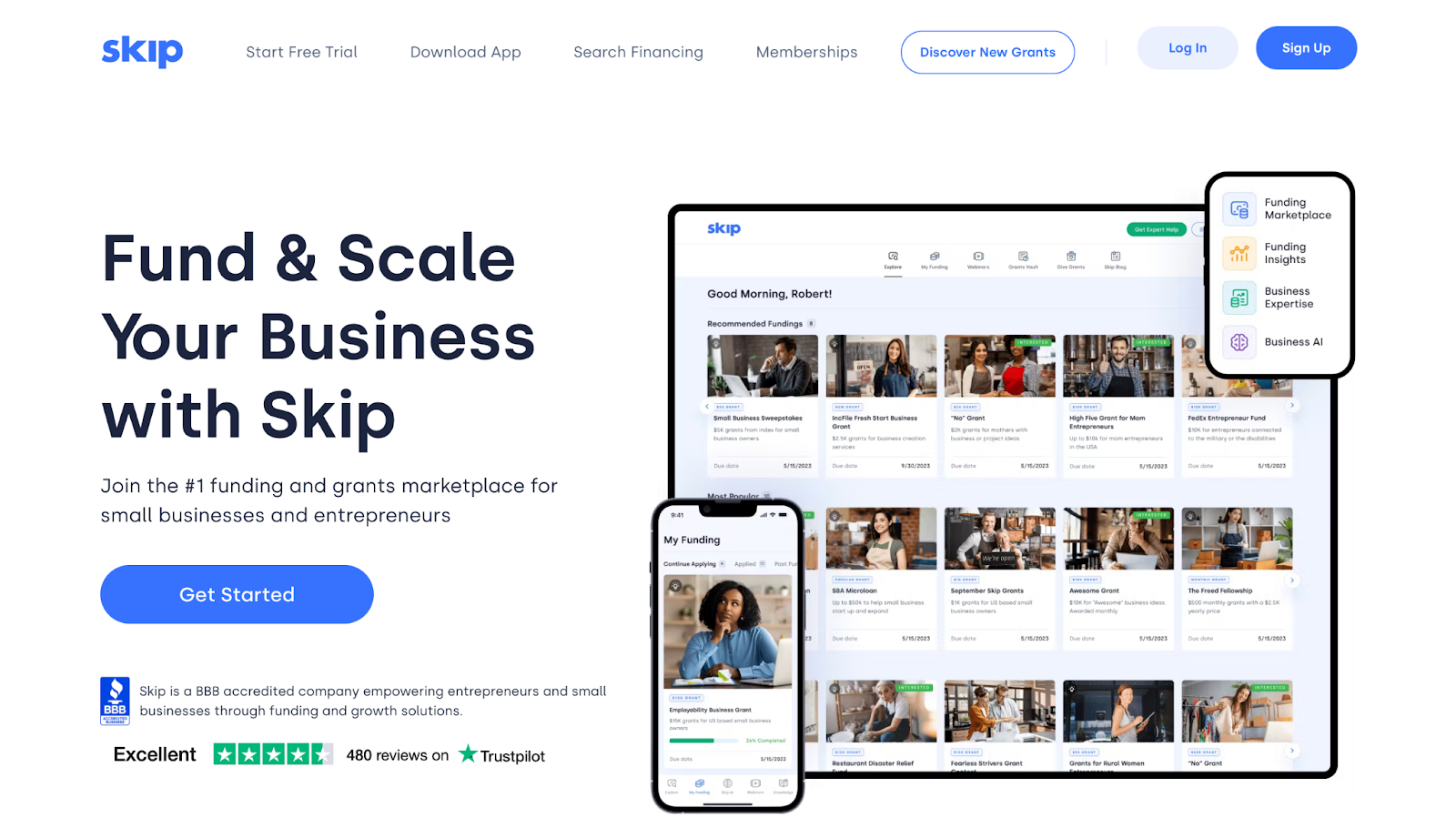
In a nutshell, Skip is a platform designed to help entrepreneurs and small businesses find funding and growth opportunities. Essentially, it serves as a marketplace where you can search for various funding options like grants, loans, and other financing opportunities in the US. 

The platform advertises a large database of funding sources, which can help you discover opportunities you might not have known about otherwise.

One of the key features of Skip seems to be its ability to provide insights and tips on applying for funding quickly. 

With a Skip membership, you can: 

  • Learn about funding opportunities for your business
  • Get advice on how to apply 
  • Use AI to apply successfully
  • See potential eligibility for loans or grants based on your business profile

And, Skip offers support through specialists who can assist you with questions about funding or business growth strategies—This combination of technology and human expertise seems like it could streamline the funding process for small business owners & entrepreneurs. 

If you’re looking to start, fund, or grow your business and need help navigating the world of funding options, Skip might be a smart platform to consider.

You might also like: Behind the Scenes of Become.co: A Comprehensive Review 

How Much Does Skip Cost? 

Skip pricing

The cost of a Skip membership varies depending on the level of service and support you choose.

Here’s a breakdown of the different membership options and their associated costs:

  1. Skip Free – With a free account, you can see funding opportunities, funding matches, save grant application answers, and test the AI. 
  2. Skip Plus – Starts at $9.99/month (when billed annually) for access to funding insights, reminders, opportunities, and AI features.
  3. 30-minute call – Starts at $33.33 per call for personalized assistance on various business and funding topics.
  4. Skip VIP – Starts at $199/month, includes access to all funding opportunities, a dedicated client success manager, and business evaluation.
  5. Skip Platinum – Starts at $499/month, offers everything in Skip VIP plus hands-on funding assistance and customized grant help.
  6. Skip Diamond – Starts at $999/month, includes all features of Skip Platinum along with personalized funding and growth solutions, business coaching, and strategy discussions.

Each tier provides increasing levels of support to help with your funding and growth needs. Choose the membership that aligns best with your business goals and situation.

You might also like: A Complete Thryv Review: Manage Online Business Listings +More 

Company Overview

Skip YoGovernment Inc

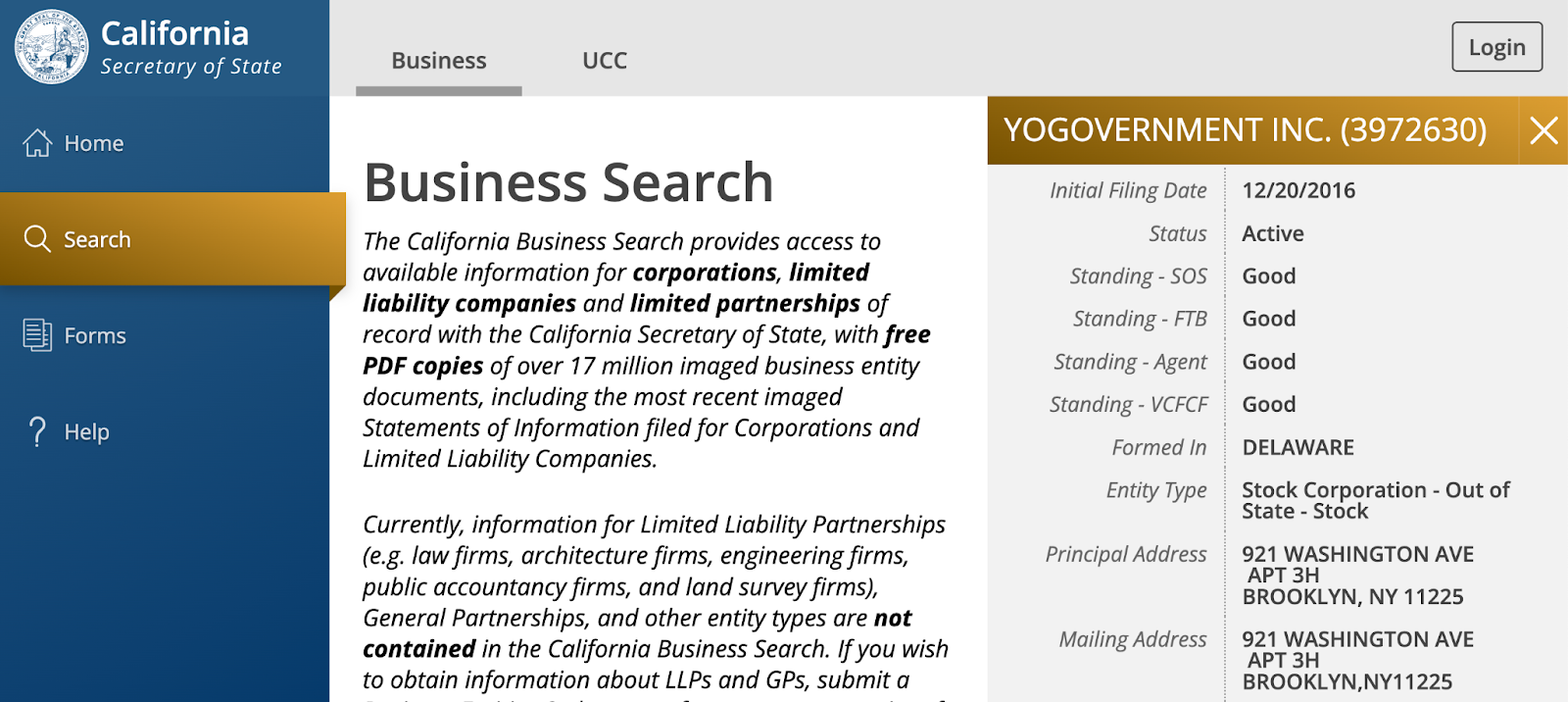
Skip, aka YoGovernment Inc, is a San Francisco-based, seed-stage, for-profit company that was founded in 2016 by Ryder Pearce. According to the California Secretary of State, the listed agent is Walker Vanyos. 

Pearce is sort of a serial entrepreneur – he’s founded a few companies since 2012, including Pogoride (commute app) and SherpaShare (rideshare app). Before this, he was a strategic planner at Translink and graduated from Harvard with a Master’s in Urban Planning & Design. 

Skip CEO Ryder Pearce

I wonder if Pearce didn’t discover all of these grant opportunities when founding the transportation apps, and decide to make them more accessible to other entrepreneurs. 

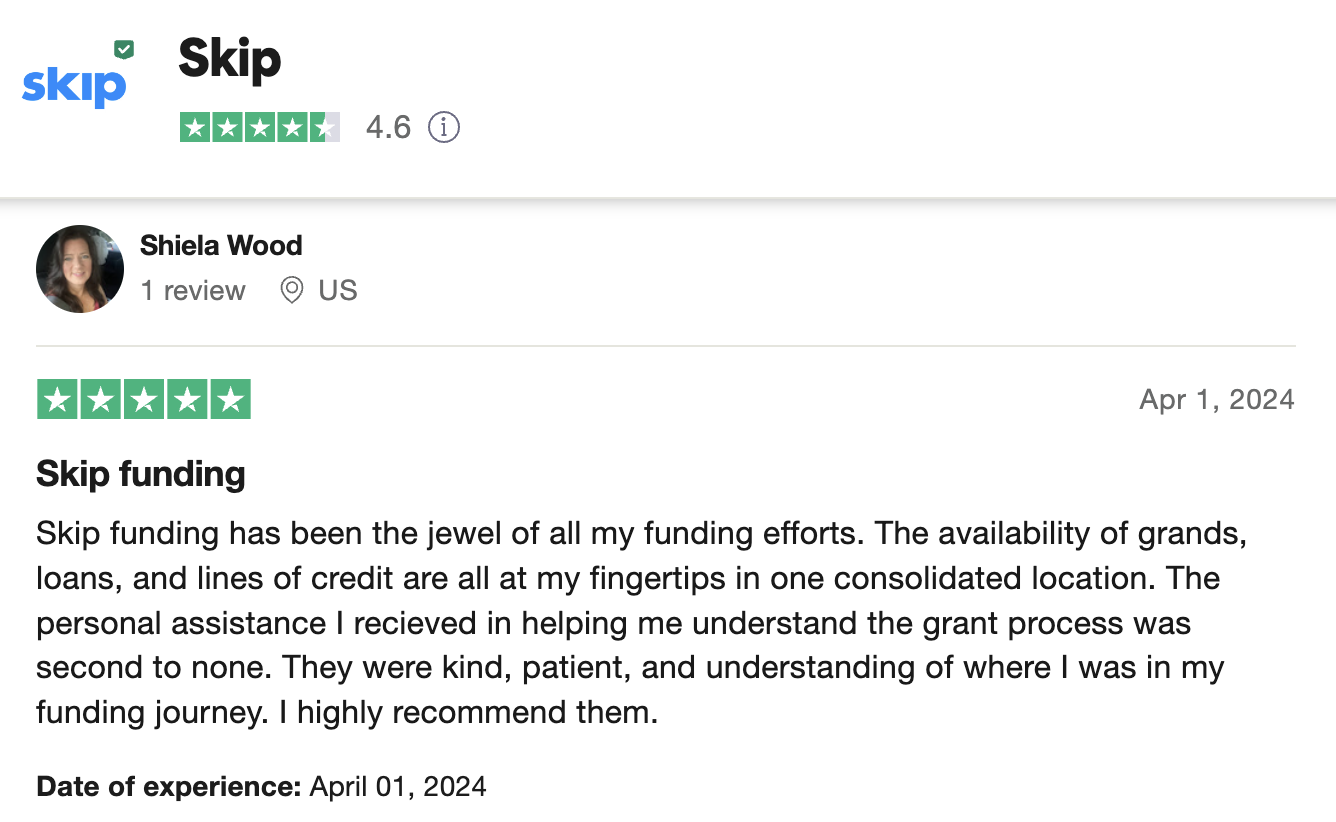
Skip maintains a 4.6-star rating on the Trustpilot platform, and I noticed at least one of the negative reviews is likely a mix-up – they had something negative to say about ‘incompetent drivers?’ I mean, what’s not to love about a platform that shares how to get free money to grow your business?  

Skip reviews Trustpilot

As of today, Skip isn’t accredited with the BBB, and has an A- rating on the platform. But, with no user reviews, it’s too early to know if this is relevant. 

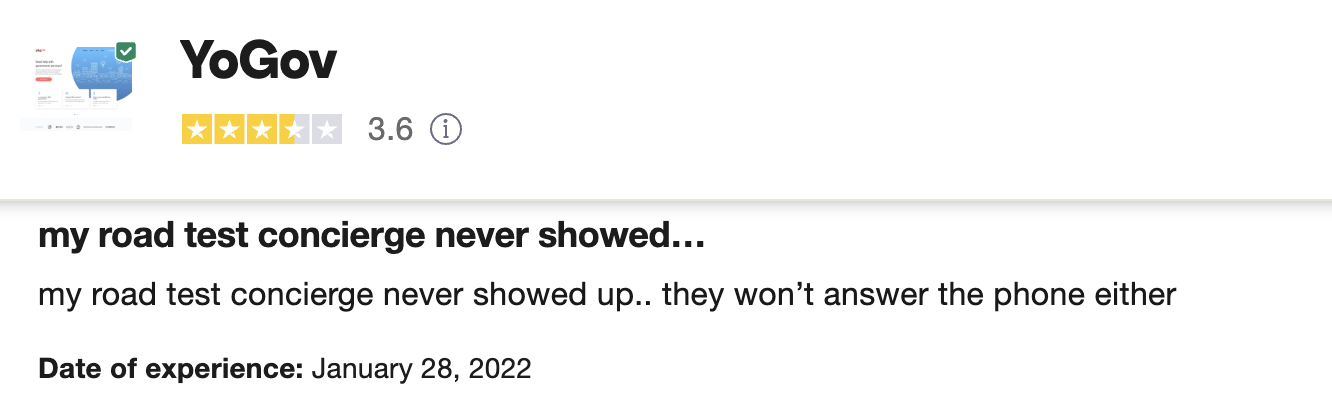
Now, I did run across some DMV-related information about Skip and YoGov, which isn’t as delightful. If we’re being skeptical, we could say that this might be a red flag concerning the company leadership. But, it sounds like these offers are so different (transportation vs business funding), that I can’t speak confidently on the subject. 

YoGov reviews Trustpilot

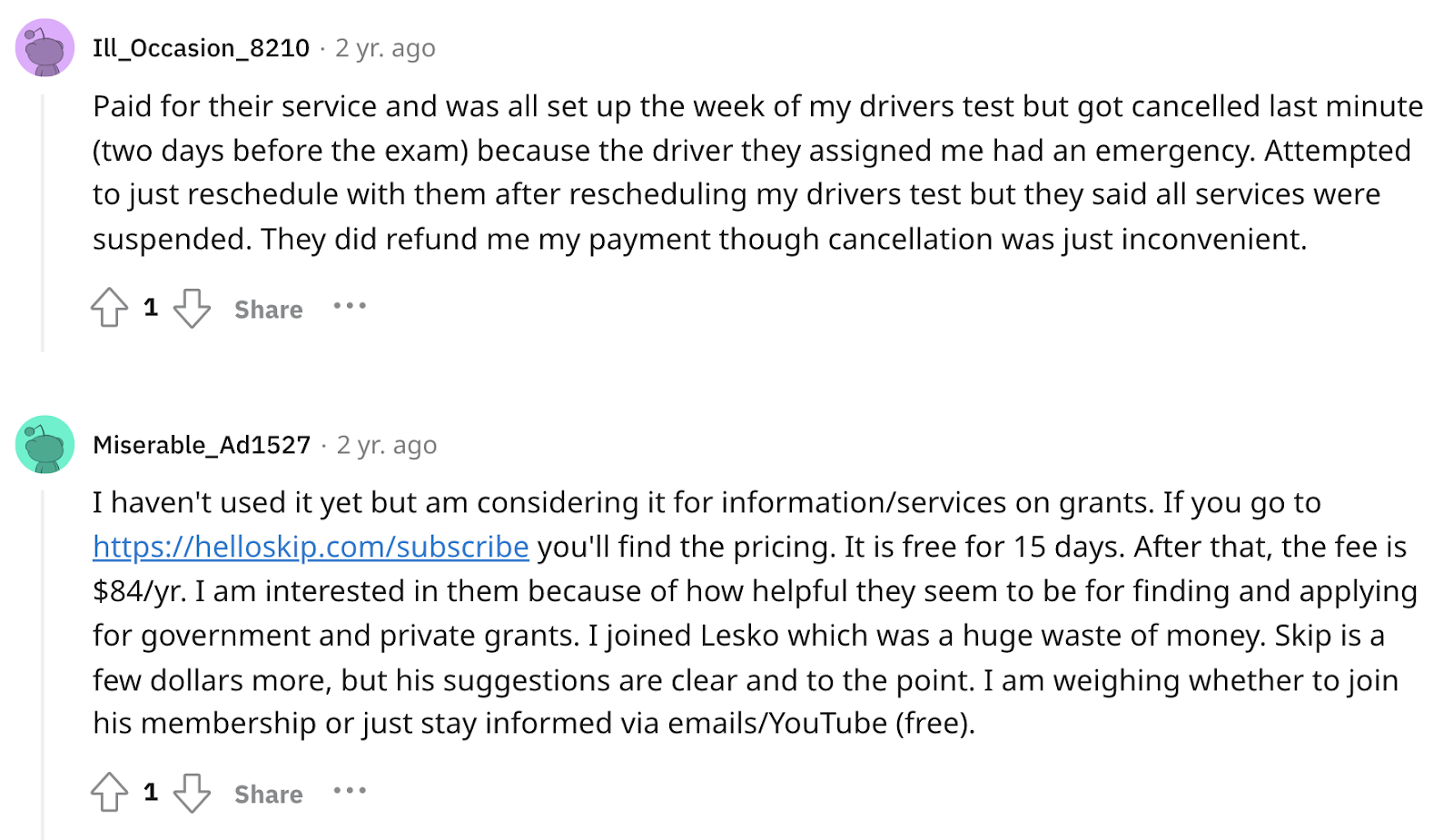
Unfortunately, the Reddit forums didn’t clear up any of my confusion. 

Skip reviews reddit

It seems like Skip was originally a rebranded version of YoGov, some kind of driving platform, and has more recently shifted to focus on business funding. As far as trustworthiness, I’d say the company is at least ‘fair to middling,’ if not better. 

Maybe the jury is still out? 🤷

Hopefully, learning more about the offer will help you decide for yourself. 

Who Are Skip’s Funding Partners? 

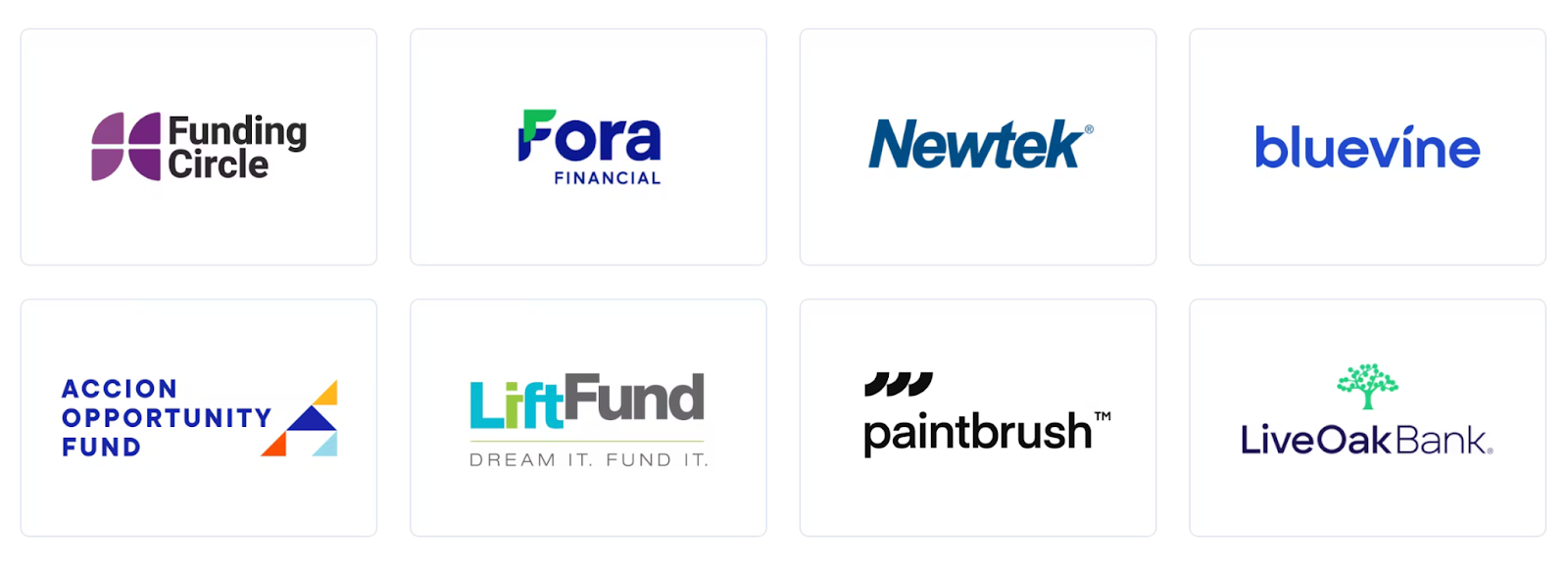
Skip lending partnerships

While Skip hasn’t updated the partner page on their website (yet), we do know who some of their funding partners are; I’m pretty familiar with a handful of them. 

Here’s what I can tell you about Skip’s advertised funding partners: 

  • Funding Circle – A platform that connects small business owners with investors. Investors use the platform to invest in growing businesses, create portfolios, and negotiate equity in profits. It’s an alternative way to obtain business funding pretty quickly.
  • Fora Financial – A reputable alternative lender (despite their high rates, which I typically wouldn’t recommend unless absolutely necessary). However, one advantage is that Fora doesn’t charge prepayment penalties, unlike many other online lenders. 
  • Newtek – A free business banking provider with interest-earning checking and savings accounts. They also offer term loans from $1,000 to $15 million and revolving lines of credit up to $5 million.  
  • Bluevine – I recommend their business checking for digital-focused businesses. Their line of credit, backed by Celtic Bank, uses personal FICO scores for credit evaluation, which I don’t prefer. But, I love that Bluevine reports to Dun & Bradstreet (D&B).
  • Accion Opportunity Fund –  They offer business loans with flexible payments and provide business coaching. Over 90% of their clients are underrepresented communities. And, they reinvest loan payments to support other small businesses, which is cool!
  • LiftFund – Works with owners with limited credit, collateral, or experience. They can help you get various business loans for commercial real estate purchases, equipment, inventory, supplies, vehicles, and working capital. Their geographic scope is limited. 
  • Paintbrush – Provides up to $50K for early-stage business ideas with quick eligibility checks and applications. This loan doesn’t require ownership of your company and can convert to income-driven repayment if needed, based on earnings.
  • Live Oak Bank – Digital bank without branches. They offer checking with Treasury Services, high-yield savings with a 4.00% APY, and high-yield CDs for predictable returns. Live Oak Bank’s funding includes SBA loans, USDA loans, and commercial loans.

What’s cool about Skip’s partners is that many of these financial brands don’t come up on my radar when looking at “barely-reputable” or unduly expensive business funding offers. 

Plus, it seems like they’re building partnerships with government agencies, which probably means more business grant offers are coming.

Note, this is a lot different than your typical loan marketplace—there’s more to a Skip membership than the typical loan-matching platforms. I’m really digging it.   

Recommended: Read This Before You Hire a Business Credit Coach [Quick Guide] 

What Does Skip Do? 

Skip login

So, if you decide to sign up and see what it’s all about, what can you expect? As far as whether or not you will qualify for funding, I can’t say – this will depend quite a bit on your business structure, ownership, and operations. Still, I can tell you all about what’s inside the platform. 

1. Business Grant Opportunities

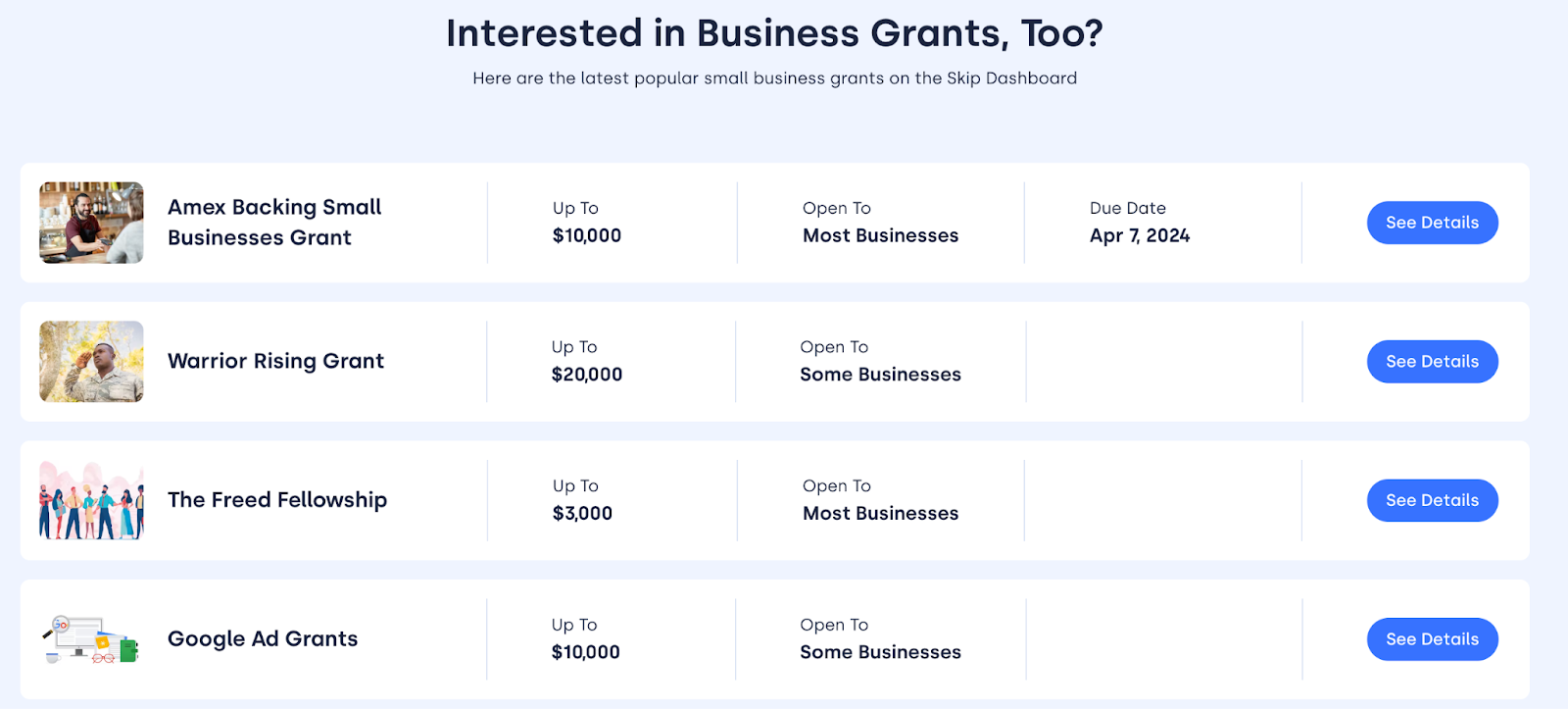
Skip business grants

One of the first reasons you might want to explore Skip’s offer is to get free money – who wouldn’t want it, right? Well, I expected to see maybe a handful of grant opportunities because business grants are a needle in a haystack. 

However, once I got in there, I saw that there were many listed opportunities. Of course, as you’d expect, they all have stipulations – it reminded me of applying for state college scholarships. 

For example, there are grants for veterans to start a business, some require that you employ at least 20 staff members, and some are open solely to nonprofits.   

Business grants for veterans

A majority of the opportunities I explored seemed to have a lottery-type approval process without overly-extensive applications to fill out—this is convenient, but may lead to a ton of applicants and make the awards more competitive. 

What I liked best about the grant section of the platform is that it is super easy to navigate – compared to other legitimate business grant sites like the SBA’s grant directory and Grants.gov, the Skip platform is remarkably user friendly. 

One thing I didn’t love about the platform is that once you express interest in a loan or grant, it is added to your progress bar with no way to remove it. 

Skip funding progress tracking

Let me just note that this is in no way a dealbreaker. 

You might also like: No-Doc Business Loans: Get Funds Without Proof of Income 

2. Business Loans & Financing 

Skip business loans

In addition to grants, Skip connects you with loans from various partners and government-affiliated sources. 

Some examples include: 

  • SBA 7(a) loans
  • Bluevine lines of credit & business checking 
  • Black Ambition Prize (possibly internal)
  • Fora Financial working capital 
  • Funding Circle financing
  • Paintbrush startup loans

These seem to align with what I would expect after seeing their list of partners. I’m looking forward to seeing what new partners they may add in the future. 

You might also like: Bluevine Review: Free, High Yield Small Business Checking! Are They Serious? 

3. Deadline-Based Sorting

Deadline to apply for grants in Skip

Grants tend to have periodic deadlines. The Skip platform allows you to sort your matches by the application due date. 

This can help make sure you see the most time-sensitive offers first and never miss an opportunity. It’s not the most technologically advanced feature I’ve ever seen, but I thought it was worth a mention. 

You might also like: Free, Printable Business Credit Application Template (Plus, How to Use it Correctly) 

4. Multiple-Business Financing Matching 

Get grants and loans for multiple businesses

Another feature (which is so cool) is that you can add multiple business profiles to one Skip account. 

You answer some questions about your business like: 

  • Business name
  • Date started
  • Location 
  • Annual revenue or pre-revenue status 
  • Owner’s gender and ethnicity – for underserved groups
  • Owner’s credit score 

The platform seems to match based on personal credit score, not your business credit score—this is pretty typical. Then, they show you a list of funding and grant opportunities that the selected business is likely to qualify for. 

By allowing you to add multiple businesses, they seem to go above other business funding marketplaces that I’m familiar with. 

You might also like: How to Find Aged Shelf Companies for Sale +Why Buy Them? 

5. Skip AI™ 

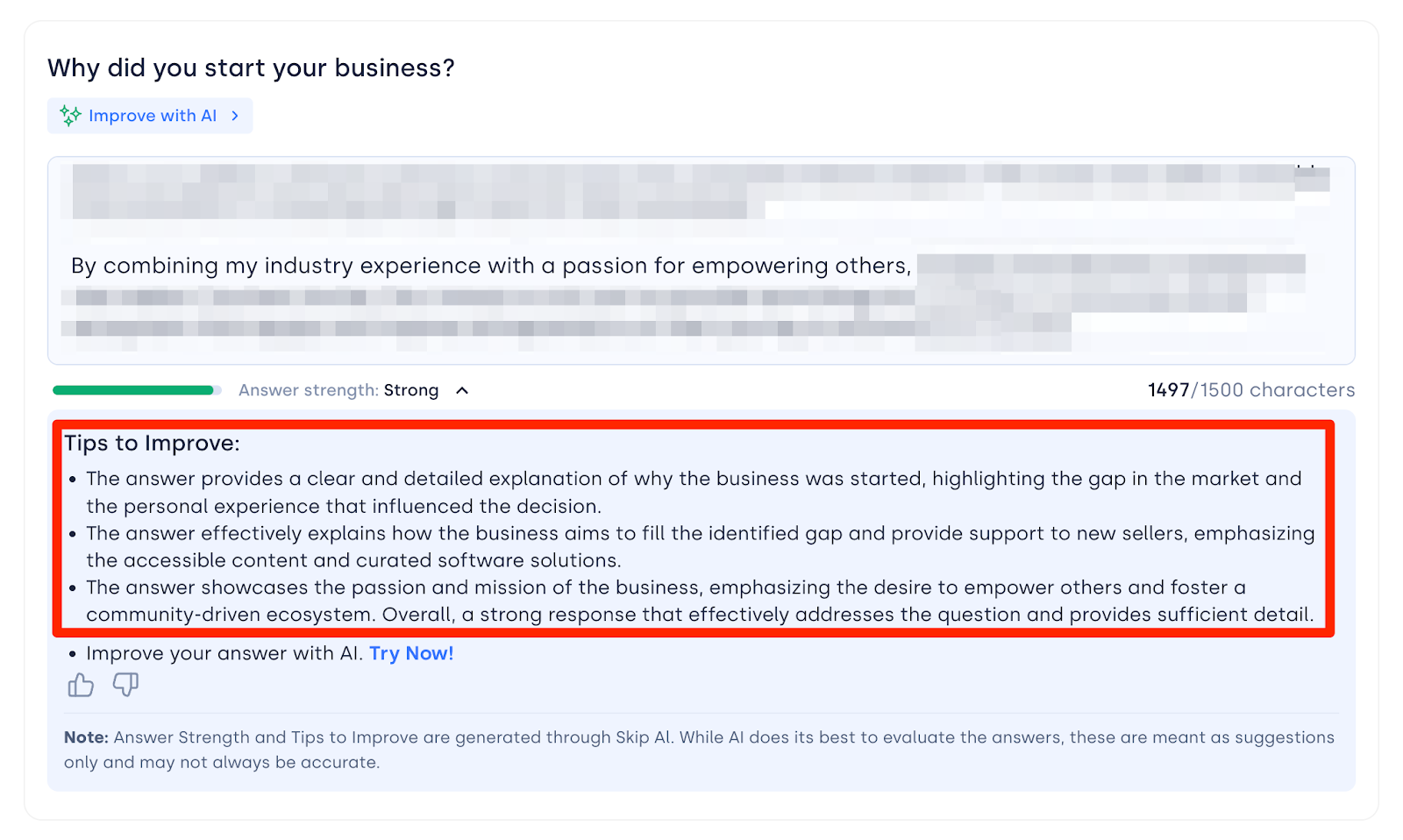
Skip AI grant writer

While many of the grant applications require longform answers in the application process, the writing isn’t as in-depth as traditional grant writing. Still, as an applicant you can take advantage of Skip AI™ – the platform’s bespoke AI writing assistant – to help you with your wording.    

Even if you don’t upgrade to a paid account, applications include tips to make your answers stronger and more engaging. 

And, if you do, it can take your words and improve them in a matter of seconds. This could save you a ton of time in otherwise lengthy application processes – hours, even.  

You might also like: How to Use NAV to Quickly Get Funding! 

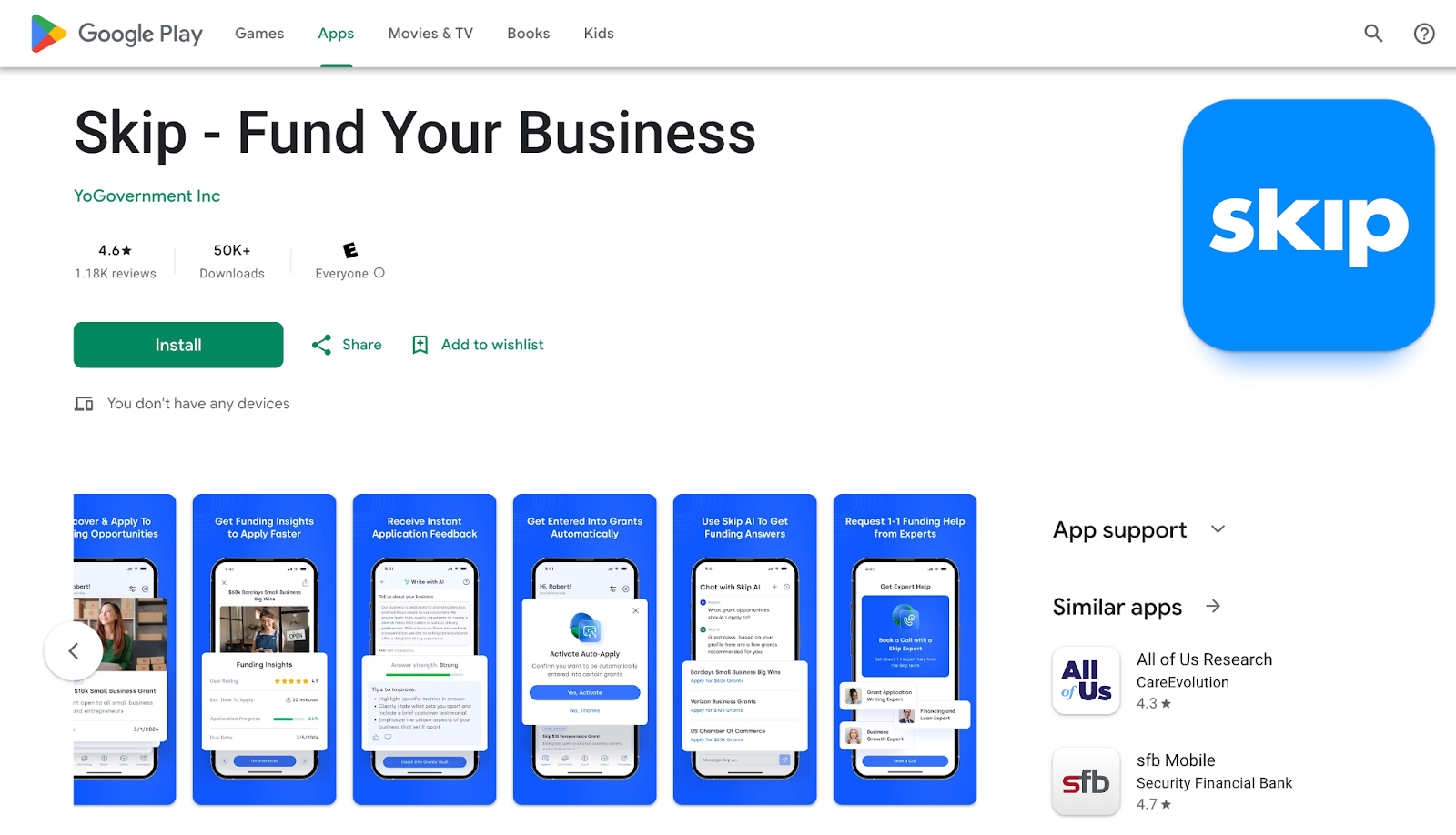
6. The Skip App 

Skip app

The Skip app is available on iOS and Android. This enables you to fund your business on-the go. It maintains a 4.6-star rating on the Google Play Store and 4.8 on the iOS marketplace.

Users seem to really appreciate its comprehensive and informative business funding and government assistance content. Positive feedback highlights its clear explanations and timely updates. However, occasional negative reviews mention technical issues like broken links and disappearing information, as well as complaints about unexpected charges and difficulty canceling subscriptions. 

Overall, while the app offers valuable resources, persistent usability and customer service issues have led to varied user satisfaction.

You might also like: Expensify Card Review: A Detailed Expense Tracking Analysis 

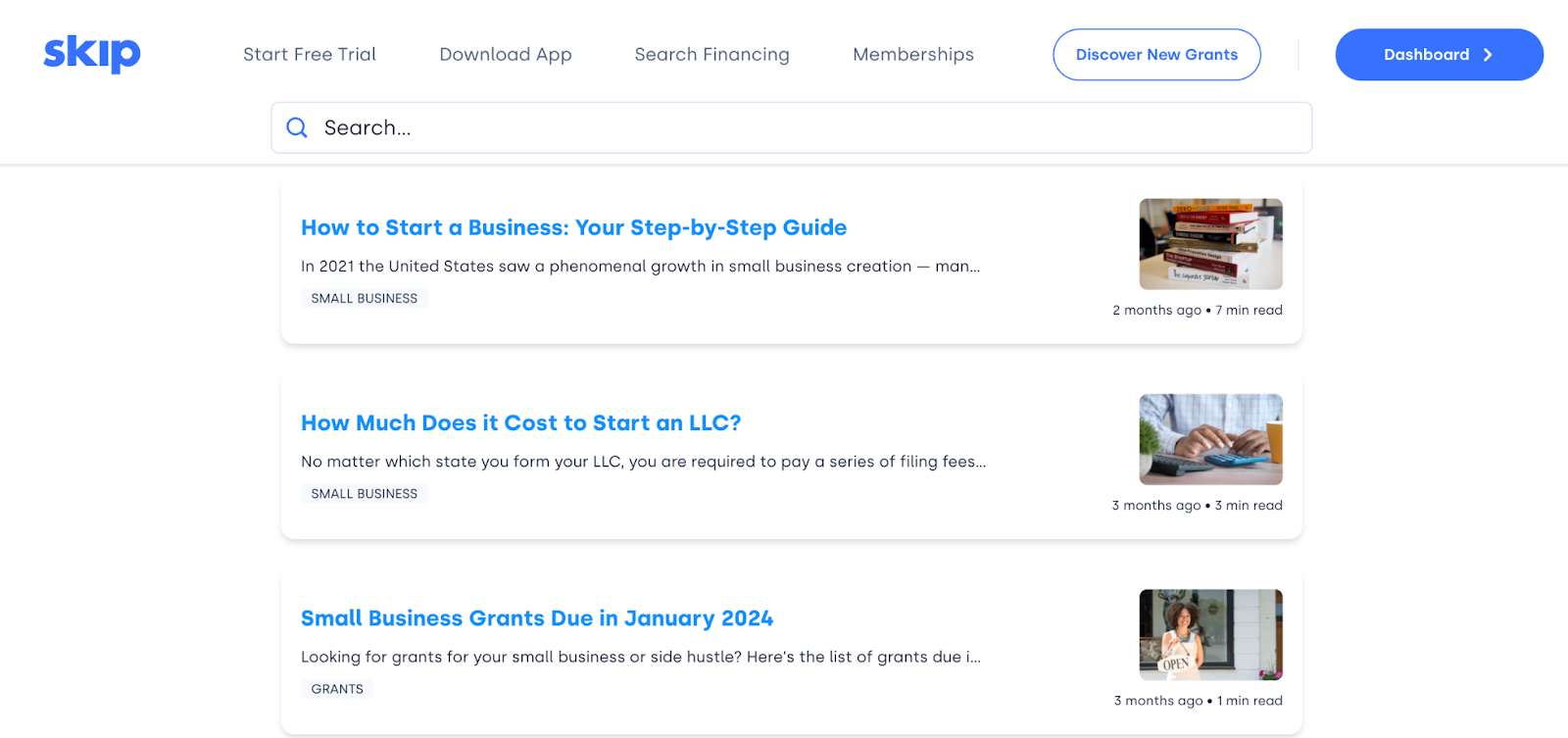
7. Educational Resources 

Skip business funding blog

On the front-end, Skip’s blog has a lot of “getting started” info for business owners: “How to Start a Business…” and “How Much Does it Cost to Start an LLC?.” The blog also features a lot of news about upcoming grants, approaching deadlines, and other stuff you might need to know as you apply. 

In the user dashboard, there’s a lot of video content, which is also primarily news about funding opportunities. 

The content is easy to understand. While it’s not all that comprehensive, I think that makes sense, since the core idea is to provide accessible solutions. And, if nothing else, the simple topics can give you an idea what you may need to research next on your entrepreneurial path. 

Recommended: Here’s How to [Actually] Get Business Credit With Just an EIN +More Options 

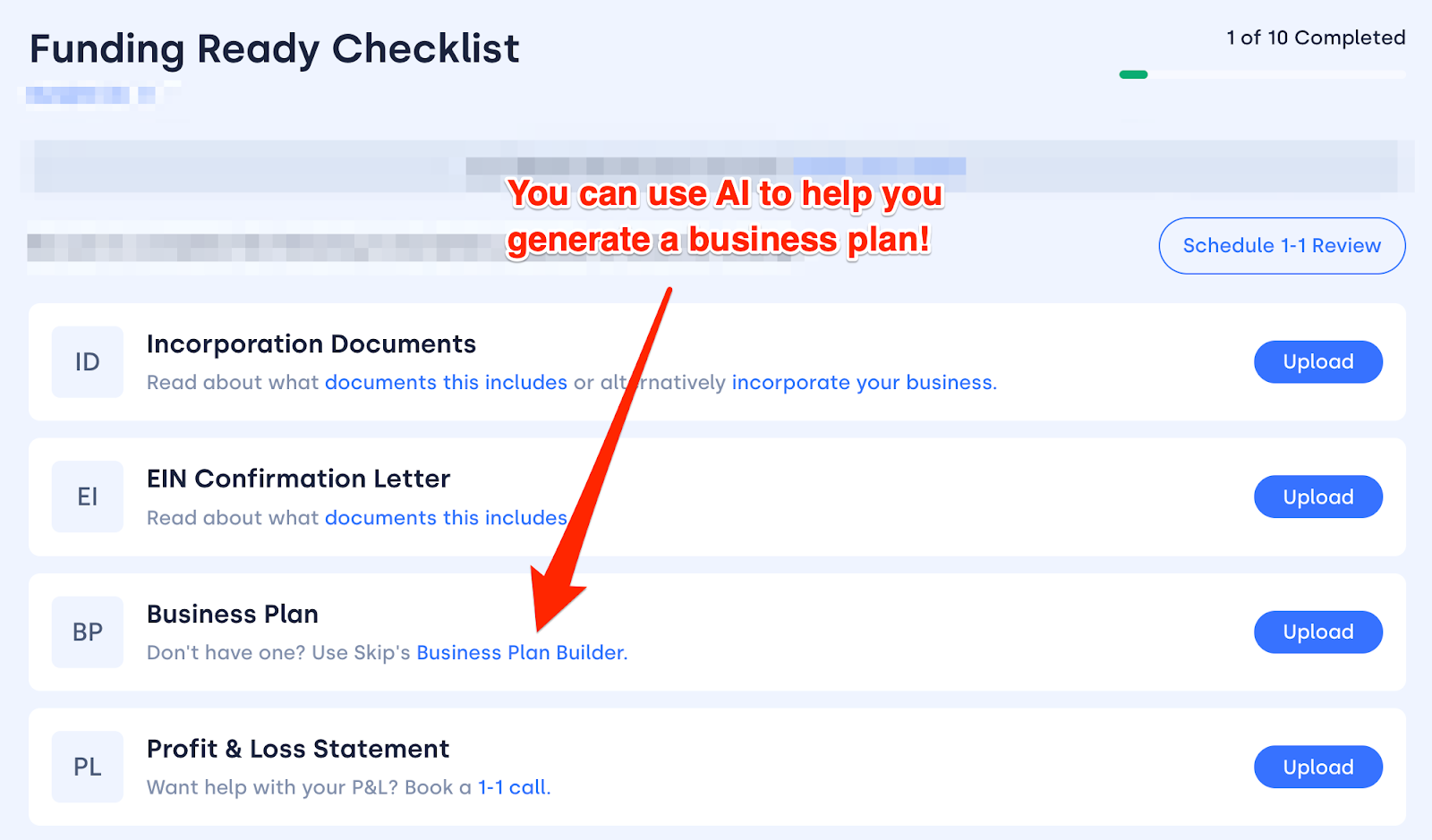
8. Business Plan Generator

Skip business plan generator

If I hadn’t got into the platform to poke around at the features, I might have missed the fact that the Skip platform offers some neat tools. Head over to the “Funding Ready Checklist,” and you’ll find more than just a place to upload your business docs. 

Skip can help you generate a business plan if you don’t already have one. And, the tool is super easy to use. You will need to upgrade your account to the $9.99/month Plus plan to access it. 

You might also like: Sole Proprietorship VS LLC: How to Choose Your Entity Wisely 

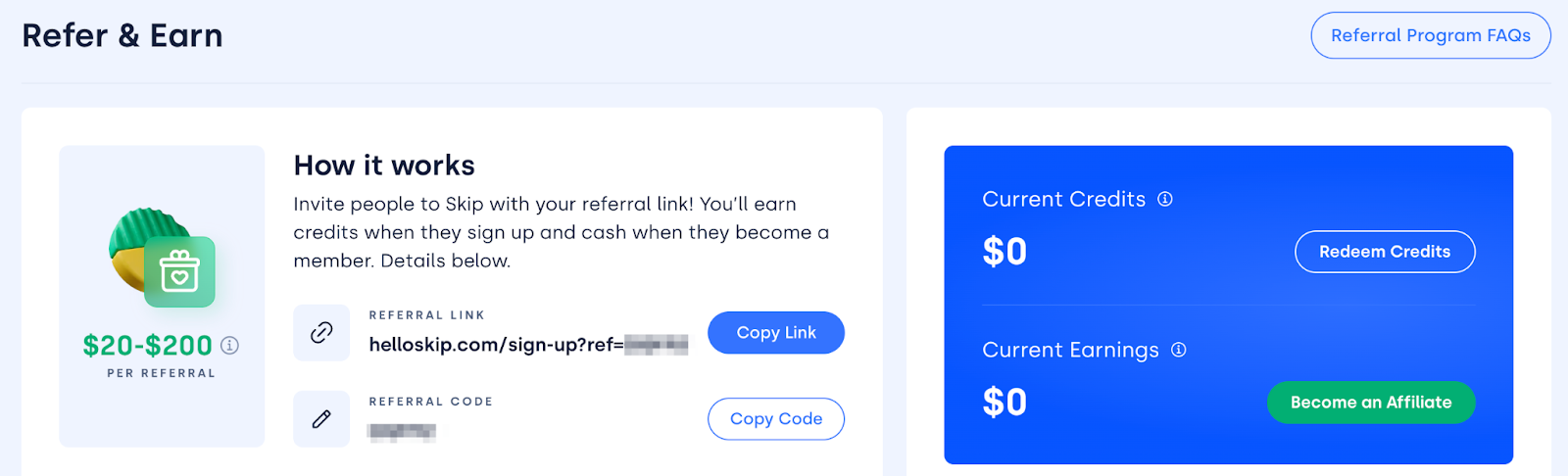
9. Referral Program 

Skip affiliate program

While I can’t speak to the Skip affiliate program’s reliability or how easy it might be to make referrals, the platform promises to offer a one-time $20 to $200 per referral. 

Compared to other affiliate programs, I’d say this is competitive. Some solutions will give you lifetime commission, but this can equal anywhere from $0 to $10,000 per referral, depending on the product. 

Why not refer people to a solution they need if you like it yourself? It’s definitely a step above the many funding platforms that don’t offer referral bonuses. 

You might also like: Is the National Debt Relief Program Legit? The Honest Answer 

Frequently Asked Questions

Can Skip guarantee funding for my business?

While Skip offers information and guidance on funding opportunities aligned with your business profile and preferences, it cannot guarantee funding approval. The decision to approve funding rests with the funding organizations and lenders. Skip’s objective is to assist you in navigating the funding landscape and enhancing your chances of discovering suitable options, yet the ultimate approval lies with the funding providers.

Is Skip available nationwide, or are there restrictions based on location or business type?

Skip is accessible across the nation without any limitations based on location or business type. Whether you’re a small business owner in California or a startup in New York, Skip is equipped to support you with funding opportunities.

How can I cancel my Skip account? 

Send an email to hello@helloskip.com, and a member the Skip support team can help you cancel or modify your account and plan. 

Conclusion: Is Skip Legit? 

Yep! Skip seems to be a completely legitimate business with quite a bit of transparency into their leadership. The platform makes grants and loans accessible to small businesses, specifically to owners in underserved demographics — in all, I think it’s a fantastic funding marketplace. 

I’m not in love with the fact that you need to reach out to support to cancel your account. Hopefully, the cancellation process will be improved at some point in the near future. And, it’s a little confusing that the original brand had an entirely unrelated offer.

Still, if you have 7 days to dedicate to exploring the grant opportunities alone, there doesn’t seem to be any risk in trying it out (as long as you make sure to cancel your account if you decide this isn’t the platform for you). 

Do you want to learn how to obtain up to $100K in business credit in as few as 30 days? Join Business Credit Workshop today!
hello-skip

Business Credit Blog

· Recommended Resources
· Using 30 Day Net Vendors to Build Your Business Credit Score
· How to Create a Business Credit “Entity” – Tutorial

Recent Posts

  • How To Get Business Credit With Bad Personal Credit!
  • I got $25K from a Credit Union No One Talks About
  • Hot Seat – Application Received
  • Email
  • Facebook
  • Instagram
  • LinkedIn
  • YouTube

· Sign Up for Business Credit Workshop Online!
· Login – Business Credit Workshop Online
· Forgot Password?
· Latest Posts
· Affiliates

Copyright © 2025 · All Rights Reserved · Privacy Policy · Terms · About · Contact Us

  • Home
  • Free Funding Guide
  • What We Offer
    • Products
    • Services
    • Free Guide
    • Back
  • About Us
  • Contact
  • Sign Up