• Home
  • Free Funding Guide
  • What We Offer
    • Products
    • Services
    • Free Guide
  • About Us
  • Contact
  • Sign Up

  • Ask Joe Any Question!
  • Business Credit Cards
  • Business Line of Credit
  • Topics

Capital on Tap Review: Is This Business Credit Card Any Good? 

By Joe

Capital on Tap

Since March 2021, when the U.K.-based company launched their U.S. business credit card, Capital on Tap has been a hot topic for business owners looking to obtain funding. They’re offering business credit lines up to $50K with cashback on all purchases. Sounds enticing, right? But, should you hop on this train or explore other options? 

Business Credit Card - $100 sign up bonus

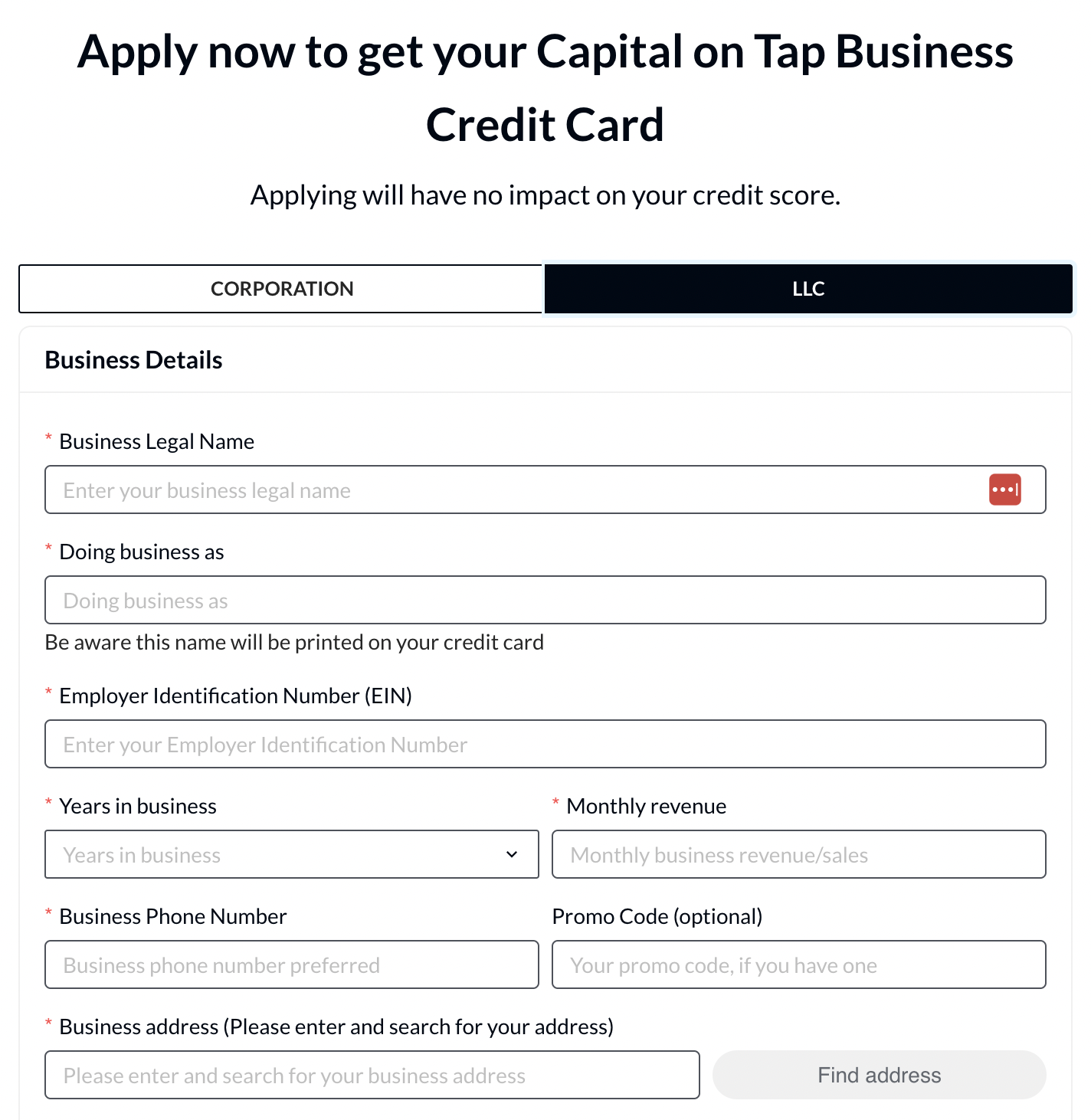
Apply now - takes 2 minutes and it will not impact your credit score. Your Capital on Tap business credit card will arrive within 4 days of approval!

Apply Now
Lasso Brag

We’ve done the research so that you don’t have to. 

Here’s what’s in store:

  • Company Overview
  • What is a Capital on Tap Credit Card?
    • Capital on Tap Requirements
    • Capital on Tap Credit Card Card Overview
    • Capital on Tap Complaints
  • Capital on Tap Competitor Overview
  • Frequently Asked Questions
  • Conclusion: Is Capital on Tap Legit?

Now, learn everything you need to decide if the offer is right for you. 

Company Overview

While the name sounds like an offer that could be akin to Capital One, the two companies are unrelated.

Capital on Tap is a subsidiary of New Wave Capital Limited, based in London (incorporated in Whales and the U.K.). The company was founded in 2012 by David Luck, George Karibian, and Jan Farrarons. Prior to starting Capital on Tap, Luck was part of the operations group at a venture capital company called KKR Capstone. 

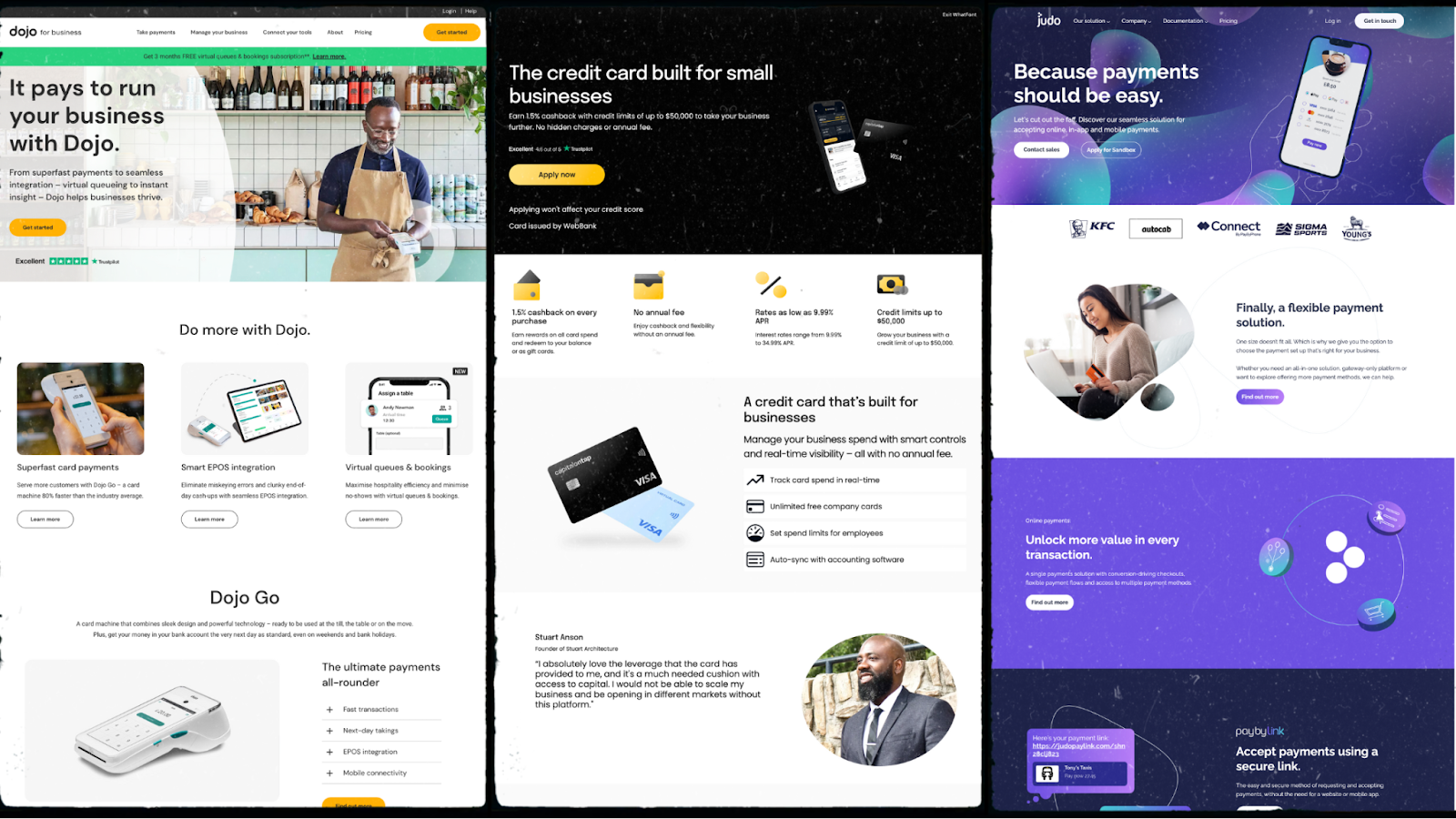
Karibian and Farrarons also co-founded Dojo in 2009 and Judopay in 2012. Karibian is a serial entrepreneur who founded a couple of other companies prior to 2009. Both Dojo and Judopay are, to this day, successful payment processing companies. 
Who owns capital on tap?

Now, Capital on Tap credit cards for U.S. cardholders are issued by WebBank, headquartered in Salt Lake City, Utah. Originally founded in 1997, the company was acquired by Steel Partners Holding Corp. 

What is a Capital on Tap Credit Card? 

A Capital on Tap business credit card is a line of credit geared toward small businesses. In the US, They offer lines of credit up to $50K with 1.5% unlimited cashback on all spending. They boast that you can apply for a line of credit in as little as two minutes and get approved within 48 hours. 
Capital on Tap login

Despite some rumors, a Capital on Tap card does require a personal guarantee. So, if the business fails to pay the revolving debt as agreed, the individual/applicant will be responsible for the repayment. Business credit cards with no personal guarantee are actually very rare. 

Recommended: Here’s How to [Actually] Get Business Credit With Just an EIN +More Options 

Capital on Tap Requirements

If you’ve made it through the benefits overview, and this sounds like the card for you, let’s make sure you’re in a position to qualify for the offer.

Here’s what you need to have: 

  • Be the Director of or own at least 25% of your company
  • Business based in the U.S. 
  • Business annual revenue of at least $30K 
  • Good personal FICO credit score 

While Capital on Tap doesn’t broadcast its credit requirements, applicants with a score of 670 seem to be preferred. So, your odds of qualifying will increase with your FICO score.  And, these requirements are actually fairly lax. 

Capital on Tap Card Card Overview
Capital on Tap credit card

Before you think about applying, why would you want to? Capital on Tap has features and benefits that, when compared to other offers, will help you make a decision about whether or not this is the right card for you.

  • Unlimited Cashback – 1.5% cashback on all spending
  • Instant Rewards Redemption– Cashback redeemed instantly to help repay your card balance
  • Competitive Credit Limits – Credit lines as high as $50K
  • Fee-Free – No foreign transaction fees or ATM charges 
  • Free Employee Cards – Unlimited, free cards for employee spending
  • Spend Management – Budgeting tools to monitor employee spending 
  • No Annual Fee – Restrictions apply

While you can avoid interest “if you pay your balance in full each month,” actual interest for Capital on Tap cards ranges from 9.99% to 34.99% APR. 

Furthermore, while there is no initial fee for ATM use, your interest rate may increase when you pull cash from your balance at an ATM. 

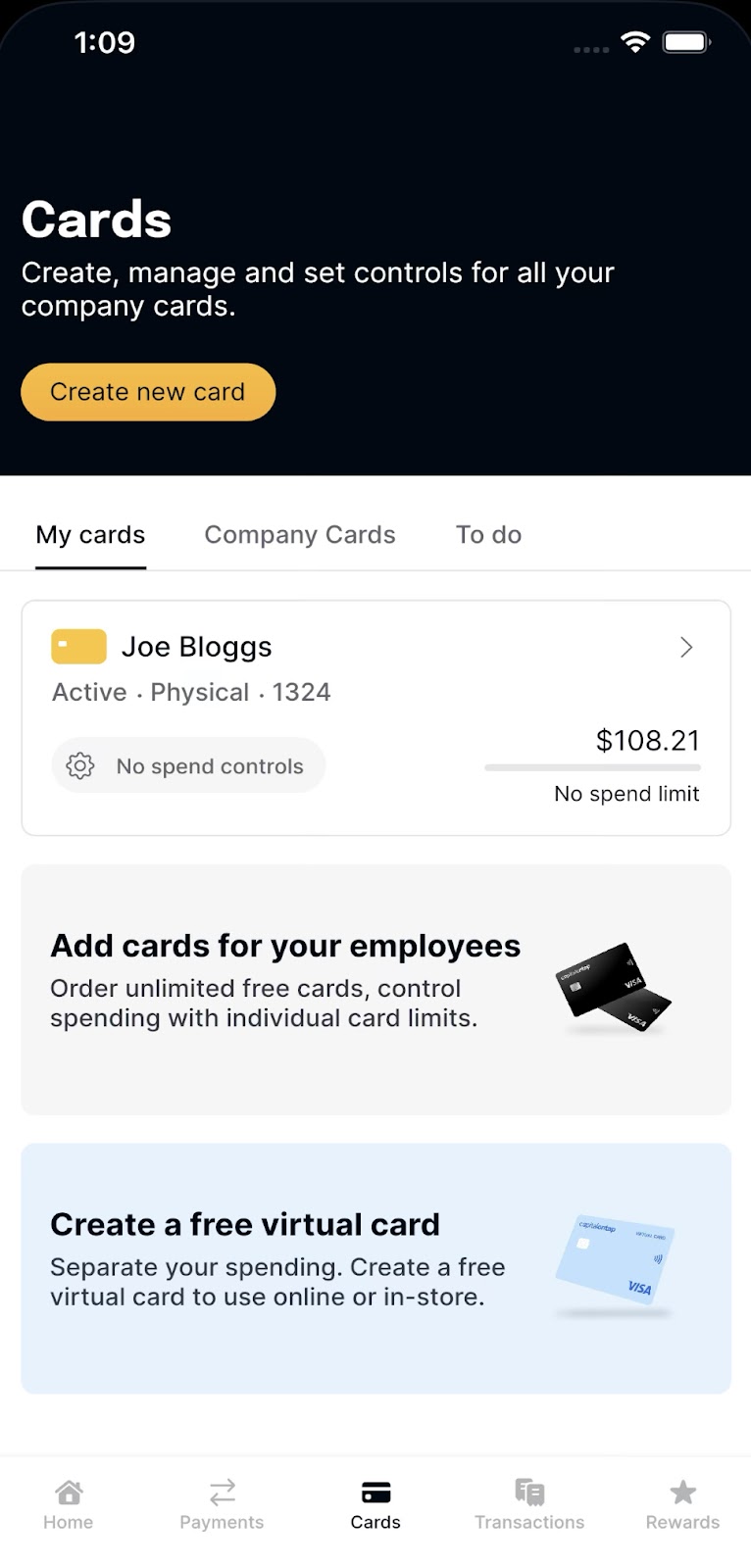
Now, the Capital on Tap mobile app does have a 4.9-star rating in the iOS marketplace, which is impressive, as it outshines some of the biggest banks. 
Capital on Tap app

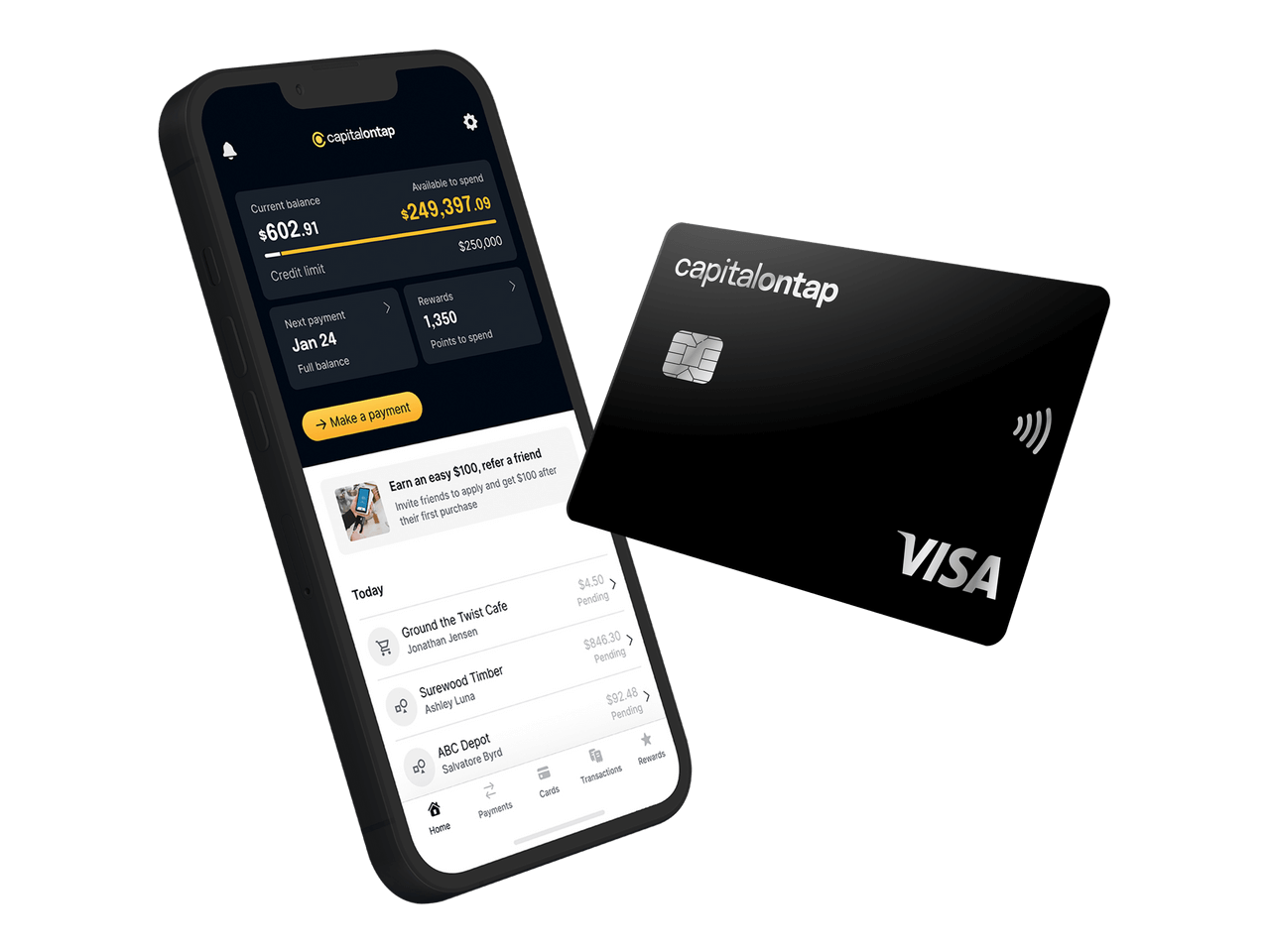
If you use the app, you’ll be able to make card payments, manage your cards and rewards, create virtual cards, and view transactions. 

Capital on Tap Complaints

All business funding options come with their fair share of complaints. So, what do the people say is wrong with Capital on Tap’s offer? Only a small percentage of Trustpilot reviewers have had a bad experience. Here’s a summary of what unsatisfied cardholders and others don’t like. 

  • High interest rates
  • Poor customer service 
  • Excessive junk mail
Capital on Tap reviews Reddit

Note that most complaints mention the company’s advertising in one way or another — most do not mention the actual product. Keep in mind that financial “pre-approvals” are rarely a guarantee that you will qualify for a funding offer. 

Capital on Tap Competitor Overview

Capital on tap is popularly compared to Amex and Capital One’s business credit card offers. So, let’s take a look at how they stack up side-by-side. For this case, we’ll compare the Capital on Tap Founder Rewards Card with Amex Blue Business Cash and Capital One Spark Business Cash specifically. 

CashbackAnnual FeeIntro OfferAPRFX Fees
1.5%$0$200 w/$15K Spend in 3 Mos9.99% to 34.99%0%
2% for 1 Year
1% Ongoing
$0$250 to $500 w/$5K to $10K Spend 3 Mos13.24% to 19.24%2.7%
2%
$95
$500 w/$4.5K Spend in 3 Mos

Deferred Annual Fee
20.99% Variable0%

All of the cards come with their own set of pros and cons. For example, a Capital on Tap card comes with the lowest possible interest rates (9.99%) on regular spending, but can also be the highest (up to 34.99%). Spark Business Cash and Amex Blue Business offer the best introductory offers (Up to $500 with qualified spending). And, neither the Founder Rewards card nor the Amex Blue Business card will charge an annual fee. 

You’ll need to decide which features are most important to you. 

Frequently Asked Questions

What credit score do you need for capital on tap?

Capital on Tap has no set credit score requirement, but applicants with a score of at least 670 have a higher chance of qualifying. 

Is capital on tap a soft pull?

Yes. While a Capital on Tap card does require a personal guarantee, the credit pull is soft, so it will not impact your personal FICO score to apply. 

Does capital on tap require a personal guarantee?

Yes. If your business fails to make payments to Capital on Tap, you will be personally liable for the debt. 

Is capital on tap a charge card?

No. Capital Tap is a credit card, with a revolving line of credit. 

Which credit bureaus does Capital on Tap report to?

Capital on Tap reports payment history to Experian business.

Business Credit Card - $100 sign up bonus

Apply now - takes 2 minutes and it will not impact your credit score. Your Capital on Tap business credit card will arrive within 4 days of approval!

Apply Now
Lasso Brag

Conclusion: Is Capital on Tap Legit? 

From what I can tell, the Capital on Tap offer stacks up well against the competition and offers some decent benefits for a business in the right position. As you know, it’s not your only option. While it’s not my absolute favorite business credit card, it’s definitely one that I refer a lot of my coaching clients to check out. 

If you want to learn how you obtain $100K in business credit in as few as 30 days, join Business Credit Workshop today.
Trade References: Learn Everything You Need to Know [+Templates]

By Joe

Trade References

If you apply for a line of credit for your business, there’s a chance that you’ll need to share a trade reference with the lender. Or, if you’re a vendor, you might be asked permission to be listed as a trade reference for one of your business customers. Even more, if you extend a line of credit to one of your business customers, you may want to ask them to provide you with a trade reference. So, what are trade references and what all do they entail? 

If you’re clueless on the subject or just need a bit more information, we’re here to help. Let’s explore the fundamentals of trade references so you can gain a clear picture. Here’s what we’ll cover.  

  • What are Trade References?
    • What is an Example of a Trade Reference?
    • How are Trade References Used?
      • How Can You Report Trade References to Dun and Bradstreet?
  • Trade Reference Templates
  • Final Thoughts

Now, let’s get to it!

What are Trade References? 

Trade references meaning

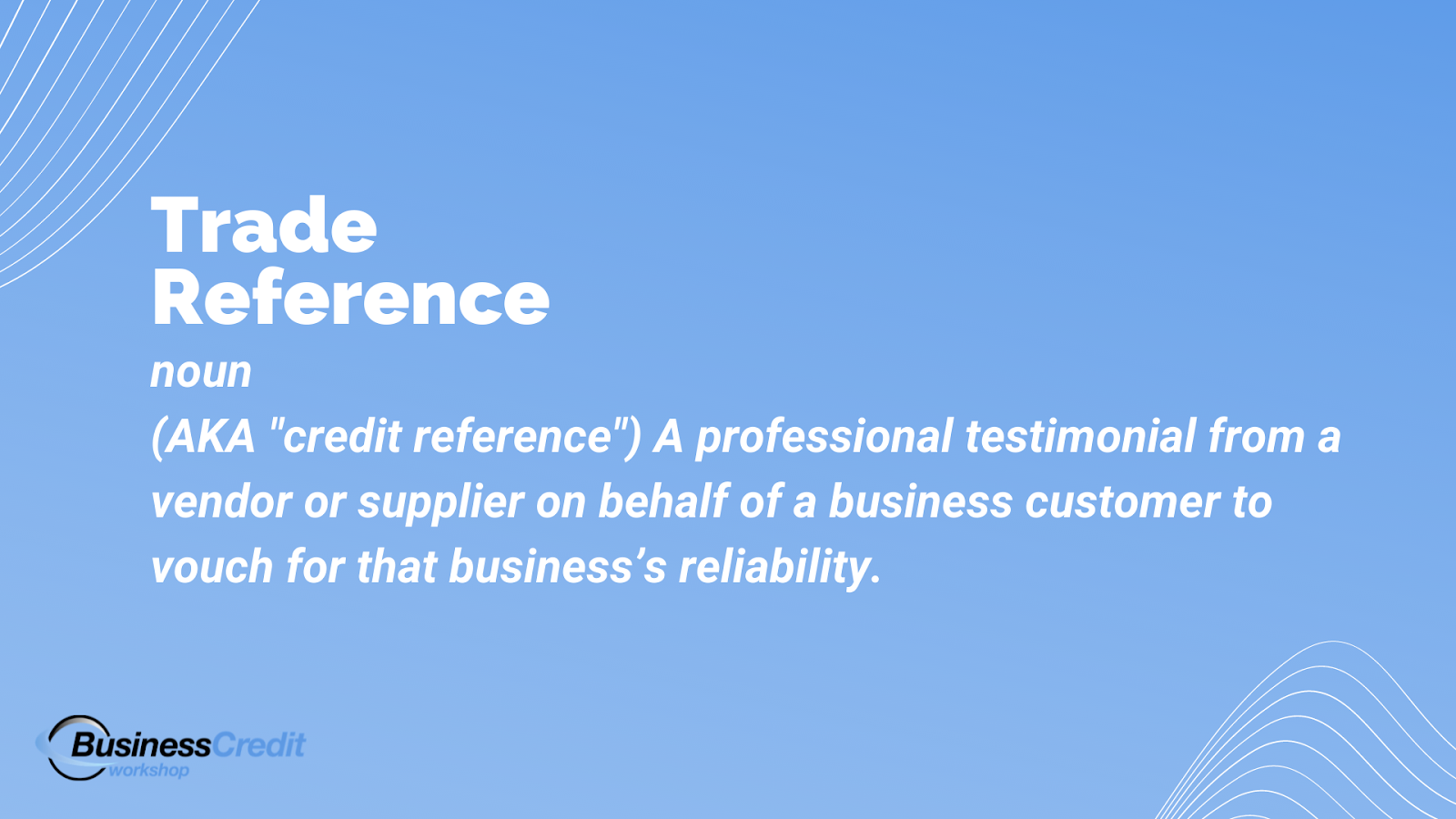
A trade reference or credit reference is a professional testimonial from a vendor or supplier on behalf of a business customer to vouch for that business’s reliability. In most cases, trade references are required or recommended on business financing applications as a form of documentation of the company’s ability to pay debts on-time, as agreed.  A positive trade reference can make all the difference in a successful financing application. 

And, a trade reference request is a solicitation for a trade reference from a vendor. For example, a supplier that has received on-time payments from a business customer each month might be asked by that customer to provide a trade reference that outlines the company’s payment history. The business customer could then use the reference on an application for a term loan, line of credit, or credit card. 

A trade reference is comprised of seven parts: 

  1. Business Contact Information – Legal business names, addresses, and phone numbers for the vendor and the client/customer involved. 
  2. Reporting date – AKA “as of date,” the reporting date is the date that the reference is collected.  
  3. Manner of payment – Details whether payment was made via cash, check, debit, or credit card. 
  4. Rolling, 12-month high credit – Indicates the highest amount of credit used in the past 12 months when applicable. 
  5. Current total amount owing – Denotes the amount owed to the vendor ass of the reporting date. 
  6. Current total past due – Identifies when an amount owed is unpaid past the agreed-upon date of payment. 
  7. Selling terms – Outlines the payment agreement including payment amount, due date, and net terms. 
  8. Date of last sale – Reveals the last time a service was rendered or order placed. 

Business credit bureaus want to see everything above 

What is an Example of a Trade Reference? 

You might think of companies that you pay monthly utilities to as decent references for your creditworthiness. However, when it comes to business financing, you’ll get more klout from vendors and creditors within your industry. For example, if there is a company that supplies your business with funding, operating materials, or services, they might make a good trade reference — even better if they allow you to “buy now and pay later.” 

You can get trade references from any company that allows your business to pay for supplies or services at some point after delivery. By doing busines with these vendors and paying as agreed, you can collect references that help you establish your credit. 

Some net 30 vendors, suppliers that offer 30-day net payment terms on business orders regularly report payments to business credit bureaus under certain conditions. We’ve reviewed some of them, including how to get the most out of their offers: Summa Office SuppliesCrown Office SuppliesHome Depot Business AccountAmazon Corporate Credit Line

How are Trade References Used? 

On a credit application, a trade reference can help showcase a borrower’s reliability when no business credit score has been established. In this case, a trade reference can be attached to the original application. 

Another way to use trade references is to manually request them from vendors and report to D&B and other business credit bureaus. This helps establish a high business credit score, accessible by any lender who looks at your profile. 

How Can You Report Trade References to Dun and Bradstreet? 

Dun and Bradstreet (D&B) is the leading business credit bureau. To build your business credit score, you will need to first request a DUNS number. After your business credit profile has been established (or claimed), you can work to build credit and increase your business credit score. 

One step you can take to improve your score is to manually submit trade reference letters from vendors that you do business with. There are some companies that you can not manually submit trade reference letters from: 

  • Companies that already report to D&B (most major lenders and some 30-day net vendors)
  • Companies without a D&B credit profile
  • Companies that have been prohibited by D&B for untrustworthy activity
  • Companies outside the US
  • Companies with legal ties to your business
  • Companies with internal rules against D&B reporting 

Before you manually submit a trade reference, you will need to send a trade reference request to your vendor. Include a trade reference template that asks for all of the required information for quicker reciept. 

After you have a reference to submit, you will need to upgrade your D&B account to a paid CreditBuilder™ account. With this account level access, you can submit trade reference letters online or through your account concierge. 

Note that a paid D&B account is NOT necessary to build business credit. There are many things you can do to build business credit fast, without paying for expensive subscriptions from credit bureaus or monitoring services. This is exacly what we teach in our Business Credit Workshop. 

Trade Reference Templates 

When you need to request a trade reference from a vendor, you’ll need a trade reference request letter and a trade reference template that the vendor can fill out. Feel free to alter these for your needs: 

  • Trade reference request letter.pdf
  • Trade reference template.pdf

Final Thoughts

A trade reference provides potential lenders and credit bureaus with more information than they are able to find via algorithms and search engines. These references can be invaluable for a business that is just starting its credit-building journey. If you want to learn how to get $100K in business credit in 30 days, join Business Credit Workshop today. 

Here’s How to [Actually] Get Business Credit With Just an EIN +More Options

By Joe

Business Credit With Just EIN

Lately, I’ve found quite a bit of online content that pertains to getting business credit with just your EIN, and I’ve seen some pretty good information. But, I haven’t found a thorough answer to the core question, which is, “How can you get business credit using your EIN and not your SSN?”

First of all, if you’re not up-to-date with the lingo, what you’re essentially looking for here is business credit without a “personal guarantee.” Luckily, there are lenders that do not require a personal guarantee for business financing, but most of the good options are not common nor easy to find. So, let’s explore everything you need to know. 

Here’s what’s in store: 

  • In Business Credit, What is a Personal Guarantee?
  • What if You Aren’t Eligible for an SSN?
  • What if You Have Bad Personal Credit?
  • How Can You Use Your EIN Instead of Your SSN to Get Business Credit and Loans?
  • Lenders That Offer Financing With No Personal Guarantee
    • Business Credit Cards
    • Corporate Credit Cards
    • Business Loans
    • Alternative Financing [Proceed With Caution]
  • Final Thoughts

In Business Credit, What is a Personal Guarantee? 

When a business takes out an unsecured loan or line of credit, most lenders want assurance that the funds will be paid back. A personal guarantee is a promise that, should the business fail to repay, the individual will be responsible for the debt. This responsibility typically falls on a company executive or business owner.  

With a business loan or line of credit for which you are the personal guarantor, the lender has a legal right to your individual assets if your business does not repay the debt as agreed. In order to legally collect the funds in this case, the lender needs your social security number (SSN). 

Your SSN often serves a second purpose, which is to see if you have shown responsible credit behavior with your personal finances. Really, lenders just want to make sure you are responsible even when your business is obviously financially healthy.   

You might also like: Business Car Leasing 101: How to Lease a Vehicle With Your EIN

💡 Does Your EIN Have a Credit Score? 
Your business does have it’s own public credit score, separate from your private personal FICO scores. To learn more about the oldest and most-used business credit bureau, see Everything You Need to Know About a DUNS Number & Why Should You Care. 

What if You Aren’t Eligible for an SSN? 

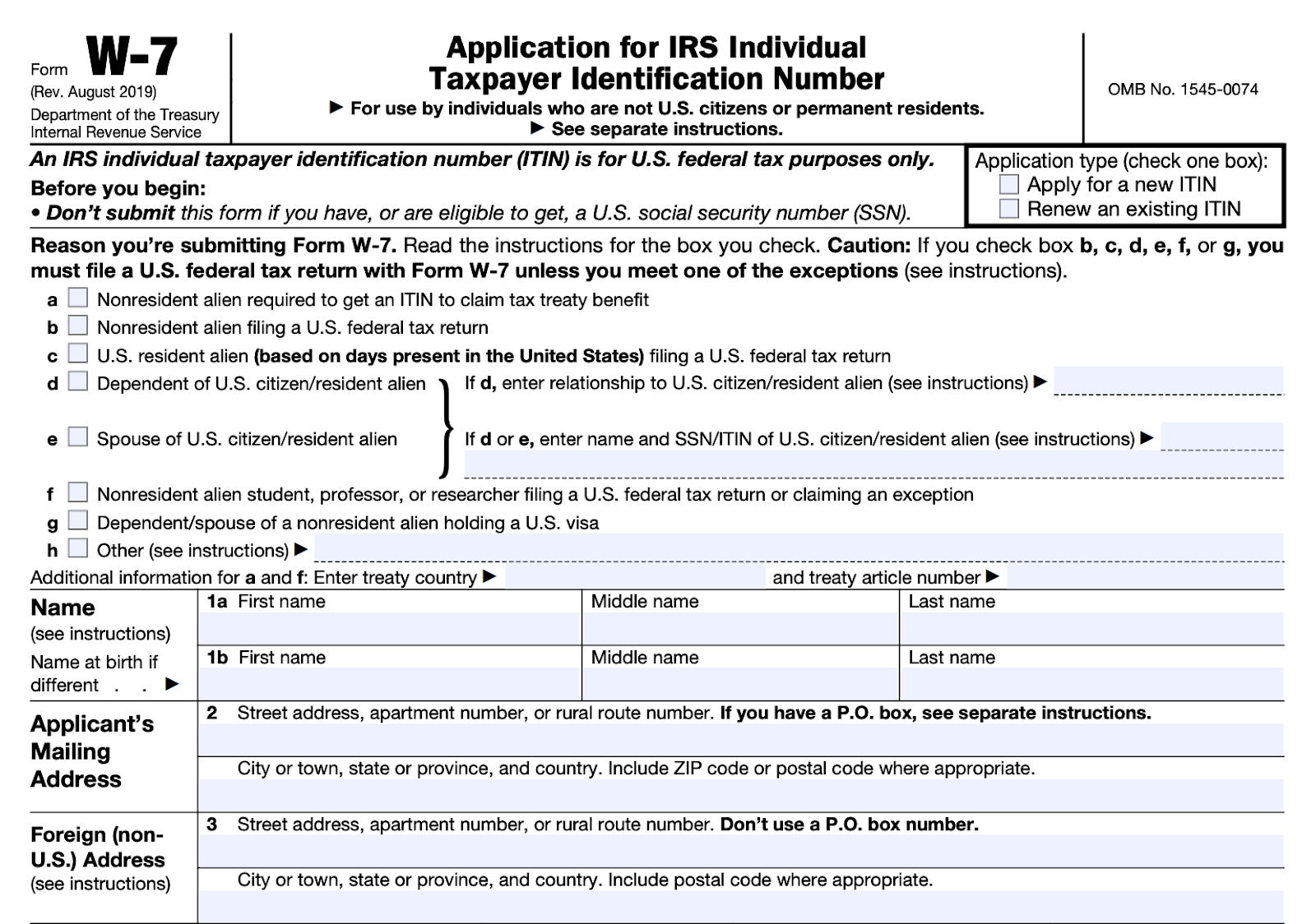
If the reason you want a business credit card is that you don’t have a social security number — maybe you’re a nonresident of the United States doing business here — you can take another route to bypass the SSN section of a credit card or loan application. In this case, you need to file for an Individual Taxpayer Identification Number (ITIN) through the IRS. 

Several credit lenders allow you to apply for funding using an ITIN instead of an SSN. I recently did a write-up on one of them and you can find more about it (and competitors) here: Chase Ink Business Preferred Credit Card: A Deep Dive. 

To apply for an ITIN, use IRS form W-7. Consult with a CPA licensed in the state where you do business to find out more as it applies to your situation. 

Apply for an ITIN

What if You Have Bad Personal Credit? 

Another reason you might want to apply for business credit using your EIN and not your SSN is that you have a low FICO score. If you’re in this boat, there are steps you can take to remedy the predicament. These steps will vary based on your situation. 

In all cases, the first step will be to learn about the common errors often reported by consumer credit bureaus and leverage them to your advantage. For example, you might learn how to best deal with vehicle repossessions and defaulted loans or what can be disputed in a credit file and how to do so.  

Recommended: Credit Secrets Book Review: Can You Erase Bad Credit History? 

How Can You Use Your EIN Instead of Your SSN to Get Business Credit and Loans?

If you want to get a line of credit for your EIN and withhold your SSN, as you probably guessed, you need to find a lender that does not require a personal guarantee. Then, you will need to meet the credit and income requirements of that lender. Finally, you’ll need to apply. 

Lenders That Offer Financing With No Personal Guarantee

As I’ve already said, lenders that do not require a personal guarantee are uncommon. But, they’re not impossible to find. Here’s a list of a some lenders who may not require an SSN or an ITIN to apply for a line of credit or a loan. 

Business Credit Cards 

These business credit cards are fairly easy for companies of all sizes, including freelancers and individual contractors, to qualify for and require no personal guarantee. 

  1. Sam’s Club Business Credit Card
  2. Office Depot OfficeMax Business Credit Account
  3. Shell Small Business Gas Card
  4. SuperAmerica Fleet Credit Card 

Recommended: How to Use Business Gas Cards to Build Your Business Credit

Corporate Credit Cards 

Rather than base your credit limit on your FICO score, you may be able to meet revenue requirements for one of these corporate cards with no personal guarantee. You may need an actual S or C corporation to qualify (in some cases, an LLC might suffice). 

  1. Brex Rewards Card 
  2. Stripe Corporate Card – see our full write-up here. 
  3. ScaleFactor Visa Charge Card
  4. Bremer Bank Business Card
  5. American Express Corporate Cards
  6. Capital One Corporate Cards
  7. Citibank Corporate Cards
  8. JP Morgan Chase Corporate Cards
  9. Wells Fargo Corporate Cards

Business Loans

While you may be required to share your SSN during the initial application process to ensure that you meet minimum credit requirements, these lenders have funding options that require no personal guarantee. 

  1. Kabbage
  2. Fundbox
  3. StreetShares – requires no personal guarantee for government contractors and subcontractors to Fortune 500 companies. 

Alternative Financing [Proceed With Caution]

First, when you don’t qualify for a business loan or line of credit, you can try for a personal loan or credit card instead. In fact, many companies are funded with personal capital. But, personal credit is typically more limited as far as funding amount and rewards than business credit. 

Next, if you have a friend or family member willing to extend a loan to your business, you may be able to request a private contract without using your SSN and with no personal guarantee. Most people avoid this to protect perfectly healthy relationships rather than muddy them with potentially disastrous business affairs. 

Then, depending on your type of and stage in business, you may also find VC or Angel investors willing to extend funding, which typically requires formal pitching and a detailed plan that outlines how you will use the money to increase company profits. In nearly all cases, investors also require a certain level of control over business management and a share of the revenue. So, if you want to maintain your operations as is (and keep your profits for yourself), this isn’t a great option.  

Finally — and I hesitate here — it may be worth mentioning that other options include working capital financing or merchant cash advances. In rudimentary terms, you can take out an equity loan on accounts payable.  However, I do not recommend these channels. Repayment on these types of loans is overly-expensive akin to personal payday loans. 

Final Thoughts

Business lenders that provide practical funding solutions you can apply for using only an EIN are unicorns in the financial universe. But, if you’ve made it here, you should know everything you need to find one. If you’ve tried, but still can’t seem to qualify for financing, there’s plenty you can do to transform your situation. 

And, if you know of other lenders who require no personal guarantee, I’d love to hear about them. For now, I recommend you learn how to build business credit so that you can access high-limit loans and credit cards with the best possible rates. If you want to learn how to obtain $100K in business credit in 30 days, I invite you to join Business Credit Workshop today. 
Chase Ink Business Preferred Credit Card: A Deep Dive Analysis

By Joe

Chase Ink Business Preferred Review

As a multinational investment bank and financial services provider, Chase has been a major player in the lending game for centuries. In 2000, the bank merged with JP Morgan and evolved into what it is today. 

While I usually endorse smaller community banks and credit unions for their flexible business loan and credit card underwriting requirements, today I want to share everything I know about the Chase Ink Business Preferred card — it’s definitely worth learning more about. 

Here’s what we’ll cover: 

  • Chase Ink Business Credit Cards Overview
    • How to Upgrade an Unlimited or Cash Card to a Preferred Card
  • Chase Ink Business Preferred Under the Microscope
    • Does Chase Report to D&B?
    • Chase Ink Business Preferred Card Benefits
      • Telephone Damage & Theft Protection
      • Free Employee Cards
      • Auto Rental Collision Damage Waiver
      • Trip Cancellation/Interruption Insurance
      • Purchase Protection and Extended Warranties
      • Transferable Points & Rewards That Never Expire
    • Chase Ink Business Preferred Preferred Card Downsides
    • How to Apply for a Chase Ink Preferred Card
  • Chase Ink Business Preferred Competitor Overview
  • Final Thoughts

Chase Ink Business Credit Cards Overview

Chase Ink Business Preferred is one of three Ink Business Visa credit cards offered through Chase, each of which have their own set of rewards. 

  1. Chase Ink Business Unlimited – Earn unlimited 1.5% cash back and up to $750 bonus cash back. 
  2. Chase Ink Business Cash – Earn up to 5% cash back in select categories and up to $750 bonus cash back. 
  3. Chase Ink Business Preferred – Earn up to 100,000 bonus points equal to $1,000 cash back or $1,250 in travel rewards. 

Chase also offers travel rewards cards for Southwest and a United travel reward card. For now, I want to share a quick side-by-side comparison of the three Ink cards before diving deeper into the Business Preferred card.

Chase Ink Business Credit Cards

With Chase Ink Business Preferred, 1 point is equal to roughly 1 cent cash back or 1.25 cents worth of travel rewards. For businesses with higher spending, because of the higher reward caps, Preferred is the Chase Ink card to strive for. 

How to Upgrade an Unlimited or Cash Card to a Preferred Card

When you meet the qualifications for a Chase Ink Preferred card, you may be able to upgrade an existing Unlimited or Cash card. Your Unlimited or Cash card must have been open and in good standing for at least a year and you will need to pay the $95 annual fee. 

Furthermore, when you make a product change, you won’t be eligible for the sign on bonus for new Preferred cardholders. 

To upgrade, simply call Chase using the phone number on the back of your card and ask for an account review or contact the company via the secure messaging platform inside your account dashboard. 

Chase Ink Business Preferred Under the Microscope

Now, let’s take a closer look at the pros and cons of the Chase Ink Business Preferred Card. We’ll start with credit reporting, since that’s the lifeblood of what we do here at Business Credit Workshop. Then, we’ll explore more about the benefits of using a Chase Ink Preferred card and when it might be better to try other channels for business cash flow. 

Does Chase Report On-Time Business Credit Card Payments to Dun & Bradstreet? 

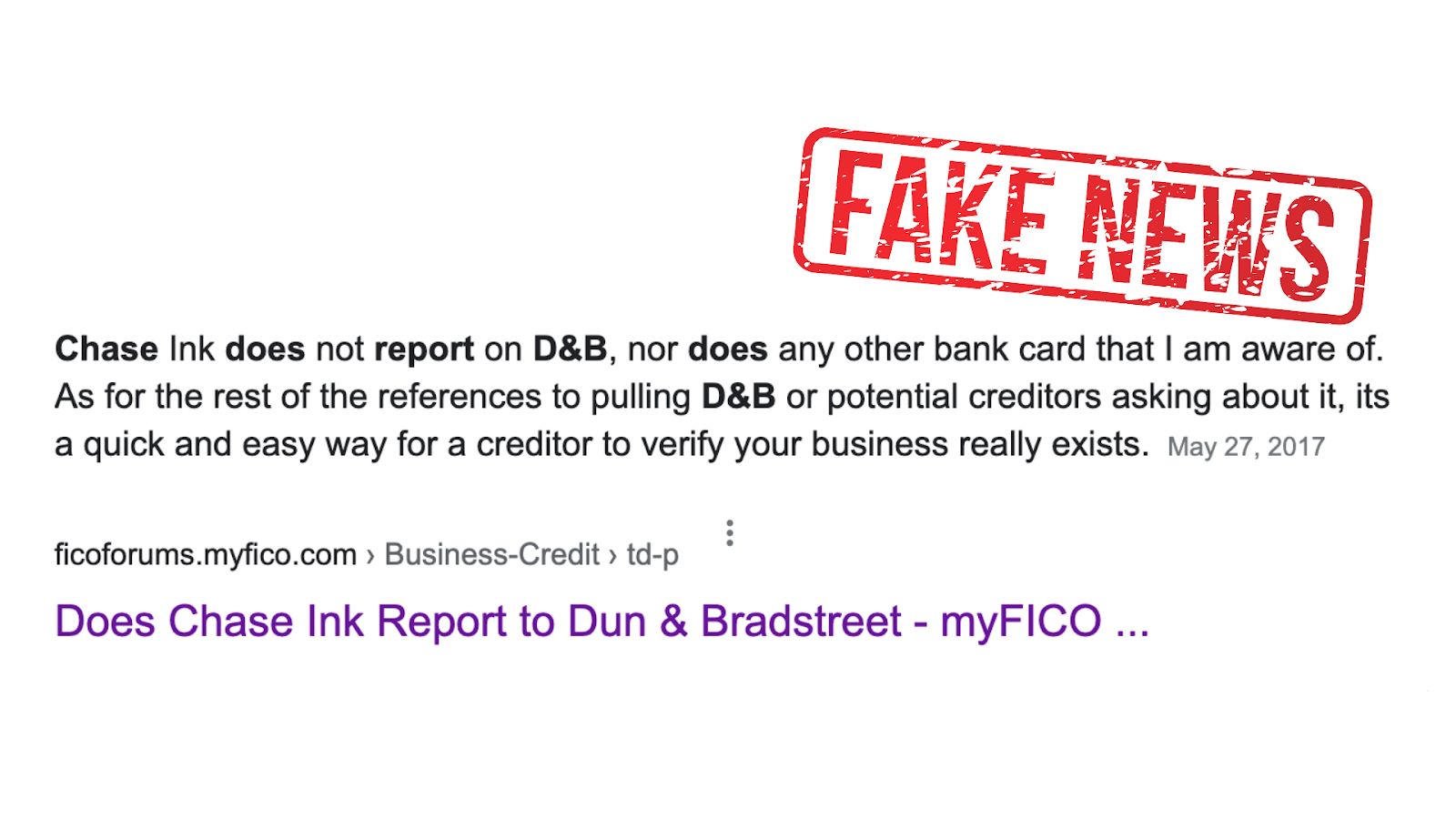
Dun & Bradstreet (D&B) is the monarch of business credit reporting agencies. While there are rumors floating around online credit forums that Chase doesn’t report to to D&B, this simply isn’t true. 

Does Chase Ink Report to D&B?

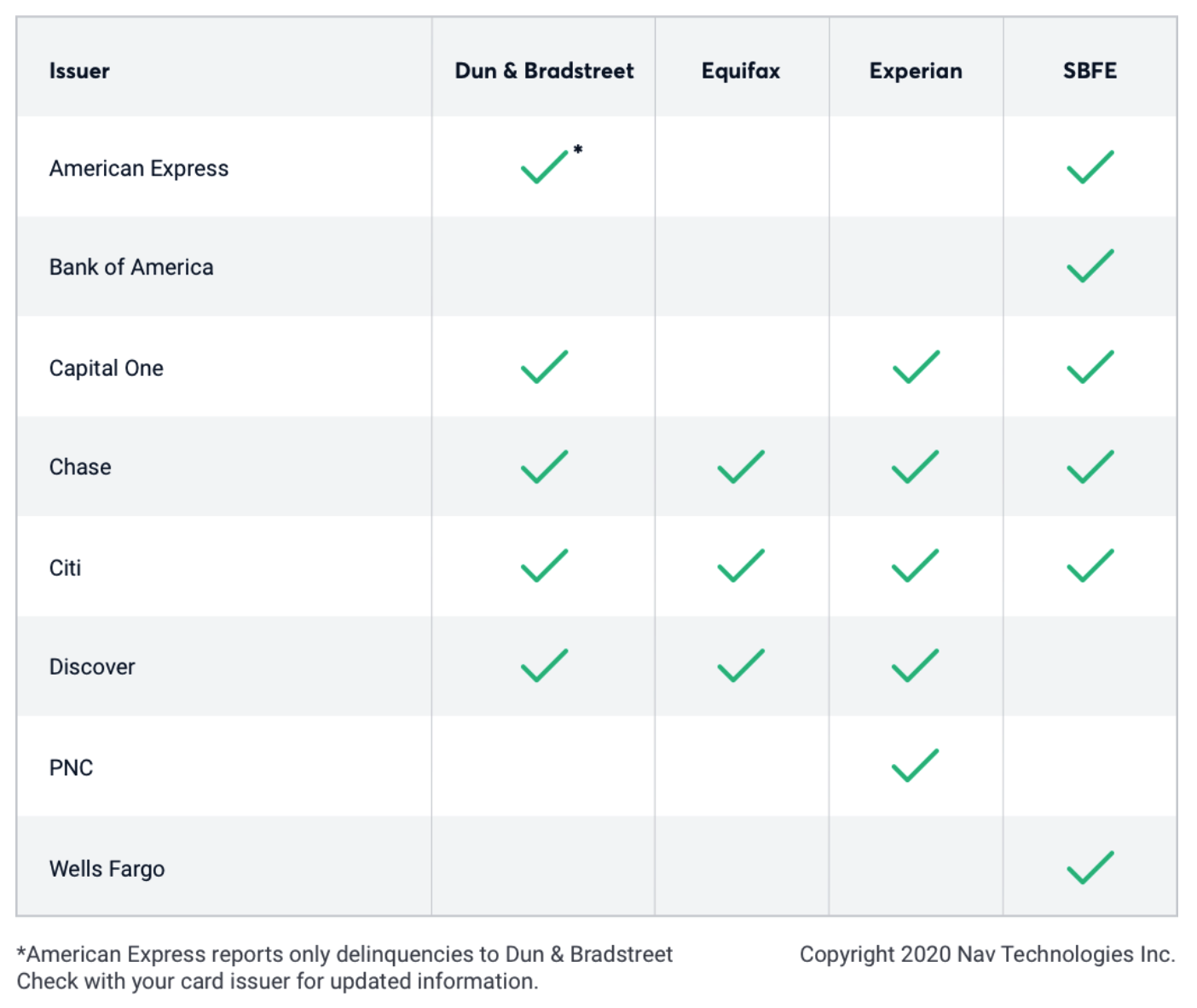
The fact is that Nav — a highly reliable source — reached out to the major banks late last year to see which ones report payment activity to business credit bureaus. They found that Chase and Citi are the only big banks in the United States that report business financing payment activity to all four of the top bureaus (D&B, Equifax, Experian, and SBFE). 

Which Banks Report to D&B?
[Image Source: Nav]

So, on-time payments and responsible credit use on a Chase Ink Business Preferred card can help you improve or maintain your business’ PAYDEX score. 

Recommended: Everything You Need to Know About a DUNS Number

Chase Ink Business Preferred Card Benefits

Some of the perks of using a Chase Ink Preferred card are summarized above. Now, let’s explore them further.  

Telephone Damage and Theft Protection 

If you pay your business phone bill with a Preferred card, you will be eligible for up to $600 per claim on damage and theft for you and your employees. This is a standout feature not offered by competitors’ credit cards. You will be eligible for up to three such claims per year, which will have a $100 deductible. 

Free Employee Cards

Once your account is approved, you can get employee cards at no cost. For each card, set spending limits to control your budget. All rewards will pool into the master account. This means that employee spending on a company Chase Ink Preferred card will count toward your bonuses and points. 

Auto Rental Collision Damage Waiver

When you rent a car and pay with your Business Preferred card, you don’t need to purchase insurance, because Chase automatically has  you covered with damage protection up to the actual cash value of the vehicle. This can save you quite a bit on business travel, especially when multiple employees rent cards when traveling for business. 

Trip Cancellation/Interruption Insurance

For prepaid, otherwise non-refundable travel fare, tours, and hotels, you won’t have to worry about losing your money if you need to cancel or delay a trip. When you pay for travel expenses using your Preferred card, they’re insured up to $5K per person and $10K per trip. Sickness, severe weather, and other covered reasons are covered when you need to take advantagee of this perk.  

Purchase Protection and Extended Warranties

If you buy a product with your Preferred card and it is stolen or damaged within the first four months after purchase, Chase will compensate you up to $10K per claim and $50K per account. This neans that you don’t need to insure every single item that you buy, instead, hold onto your receipts (or just keep track of transactions in your online account dashboard). 

Chase Ink Preferred Purchase Protection

Furthermore, any item that you buy with your Preferred card with a three year or less warranty, will be warrantied for an additional year. For example, if you were to purchase a computer with a two year warranty using your card, Chase would extend the warranty to three years. 

Transferable Points & Rewards That Never Expire 

As long as your account is open, you can redeem rewards points at any time. This means that you can save up points for years before you spend them. Furthermore, you can transfer your points at a 1:1 exchange with leading frequent flyer programs. 

100K Chase points are worth around $1K and 80K Chase points are worth roughly $800 when used in the Chase Ultimate Rewards program dashboard. Be sure to find out if your points will change in value when transferred since points/miles’ value can vary between programs. 

Login to your Chase Ultimate Rewards program dashboard or check with your frequent flyer program to find out for sure if your points would be transferrable — not all travel programs have a partnership with Chase. 

Chase Ink Business Preferred Preferred Card Downsides

As with most business credit cards from big banks, the Chase Ink Preferred Card does come with notable fees. Your APR on spending will range between 15.99% and 20.99%. We’ve reviewed cards from credit unions and community banks, as well as alternative modern funding sources, with interest rates below 10%, but they don’t typically offer the same level of rewards as the Preferred card. 

And, you will pay a $95 annual fee to maintain your account. This means that if you don’t plan to redeem your rewards, even if you pay your account in full every month to minimize interest payments, you could be out at the end of the year. However, an annual fee is typical of rewards cards in this tier. Amex, for example charges much higher annual fees than Chase. 

How to Apply for a Chase Ink Preferred Card

Before you apply, you must meet Chase’s requirements for this card. In addition to a 688+ FICO score (some recommend 700 to 740 and above), there are a handful of minimums you must meet. 

  • Less than 5 new credit cards opened in the past 24 months (Chase’s 5/24 rule)
  • No new Chase cards opened in the past few months 
  • Enough income/spending power to warrant a line of credit
  • A credit utilization ratio below 30%

Even if your credit is excellent and you meet all of the above requirements, there is not a guarantee you’ll be approved. But, if you can show these characteristics, your business is likely to appear less risky to the underwriters. And, you may up the odds if you have a Chase business checking account in good standing. If you’d still like to proceed, you can visit this page and sign in to apply or apply as a guest. If you’ve received an invitation to apply, visit getchaseink.com.   

Chase Ink Business Preferred Competitor Overview

The Chase Ink Business Preferred credit card, of course, has some competition in the marketplace. Amex Platinum and Capital One Spark are often considered by medium to high-earning small businesses looking for this type of rewards on spending. And, one of the alternatives might be a better fit for your situation.

So, let’s look at a summary of Chase Ink Preferred, Amex Platinum, and Capital One Spark next to one another to see the differences.

Chase Ink Preferred vs Amex Platinum vs CapitalOne Spark

In addition to what’s listed above, none of these cards have foreign tansaction fees. They provide various trip cancellation and delay insurance and reimbursement. And, they all have 

The Amex Platinum card certainly comes with the most benefits, but there’s a trade-off with the $550 annual fee, more than five times that of its competitors. If you only take advantage of the Fine Hotels & Resorts Perks,™ that cost will be covered.  

Final Thoughts

The Chase Ink Business Preferred card is acclaimed as one of the best small business credit cards, likely because of the huge sign on bonus. While you won’t get 0% APR and you will pay an annual fee, there’s still a lot of potential for savings and rewards here. If you think you business can meet the qualifications, I say go ahead and apply.

And, if you still need to learn how to build business credit and you want to learn to obtain $100K in business credit, join Business Credit Workshop today. 

This is How to Build Business Credit Fast [Step-by-Step Guide]

By Joe

How to Build Business Credit

Here on our blog, you’ll find how to get business credit. Furthermore, we’ve shared a ton of articles about various funding options, lender reviews, and other relevant advice. What we haven’t revealed (publicly) is how to build your business properly to obtain credit, which is the core of our mission — the skills that Business Credit Workshop members master. 

A high business credit score can help you increase funding options beyond the limitations of personal credit and even lower insurance rates.  

Now, I’m going to lift the curtain and share the bricks you need to lay (and how to lay them) if you want to build business credit in 30 days. Here’s what’s in store:

  • Intro: Business Credit FAQs
  • 5 Steps to Build Business Credit
    • Step 1: Form Your Business
    • Step 2: Get Your Company “Business Credit Ready”
    • Step 3: Network With Local Banks
    • Step 4: Setup Business Credit Profiles
    • Step 5: Build Small Trade Lines of Credit
  • Final Takeaway

I assume you are tempted to skip around, but I recommend you read the entire article. Each section contains little gems of wisdom to not only tell you what to do, but show you how to do it right. 

If you’re ready, let’s go! 

Intro: Business Credit FAQs

Before we explore the steps to take, I want to use this space to quickly answer some of the top questions I hear all the time about building businesss credit. 

Can I use my EIN to apply for credit?

Yes, if you have an EIN assigned by the IRS, you can use it to apply for business credit. 

Is it hard to get a business credit card?

No, it is not hard to get a business credit card, as long as you have a high business credit score. 

Do business credit cards pull personal credit?

Some business credit cards do a soft or hard pull to your personal credit and some do not – the latter is rare.  

Can an LLC have a credit score?

An LLC can have an employer identification number (EIN) and a DUNS number from Dun & Bradstreet. These identification numbers represent entities that can have credit scores separate from personal credit scores. 

Can an LLC get a loan?

Yes, a business entity like an LLC or other corporation can apply for and get a loan. 

Can I open a credit card for my LLC?

Yes, you can open a credit card for your LLC if it has a high business credit score. 

Can I buy a house with business credit or can an LLC buy a house?

Yes, you can use business credit to purchase real estate on behalf of an LLC. 

How long does it take to build business credit?

You can build business credit in as few as 30 days. 

What are the easiest business credit cards to get approved for?

The business credit cards with the lowest credit requirements are typically store cards with net 30 payment terms. 

Can you build business credit with bad personal credit?

Yes, you can build business credit with any personal credit score. However, many lenders require a personal guarantee, some require a hard or soft pull to your personal credit score, and poor personal credit limits your business credit options. 

However, a low personal credit score isn’t a death sentence. Check out this Credit Secrets book review.